The oven door plays a critical role in heat retention, safety, and ease of use during cooking. While most people focus on capacity, temperature, and features, the door opening size significantly affects performance and usability.
A properly sized opening helps maintain heat levels, prevents accidents, and improves cooking visibility.
Manufacturers design ovens with specific door angles and opening sizes for optimal balance. Too small an opening limits access and visibility, while overly large openings release excessive heat. Understanding the ideal oven door opening size helps you cook more efficiently and safely.
In this article, you will learn how oven door openings are designed, what dimensions matter most, and how size impacts daily use.
Every section explains a key factor that influences heat loss, safety, accessibility, and energy efficiency. This knowledge helps you choose the best oven and use it properly.
What Oven Door Opening Size Means and Why It Matters

Oven door opening size refers to the space created when the oven door is fully or partially opened. This size determines how easily you can reach food, insert cookware, and check progress during cooking. Both the angle and vertical clearance matter.
A properly sized opening allows enough room for large baking dishes and oversized trays. Home cooks often struggle with small openings that restrict movement. Wider openings make it easier to slide heavy items safely.
Opening size also affects heat retention during cooking. A narrow opening reduces heat escape and maintains a stable internal temperature. A wide opening, if left open too long, causes rapid heat loss and cooking delays.
Safety is another important factor influenced by opening size. Larger openings expose users to radiant heat that may cause burns. Smaller openings reduce exposure but also limit accessibility.
Manufacturers must balance size, heat management, and user safety. Understanding this balance helps consumers choose ovens suited to their cooking habits. A well-designed opening improves kitchen workflow and reduces accidents.
Standard Oven Door Opening Dimensions Across Models
Most home ovens follow standardized door opening sizes based on design and capacity. Standard width ovens typically have an opening clearance between 11 and 14 inches when fully open. Larger professional models may provide 15 to 18 inches for improved accessibility.
Vertical clearance varies depending on oven depth and rack positioning. Deeper ovens require larger openings to allow safe removal of heavy cookware. Shallow ovens often use smaller openings to maintain compact size.
The door angle also affects clearance width. Most residential ovens open to a downward angle of approximately 90 degrees. Some advanced models offer 100 to 110 degree openings for improved access.
Commercial and professional ovens often have wider and taller openings. This allows chefs to load and unload large pans quickly. Accessibility is prioritized in commercial settings.
Compact ovens and countertop units feature smaller openings by design. Their space saving size reduces the maximum allowable door height. These units prioritize convenience over large capacity.
Understanding standard sizes helps users compare models accurately. It also ensures compatibility with common cookware sizes. Door dimensions must align with everyday cooking needs.
How Door Angle Affects Opening Size and Heat Escape
Door angle determines the width and height of the opening space created. A 90 degree door angle is common in most home ovens. This angle provides enough clearance for standard cookware without excessive heat escape.
Larger door angles produce wider and taller openings. This increases accessibility but releases more heat during use. The oven interior cools faster with a wide open door.
Smaller door angles limit heat loss but reduce accessibility. Users may need to maneuver cookware carefully to avoid burns and spills. This increases handling difficulty.
Heat escape is a major concern during baking and roasting. Each second the door remains open releases a significant amount of heat. Wide openings can cool the oven by 25 to 50 degrees quickly.
Door angle also affects visibility. A more open door provides a better viewing angle for monitoring food. This reduces the need for additional door openings.
Manufacturers analyze these factors to create optimal door angles. The goal is to reduce heat loss while maintaining convenience. Understanding door angle helps users manage heat efficiently during cooking.
Impact of Door Opening Size on Heat Retention and Energy Efficiency
Every time the oven door opens, heat escapes rapidly. The larger the opening, the quicker the heat loss. Maintaining consistent heat is essential for proper cooking.
A wide opening cools the oven interior dramatically. This causes the heating element to work harder to restore the set temperature. Increased energy usage occurs with every extended opening.
Smaller openings reduce heat escape significantly. They allow users to check food without drastically lowering the temperature. This maintains cooking consistency.
Heat retention is especially important for baking. Temperature stability affects texture, rise, and browning. An oversized opening disrupts these processes.
Energy efficiency depends heavily on how long and how wide the door is opened. The ideal opening size minimizes escape while still providing visibility. Users must balance access and heat control carefully.
Understanding heat dynamics helps you use your oven more efficiently. You can improve cooking outcomes by managing door opening size. Energy savings follow naturally with proper usage.
Safety Considerations Related to Oven Door Opening Size
Oven door openings expose users to heat, steam, and hot cookware. The larger the opening, the greater the exposure risk. Safety depends on controlled opening size and careful handling.
A small opening limits heat exposure but restricts movement. This may cause accidental contact with hot surfaces when maneuvering dishes. Proper positioning is essential for safety.
Large openings expose users to wide zones of radiant heat. Steam, boiling liquids, and splattering foods become potential hazards. Prolonged exposure can cause burns.
Door weight is another factor in safety. Heavy doors can fall or close unexpectedly if not fully stabilized. A stable hinge system prevents sudden movement.
Children and pets are particularly vulnerable around open ovens. Wide openings invite accidental contact during cooking. Safety gates and supervision reduce risk.
Understanding these safety concerns helps users choose ovens with appropriate opening sizes. A balanced design protects users without compromising accessibility. Safe cooking requires awareness of door behavior.
Accessibility and User Comfort When Handling Cookware
A comfortable oven opening size allows users to insert and remove cookware safely. Narrow openings require awkward angles and increase strain. Wider openings provide comfortable access but release more heat.
User height and reach also influence comfort levels. Taller users may prefer deeper openings for easier access. Shorter users may struggle with oversized openings.
Heavy casserole dishes require steady handling. A larger opening makes lifting stable and reduces wrist strain. Smaller openings increase the chance of spills.
Oven gloves and mitts add bulk to the hands. A narrow opening may not accommodate protected hands properly. This increases contact risk with hot surfaces.
Cooking frequency also affects user preferences. Daily cooks benefit from ergonomically designed openings. Occasional users may not require wide access.
A well designed opening supports comfortable, confident movement. It improves control and reduces fatigue. Accessibility should always match the user’s physical needs.
Ideal Oven Door Opening Size for Home Kitchens
For most home kitchens, the ideal oven door opening size balances access, visibility, and heat control. An opening height between 11 and 14 inches suits most domestic cooking tasks. This size accommodates common casserole dishes and baking trays.
The door should open to approximately 90 degrees. This provides adequate clearance without excessive heat release. Wider angles are helpful but not essential.
A medium sized opening offers the best heat retention. It reduces temperature drop during cooking checks. This helps maintain food texture and doneness.
Home cooks also require a safe distance between the user and hot interior surfaces. A moderate opening provides a comfortable working space. This reduces burn risks during food removal.
For compact kitchens, smaller openings help preserve space. Oversized openings may interfere with cabinetry and appliance layout. The oven must fit comfortably within the kitchen design.
The best opening size provides stable access, safe handling, and efficient cooking performance. Manufacturers design most home ovens around these dimensions. This makes them suitable for a wide range of cooking styles.
Ideal Oven Door Opening Size for Commercial Kitchens
Commercial kitchens require larger oven door openings to handle oversized cookware and high volume workflow. Professional ovens typically offer between 15 and 18 inches of vertical clearance. This size accommodates multiple trays and large roasting pans.
Door angles often exceed 100 degrees for rapid loading. Chefs must move quickly during service. Wide openings improve speed and reduce accidents during busy hours.
Commercial ovens also need greater visibility. Large openings allow staff to monitor multiple dishes simultaneously. This improves consistency and cooking control.
However, bigger openings release significant heat. Commercial ventilation systems compensate for this loss. High airflow systems protect staff from excessive radiant heat.
Commercial ovens prioritize access over energy efficiency. Speed and volume are more important than minor heat loss. Opening size reflects these priorities.
The ideal commercial opening provides rapid movement, safe handling, and stable operation. These ovens are designed for professional performance. Size and accessibility support demanding workflows.
How Oven Design and Hinges Influence Opening Size
Oven hinges control how the door opens, how wide it opens, and how stable it remains. Heavy duty hinges allow wider angles and larger access spaces. Lightweight hinges restrict opening size for stability.
Soft close hinges improve safety by preventing abrupt movement. These hinges support controlled opening at different angles. They enhance user comfort and reduce door stress.
Some ovens use multi pivot hinges for smooth movement. These hinges distribute weight evenly as the door opens. This design allows larger openings without instability.
The door frame and gasket also affect opening size. Thicker frames reduce clearance but improve insulation. Thin frames maximize opening size at the expense of heat retention.
Premium ovens often feature reinforced hinge mounts. These mounts allow wider openings without structural deformation. Reliable hinge geometry ensures long term durability.
Hinge design ultimately determines how accessible the oven becomes. A well engineered hinge system balances width, safety, and heat control. Understanding hinge technology helps users evaluate oven quality.
Factors That Influence the Ideal Oven Door Opening Size
Several key factors determine the best oven door opening size for each user. Kitchen layout and available space are major considerations. Door clearance must not interfere with cabinets or walkways.
User height and physical strength also matter. Smaller users may prefer moderate openings for easier handling. Taller users benefit from wider access.
Cooking style is another major influence. Frequent bakers need precise visibility and access. Occasional users can compromise with smaller openings.
Cookware size impacts opening requirements. Large roasting pans need larger door clearance. Small dishes fit easily within moderate openings.
Safety concerns must always be considered. Wide openings increase heat exposure but improve access. Narrow openings limit exposure but reduce maneuverability.
Each of these variables shapes the ideal opening size. A balanced design meets the needs of the user, kitchen, and cooking habits. Choosing the right size enhances overall cooking experience.
How to Measure Oven Door Opening Size Correctly
Measuring the oven door opening size requires checking both vertical and horizontal clearance. The vertical measurement is taken from the top edge of the door opening to the bottom edge when fully open.
The horizontal measurement is taken from the front edge of the oven frame to the furthest reach of the open door.
Door angle must be fully extended to its maximum opening position during measurement. Partial openings give inaccurate results and misrepresent real usability. A measuring tape with rigid structure improves accuracy.
Depth clearance is also important when stair step racks or telescopic rails are present. These features can limit how far cookware can be pulled out safely. Measuring from the front rack edge to the fully open door provides functional clearance data.
Measuring should always be done with the oven cool and empty. Hot conditions can affect door position slightly and create measurement error. Repeating measurements improves accuracy.
Correct measurement helps determine cookware compatibility and kitchen layout clearance. It also helps users compare different oven models realistically. Accurate measurements support safer purchase decisions.
Cookware Compatibility and Door Opening Clearance
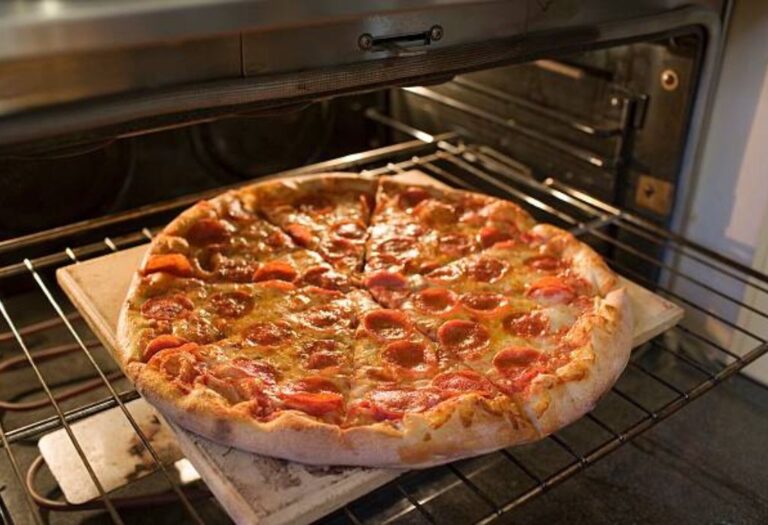
Cookware size directly determines how much opening clearance is required. Large roasting pans, Dutch ovens, and pizza stones need wider openings for safe handling. Narrow openings restrict removal and increase tipping risk.
The height of cookware with lids also affects clearance. Tall covered dishes often require extra vertical space for tilting during removal. Limited clearance increases wrist strain and spill risk.
Wide door openings simplify tray rotation and repositioning during baking. This improves cooking consistency and browning control. Small openings make mid cooking adjustments difficult.
Glass and ceramic dishes are especially sensitive to handling stability. Narrow openings increase the risk of tapping the door frame. This contact can cause cracks and thermal shock.
Metal cookware tolerates tight clearances better but still benefits from wider access. Safe two hand lifting always requires sufficient opening width. Clearance must support proper lifting posture.
Matching cookware size to door opening size improves safety and workflow. It reduces spill accidents and awkward strain. Compatibility should always be considered during oven selection.
Child Safety and Oven Door Opening Size
Oven door opening size plays a critical role in child safety. Wide openings expose larger hot surface areas. Children can reach heat zones more easily during cooking.
Smaller openings limit exposure but may still pose risks if unsupervised. Radiant heat can still cause burns within seconds of contact. Supervision remains essential regardless of opening size.
Door handle positioning also affects safety. Handles positioned higher reduce child reach. Lower handles invite pulling behaviors.
Many modern ovens include automatic door locks. These locks restrict access during high heat cycles and self cleaning modes. Locking systems complement proper opening size design.
Wide openings also increase the risk of tripping over the open door. Children running through the kitchen are especially vulnerable. Clear kitchen pathways reduce this hazard.
Choosing the right opening size with safety features ensures better child protection. Door locks, handle height, and clearance must work together. Safety design prevents accidental injury.
Energy Efficiency and Door Opening Size Relationship
Door opening size directly affects how much heat escapes during use. Wider openings allow rapid heat loss within seconds. Narrow openings preserve internal temperature more efficiently.
Each time heat escapes, the oven must reheat to restore the set temperature. This increases power consumption and cooking time. Energy loss adds up over repeated openings.
Smaller door openings reduce total exposed heat surface. This maintains better thermal stability during baking and roasting. Stable temperature improves energy efficiency.
Door insulation quality also interacts with opening size. Thick insulated doors retain heat better when briefly opened. Thin doors lose heat faster regardless of size.
Opening time matters as much as opening width. Wide openings left open too long cause major temperature drops. Quick checks minimize energy waste.
Proper door management improves cooking efficiency. Choosing ovens with balanced opening size supports long term energy savings. Door behavior impacts both performance and cost.
Cleaning and Maintenance Access Through Door Openings
Door opening size also affects how easily the oven can be cleaned. Wider openings provide better access to interior walls, racks, and fan covers. Narrow openings restrict reach and tool movement.
Manual cleaning requires full access to corners and door seals. Limited clearance increases hand strain and awkward postures. This leads to incomplete cleaning.
Self cleaning cycles still require pre and post cleaning. Ash residue and door seals must be wiped after the cycle. A wide opening simplifies this process.
Steam cleaning methods benefit from accessibility. Users must place water trays and remove loosened debris. A restricted opening slows maintenance.
Door hinges and gaskets also require periodic inspection. Larger openings make inspection easier and faster. Maintenance becomes more effective.
Good door opening size supports long term appliance hygiene. Easy access improves cleaning frequency. Clean ovens also perform more efficiently.
Manufacturing Standards and Design Regulations
Oven door opening size is influenced by manufacturing safety standards. These standards regulate heat exposure, hinge strength, and structural stability. Door movement must remain within safe thermal limits.
Energy efficiency regulations also influence design. Smaller openings help manufacturers meet insulation and power consumption targets. Door geometry plays a role in certification compliance.
Design regulations require door hinges to withstand repeated thermal cycling. This limits how wide and how often doors can open safely. Structural testing ensures long term durability.
Glass thickness and frame construction also affect allowable opening size. Thin glass requires smaller openings to prevent stress cracking. Thick glass allows wider movements.
Vent placement within the door design also limits opening size. Airflow management must remain stable. Opening geometry influences ventilation behavior.
Manufacturing controls ensure consistent door performance across models. Regulations protect users from mechanical failure. Door size is always shaped by safety codes.
Common Mistakes When Choosing Oven Door Opening Size
One common mistake is selecting an oven based only on capacity. Users often overlook how accessible the interior actually is. Large capacity with limited opening creates handling problems.
Another mistake is ignoring kitchen floor space. Oversized doors may block walkways when opened fully. This creates movement hazards.
Some buyers prioritize sleek compact designs without testing real access. Narrow doors look modern but restrict functionality. Aesthetic choice may compromise safety.
Failure to consider cookware size is also frequent. Large pans may not fit easily through small openings. This leads to repeated handling frustrations.
Another mistake is overlooking hinge strength. Weak hinges cause door sag over time. This reduces effective opening clearance.
Choosing the correct door size requires testing real world use. Visual inspection alone is not enough. Practical access always determines satisfaction.
Upgrading or Replacing Ovens Based on Door Size Needs
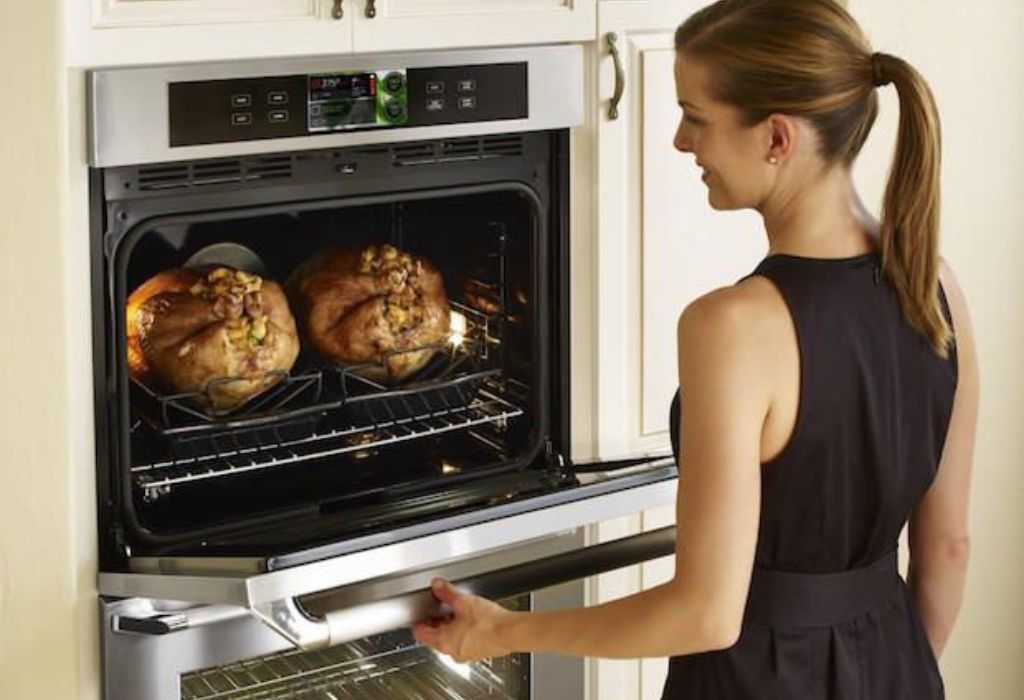
Users often upgrade ovens due to accessibility problems. Limited door openings become frustrating with frequent heavy cooking. Door size becomes a deciding upgrade factor.
Kitchen renovation projects also influence door opening selection. New cabinetry and island placement affect how far doors can open. Clearance planning becomes essential.
Older ovens often have weaker hinge systems. Door sag reduces effective opening size over time. New models restore proper access.
People with physical limitations benefit from wider openings. Reduced bending and lifting strain improves safety. Ergonomic access becomes a health priority.
Professional cooks upgrading to home kitchens also require larger openings. Commercial style cookware demands greater clearance. Residential models must support these needs.
Replacing ovens based on door opening needs improves workflow, safety, and long term comfort. Door accessibility shapes daily cooking experience. Upgrading becomes functional rather than cosmetic.
Frequently Asked Questions
What is the ideal oven door opening size for home use?
Most homes perform best with 11 to 14 inches of vertical opening. This size balances access and heat retention.
Is a wider door opening always better?
No, wider openings increase heat loss and exposure risk. Balance between access and efficiency is ideal.
Can oven door size affect cooking time?
Yes, frequent wide door openings lower internal temperature. This increases cooking time.
Do commercial ovens need larger door openings?
Yes, commercial kitchens require 15 to 18 inches for large cookware and fast workflow.
How does door angle affect usability?
Wider angles improve access but increase heat loss. Moderate angles balance both needs.
Is oven door opening size related to safety?
Yes, larger openings expose more radiant heat. Smaller openings reduce burn risk.
Does a larger oven automatically have a larger door opening?
Not always, capacity and access are designed separately.
Can a narrow opening cause cookware accidents?
Yes, tight clearances increase tipping and spill risk.
Does cleaning become easier with wider openings?
Yes, wider access simplifies manual and steam cleaning.
Do child safety locks affect door opening size?
No, they restrict movement but do not change physical clearance.
Is door opening size important for baking?
Yes, heat loss during opening affects baking consistency.
Can oven hinges weaken over time?
Yes, hinge wear reduces door stability and opening accuracy.
Does opening size affect energy bills?
Yes, larger heat losses increase energy usage.
Is compact kitchen setup affected by door opening size?
Yes, large doors can block movement in small spaces.
Should door size influence oven buying decisions?
Yes, daily handling comfort depends heavily on opening clearance.
Conclusion
The ideal oven door opening size directly affects safety, accessibility, energy efficiency, and user comfort. A balanced opening allows easy cookware handling while preserving heat stability. Both undersized and oversized openings create practical problems.
Home kitchens benefit most from moderate openings that support daily cooking needs. Commercial kitchens require larger openings for speed and capacity. Design, hinge strength, and clearance planning all influence suitability.
Choosing the right door size improves workflow, safety, and long term satisfaction. It reduces accidents, energy waste, and physical strain. The oven door opening size is a functional design choice that should never be ignored.

I’m Emma J. Caldwell, the founder, lead writer, and home-cooking enthusiast behind KitchenGuideCo.com. With a background in culinary arts and over a decade of cooking experience in both professional and personal kitchens, I created this platform to demystify recipes, offer smart kitchen gadget reviews, and guide readers through meal prep with confidence and clarity.