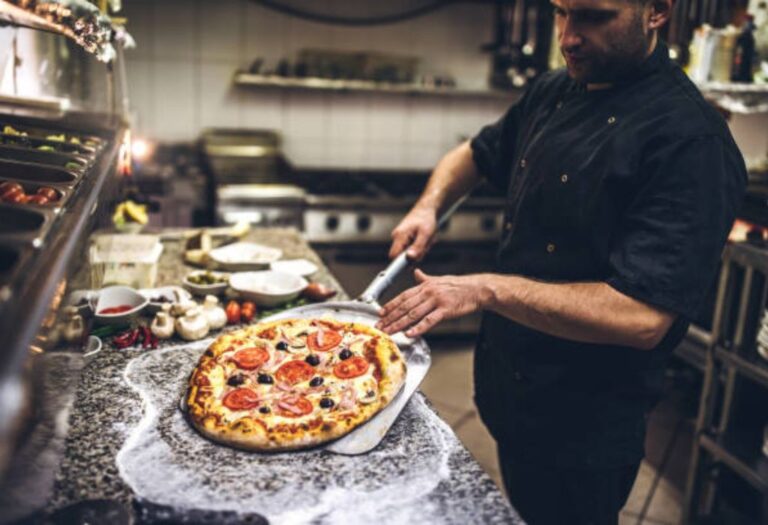
The moment a roasting pan slides into a hot oven, something remarkable begins to happen. Moisture slowly steams from the surface, sugars start to caramelize, and aromas fill the kitchen with deep, savory warmth.
Roasting is one of the oldest and most powerful cooking methods because it transforms simple ingredients into rich, complex meals using nothing more than dry heat and time.
Yet one of the most common reasons roasted food turns out dry, burned, pale, or unevenly cooked is incorrect oven temperature. Many home cooks rely on guesswork, hoping higher heat means faster and better results.
In reality, roasting requires precise temperature control to achieve the perfect balance between browned exterior and juicy interior.
The ideal oven temperature for roasting changes depending on what you are cooking, how thick it is, and how you want the final texture to turn out.
This complete guide explains how roasting temperatures work, how heat affects different foods, and how to choose the exact oven temperature for consistently perfect results at home.
How Oven Heat Works During Roasting
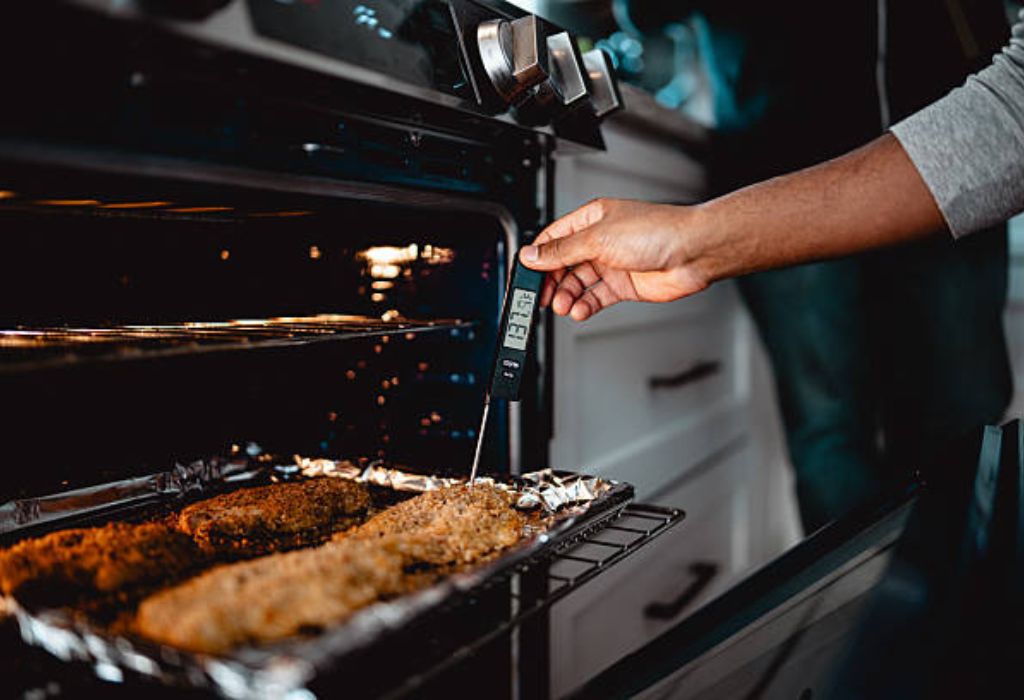
Roasting uses dry, circulating heat to cook food evenly from the outside inward. As hot air moves around the oven cavity, it transfers heat energy to the surface of the food. This surface heat evaporates moisture, creating browning and crust formation through the Maillard reaction.
At the same time, internal heat slowly penetrates toward the center of the food. Proteins denature, fats render, and connective tissues soften. The balance between surface temperature and internal temperature determines whether food turns out juicy or dry.
If the oven temperature is set too high, the exterior burns before the inside is fully cooked. If the temperature is too low, moisture escapes before browning occurs, leaving food pale and soggy.
Roasting is different from baking because it typically uses higher temperatures to develop surface flavor quickly. It is also different from broiling, which applies intense top heat only.
Understanding how dry heat behaves inside an oven gives you full control over browning speed, moisture retention, and internal doneness.
Why Roasting Temperature Is More Important Than Cooking Time
Many people focus only on roasting time, but temperature actually controls the entire cooking process. Time merely reflects how long food spends under that temperature. If the temperature is wrong, no amount of timing accuracy can fix the result.
For example, a chicken roasted at too low a temperature may reach safe internal temperature but still have flabby skin and weak flavor. The same chicken roasted at proper heat develops crisp skin, rendered fat, and juicy meat.
High temperatures speed surface browning but shorten the margin for error. Low temperatures offer more gentle cooking but extend moisture loss. The ideal roasting temperature balances these two forces perfectly.
Cooking time also varies depending on thickness, density, and moisture content. Temperature remains the stable control point that governs all of these variables.
Once you understand that temperature shapes texture and flavor while time simply follows along, roasting becomes predictable instead of risky.
General Ideal Oven Temperature Range for Roasting
Most traditional roasting takes place between 375°F and 450°F. This range produces strong browning while allowing enough internal cooking time to keep food juicy.
Lower end roasting around 350°F to 375°F is ideal for large, dense cuts of meat that require longer cooking times. This prevents surface burning before the interior reaches doneness.
Mid-range roasting around 400°F is the most versatile temperature zone. It works for chicken, vegetables, fish fillets, and many pork cuts. This range balances browning and moisture retention extremely well.
High roasting temperatures of 425°F to 450°F are used for rapid caramelization. They are excellent for vegetables, thin cuts of meat, and foods that benefit from crisp outer texture.
Above 475°F moves into extreme high-heat roasting where burning risk increases sharply. This zone requires careful control and is best reserved for finishing blasts, not full roasting cycles.
Knowing these general zones allows you to adjust temperature based on food type instead of cooking everything at one fixed setting.
Low-Temperature Roasting and Its Benefits
Low-temperature roasting typically occurs between 250°F and 325°F. This method focuses on slow moisture preservation and even internal cooking rather than rapid browning.
At low temperatures, muscle fibers contract slowly, allowing juices to remain trapped inside the food. This method is commonly used for large beef roasts, whole pork loins, and thick turkey breasts.
Low roasting reduces the chance of overcooked outer layers. The entire piece of meat rises in temperature gradually and evenly from edge to center.
The tradeoff is reduced surface browning. In most low-temperature roasting methods, food is finished with a short high-heat blast at the end to create crust.
Low-temperature roasting produces extremely tender, juicy results when precision matters more than speed.
High-Temperature Roasting and When to Use It
High-temperature roasting generally starts at 425°F and above. This method is designed to maximize surface caramelization and crispness in a short time.
Vegetables benefit enormously from high-temperature roasting. At these temperatures, natural sugars caramelize quickly while moisture evaporates rapidly, creating crisp edges and concentrated flavor.
Thin cuts of meat such as chicken thighs, pork chops, and fish fillets develop beautiful browning without overcooking inside when roasted at higher temperatures.
High-temperature roasting also renders fat quickly. This is why chicken skin crisps best above 400°F.
The danger of high heat lies in moisture loss and burning. Foods must be monitored closely, flipped when necessary, and removed promptly at proper doneness.
When used correctly, high-temperature roasting delivers intense flavor and crisp texture that lower temperatures cannot achieve.
How Food Size and Thickness Affect Ideal Roasting Temperature
Thickness directly determines how heat should be applied. Thin foods heat through quickly and benefit from higher temperatures that maximize browning without drying out the interior.
Thick foods require gentler temperatures so heat can penetrate to the center without scorching the outside. Large roasts, whole poultry, and bone-in cuts all perform better at mid-range or slightly lower roasting temperatures.
Surface-to-volume ratio matters. Vegetables with large surface area expose more moisture to evaporation and tolerate higher heat well. Large dense meats with low surface area require slower heat transfer.
Ignoring thickness leads to uneven results. Thin cuts burn while thick sections remain undercooked. Temperature adjustment based on size solves this imbalance.
Matching oven temperature to food thickness is one of the most powerful skills in roasting.
Preheating the Oven for Accurate Roasting Results
Preheating ensures that the oven reaches full roasting temperature before food enters. Without proper preheating, food begins cooking at a lower temperature than intended. This delays browning and causes moisture loss before caramelization begins.
Most ovens require at least 20 to 30 minutes to fully stabilize at roasting temperature. Thick oven walls, baking stones, and steel racks absorb heat slowly.
Placing food into a partially heated oven results in pale surfaces and uneven internal cooking. The center warms slowly while moisture escapes, producing bland texture.
An oven thermometer is strongly recommended because many ovens run inaccurately. Correct internal temperature ensures reliable results each time.
Preheating is not optional for roasting. It is an essential step that determines proper crust formation and internal cooking balance.
Ideal Oven Temperature for Roasting Chicken
Chicken is one of the most commonly roasted foods, yet it is also one of the most frequently overcooked. The ideal roasting temperature for whole chicken is 400°F. This temperature allows the skin to become golden and crispy while the meat inside stays juicy.
At lower temperatures, chicken skin remains rubbery because fat does not render quickly enough. At excessively high temperatures, the skin burns before the internal meat is fully cooked.
For chicken parts such as thighs, drumsticks, and wings, higher heat between 425°F and 450°F works best. These parts contain more fat and benefit from faster caramelization and crisping.
For boneless chicken breasts, a slightly lower temperature of 375°F to 400°F prevents dryness. Because breasts are lean, they lose moisture quickly at extreme heat.
Internal safe temperature for chicken is 165°F, but removing the bird at 160°F and allowing resting time brings it safely to final doneness while preserving juiciness.
Correct roasting temperature transforms chicken from dry and bland into tender and flavorful.
Ideal Oven Temperature for Roasting Beef
Beef roasting temperature depends heavily on the cut and thickness. For large beef roasts such as rib roast, sirloin, or top round, the best roasting temperature range is 325°F to 350°F. This allows gradual heat penetration without drying out the outer layers.
For medium-sized cuts, such as tri-tip or smaller roasts, 375°F offers a good balance between browning and moisture retention.
For high-heat searing followed by slow roasting, some cooks start at 450°F for 15 minutes, then reduce to 325°F. This creates a strong crust while finishing gently inside.
Steaks and thin beef cuts roast best between 425°F and 475°F for quick browning without internal overcooking.
Internal beef doneness temperatures:
- Rare: 125°F
- Medium-rare: 130–135°F
- Medium: 140–145°F
- Well-done: 160°F and above
Because beef continues cooking after removal, resting is critical for moisture retention.
Ideal Oven Temperature for Roasting Pork
Pork benefits from moderate roasting temperatures that allow fat rendering without drying out the meat. For pork loin, pork roast, and tenderloin, the ideal temperature range is 375°F to 400°F.
Lower temperatures help preserve moisture, while this mid-range heat still produces good exterior browning.
For pork shoulder or pork butt, which require long cooking times to break down connective tissue, 300°F to 325°F is ideal. This slow roasting produces tender, pull-apart meat.
For pork chops, a hotter range between 400°F and 425°F develops better surface caramelization without drying the interior when monitored closely.
Safe internal pork temperature is 145°F, followed by a three-minute rest. Resting redistributes juices and improves tenderness dramatically.
Proper pork roasting temperature prevents dryness while allowing the natural sweetness of the meat to shine.
Ideal Oven Temperature for Roasting Vegetables
Vegetables respond best to high roasting temperatures, typically between 400°F and 450°F. This temperature range rapidly evaporates surface moisture and promotes caramelization of natural sugars.
At lower temperatures, vegetables tend to steam instead of roast. This produces soft, pale textures rather than crisp, golden edges.
Root vegetables like potatoes, carrots, and beets perform best near 425°F. Bell peppers, onions, zucchini, and broccoli also benefit from this hotter zone.
Small or thin vegetables roast faster and may require stirring halfway through to avoid burning. Dense vegetables may need 35 to 50 minutes depending on size.
Oil coating is essential for high-temperature vegetable roasting. Oil transfers heat directly to the surface and accelerates browning.
Correct heat transforms vegetables from watery and dull into crisp, sweet, and deeply flavored side dishes.
Ideal Oven Temperature for Roasting Fish and Seafood
Fish and seafood require more delicate temperature control than meat. Because fish proteins cook quickly and contain little connective tissue, high heat can dry them out easily.
The ideal oven temperature for roasting most fish is 375°F to 400°F. This range cooks the interior gently while allowing light surface browning.
Thick fillets such as salmon benefit from 400°F, while thin white fish like tilapia or cod perform better near 375°F.
Shrimp and scallops roast best at 425°F for very short durations to avoid rubbery texture.
Proper roasting temperature keeps seafood moist, flaky, and delicate instead of dry and tough.
Convection vs Conventional Oven Roasting Temperatures
Convection ovens use internal fans to circulate hot air. This improves heat transfer and speeds up browning. Because of this circulation, convection roasting requires a reduction of 25°F compared to conventional ovens.
For example:
- 400°F conventional becomes 375°F convection
- 425°F conventional becomes 400°F convection
Convection roasting produces crispier surfaces, especially on vegetables and poultry skin. However, it increases the risk of overbrowning if temperature is not adjusted correctly.
Conventional ovens provide gentler heat and are more forgiving for beginners. Convection suits experienced users who want faster and crisper results.
Understanding your oven type ensures accurate roasting without burning or undercooking.
Pan Selection and Moisture Control in Roasting
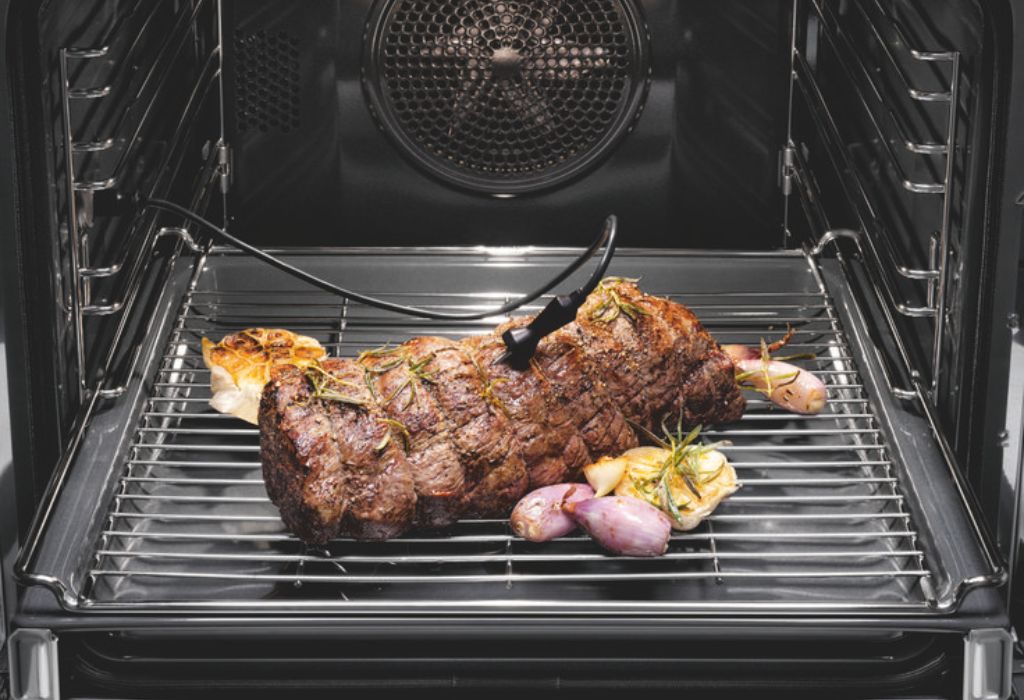
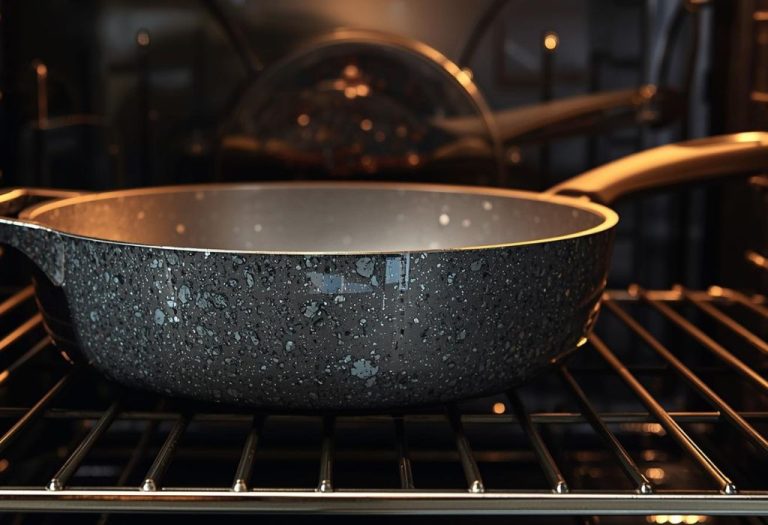
Pan type directly affects roasting results. Heavy metal pans retain heat evenly and support strong browning. Thin pans create hot spots and irregular color.
Crowding the pan traps moisture and creates steaming instead of roasting. Food must be spaced with airflow around each piece.
Racks elevate food above pan drippings, improving air circulation and promoting even roasting. This is ideal for whole poultry and large cuts of meat.
Moisture control is essential. Too much liquid in the pan prevents browning. Small amounts of oil enhance heat transfer and flavor.
Proper pan choice and moisture balance amplify correct oven temperature for superior roasting results.
Common Roasting Temperature Mistakes and How to Fix Them
Burned exterior with raw interior indicates excessive oven temperature. Lower heat and extend cooking time.
Pale food with no browning indicates insufficient oven temperature or overcrowding. Increase heat or spread food out.
Dry meat usually results from over-roasting at high heat. Lower temperature slightly and monitor internal doneness.
Uneven roasting often comes from inaccurate oven calibration. Use an oven thermometer to correct dial error.
Mistakes are not failures. They are temperature signals that help fine-tune your roasting method.
Perfect Roasting Heat Common Questions
What is the standard roasting temperature for most foods?
Most foods roast best between 375°F and 425°F depending on thickness and type.
Is 350°F too low for roasting?
350°F works for large roasts and long cooks but produces weaker browning.
Is 450°F too hot for roasting?
450°F is excellent for vegetables and thin meats but risky for large roasts.
Why does my roasted food turn dry?
Dryness usually comes from excessive heat or overcooking time.
Should I always preheat the oven for roasting?
Yes, preheating is essential for proper browning and structure.
Does convection change roasting temperatures?
Yes, reduce temperature by 25°F when using convection.
Can I roast different foods together at the same temperature?
Only if their ideal temperature ranges overlap closely.
Why are my vegetables soggy instead of crispy?
The oven temperature is too low or the pan is overcrowded.
What internal temperature means food is fully roasted?
It varies by meat, but most finish between 145°F and 165°F.
Is resting important after roasting?
Yes, resting allows juices to redistribute and improves texture.
Conclusion
The ideal oven temperature for roasting is not a single fixed number. It is a flexible range that changes based on food type, size, thickness, and desired texture. Mastering roasting means understanding how heat interacts with moisture, fat, and structure at every stage of cooking.
This guide has shown how general roasting zones work, why temperature matters more than time, and how different foods respond to low, medium, and high roasting heat. From crispy vegetables at 425°F to slow pork shoulder at 300°F, temperature selection defines success.
Mistakes like burning, dryness, and pale surfaces are not mysteries. They are signals that the temperature needs adjustment. With experience, your oven becomes a predictable tool rather than a guessing game.
When you control roasting temperature with confidence, every meal gains deeper flavor, perfect texture, and consistent results. Roasting becomes not just cooking, but precision craftsmanship in the kitchen.

I’m Emma J. Caldwell, the founder, lead writer, and home-cooking enthusiast behind KitchenGuideCo.com. With a background in culinary arts and over a decade of cooking experience in both professional and personal kitchens, I created this platform to demystify recipes, offer smart kitchen gadget reviews, and guide readers through meal prep with confidence and clarity.