It starts as a small puddle under your dishwasher. You wipe it up, assuming it’s just a spill, but the next morning it’s back — a little bigger. Days later, your hardwood floor buckles, and a musty odor creeps through the kitchen. That’s when you realize the leak wasn’t harmless after all.
Dishwasher leaks can cause extensive damage in just a few days, especially if they seep into flooring, subfloors, or cabinetry. Repairing this kind of damage can cost thousands of dollars. Naturally, most homeowners turn to their insurance provider, hoping the policy will cover it.
But whether or not you’re covered depends on how the damage happened. Insurance companies treat water damage differently based on whether it’s sudden or gradual.
This guide explains everything — what’s covered, what’s not, and how to handle claims when your dishwasher becomes an unexpected source of flooding.
Understanding How Homeowners Insurance Handles Water Damage
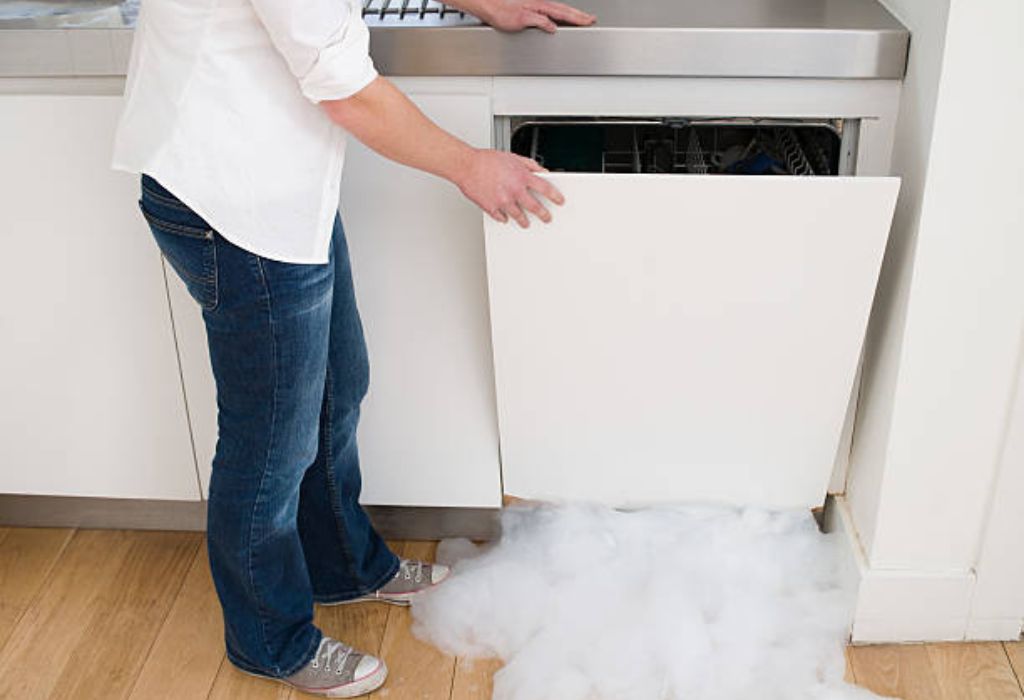
Homeowners insurance typically protects against sudden and accidental water damage. This means if your dishwasher suddenly bursts, leaks unexpectedly, or malfunctions overnight, you may be covered for the repairs.
However, policies usually exclude gradual damage — that is, slow leaks that occur over time due to wear, corrosion, or poor maintenance. Insurers consider that kind of damage preventable.
For example, if a hose snaps suddenly and floods your kitchen, your policy likely covers it. But if that hose had been leaking for weeks without repair, coverage is unlikely.
Most standard policies include dwelling coverage (for structural damage) and personal property coverage (for ruined belongings). Both can apply to dishwasher-related incidents if the event meets the “sudden and accidental” criteria.
Understanding this distinction is key to determining whether your claim will succeed or be denied.
Does insurance cover dishwasher leaks automatically?
No, only if the leak was sudden, accidental, and not caused by poor maintenance or neglect.
What type of insurance policy covers water damage?
A standard HO-3 homeowners policy typically includes coverage for sudden water damage.
Can insurance cover both the floor and dishwasher?
It covers structural damage and affected items, but not necessarily the appliance itself.
What Types of Dishwasher Leaks Are Usually Covered
Insurance generally covers dishwasher leaks that occur from broken hoses, faulty valves, or sudden mechanical failures. These events are considered accidental and unforeseeable.
If a supply line bursts or the pump fails suddenly, flooding your kitchen, most insurers will help pay for repairs. That includes damage to flooring, cabinets, baseboards, and sometimes nearby rooms.
Coverage also often extends to cleanup and drying services, especially if mold prevention is necessary. This is part of what’s known as water mitigation coverage.
However, the dishwasher itself — the source of the damage — may not be replaced unless you have extended appliance coverage or a separate home warranty.
If the leak was hidden behind walls or under flooring but discovered only after visible damage appeared, your adjuster will look closely at whether the damage appears old or recent. That assessment often determines whether it qualifies as sudden.
Are supply line bursts always covered?
Yes, as long as they break suddenly and cause immediate water damage.
What if the leak came from the dishwasher door seal?
If it failed suddenly, it might be covered. If it wore out gradually, likely not.
Does insurance pay for professional water cleanup?
Yes, most policies include coverage for water extraction and drying to prevent mold.
What Water Damage from Dishwashers Is Not Covered
Insurance doesn’t cover everything related to dishwasher leaks. Damage caused by neglect, slow drips, or installation errors is almost always excluded.
If you noticed a small leak weeks earlier but didn’t fix it, insurers may deny your claim for failure to maintain your appliance. Similarly, if the damage resulted from an improperly installed hose or aftermarket part, coverage is unlikely.
Long-term leaks that cause mold growth, rotting subfloors, or warped cabinets are generally classified as maintenance-related. Insurers consider these preventable with routine inspection.
Another common exclusion involves “seepage,” meaning water that leaks continuously over time without detection. Even if you were unaware of it, the slow nature of the damage may make it ineligible for coverage.
These exclusions highlight why prompt attention to leaks is crucial. Even small signs of moisture should be treated seriously before they turn into costly denials.
Does insurance cover mold from dishwasher leaks?
Only if the mold resulted from a covered sudden water event. Long-term mold growth isn’t covered.
What if the leak was caused by an old hose?
Wear and tear isn’t covered — replacing worn parts is considered homeowner maintenance.
Can poor installation void coverage?
Yes, damage caused by improper installation or DIY setup is typically excluded.
Filing a Water Damage Claim After a Dishwasher Leak
If you believe the damage qualifies for coverage, act quickly to preserve evidence and prevent further loss.
Start by shutting off the water supply to stop the leak. Take photos and videos of the affected area before any cleanup. Document visible damage to flooring, walls, and cabinets. These visuals serve as critical proof when filing your claim.
Next, contact your insurance company to report the incident. Provide a clear timeline of what happened and emphasize that the leak was sudden and accidental.
An adjuster will inspect the damage to determine if it matches the description. Be prepared to show receipts for appliance maintenance, as these can demonstrate proper care and help prove the leak was unexpected.
If approved, your insurer will pay for repairs to the affected areas and, in some cases, temporary relocation if the kitchen becomes unusable during restoration.
Should I file a claim for minor leaks?
Only if the cost of repair exceeds your deductible. Small fixes may not justify a claim.
Do I need to keep the broken hose or parts?
Yes, store them safely — they serve as physical evidence of sudden failure.
How long do I have to file a claim?
Most insurers require notification within 30 to 60 days of discovering the damage.
How Insurance Adjusters Determine Coverage
Insurance adjusters evaluate water damage by examining the source, severity, and timing of the event. Their goal is to determine whether the incident was sudden or gradual.
They often look for signs like staining patterns, mold growth, or warped flooring. A fresh burst leaves clean edges and immediate saturation, while slow leaks leave discoloration and long-term deterioration.
The adjuster may also inspect the dishwasher’s connections, hoses, and pump to confirm whether the failure was mechanical or due to neglect.
If necessary, they may use moisture meters or thermal cameras to identify hidden water damage behind walls or under tiles.
Once the assessment is complete, they’ll prepare an estimate of repair costs and submit it for claim approval. Clear documentation and prompt reporting greatly increase your chances of a favorable decision.
Can I request a second opinion if denied?
Yes, you can ask for an independent adjuster or appeal through your insurer.
Do adjusters cover mold testing?
Only if mold resulted from a covered water event. Preventive mold treatment may also be included.
Should I be present during the inspection?
Yes, to answer questions and ensure all damage areas are properly reviewed.
Preventing Dishwasher Leaks Before They Start
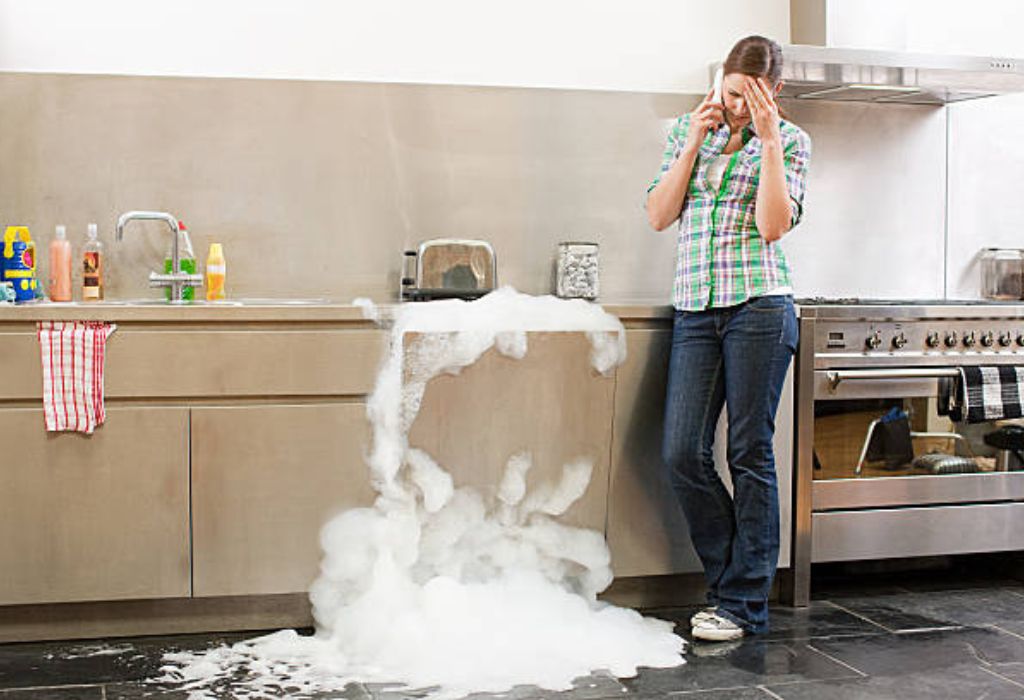
The easiest way to avoid insurance claims is through regular maintenance and early leak detection. Dishwashers usually show warning signs before a major failure.
Inspect hoses and fittings every few months. Replace any that feel brittle, bulging, or cracked. Use only manufacturer-approved parts and ensure secure connections.
Keep the filter clean to prevent clogs that can cause backflow or door-seal leaks. Always load dishes correctly so large items don’t block spray arms and force water against the door gasket.
Installing a leak detection sensor under your dishwasher is another smart precaution. Many modern sensors can send alerts to your phone when they detect moisture early.
Finally, turn off the water supply valve if you’re leaving home for an extended period. This simple step can prevent catastrophic leaks while you’re away.
How long do dishwasher hoses last?
Most last 5 to 7 years before needing replacement.
Is a stainless steel braided hose better?
Yes, it’s more durable and resistant to bursts compared to rubber hoses.
Do leak detectors really work?
Yes, they can detect moisture immediately and alert you before major damage occurs.
Cost of Dishwasher Water Damage Repairs
Repair costs can vary widely depending on how extensive the damage is and which materials are affected.
Minor leaks caught early might cost around $200 to $400 to fix, including drying and replacing a few tiles. But significant water damage under hardwood or cabinetry can exceed $3,000 to $8,000.
If the water seeps beneath subflooring, professionals may need to remove sections, replace insulation, and install dehumidifiers to prevent mold. This adds hundreds or even thousands to total repair costs.
Insurance usually covers these repairs when the damage results from a covered event. However, you’re still responsible for the deductible amount, which can range from $500 to $1,500 depending on your policy.
Understanding your coverage limits and deductible before an incident helps you plan financially and act quickly during emergencies.
Will insurance pay for replacing my dishwasher?
Only if you have additional appliance coverage or a home warranty — standard policies don’t cover the appliance itself.
How long does drying water-damaged floors take?
Typically 3 to 5 days with professional equipment.
Can I repair water damage myself?
Small surface areas, yes — but for subfloor or drywall damage, professional help is best.
Conclusion
Dishwasher leaks may seem minor at first, but they can cause expensive damage if unnoticed. Whether your homeowners insurance covers it depends entirely on how and why it happened. Sudden, accidental bursts are usually covered, while slow leaks and neglect are not.
Knowing what your policy includes — and acting quickly when water appears — can save you thousands in repairs and stress. Keep photos, maintenance records, and a clear timeline whenever you file a claim.
Most importantly, prevention is the best protection. Regular inspections, leak detectors, and high-quality hoses reduce the chance of unexpected damage. By combining smart maintenance with a well-understood insurance policy, you can keep both your kitchen and your finances safe from water disasters.

I’m Emma J. Caldwell, the founder, lead writer, and home-cooking enthusiast behind KitchenGuideCo.com. With a background in culinary arts and over a decade of cooking experience in both professional and personal kitchens, I created this platform to demystify recipes, offer smart kitchen gadget reviews, and guide readers through meal prep with confidence and clarity.