Cast iron cookware has been a trusted kitchen companion for centuries, celebrated for its durability, heat retention, and versatility. From perfectly seared steaks to slow-cooked stews, cast iron enhances the flavor and quality of meals.
Despite its popularity, many home cooks ask: Is all cast iron cookware the same? Differences in material composition, manufacturing processes, and design can significantly impact cooking performance, durability, and maintenance.
Hook 1: Budget-friendly and premium cast iron cookware may look similar, but performance and longevity can vary dramatically.
Hook 2: Some pans require seasoning, while others come enameled and ready to use, affecting ease of use and long-term care.
Hook 3: Understanding the distinctions helps consumers make informed choices that optimize cooking results and safety in the kitchen.
According to Consumer Reports, properly maintained cast iron cookware can last for decades, providing excellent heat retention and even cooking (source). Additionally, enameled cast iron offers easy cleaning and rust resistance, making it a practical choice for busy home cooks (source).
Types of Cast Iron Cookware
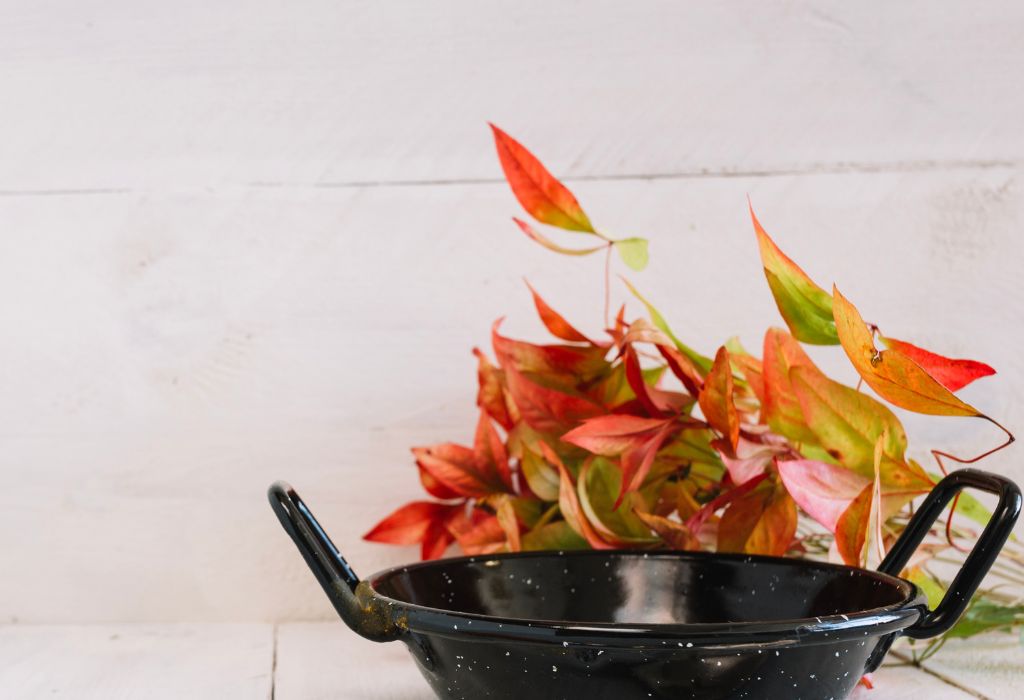
Cast iron cookware comes in several varieties, each with distinct features that affect performance, maintenance, and cooking experience. Understanding these types helps home cooks select the cookware that best fits their needs.
Traditional Cast Iron is made by pouring molten iron into molds, producing a heavy and durable pan that requires seasoning to develop a natural non-stick surface. With proper care, these pans improve over time, creating a smooth cooking surface that enhances flavor and reduces sticking.
Enameled Cast Iron features a porcelain enamel coating applied to the surface, eliminating the need for seasoning. The enamel layer protects the pan from rust, simplifies cleaning, and allows the cookware to handle acidic foods without reacting with the iron.
Pre-Seasoned Cast Iron comes with a layer of oil baked into the surface, providing a ready-to-use non-stick coating. This type is particularly appealing for beginners or those who want the benefits of traditional cast iron without the initial seasoning process.
Each type of cast iron cookware offers unique advantages and considerations. Traditional pans are highly durable and improve with age, enameled versions are low-maintenance and versatile, and pre-seasoned options provide convenience without compromising essential cast iron benefits.
By understanding the differences between traditional, enameled, and pre-seasoned cast iron, cooks can make informed decisions that optimize their cooking performance, ease of maintenance, and long-term satisfaction. Selecting the right type sets the foundation for enjoying all the advantages that cast iron cookware provides.
Material Composition
The composition of cast iron cookware significantly affects its performance, durability, and maintenance requirements. Different types of cast iron contain varying amounts of carbon and additional alloys, which influence hardness, heat retention, and resistance to wear.
Standard Cast Iron typically contains 2–4% carbon, providing excellent heat retention and a strong, durable surface. While it performs well for searing and slow-cooking, it can be prone to cracking if exposed to rapid temperature changes.
High-Carbon Cast Iron contains a higher percentage of carbon, increasing hardness and wear resistance. This makes it more durable over time, though it may require more attention to seasoning and care to maintain a smooth, non-stick surface.
Alloyed Cast Iron includes additional elements such as silicon, manganese, or nickel. These alloys enhance specific properties like corrosion resistance, strength, and thermal stability, allowing the cookware to perform reliably in a variety of cooking environments.
Understanding material composition helps cooks select cast iron cookware that meets their needs for heat retention, durability, and ease of maintenance. The choice of material also affects the pan’s weight, seasoning requirements, and how it reacts with different types of food.
By evaluating standard, high-carbon, and alloyed cast iron, home cooks can make informed decisions about which cookware will deliver the best combination of performance, longevity, and user convenience. This knowledge ensures every meal benefits from consistent heat and superior cooking results.
Manufacturing Processes
The method used to manufacture cast iron cookware has a direct impact on its durability, surface quality, and performance. Different production techniques can result in variations in weight, texture, and overall cooking experience.
Sand Casting is a traditional method where molten iron is poured into sand molds. This process is cost-effective and produces sturdy cookware, though the surface may be rougher and require more seasoning to achieve a smooth non-stick layer.
Die-Casting involves pouring molten iron into metal molds, resulting in cookware with smoother surfaces and more consistent shapes. While this method increases manufacturing precision, it is typically more expensive than sand casting.
Investment Casting, also known as lost-wax casting, allows for highly detailed designs and precise finishes. This process produces premium-quality cookware that is both durable and visually appealing but comes with a higher price point.
The choice of manufacturing process affects how the cookware performs in the kitchen, including heat distribution, ease of seasoning, and maintenance requirements. Understanding these methods helps cooks select cookware that aligns with their cooking style and long-term expectations.
By considering sand casting, die-casting, and investment casting, consumers can better understand why cast iron cookware varies in performance and quality, even when made from the same base material. This knowledge aids in making informed choices when investing in cast iron for everyday cooking.
Performance and Durability
The performance and durability of cast iron cookware are influenced by material composition, manufacturing process, and surface treatment. Understanding these factors helps home cooks choose cookware that meets their cooking needs and lasts for years.
Heat Retention is one of the most significant advantages of cast iron cookware. Thick, high-quality pans retain heat evenly, making them ideal for searing meats, baking, and slow-cooking dishes that require consistent temperatures.
Surface Texture affects cooking performance and maintenance. Smoother surfaces allow for easier cleaning and more effective seasoning, while rougher textures may require additional effort to maintain a non-stick layer.
Weight plays a role in both cooking and handling. Heavier pans retain heat better but can be cumbersome, while lighter pans are easier to maneuver but may not offer the same level of thermal stability.
Proper care, including seasoning and correct cleaning methods, enhances both performance and longevity. With regular maintenance, cast iron cookware can last decades, maintaining heat retention, non-stick properties, and overall durability.
By considering heat retention, surface texture, and weight, home cooks can select cast iron cookware that delivers consistent performance. This ensures reliable results in the kitchen while maximizing the lifespan of the cookware.
Care and Maintenance
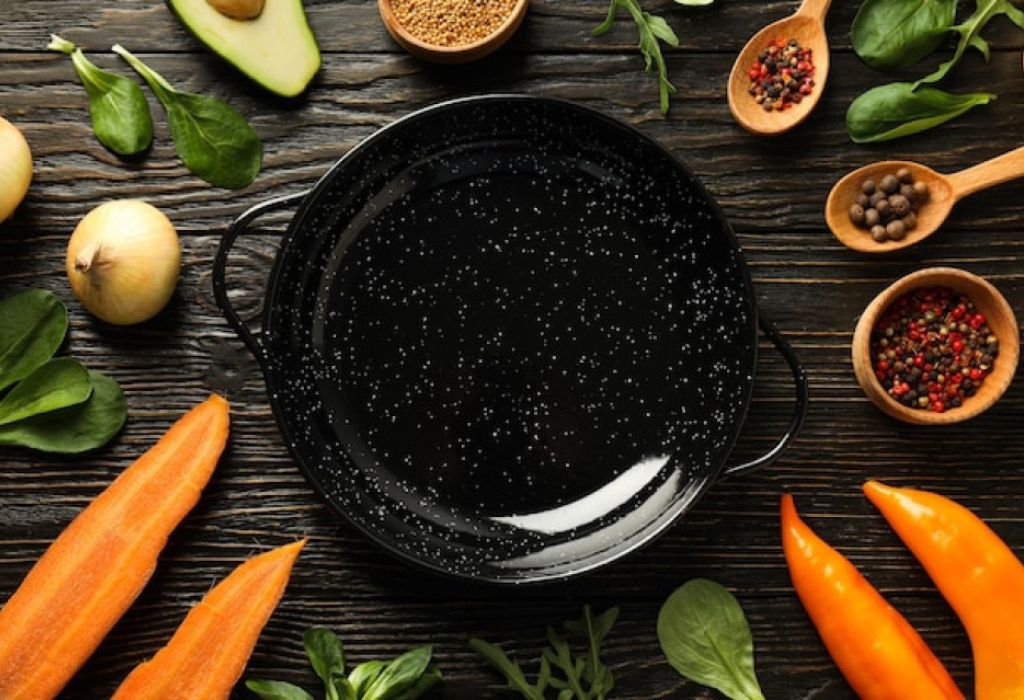
Proper care and maintenance are essential to ensure cast iron cookware delivers optimal performance and longevity. Consistent cleaning, seasoning, and storage practices help preserve the non-stick surface and prevent rust.
Seasoning is key for traditional cast iron cookware. Applying a thin layer of oil and heating the pan creates a protective coating that enhances non-stick properties and prevents corrosion over time.
Cleaning should avoid harsh detergents, which can strip seasoning. Instead, use warm water and a stiff brush to remove food residue, and for tough spots, boil a small amount of water to loosen stuck-on particles.
Storage in a dry environment prevents moisture-related damage. Many cooks place a paper towel inside the pan to absorb residual moisture and maintain the cookware’s integrity.
Following these care practices ensures that cast iron cookware remains safe, effective, and long-lasting. With proper maintenance, even budget-friendly or pre-seasoned pans can provide years of reliable cooking performance.
Brand Comparisons
Not all cast iron cookware is created equal, and brand selection can impact quality, performance, and ease of use. Comparing popular brands helps consumers make informed choices based on their cooking needs and budget.
Lodge is a well-known American brand that offers affordable, pre-seasoned cast iron cookware. Their products are praised for durability, even heat retention, and suitability for a wide range of cooking tasks.
Le Creuset specializes in enameled cast iron cookware with vibrant colors and high-quality finishes. While premium-priced, their cookware provides excellent heat distribution, easy cleaning, and resistance to rust.
Staub, a French brand, produces enameled cast iron cookware favored in professional kitchens. Known for superior heat retention and moisture retention, Staub cookware delivers consistent cooking results and long-term durability.
Understanding brand differences helps home cooks select cookware that aligns with their priorities, whether affordability, aesthetics, or professional-grade performance. Even among high-quality brands, variations in material, manufacturing, and enamel finish can affect maintenance, cooking results, and overall satisfaction.
By evaluating options like Lodge, Le Creuset, and Staub, consumers can choose cast iron cookware that balances cost, performance, and long-term value. This ensures reliable performance and enhances the cooking experience for years to come.
Common Issues and How to Avoid Them
Even high-quality cast iron cookware can face challenges if not used or maintained properly. Awareness of common issues ensures that cookware remains safe, effective, and long-lasting.
Rust Formation occurs when moisture is left on the surface. Drying the cookware immediately after washing and applying a thin layer of oil prevents corrosion and preserves the non-stick properties.
Enamel Chipping can happen due to sudden temperature changes or use of metal utensils. Using wooden, silicone, or plastic utensils and avoiding rapid heating or cooling helps maintain the enamel layer.
Food Sticking is a common problem with improperly seasoned or unmaintained cast iron. Regular seasoning and proper care of bare spots help prevent sticking and maintain safe, non-toxic cooking surfaces.
Warping or Cracking may occur with thin pans exposed to extreme heat. Choosing cookware with adequate thickness and avoiding thermal shocks extends its usability and preserves structural integrity.
By understanding these common issues and implementing preventive measures, home cooks can maximize the longevity and performance of their cast iron cookware. Proper maintenance ensures consistent cooking results and protects both the surface and material integrity.
Comparing Cast Iron Cookware to Other Cookware Types
Cast iron cookware is often compared to stainless steel, non-stick, and aluminum pans due to differences in performance, maintenance, and cooking results. Understanding these distinctions helps home cooks choose the best tool for their kitchen.
Stainless Steel is lighter and easier to handle but lacks the heat retention of cast iron. While it’s ideal for boiling and sautéing, it does not develop the same naturally non-stick surface or improve with age like seasoned cast iron.
Non-Stick Cookware offers convenience and easy cleanup but is generally less durable. Coatings can wear off over time and may release chemicals when overheated, unlike cast iron, which is chemical-free when properly seasoned.
Aluminum Cookware heats quickly and is lightweight, but it lacks the thermal stability of cast iron. It cannot maintain high, even heat for searing or slow-cooking, which are hallmarks of cast iron performance.
Cast iron stands out for its versatility, durability, and ability to retain heat evenly. Its ability to improve with proper seasoning and withstand high temperatures makes it unique compared to stainless steel, non-stick, or aluminum alternatives.
By comparing cast iron with other cookware types, consumers can make informed decisions based on cooking style, convenience, and long-term durability. This ensures the selected cookware meets both daily use and culinary expectations.
Tips for Choosing the Right Cast Iron Cookware
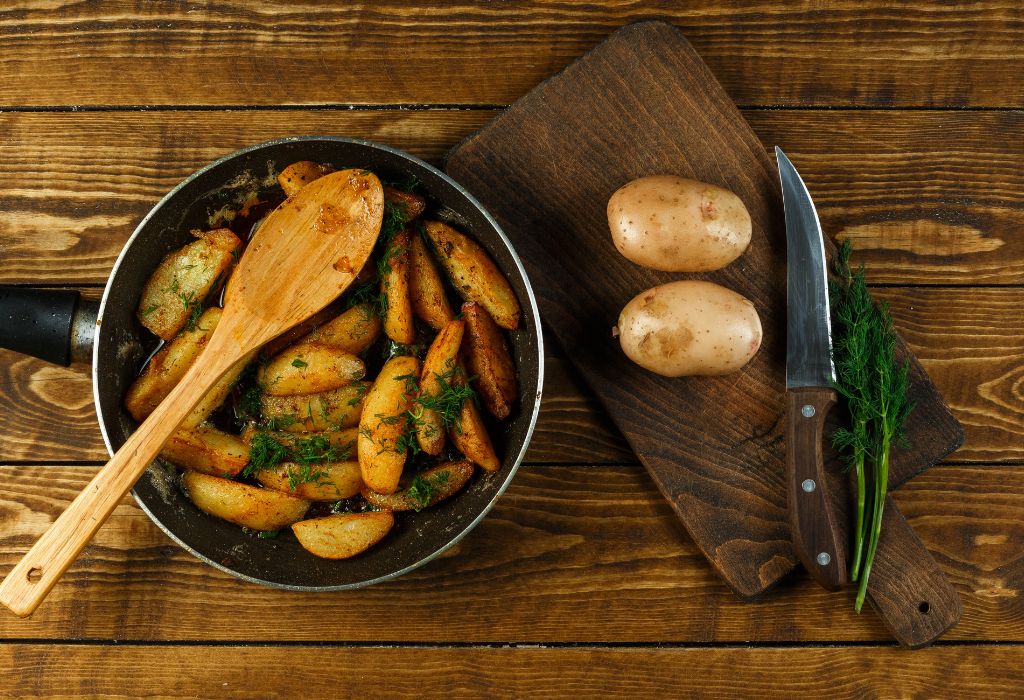
Selecting the right cast iron cookware involves evaluating material, type, size, and intended use. Understanding these factors ensures the cookware meets cooking performance, maintenance, and longevity needs.
Consider the Material based on your cooking style. Standard cast iron is durable and traditional, high-carbon cast iron offers extra hardness and wear resistance, and alloyed cast iron provides enhanced corrosion resistance and strength.
Choose the Type that fits your convenience and maintenance preference. Traditional cast iron requires seasoning, enameled cast iron is low-maintenance, and pre-seasoned cookware offers ready-to-use convenience.
Evaluate Size and Weight for everyday usability. Larger pans suit family meals and slow-cooked dishes, while smaller pans are easier to handle for single servings. The pan’s weight affects heat retention and maneuverability.
Check the Brand and Finish to ensure quality. Trusted brands like Lodge, Le Creuset, and Staub offer consistent performance, durable finishes, and varying price points suitable for different budgets.
Considering these factors helps home cooks make informed choices, ensuring the selected cast iron cookware provides excellent heat retention, durability, and cooking versatility. Proper selection enhances the overall cooking experience and long-term satisfaction.
Conclusion
Cast iron cookware is not a one-size-fits-all solution. Differences in material composition, manufacturing methods, surface type, and brand significantly influence performance, durability, and maintenance requirements.
Traditional, enameled, and pre-seasoned varieties each offer unique benefits, from superior heat retention to low-maintenance convenience. Understanding these differences allows home cooks to select cookware that aligns with their cooking style and long-term needs.
Proper care, including seasoning, cleaning, and storage, ensures that cast iron cookware maintains its non-stick surface and lasts for decades. Paying attention to common issues, such as rust, enamel chipping, and food sticking, further enhances longevity and performance.
By evaluating types, materials, manufacturing processes, and brands, consumers can make informed choices that maximize cooking results and durability. Choosing the right cast iron cookware elevates both everyday meals and special recipes, providing consistent performance and long-term value.

I’m Emma J. Caldwell, the founder, lead writer, and home-cooking enthusiast behind KitchenGuideCo.com. With a background in culinary arts and over a decade of cooking experience in both professional and personal kitchens, I created this platform to demystify recipes, offer smart kitchen gadget reviews, and guide readers through meal prep with confidence and clarity.