Nonstick cookware has revolutionized home kitchens, making cooking and cleanup faster and easier. Yet, many consumers wonder whether these convenient pans are truly safe for daily use.
All-Clad is a brand synonymous with high-quality cookware, but questions remain about the safety of their nonstick lines. Understanding the materials and chemicals used in these products is essential for making informed choices.
Concerns about PTFE, PFOA, and other synthetic coatings have grown as research links chemical exposure to potential health risks. Studies indicate that long-term exposure to some nonstick chemicals may affect liver function and hormone balance (CDC, 2023).
Even with popular brands like All-Clad, shoppers must navigate complex labeling and claims. Terms like “PFOA-free” and “PTFE-free” do not always guarantee a completely chemical-free product.
Choosing safe cookware goes beyond convenience; it impacts long-term health and environmental sustainability. With proper knowledge, consumers can enjoy nonstick benefits without compromising safety.
What Is All-Clad Nonstick Cookware Made Of?
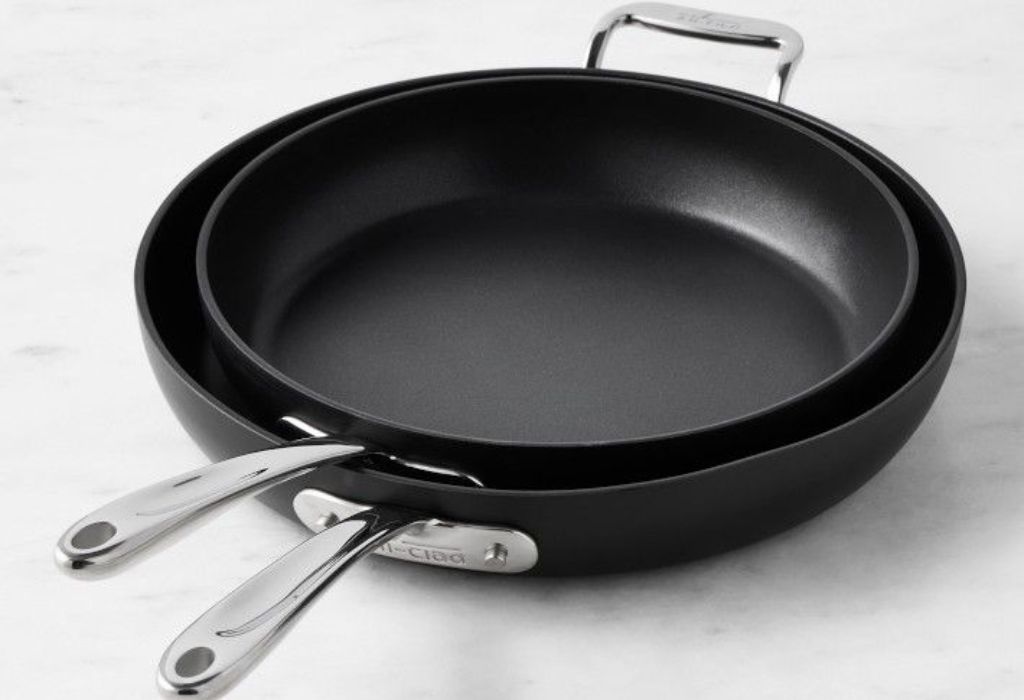
All-Clad nonstick cookware is designed with high-quality materials that enhance cooking performance and durability. Most pans in their nonstick line feature a hard-anodized aluminum core, which provides even heat distribution and long-lasting strength.
The nonstick coating is typically made from PTFE, a synthetic material that prevents food from sticking. Some lines are also marketed as PFOA-free, meaning the pans were manufactured without this specific chemical.
Handles are usually stainless steel, securely riveted to the pan for stability and ease of use. The combination of aluminum and stainless steel ensures both efficient heat conduction and safe handling during cooking.
All-Clad follows strict manufacturing standards to maintain consistency, durability, and performance across its products. Many of their nonstick lines undergo rigorous testing to meet industry safety certifications and comply with regulatory guidelines.
The company emphasizes quality construction and long-term usability, making their cookware a popular choice among home cooks and professional chefs alike. By understanding the materials and design, consumers can make informed decisions regarding both performance and safety.
Are All-Clad Nonstick Pans Free from Harmful Chemicals?
All-Clad nonstick cookware is generally manufactured to minimize exposure to harmful chemicals. Many lines are advertised as PFOA-free, indicating that this specific chemical was not used during production.
The nonstick surface, typically made of PTFE, is considered stable under normal cooking temperatures. However, overheating the pan beyond recommended limits can break down the coating and release fumes, which may be harmful if inhaled.
PFAS, a broader class of chemicals that includes PFOA, has raised health concerns due to their persistence in the body and environment. Although All-Clad nonstick products are produced under strict safety standards, cautious use and adherence to temperature guidelines are advised.
Consumer reports and expert reviews highlight that while the cookware is generally safe when used correctly, damaged or excessively worn pans may pose higher risks. Understanding the limits of nonstick coatings helps consumers use these pans safely while minimizing chemical exposure.
By combining proper use with awareness of materials and safety standards, All-Clad nonstick cookware can offer convenience without significant health concerns. This knowledge empowers consumers to cook efficiently while maintaining a safer kitchen environment.
How to Use All-Clad Nonstick Cookware Safely
Proper usage is key to maximizing safety and longevity of All-Clad nonstick cookware. Avoid heating pans above recommended temperatures, as excessive heat can break down the coating and release fumes.
Using appropriate utensils helps prevent scratches and damage to the nonstick surface. Wooden, silicone, or plastic utensils are recommended to maintain the integrity of the coating.
Cleaning also plays a critical role in safe usage. Hand washing with mild detergents preserves the nonstick layer, while harsh scrubbing or abrasive cleaners can cause deterioration.
Regular inspection of the pan for chips, scratches, or other damage ensures safe cooking. Damaged pans are more likely to release chemicals into food, so replacement is advised if the surface is compromised.
By following these guidelines, consumers can enjoy the convenience of All-Clad nonstick cookware while minimizing chemical exposure. Proper care extends both the safety and lifespan of the cookware, making it a reliable choice for everyday cooking.
Cleaning and Maintenance Tips for All-Clad Nonstick Cookware
Proper cleaning and maintenance are crucial for keeping All-Clad nonstick cookware safe and performing well. Hand washing with mild dish soap and a soft sponge prevents scratches that can damage the nonstick coating. Harsh scrubbers or abrasive cleaners may compromise the surface, reducing both durability and safety.
Regular inspection of the cookware ensures that minor wear does not turn into a significant problem. Small scratches or peeling on the nonstick surface can increase chemical exposure if the pan is used while damaged. Replacing worn or heavily scratched pans helps maintain safety and optimal cooking performance.
Careful storage further prolongs the life of nonstick cookware. Using protective liners when stacking pans, hanging them on racks, or avoiding heavy items on top prevents accidental damage. Utensils should be chosen carefully, with wooden, silicone, or plastic options preferred over metal to protect the coating.
Following manufacturer-specific maintenance guidelines, including periodic deep cleaning and light reconditioning where recommended, ensures that the nonstick surface remains effective. Adopting these practices helps users enjoy the convenience of nonstick cookware while minimizing health risks and maximizing durability over time.
Environmental Impact of Nonstick Cookware
Nonstick cookware has environmental consequences primarily due to chemical coatings such as PTFE and PFOA. These substances are highly persistent and resistant to natural degradation, which means they can accumulate in landfills and waterways over time, contributing to long-term pollution. Manufacturing processes can also release emissions harmful to ecosystems.
Choosing PFAS-free alternatives, or materials like ceramic, stainless steel, and cast iron, reduces chemical exposure and environmental impact. These options are safer to manufacture, often recyclable, and can be reused over longer periods without the risks associated with traditional nonstick coatings.
Proper disposal of cookware is another important factor. Instead of discarding old pans into general waste, recycling or repurposing them can limit chemical release and reduce landfill accumulation. Consumers who select sustainable options encourage manufacturers to adopt greener production methods.
By understanding the environmental impact of nonstick cookware, consumers can make decisions that protect both their health and the planet. Combining careful use, maintenance, and responsible disposal helps create a sustainable kitchen while minimizing ecological harm.
Alternatives to All-Clad Nonstick Cookware
Consumers seeking nonstick performance without potential chemical concerns have several safe alternatives. Ceramic-coated cookware provides a naturally nonstick surface without PFAS, PTFE, or PFOA, though the coating may wear faster than traditional nonstick.
Stainless steel pans offer a chemical-free cooking surface and excellent heat conduction. While food may stick without proper oiling or preheating, stainless steel is highly durable and safe for long-term use.
Cast iron cookware is another popular alternative, naturally nonstick when seasoned and highly durable. It requires maintenance, such as seasoning and careful cleaning, but provides excellent heat retention and chemical-free cooking.
Carbon steel is similar to cast iron but lighter in weight and also develops a naturally nonstick surface with seasoning. This makes it a versatile option for both home cooks and professional chefs.
Choosing these alternatives allows consumers to maintain cooking convenience while reducing exposure to synthetic chemicals. Each material has unique benefits, and selecting the right one depends on personal preferences, cooking habits, and safety considerations.
Consumer Reviews and Experiences
All-Clad nonstick cookware has generally received positive feedback from consumers for its performance and durability. Many users praise the even heat distribution, easy food release, and high-quality construction.
Common complaints usually relate to the longevity of the nonstick coating. Over time, heavy use, improper cleaning, or overheating can reduce the effectiveness of the nonstick surface.
Durability is often highlighted as a strong point, with consumers noting that the aluminum core and stainless steel handles contribute to long-term stability. Proper care, such as hand washing and avoiding metal utensils, helps maintain performance.
Customer service and warranty support also enhance user confidence. All-Clad provides guidance on maintenance and replacements for defective or worn products, which adds value to the purchase.
Overall, reviews suggest that when used according to recommended guidelines, All-Clad nonstick cookware delivers reliable performance and meets the expectations of both casual cooks and experienced chefs.
Conclusion
All-Clad nonstick cookware offers high-quality construction, even heat distribution, and easy food release, making it a popular choice for home cooks and professionals. Understanding the materials, coatings, and safe usage guidelines ensures that these pans can be used with minimal health risks.
Following proper care—such as avoiding overheating, using recommended utensils, and hand washing—prolongs the lifespan of the cookware and reduces chemical exposure. For those seeking extra assurance, PFAS-free alternatives like ceramic, cast iron, or stainless steel provide chemical-free options without sacrificing performance.
By combining knowledge of materials, maintenance, and safe cooking practices, consumers can enjoy the convenience of nonstick cookware while protecting their health. Making informed decisions empowers cooks to create a safer, more sustainable kitchen environment.

I’m Emma J. Caldwell, the founder, lead writer, and home-cooking enthusiast behind KitchenGuideCo.com. With a background in culinary arts and over a decade of cooking experience in both professional and personal kitchens, I created this platform to demystify recipes, offer smart kitchen gadget reviews, and guide readers through meal prep with confidence and clarity.