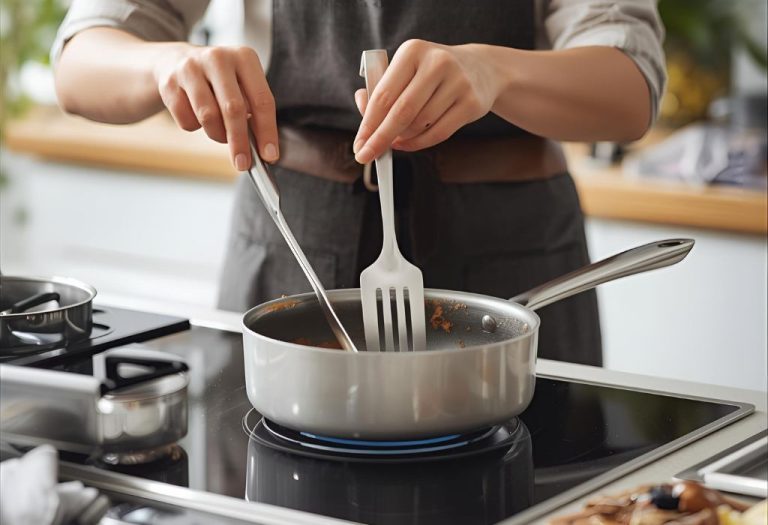
Aluminum ceramic nonstick cookware has become a popular choice in modern kitchens. Its combination of lightweight aluminum and smooth ceramic coating promises easy cooking and effortless cleanup.
Many consumers, however, wonder if these pans are truly safe for daily use. Concerns about chemical coatings, overheating, and potential leaching have raised questions among health-conscious cooks.
Ceramic coatings are often marketed as non-toxic and free from PTFE and PFOA, but not all products meet the same safety standards. Research shows that more than 200 cookware products were found to contain PFAS chemicals, highlighting the importance of choosing verified safe options (Environmental Working Group).
The allure of aluminum ceramic nonstick pans lies in their promise of healthy cooking without the hassle of food sticking to the surface. They offer even heat distribution, reduced oil usage, and simple cleaning, making them ideal for busy kitchens and professional chefs alike.
Understanding the materials, manufacturing process, and safety guidelines is crucial before investing in these pans. Proper knowledge helps consumers avoid potential health risks while still enjoying the benefits of nonstick convenience.
What Is Aluminum Ceramic Nonstick Cookware?
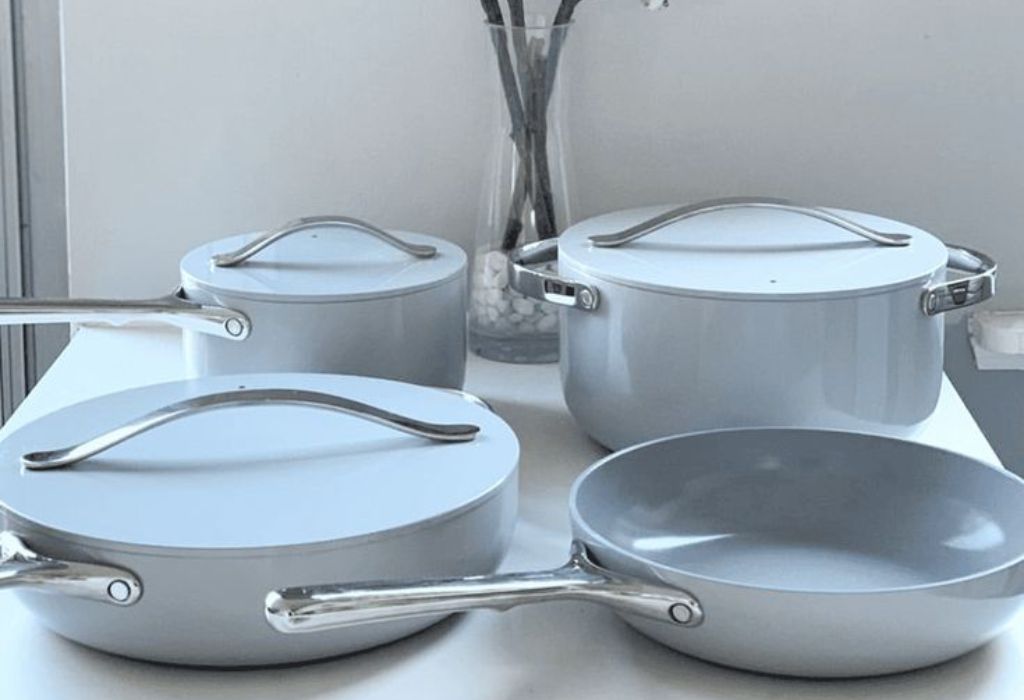
Aluminum ceramic nonstick cookware combines a lightweight aluminum base with a ceramic coating, offering an effective alternative to traditional nonstick pans. The aluminum core provides excellent heat conduction, ensuring even cooking and minimizing hot spots during food preparation.
The ceramic coating is typically made from silica derived from natural minerals, creating a smooth, nonstick surface without relying on synthetic chemicals like PTFE or PFOA. This makes aluminum ceramic pans appealing to health-conscious consumers who want to reduce chemical exposure in their daily cooking.
Manufacturers often use advanced sol-gel processes to bond the ceramic layer to the aluminum, creating a durable, scratch-resistant surface. Properly applied, the coating can withstand high temperatures and frequent use while maintaining its nonstick properties.
Many brands producing aluminum ceramic cookware adhere to strict safety standards and certifications. These standards ensure the products are free from harmful substances such as PFAS, making them suitable for home and professional kitchens alike.
The combination of lightweight aluminum and non-toxic ceramic provides several advantages. Pans are easier to handle compared to heavier options like cast iron, they heat quickly, and food releases effortlessly, reducing the need for excessive oil.
Understanding the materials and construction of aluminum ceramic nonstick cookware helps consumers make informed decisions and choose products that balance performance, convenience, and safety.
Are Aluminum Ceramic Nonstick Cookware Safe?
Aluminum ceramic nonstick cookware is generally considered safe when used according to manufacturer guidelines. Unlike traditional nonstick pans that may contain PTFE or PFOA, ceramic coatings are free from these harmful chemicals, reducing potential health risks.
When heated properly and used without metal utensils, the ceramic layer does not release toxic fumes or leach harmful substances into food. Overheating or using damaged pans can compromise the coating, so following temperature recommendations is essential.
Research indicates that properly maintained ceramic cookware does not pose significant chemical hazards during everyday cooking (Environmental Working Group). Consumers can enjoy nonstick convenience without the concerns commonly associated with traditional Teflon coatings.
Durability depends on careful use, cleaning, and storage. Scratched or chipped coatings may reduce performance and could potentially increase exposure to metals from the aluminum base, though risk remains minimal with proper care.
Overall, aluminum ceramic nonstick pans provide a safe and practical cooking solution. Awareness of materials, careful handling, and adherence to manufacturer instructions ensure these pans remain both effective and health-conscious, making them a suitable choice for daily cooking and professional kitchens alike.
Benefits of Aluminum Ceramic Nonstick Cookware
Aluminum ceramic nonstick cookware offers several advantages that make it popular among home cooks and professional chefs. The combination of a lightweight aluminum base and ceramic coating ensures even heat distribution, reducing hot spots and allowing food to cook uniformly.
The nonstick surface allows for healthier cooking with minimal oil or fat, making it ideal for those seeking low-fat or calorie-conscious meals. This feature also simplifies cleanup, as food residue rarely sticks to the smooth ceramic layer.
Durability is another key benefit when pans are properly cared for. The ceramic coating is resistant to scratches and can withstand frequent use without losing its nonstick properties.
Lightweight construction also makes these pans easy to handle, especially when compared to heavier alternatives like cast iron.
Aluminum ceramic cookware is generally free from PTFE, PFOA, and other potentially harmful chemicals, making it a safer choice for long-term use. Some brands also follow eco-friendly manufacturing processes, reducing environmental impact.
The combination of safety, performance, and convenience makes aluminum ceramic nonstick cookware a versatile choice for a wide range of cooking styles.
From sautéing vegetables to frying delicate fish, these pans provide consistent results while supporting health-conscious and environmentally responsible cooking practices.
Considerations Before Purchasing Aluminum Ceramic Nonstick Cookware
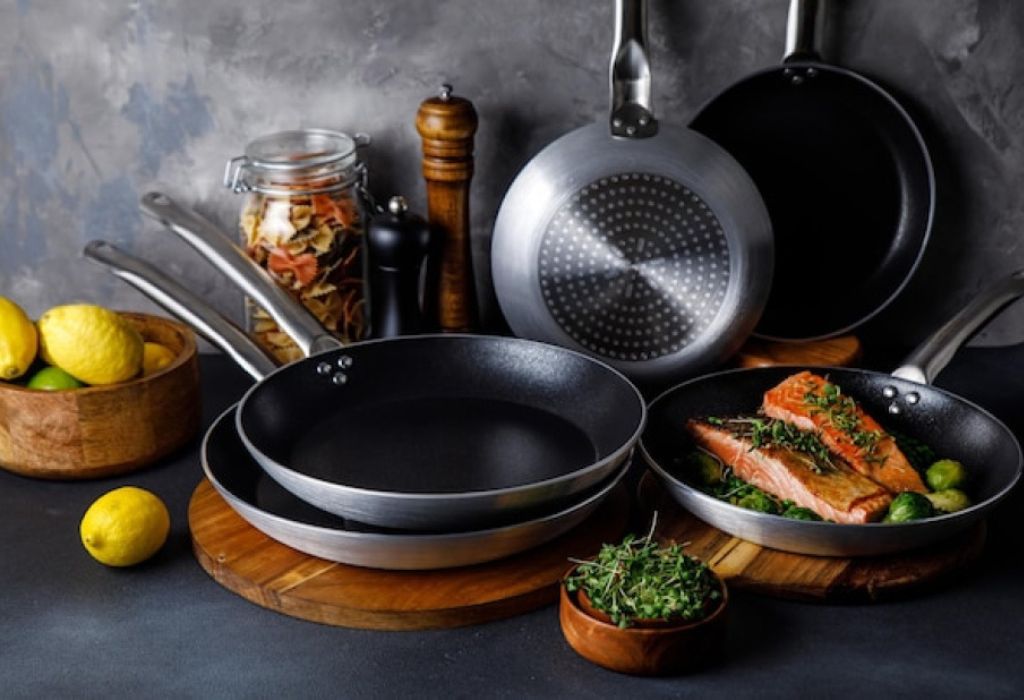
Before investing in aluminum ceramic nonstick cookware, several factors should be considered to ensure it meets your cooking needs.
Compatibility with your stovetop is important, especially for induction cooktops, as not all aluminum-based pans function effectively on magnetic surfaces.
Handle design and material also affect safety and comfort. Heat-resistant, ergonomic handles provide better grip and reduce the risk of burns, while poorly designed handles can compromise usability during cooking.
Oven safety is another factor to evaluate. Some aluminum ceramic pans can withstand moderate oven temperatures, but exceeding recommended limits may damage the ceramic coating and reduce its lifespan.
The durability and warranty offered by the manufacturer should also influence your purchase. Brands that provide warranties demonstrate confidence in the quality of their products and offer support in case of defects or premature wear.
Budget considerations are essential, as prices for aluminum ceramic cookware vary widely. Higher-end pans may provide longer-lasting coatings and better heat distribution, while more affordable options might require more careful handling to maintain performance.
Understanding these considerations allows consumers to make informed decisions that balance performance, safety, and value. Selecting the right aluminum ceramic nonstick cookware ensures a reliable, health-conscious, and convenient cooking experience in both home and professional kitchens.
How to Maintain Aluminum Ceramic Nonstick Cookware
Proper maintenance is essential to preserve the nonstick performance and safety of aluminum ceramic cookware. Hand washing with mild dish soap and a soft sponge is recommended, as abrasive cleaners or scrubbers can scratch the ceramic coating and reduce its lifespan.
Avoid overheating the pans, as extreme temperatures can damage the ceramic layer and compromise its nonstick properties. Always follow the manufacturer’s temperature guidelines to ensure safe and effective use.
Using appropriate utensils is crucial for maintaining the surface. Wooden, silicone, or plastic utensils prevent scratches, whereas metal utensils can damage the coating and reduce its effectiveness over time.
Proper storage also helps extend the life of the cookware. If stacking pans, use protective liners to prevent scratches and avoid placing heavy objects on top.
Regular inspection for wear, scratches, or chips ensures continued safety and optimal performance. Replacing damaged pans or coatings when necessary helps maintain both cooking quality and health-conscious use.
By following these maintenance practices, consumers can enjoy the convenience of aluminum ceramic nonstick cookware while minimizing chemical exposure and ensuring consistent performance over time. Proper care combines longevity, safety, and health-conscious cooking in one reliable cookware solution.
Common Mistakes to Avoid with Aluminum Ceramic Nonstick Cookware
Many users unknowingly reduce the lifespan of aluminum ceramic nonstick cookware through improper use. One common mistake is using metal utensils, which can scratch or chip the ceramic coating and compromise its nonstick properties.
Overheating is another frequent issue. Cooking on excessively high heat can degrade the ceramic layer, potentially affecting both performance and safety. Always follow the manufacturer’s recommended temperature limits to prevent damage.
Improper cleaning can also shorten the pan’s lifespan. Abrasive sponges, harsh detergents, or putting the pan in a dishwasher when not recommended may wear down the coating over time.
Incorrect storage is a further risk. Stacking pans without protective liners or placing heavy objects on top can create scratches and dents, reducing the nonstick effectiveness.
Ignoring manufacturer guidelines is a widespread mistake. Each brand provides specific instructions for safe use, cleaning, and maintenance, and neglecting these recommendations can lead to premature wear and decreased safety.
By avoiding these common errors, consumers can maximize the durability, performance, and safety of aluminum ceramic nonstick cookware. Following best practices ensures consistent results, reduces chemical exposure, and prolongs the life of the cookware for everyday use.
Alternatives to Aluminum Ceramic Nonstick Cookware
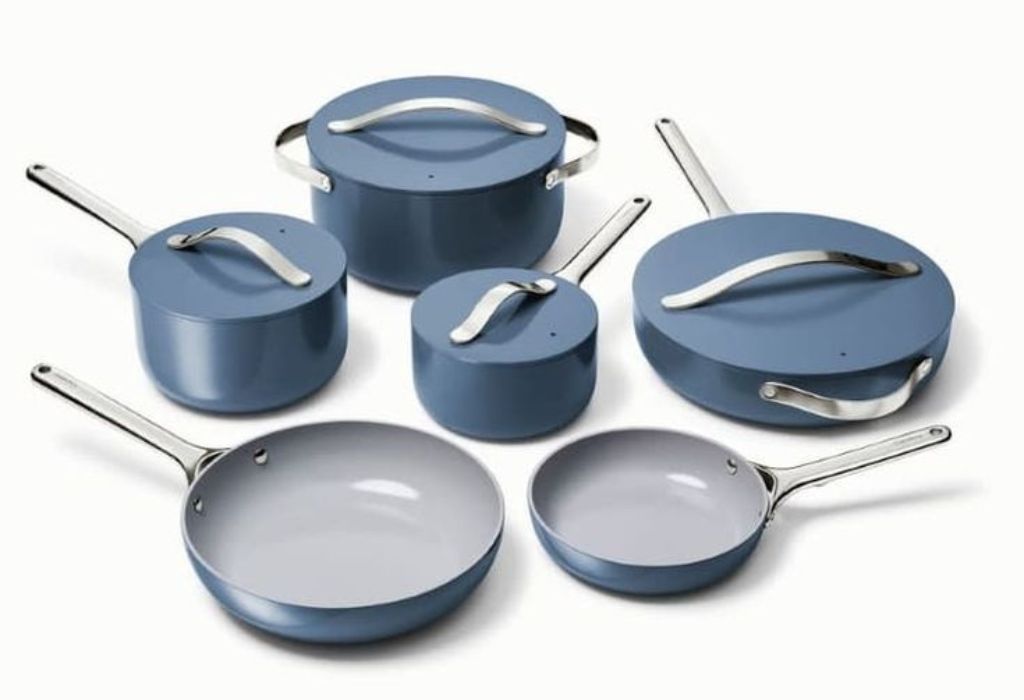
For consumers seeking nonstick performance without potential risks, several alternatives to aluminum ceramic cookware are available. Cast iron is a durable option that becomes naturally nonstick when properly seasoned. It retains heat exceptionally well, making it ideal for searing, frying, and slow cooking.
Stainless steel cookware is another reliable alternative. While it lacks inherent nonstick properties, it is highly durable, chemical-free, and resistant to scratches and corrosion. Proper preheating and use of oils can help prevent food from sticking.
Hard-anodized aluminum pans offer durability and even heat distribution, though some may still contain PTFE coatings. Choosing brands that explicitly advertise PTFE-free or PFOA-free coatings can help mitigate chemical exposure.
Carbon steel combines the heat retention of cast iron with a lighter weight, making it easier to handle. Like cast iron, it requires seasoning to develop a natural nonstick surface but provides excellent longevity when maintained correctly.
Selecting the right cookware depends on individual cooking habits, health concerns, and maintenance preferences. Each alternative offers unique benefits, whether it’s chemical-free cooking, heat retention, or long-term durability. Understanding these options allows consumers to make informed decisions that balance performance, convenience, and safety in the kitchen.
Conclusion
Aluminum ceramic nonstick cookware provides a convenient, lightweight, and generally safe option for modern kitchens. Understanding the materials, proper use, and maintenance practices is essential to ensure both health and performance.
Following manufacturer guidelines for heating, cleaning, and utensil use prolongs the lifespan of the cookware while minimizing chemical exposure. Regular inspection for scratches or damage ensures the pan continues to function safely and effectively.
Alternatives such as cast iron, stainless steel, hard-anodized aluminum, or carbon steel offer additional options for those seeking durability, chemical-free cooking, or specific cooking benefits. Evaluating factors like cooking style, maintenance preferences, budget, and safety priorities helps consumers make informed decisions.
By choosing high-quality cookware and following best practices, home cooks and professionals alike can enjoy nonstick convenience without compromising health. Informed decisions, proper care, and responsible use ensure a safer, more effective, and long-lasting kitchen experience.

I’m Emma J. Caldwell, the founder, lead writer, and home-cooking enthusiast behind KitchenGuideCo.com. With a background in culinary arts and over a decade of cooking experience in both professional and personal kitchens, I created this platform to demystify recipes, offer smart kitchen gadget reviews, and guide readers through meal prep with confidence and clarity.