Choosing the right cookware can be a daunting task with countless options available in the market. Aluminum and stainless steel are two of the most popular materials, but each has unique properties that affect cooking performance, safety, and durability.
Aluminum cookware is prized for its lightweight design and rapid heat conductivity, making it ideal for tasks that require quick temperature changes.
Stainless steel, on the other hand, is known for its durability, non-reactive surface, and long lifespan, but it heats up more slowly and can be heavier to handle.
Understanding which material suits specific cooking needs is crucial for both novice and experienced home cooks. Proper knowledge can improve meal quality, reduce cooking frustrations, and ensure long-term investment in kitchen equipment.
Statistics indicate that aluminum conducts heat approximately 15 times faster than stainless steel, making it efficient for quick cooking methods (source). Conversely, stainless steel retains heat longer, allowing for even cooking during slow simmering or braising (source).
Understanding Aluminum Cookware
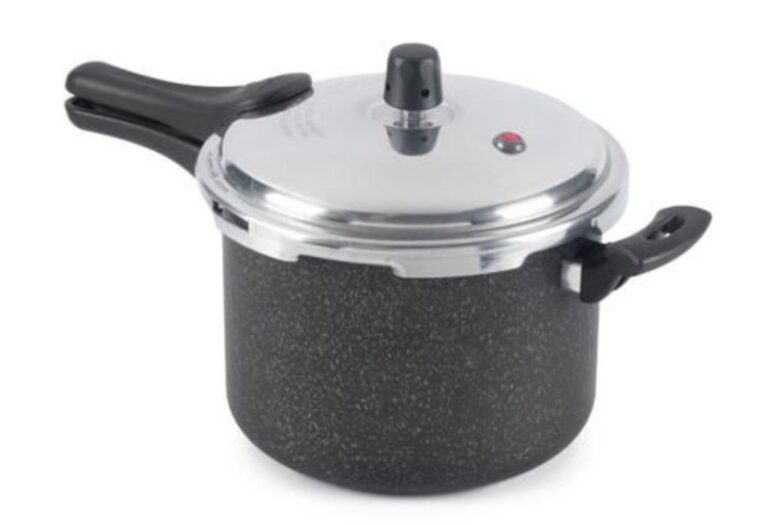
Aluminum cookware is widely used in kitchens for its lightweight design and excellent heat conductivity. Its ability to distribute heat quickly and evenly makes it ideal for tasks like frying, sautéing, and boiling, where rapid temperature changes are required.
There are several types of aluminum cookware, each offering unique advantages and limitations. Uncoated aluminum is affordable and lightweight but can react with acidic foods, which may alter taste and appearance.
Anodized aluminum undergoes a process that hardens the surface, making it non-reactive, resistant to corrosion, and less prone to scratching.
Non-stick aluminum features a coating that prevents food from sticking, simplifying cleaning but requiring careful handling to maintain the surface.
Understanding the type of aluminum cookware is critical for safe and effective use. Anodized or non-stick aluminum offers protection against leaching and surface damage, while uncoated aluminum requires more careful maintenance to avoid chemical reactions with food. Proper care includes avoiding metal utensils, acidic ingredients, and abrasive cleaning materials.
Maintenance and usage habits directly impact cookware performance and longevity. By selecting the appropriate type of aluminum and following best practices, home cooks can enjoy efficient heat distribution, safe cooking, and long-lasting cookware.
Recognizing these distinctions also allows informed decisions when comparing aluminum with stainless steel for everyday culinary needs.
Understanding Stainless Steel Cookware
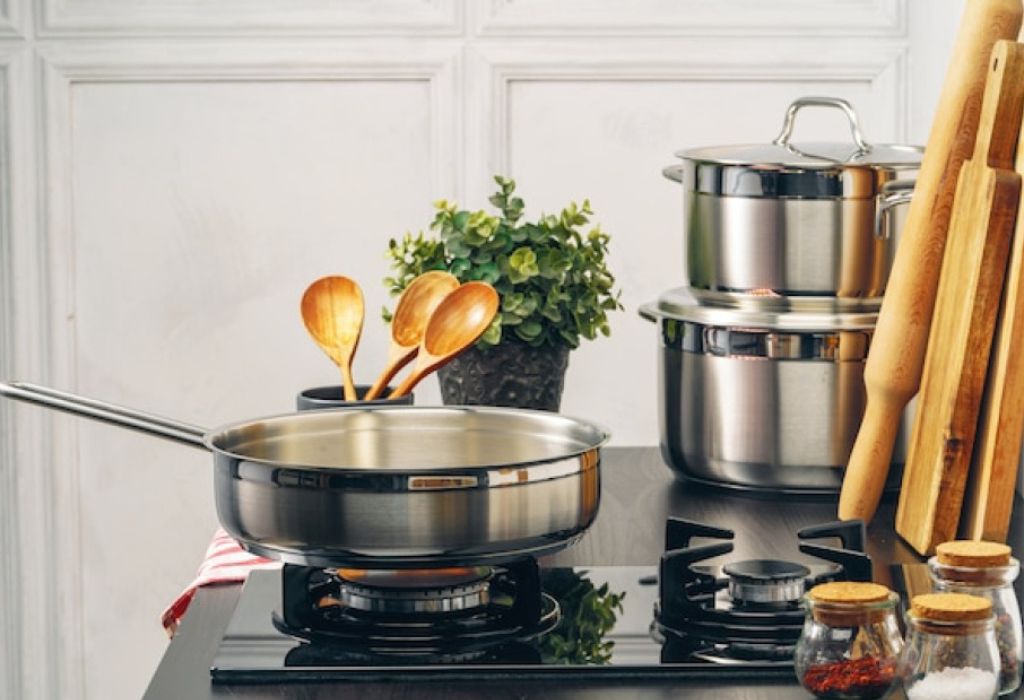
Stainless steel cookware is prized for its durability, non-reactive surface, and resistance to corrosion. It is commonly used in professional kitchens and home setups alike due to its longevity and versatility in various cooking techniques.
There are multiple types of stainless steel cookware, each with distinct characteristics. Single-ply stainless steel is composed entirely of stainless steel, offering a durable but less heat-conductive surface.
Clad stainless steel features layers of stainless steel bonded with metals like aluminum or copper, enhancing heat distribution while retaining durability.
Non-stick stainless steel combines stainless steel with a non-stick coating, providing ease of cleaning and food release without compromising the core material.
The advantages of stainless steel include resistance to scratches, dents, and corrosion, as well as its non-reactive properties with foods. It is ideal for browning, searing, and deglazing, making it versatile across a wide range of cooking methods.
On the downside, stainless steel is heavier than aluminum, slower to heat, and generally more expensive, which may impact budget-conscious consumers.
Understanding these factors helps cooks select the appropriate stainless steel cookware based on their cooking style and performance requirements.
Combining the right type of stainless steel with proper cooking techniques ensures even heat distribution, long-term durability, and safe food preparation.
Knowledge of stainless steel’s strengths and limitations is essential when comparing it to aluminum to determine which material best suits specific kitchen needs.
Heat Conductivity Comparison
Heat conductivity is a key factor when comparing aluminum and stainless steel cookware. Aluminum heats up rapidly and distributes heat evenly, making it ideal for tasks that require quick and consistent temperature changes.
Stainless steel alone has poor heat conductivity, which is why many stainless steel pans are clad with aluminum or copper cores to improve performance. While stainless steel retains heat longer than aluminum, it takes more time to reach the desired cooking temperature.
The choice between aluminum and stainless steel depends on cooking style and goals. Aluminum is better suited for sautéing, frying, or boiling where rapid heat adjustment is needed, while stainless steel excels in slow-cooked dishes, searing, or simmering that benefit from sustained heat retention.
Understanding how each material handles heat allows home cooks to maximize cooking efficiency and prevent common issues such as burning, uneven cooking, or warping.
By selecting the right cookware for the intended technique, both aluminum and stainless steel can deliver excellent results while maintaining durability and safety.
Durability and Maintenance
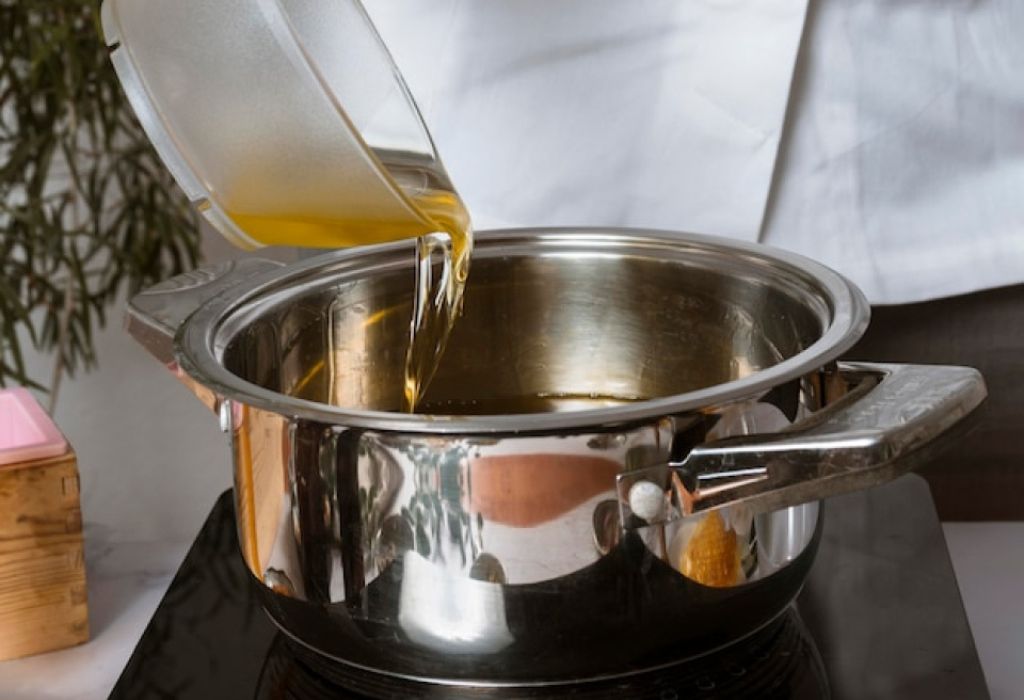
Durability and maintenance are important considerations when choosing between aluminum and stainless steel cookware. Aluminum is lightweight and easy to handle but is prone to scratches, dents, and warping under high heat or frequent use.
Anodized aluminum improves durability by creating a hard, non-reactive surface that resists corrosion and reduces the risk of leaching. Non-stick aluminum requires careful handling and cleaning to prevent damage to the coating and preserve its non-stick properties.
Stainless steel is highly durable, resistant to scratches, dents, and corrosion, and often lasts a lifetime with proper care. Clad stainless steel with aluminum or copper cores combines the heat conductivity benefits of aluminum with the strength and corrosion resistance of stainless steel.
Maintenance differs between the two materials. Aluminum cookware generally requires hand washing and gentle cleaning to avoid damaging the surface, while stainless steel is dishwasher safe and easier to maintain.
Regular inspection for scratches, worn coatings, or warping ensures both types remain safe and effective over time.
By understanding the durability and maintenance requirements of each material, home cooks can select cookware that aligns with their cooking habits and ensures long-lasting performance. Proper care preserves both safety and efficiency, enhancing overall kitchen performance.
Cooking Performance and Versatility
Cooking performance and versatility are key factors when comparing aluminum and stainless steel cookware. Aluminum heats up quickly and distributes heat evenly, making it ideal for frying, sautéing, and boiling where rapid temperature changes are necessary.
Stainless steel excels in tasks that benefit from sustained heat, such as browning, searing, and deglazing. Clad stainless steel, which includes aluminum or copper cores, combines the heat retention and even cooking of aluminum with the durability and non-reactive nature of stainless steel.
Aluminum’s lightweight design makes it easy to handle and maneuver, which is particularly useful in fast-paced cooking. Stainless steel is heavier but offers greater versatility across cooking methods, including oven use, slow cooking, and high-heat searing.
The choice between aluminum and stainless steel depends on cooking style, preferred techniques, and desired performance.
By understanding each material’s strengths and limitations, home cooks can select cookware that enhances efficiency, ensures even cooking, and maintains safety across a variety of dishes.
Health and Safety Considerations
Health and safety are important factors when choosing between aluminum and stainless steel cookware. Uncoated aluminum can react with acidic foods such as tomatoes or citrus, potentially affecting taste and appearance, though anodized aluminum is non-reactive and safer for cooking.
Stainless steel is non-reactive with all foods, ensuring that meals retain their natural flavor and appearance. It is generally considered safe for everyday cooking and does not leach metals under normal usage conditions.
The risk of aluminum exposure can be minimized by using anodized or non-stick aluminum cookware and avoiding prolonged contact with acidic ingredients.
Both materials are safe when used properly, but understanding their properties helps prevent potential issues with taste, appearance, or chemical reactions.
Awareness of these health and safety considerations allows cooks to select the appropriate cookware for specific dishes. Proper maintenance, utensil choice, and attention to food types enhance safety while maximizing performance and durability in the kitchen.
Cost and Value
Cost and value are important considerations when choosing between aluminum and stainless steel cookware. Aluminum cookware is generally more affordable, making it accessible for budget-conscious home cooks, though it may require replacement sooner due to wear and tear.
Stainless steel cookware typically has a higher upfront cost but offers greater durability and longevity. Investing in stainless steel can provide long-term value, as it withstands frequent use, resists corrosion, and maintains performance over many years.
The choice between the two materials depends on budget, cooking frequency, and priorities for durability versus upfront cost.
Aluminum offers a cost-effective solution for quick, lightweight cooking, while stainless steel provides long-term reliability and versatility, potentially reducing replacement expenses over time.
Understanding the cost-benefit balance helps cooks make informed decisions that align with both financial considerations and cooking needs. Selecting the appropriate material ensures that cookware delivers optimal performance, safety, and value for years of kitchen use.
Environmental Impact
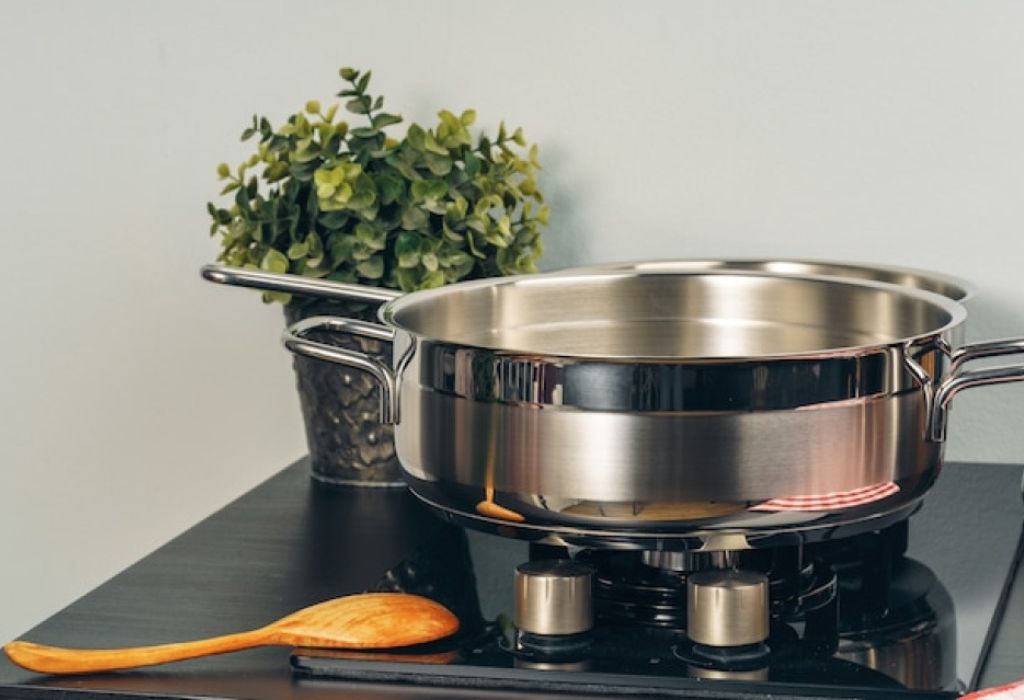
Environmental impact is an important factor when evaluating aluminum and stainless steel cookware. Aluminum is highly recyclable, which helps reduce its environmental footprint, though its production is energy-intensive and can contribute to greenhouse gas emissions.
Stainless steel is also recyclable and tends to have a lower environmental impact during production compared to aluminum. Its durability and long lifespan reduce the need for frequent replacements, making it a sustainable choice over time.
The choice of material depends on balancing manufacturing impact with product longevity. While aluminum recycling mitigates some environmental concerns, stainless steel’s resilience and extended use often result in a smaller overall ecological footprint.
Understanding the environmental implications of cookware materials allows consumers to make informed, sustainable choices. Selecting long-lasting, recyclable cookware ensures minimal waste while supporting environmentally responsible kitchen practices.
Is aluminum cookware better than stainless steel for cooking?
It depends on your cooking style. Aluminum heats faster and distributes heat evenly, while stainless steel is more durable, non-reactive, and ideal for browning and searing.
Which heats up faster — aluminum or stainless steel cookware?
Aluminum heats up much faster because it’s a superior heat conductor. Stainless steel takes longer to heat but retains temperature more consistently.
Does aluminum cookware cook food more evenly?
Yes, aluminum cookware distributes heat evenly across the surface, reducing hot spots and helping food cook more uniformly.
Is stainless steel cookware safer for acidic foods?
Yes, stainless steel is non-reactive and perfect for cooking acidic dishes like tomato sauces or citrus-based recipes. Bare aluminum can react with such foods.
Which cookware is more durable — aluminum or stainless steel?
Stainless steel is more durable and resistant to scratches, dents, and warping. Aluminum, especially non-anodized types, is softer and can wear down faster.
Which is easier to clean — aluminum or stainless steel?
Anodized or nonstick aluminum cookware is easier to clean, while stainless steel can require more effort to remove stuck-on food or discoloration.
Is aluminum cookware lighter than stainless steel?
Yes, aluminum cookware is significantly lighter, making it easier to handle and ideal for quick cooking or camping.
Can both aluminum and stainless steel cookware go in the dishwasher?
Stainless steel is usually dishwasher safe. Aluminum, especially uncoated types, should be hand-washed to prevent discoloration or corrosion.
Which cookware is more energy-efficient?
Aluminum cookware is more energy-efficient because it heats quickly and evenly, reducing cooking time and energy use.
Which is better overall for everyday cooking?
For quick, lightweight, and even cooking, aluminum is great. For durability, safety with acidic foods, and long-term reliability, stainless steel is the better everyday choice.
Conclusion
Both aluminum and stainless steel cookware offer unique advantages, making them suitable for different cooking needs. Aluminum is lightweight, heats quickly, and is generally more affordable, while stainless steel is highly durable, non-reactive, and versatile across a wide range of cooking techniques.
Choosing the right cookware depends on cooking style, frequency, and priorities such as heat conductivity, durability, safety, and budget. Aluminum provides cost-effective performance for quick, everyday tasks, whereas stainless steel delivers long-term reliability and value.
Understanding the strengths and limitations of each material allows home cooks to make informed decisions that enhance cooking efficiency, safety, and enjoyment.
Selecting cookware based on material properties, maintenance requirements, and environmental considerations ensures optimal performance and lasting satisfaction in the kitchen.

I’m Emma J. Caldwell, the founder, lead writer, and home-cooking enthusiast behind KitchenGuideCo.com. With a background in culinary arts and over a decade of cooking experience in both professional and personal kitchens, I created this platform to demystify recipes, offer smart kitchen gadget reviews, and guide readers through meal prep with confidence and clarity.