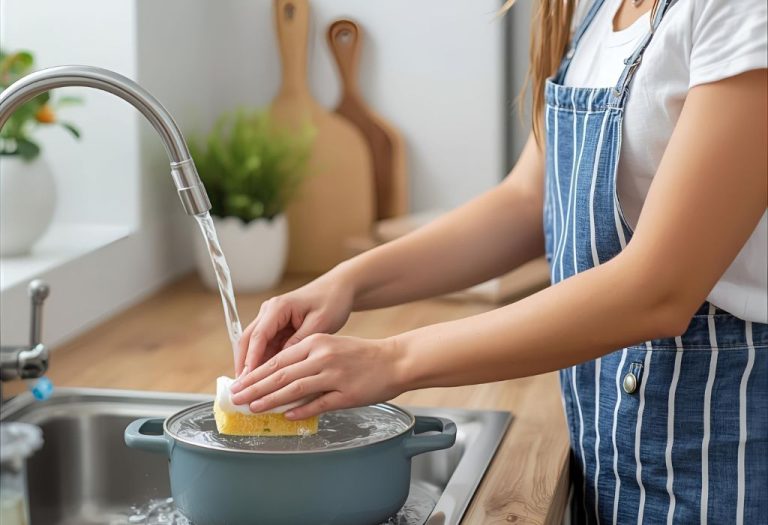
Aluminum cookware is a staple in many kitchens due to its lightweight design and excellent heat conductivity. Many home cooks are drawn to it for its efficiency, but questions often arise about its nonstick capabilities and safety.
Understanding whether aluminum cookware is truly nonstick is essential for preparing meals with minimal oil and easy cleanup.
Some types, like hard-anodized or ceramic-coated aluminum, provide nonstick surfaces, while uncoated aluminum requires seasoning or additional techniques to prevent sticking.
Cooking performance, health considerations, and maintenance practices all depend on the type of aluminum cookware chosen. Selecting the right cookware can enhance flavor, reduce cooking frustrations, and extend the life of your kitchen tools.
Statistics indicate that hard-anodized aluminum heats up faster and distributes heat more evenly than stainless steel, making it ideal for sautéing and frying (source). Ceramic-coated aluminum offers a PTFE-free alternative that withstands high temperatures while maintaining a nonstick surface (source).
Understanding Aluminum Cookware
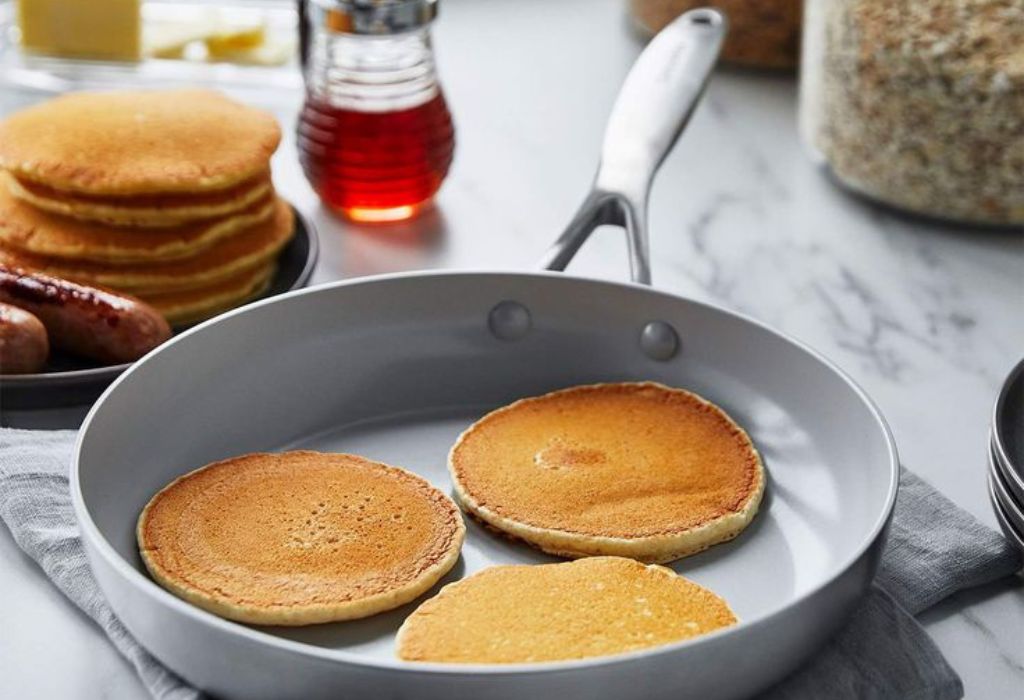
Aluminum cookware is popular for its lightweight nature and excellent heat conductivity, which allows food to cook evenly and quickly. Its versatility makes it suitable for a variety of cooking methods, from sautéing and frying to boiling and simmering.
There are several types of aluminum cookware, each with unique characteristics that influence its nonstick properties. Uncoated aluminum is economical but reactive with acidic foods, which can affect taste and appearance and requires seasoning to develop a natural nonstick layer.
Hard-anodized aluminum undergoes an electrochemical process that creates a hard, non-reactive surface, enhancing durability and providing a naturally nonstick finish.
Ceramic-coated aluminum features a PTFE-free coating, offering nonstick performance without chemical concerns, though it may require careful handling to avoid wear.
Understanding these variations is critical for safe and effective cooking. Hard-anodized and ceramic-coated options provide enhanced nonstick performance, reducing the need for excess oil and making cleaning easier. Uncoated aluminum requires proper preparation and maintenance to achieve similar results.
Proper care and usage extend the life and effectiveness of aluminum cookware. Avoiding metal utensils, acidic foods with uncoated aluminum, and abrasive cleaning materials prevents damage and preserves nonstick properties.
Selecting the right type of aluminum cookware ensures consistent performance, safety, and convenience in the kitchen.
Nonstick Coatings in Aluminum Cookware
Nonstick coatings enhance the usability and cleaning ease of aluminum cookware. They prevent food from sticking, reduce the need for excess oils, and help maintain the cookware’s appearance over time.
PTFE (Teflon) coatings are one of the most common nonstick options. They provide excellent release and cleaning performance, but can degrade at high temperatures, potentially releasing harmful fumes if overheated.
Choosing PTFE-free or PFOA-free options reduces health concerns while maintaining nonstick functionality.
Ceramic coatings are an eco-friendly alternative that provides a PTFE-free, heat-resistant surface. These coatings are safer for high-temperature cooking but may wear faster than traditional nonstick surfaces and require gentle handling to maintain effectiveness.
Hard-anodized aluminum cookware offers durability and non-reactivity, with a naturally nonstick surface when properly seasoned.
While not inherently nonstick like coated surfaces, it combines heat conductivity and durability, making it suitable for a variety of cooking techniques with reduced sticking issues.
Understanding the differences among coatings helps cooks select the right cookware for their needs. Each option balances durability, safety, and ease of use, ensuring better cooking results while minimizing health risks and maintenance concerns.
Proper care and informed selection of coatings extend the lifespan of aluminum cookware and optimize performance in everyday kitchen use.
Health and Safety Considerations
Safety is a crucial factor when selecting aluminum cookware with nonstick surfaces. Uncoated aluminum can react with acidic foods, which may alter taste and appearance, while poorly manufactured coatings can degrade under high heat, posing potential health risks.
PTFE-coated cookware performs well at moderate temperatures but can release harmful fumes if overheated above 500°F. Choosing PFOA-free and PTFE-free options, such as ceramic-coated aluminum, reduces chemical exposure while maintaining nonstick performance.
Hard-anodized aluminum is non-reactive and safe for cooking when used properly, though it requires maintenance to preserve its surface. Consumers should select cookware from reputable brands to minimize risks related to lead leaching or substandard materials.
Understanding the safety profiles of different aluminum cookware types enables informed purchasing decisions. Proper usage, adherence to manufacturer guidelines, and awareness of coating limitations ensure safe, efficient, and healthy cooking experiences in any kitchen.
Common Cooking Mistakes with Aluminum Cookware
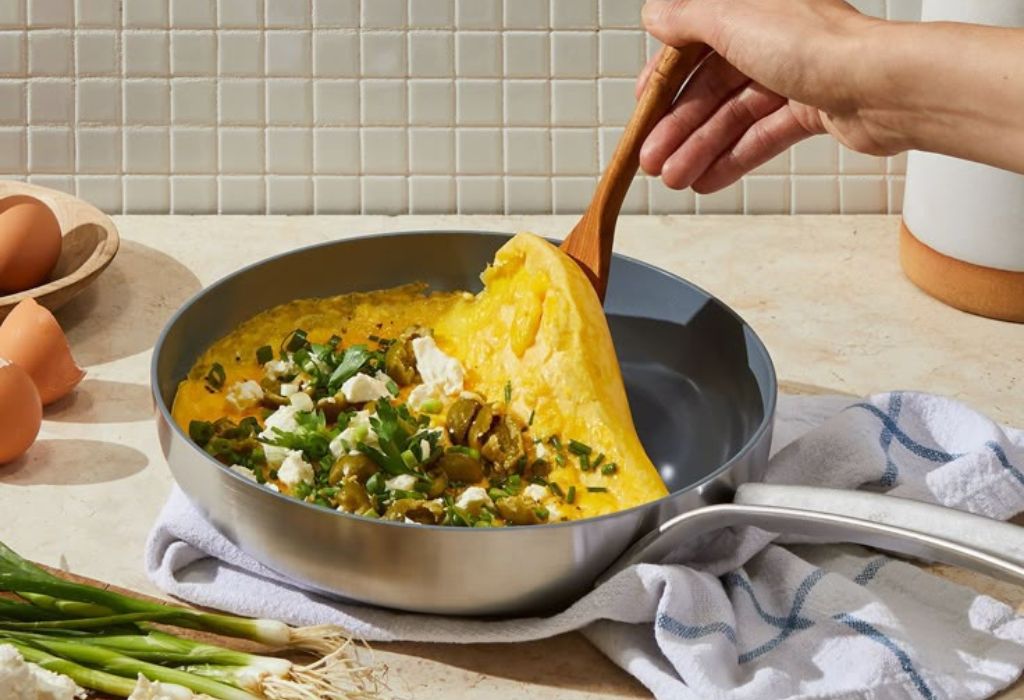
Many home cooks unintentionally reduce the lifespan and nonstick performance of aluminum cookware through common mistakes. Using metal utensils, for instance, can scratch PTFE or ceramic coatings, leading to sticking issues and potential chemical exposure.
Overheating nonstick aluminum pans is another frequent problem. PTFE coatings can release harmful fumes if heated above 500°F, while ceramic coatings may degrade if exposed to excessively high temperatures. Monitoring cooking temperatures ensures both safety and optimal performance.
Acidic foods like tomatoes, citrus, and vinegar-based sauces require caution. Uncoated aluminum can react with acids, altering flavor and appearance, whereas hard-anodized or ceramic-coated pans prevent these reactions and maintain nonstick properties.
Improper cleaning methods also impact performance. Using abrasive scrubbers or harsh chemicals can damage coatings, causing sticking and uneven heat distribution. Gentle cleaning with non-abrasive sponges preserves nonstick surfaces and extends cookware lifespan.
By avoiding these mistakes, cooks can maximize the efficiency, safety, and durability of their aluminum cookware. Awareness of common pitfalls ensures better cooking results, maintains health safety, and prolongs the effectiveness of nonstick surfaces.
Aluminum Cookware for Different Cooking Techniques
Choosing the right aluminum cookware for specific cooking techniques enhances performance and safety. Hard-anodized aluminum is ideal for high-heat methods like sautéing and searing, offering even heat distribution and durability.
Ceramic-coated aluminum works well for low-oil cooking, steaming, and moderate heat applications. Its nonstick surface reduces the need for excess oil while maintaining food quality and preventing sticking.
Uncoated aluminum requires seasoning and is best suited for gentle cooking methods or boiling. Regular maintenance ensures a natural nonstick layer and prevents reactions with acidic ingredients.
Understanding the strengths of each type of aluminum cookware allows home cooks to optimize different cooking techniques. Selecting the appropriate material and coating for the intended method improves heat management, preserves food quality, and maintains cookware longevity.
Long-Term Safety Tips for Aluminum Cookware
Ensuring long-term safety with aluminum cookware involves careful selection, usage, and maintenance. Choosing hard-anodized or ceramic-coated aluminum reduces the risk of chemical exposure while providing durable nonstick surfaces.
Monitoring cooking temperatures is essential for safety. PTFE-coated pans should not exceed 500°F to prevent the release of potentially harmful fumes, and ceramic coatings should be used within recommended temperature ranges to avoid degradation.
Proper utensil use preserves both performance and safety. Wooden, silicone, or plastic tools prevent scratching, while metal utensils can damage coatings and increase the risk of chemical exposure. Regular inspection for worn or chipped surfaces allows timely replacement before health risks arise.
Cleaning practices also impact long-term safety. Non-abrasive sponges and mild detergents preserve coatings and prevent leaching, while harsh cleaners or scouring pads can compromise nonstick layers. Storing cookware properly avoids surface damage and maintains heat distribution over time.
Following these safety tips ensures that aluminum cookware remains efficient, nonstick, and safe for everyday use. Awareness of material properties, coating limitations, and proper care practices allows home cooks to enjoy healthy, worry-free cooking while extending the lifespan of their cookware.
Choosing the Right Aluminum Cookware
Selecting the appropriate aluminum cookware depends on cooking style, safety preferences, and budget. Hard-anodized aluminum is ideal for high-heat cooking, offering durability and reduced food sticking, while ceramic-coated aluminum is suitable for low-oil cooking and safer high-temperature use.
Health considerations are important when choosing nonstick surfaces. PTFE-free and PFOA-free cookware minimizes chemical exposure, making ceramic-coated or hard-anodized options safer for everyday use.
Consumers should also ensure the cookware comes from reputable brands to avoid issues like lead leaching or substandard materials.
Budget is another factor influencing selection. Hard-anodized aluminum may have a higher upfront cost but offers longer-lasting performance, while ceramic-coated options may require replacement sooner due to wear, yet provide a safer nonstick surface.
By evaluating cooking needs, safety concerns, and financial considerations, home cooks can make informed decisions. Choosing the right type of aluminum cookware ensures efficient heat distribution, ease of cleaning, and a safer, more enjoyable cooking experience.
Maintenance Tips for Aluminum Cookware
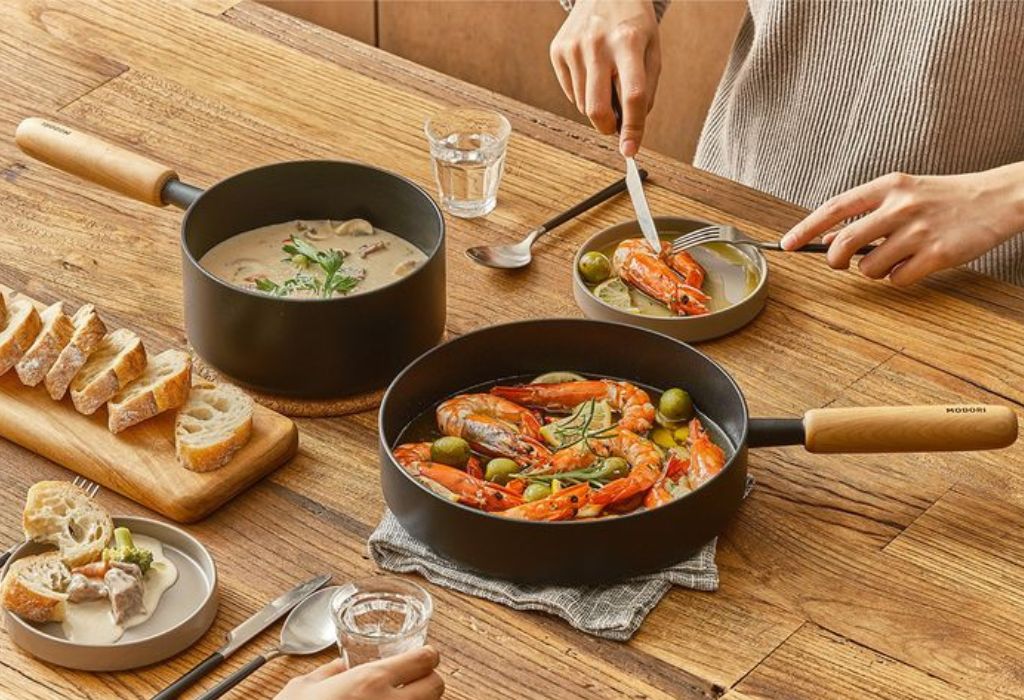
Proper maintenance extends the life and effectiveness of aluminum cookware. Nonstick surfaces, including PTFE and ceramic coatings, require gentle cleaning with non-abrasive sponges to prevent scratches and preserve performance.
Metal utensils can damage coatings and reduce nonstick properties, so wooden, silicone, or plastic tools are recommended. Regularly inspecting cookware for scratches, chips, or wear ensures safe cooking and minimizes the risk of chemical exposure.
Uncoated aluminum benefits from seasoning, which involves applying a thin layer of oil and heating the pan to create a natural nonstick surface. Proper storage prevents surface damage and helps maintain even heat distribution over time.
Following these maintenance practices preserves both safety and cooking efficiency. By caring for aluminum cookware appropriately, home cooks can enjoy consistent nonstick performance, reduced food sticking, and longer-lasting cookware in their kitchens.
Is aluminum cookware nonstick?
Not naturally. Bare aluminum cookware is not nonstick, so food can stick easily if not properly oiled. However, many modern aluminum pans are coated with nonstick or ceramic layers to prevent sticking.
Why does food stick to plain aluminum cookware?
Because aluminum is a reactive and porous metal, it doesn’t have a smooth surface like nonstick coatings. Food particles can bond to the surface when exposed to high heat.
Can aluminum cookware be made nonstick?
Yes, manufacturers often apply a nonstick coating—such as PTFE (Teflon) or ceramic—to aluminum cookware, making it easy to clean and resistant to sticking.
Is nonstick aluminum cookware safe?
Yes, modern nonstick aluminum cookware is safe if used properly. Most brands are now PFOA-free, meaning they don’t release toxic fumes at normal cooking temperatures.
What is the difference between anodized aluminum and nonstick aluminum?
Anodized aluminum has a hardened, non-reactive surface but isn’t completely nonstick. Nonstick aluminum has an additional coating that prevents food from sticking entirely.
Can I use oil or butter with nonstick aluminum pans?
Yes, using a small amount of oil or butter enhances flavor and extends the life of the nonstick surface—but it’s not required for cooking.
Is it safe to use metal utensils on nonstick aluminum cookware?
No, metal utensils can scratch or damage the coating. Always use wooden, nylon, or silicone utensils to protect the nonstick surface.
How should I clean nonstick aluminum cookware?
Wash with warm water, mild dish soap, and a soft sponge. Avoid abrasive pads or harsh detergents that can wear down the nonstick layer.
Can I use nonstick aluminum cookware on high heat?
It’s best to cook on low to medium heat. High temperatures can degrade the coating over time and reduce its nonstick effectiveness.
Why is nonstick aluminum cookware popular in kitchens?
It’s lightweight, heats evenly, easy to clean, and perfect for everyday cooking—making it a convenient and affordable option for both home and professional kitchens.
Conclusion
Aluminum cookware can be nonstick depending on its type and coating. Hard-anodized and ceramic-coated options provide effective nonstick surfaces, while uncoated aluminum requires seasoning or additional care to prevent sticking.
Selecting the right cookware depends on cooking style, safety considerations, and budget. PTFE-free and PFOA-free options ensure safer cooking, and choosing reputable brands reduces risks of lead leaching or substandard materials.
Proper maintenance, including gentle cleaning, careful utensil use, and seasoning uncoated pans, ensures long-lasting performance and a safer, more efficient cooking experience.
Understanding these factors allows home cooks to enjoy the benefits of aluminum cookware while minimizing health risks and enhancing kitchen convenience.

I’m Emma J. Caldwell, the founder, lead writer, and home-cooking enthusiast behind KitchenGuideCo.com. With a background in culinary arts and over a decade of cooking experience in both professional and personal kitchens, I created this platform to demystify recipes, offer smart kitchen gadget reviews, and guide readers through meal prep with confidence and clarity.