Aluminum cookware has been a kitchen staple for decades, prized for its lightweight design and excellent heat conductivity. Millions of households rely on it daily, but questions about its safety continue to spark debate.
Recent concerns focus on the possibility of aluminum leaching into food during cooking, especially when exposed to acidic ingredients like tomatoes or citrus.
Studies suggest that cooking acidic foods in untreated aluminum can increase metal transfer, raising safety questions for regular use. Source
Some research points to potential links between high aluminum exposure and neurological or kidney issues, though evidence remains inconclusive for healthy adults. Experts emphasize that the general population is unlikely to reach harmful levels through normal cookware use. Source
Despite the concerns, aluminum cookware offers undeniable benefits. Its quick, even heating makes it ideal for precise cooking, while affordability allows widespread access for home chefs worldwide.
Understanding the science behind aluminum leaching, its potential health risks, and strategies for safe usage is essential. With this knowledge, cooking with aluminum can remain both practical and safe.
Understanding Aluminum Cookware
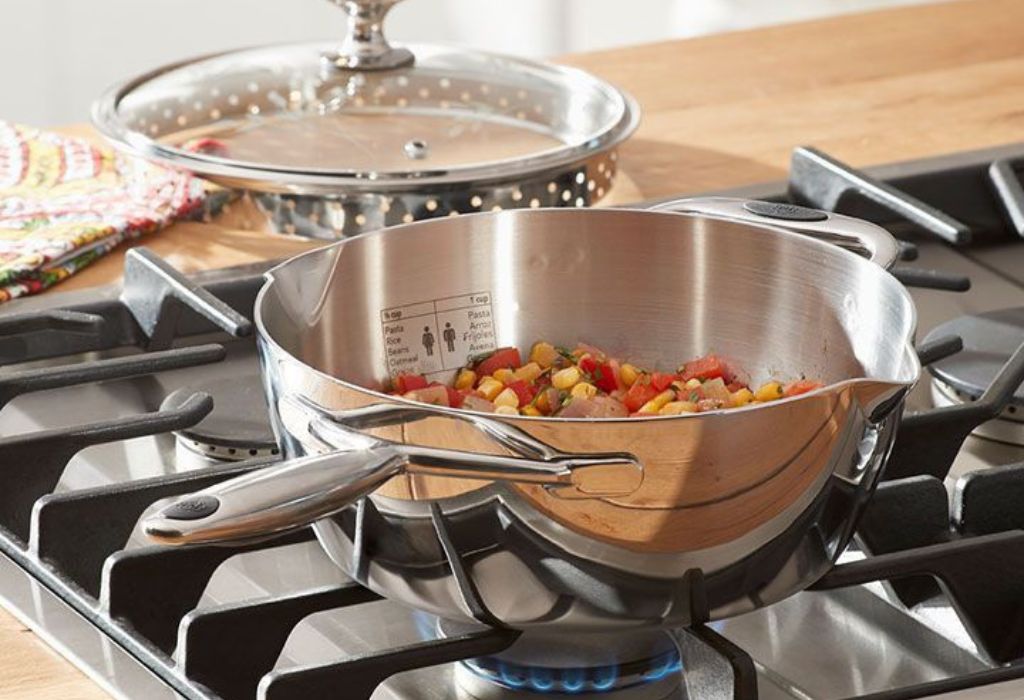
Aluminum cookware is made primarily from aluminum metal, which is prized for its lightweight nature and rapid heat conduction. These properties allow for even cooking and efficient energy use, making aluminum a popular choice in both home and professional kitchens.
There are several types of aluminum cookware, each with unique characteristics. Anodized aluminum undergoes an electrochemical process that creates a hard, non-reactive surface. This makes it more resistant to scratches and reduces the likelihood of aluminum leaching into food.
Non-anodized aluminum, on the other hand, is untreated and more reactive. When used with acidic foods, such as tomatoes or citrus, small amounts of aluminum can migrate into meals. While these amounts are generally considered low, repeated exposure has raised concerns in some health studies.
Cast aluminum is thicker and heavier, often providing better heat retention and a more durable cooking surface. It is commonly used for skillets, Dutch ovens, and roasting pans. Despite its weight, it retains aluminum’s natural benefits, including rapid heating and even temperature distribution.
Choosing the right type of aluminum cookware depends on cooking style, food acidity, and personal safety considerations. Anodized aluminum is typically recommended for frequent use, particularly when preparing acidic dishes, because it combines performance with reduced reactivity.
Proper understanding of aluminum cookware types allows cooks to enjoy its efficiency while mitigating potential risks. Awareness of which cookware suits specific cooking tasks is essential for safe and effective meal preparation.
How Aluminum Interacts with Different Foods
Aluminum cookware reacts differently depending on the type of food being prepared. Acidic foods, such as tomatoes, citrus fruits, vinegar, and certain sauces, are more likely to react with non-anodized aluminum.
This reaction can cause small amounts of aluminum to leach into the food, which raises health concerns for some individuals.
While the exposure levels are typically low and considered safe for most people, regular consumption of highly acidic meals in reactive aluminum cookware may increase cumulative exposure over time.
On the other hand, neutral and basic foods, including rice, pasta, and vegetables, generally do not trigger a significant reaction with aluminum. Cooking these foods in aluminum cookware poses minimal risk of metal transfer.
However, proper maintenance, such as avoiding deep scratches or pitting, is still important to maintain the cookware’s protective qualities.
Anodized aluminum significantly reduces the likelihood of aluminum migration because the anodization process creates a hard, non-reactive surface.
This protective layer prevents most interactions between food and metal. Cast aluminum, being thicker and more durable, also minimizes leaching, particularly when the surface remains intact and well-maintained.
Cooking techniques can also influence aluminum exposure. High heat or prolonged cooking of acidic foods can increase metal transfer, whereas shorter cooking times and moderate temperatures generally reduce it.
Using utensils that do not scratch the surface, such as wooden, silicone, or plastic spatulas, helps preserve the protective coating and prevents increased reactivity.
Understanding how aluminum interacts with different foods empowers cooks to make informed choices in meal preparation. By choosing the right cookware type, being mindful of the ingredients, and applying safe cooking techniques, home chefs can enjoy the benefits of aluminum’s fast, even heating without unnecessary health concerns.
Health Concerns Associated with Aluminum Cookware
Aluminum cookware has sparked debates due to the potential for metal leaching into food. This is especially a concern with non-anodized cookware and when cooking acidic ingredients like tomatoes, citrus, or vinegar-based sauces.
Small amounts of aluminum can transfer to meals during cooking, but studies suggest that typical daily exposure remains below harmful levels for healthy adults. Source
Some research has explored possible links between aluminum exposure and neurological conditions, including Alzheimer’s disease. While the evidence is not conclusive, long-term excessive exposure has been a point of investigation in scientific studies. Source
Kidney function can also influence aluminum accumulation in the body. People with impaired kidney function may struggle to eliminate excess aluminum, making it more important for them to use non-reactive cookware or alternatives.
Despite these concerns, regulatory agencies like the FDA consider aluminum cookware generally safe for the average person. Awareness of how different types of aluminum interact with foods helps cooks minimize potential risks while continuing to benefit from aluminum’s efficiency in the kitchen.
Understanding these health considerations empowers individuals to make informed choices. Selecting anodized aluminum or avoiding acidic foods in reactive cookware can significantly reduce the likelihood of aluminum exposure.
Cleaning and Maintenance of Aluminum Cookware
Proper cleaning and maintenance are crucial to extending the life of aluminum cookware and ensuring it remains safe for cooking.
Aluminum can develop scratches, pits, or discoloration over time, particularly when abrasive cleaning tools are used.
Such damage can increase the potential for aluminum leaching, especially when cooking acidic foods.
For regular cleaning, mild dish soap and a soft sponge or cloth are recommended. Avoid steel wool or harsh scouring pads, which can scratch the surface. Anodized aluminum is more resistant to damage, but gentle cleaning still helps preserve its non-reactive qualities.
Stains or discoloration can occur due to prolonged exposure to certain foods or high heat. A mixture of water, baking soda, or vinegar can help restore the cookware’s appearance without damaging the surface. It is important to rinse thoroughly to remove any cleaning residue before the next use.
Dishwashers are generally not recommended for non-anodized aluminum, as detergents and high heat can accelerate discoloration and corrosion. Hand washing is the safest approach to maintain both functionality and aesthetics.
Storage practices also play a role in maintenance. Avoid stacking aluminum cookware directly with other metal pans unless protective padding is used, as this can cause scratches and surface damage.
Inspecting cookware periodically for signs of wear, corrosion, or pitting helps determine whether replacement is needed.
Maintaining aluminum cookware properly ensures not only safety but also cooking performance. Well-maintained pans conduct heat evenly, prevent sticking, and retain their original appearance longer.
By following recommended cleaning and maintenance practices, home cooks can maximize both the benefits and safety of their aluminum cookware.
Expert Opinions on Aluminum Cookware Safety
Health authorities and scientific experts generally agree that aluminum cookware is safe when used correctly. Regulatory bodies such as the FDA and CDC emphasize that the amount of aluminum leached into food under normal cooking conditions is minimal and unlikely to pose significant health risks. Source
Scientific studies indicate that while aluminum can migrate into food, especially acidic dishes, the exposure levels for most people remain far below thresholds associated with health problems. Researchers note that anodized aluminum offers a protective barrier, reducing the likelihood of metal transfer.
Experts also highlight proper cookware maintenance as an essential factor for safety. Avoiding scratches, cleaning promptly, and replacing worn or pitted cookware can significantly lower potential exposure.
In addition, the type of aluminum matters. Anodized and cast aluminum are preferred over non-anodized varieties due to their lower reactivity with food. Professional chefs and culinary instructors often recommend these options for both home kitchens and commercial use.
While minor concerns exist, consensus among experts suggests that aluminum cookware is a practical and safe option for everyday cooking. Understanding the nuances of aluminum types, food interactions, and maintenance practices allows cooks to leverage the benefits of aluminum without compromising health.
Debunking Common Myths About Aluminum Cookware
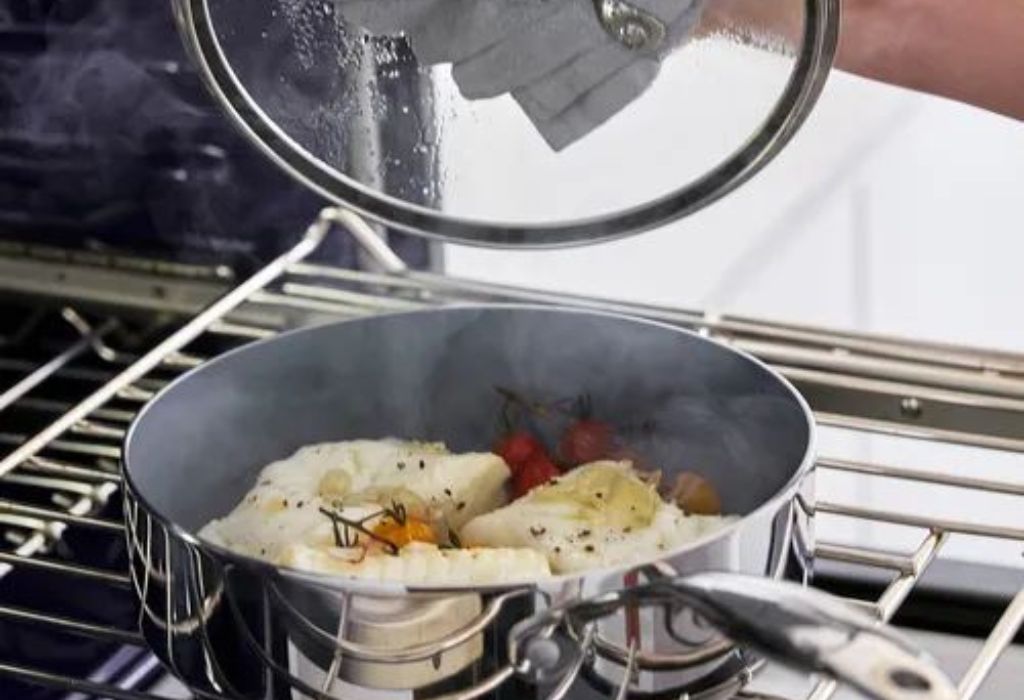
Aluminum cookware has been the subject of many myths and misconceptions. One common belief is that any amount of aluminum exposure from cookware is dangerous.
Scientific research consistently shows that the small amounts of aluminum leached during normal cooking are well below levels considered harmful for healthy adults.
Another myth is that only old or discolored aluminum pans pose risks. In reality, any cookware, regardless of age, can be safe if used properly. Scratched or heavily worn non-anodized pans do have increased reactivity, but anodized and cast aluminum remain safe under normal use.
Some people believe that all acidic foods automatically make aluminum toxic. While acidic ingredients can increase metal leaching, using anodized cookware or reducing cooking times dramatically limits exposure. The actual risk for healthy individuals is minimal and generally does not justify complete avoidance.
There is also confusion between aluminum cookware and aluminum foil. Cooking with foil can contribute to metal exposure, particularly when combined with acidic foods at high temperatures. However, this is a separate consideration and does not directly reflect the safety of properly used anodized aluminum cookware.
Debunking these myths is important for informed decision-making in the kitchen. Awareness of the facts allows cooks to enjoy aluminum cookware safely while avoiding unnecessary fear.
By understanding the science and following recommended practices, home chefs can make the most of aluminum’s advantages without compromising health.
Best Practices for Safe Use of Aluminum Cookware
Using aluminum cookware safely requires attention to cooking methods and maintenance routines. Following proper guidelines ensures minimal aluminum exposure while still benefiting from its excellent heat conduction.
One key practice is to avoid cooking highly acidic foods in non-anodized aluminum. Ingredients like tomatoes, citrus, or vinegar can increase metal leaching, so using anodized cookware or alternatives is recommended for such dishes.
Proper maintenance also plays a critical role in safety. Scratches or dents in the cookware surface can increase reactivity, so using non-metal utensils and cleaning promptly after use helps preserve the protective layer.
Another important tip is to choose high-quality aluminum cookware. Anodized or cast aluminum pans provide a non-reactive surface that minimizes aluminum migration into food while offering durability for everyday cooking.
Finally, storing aluminum cookware properly can prevent damage and prolong safe usage. Avoid stacking heavily with other metal pans, and inspect cookware regularly for signs of wear. These steps ensure that aluminum remains a practical and safe option for long-term kitchen use.
Environmental Impact of Aluminum Cookware
Aluminum cookware offers both benefits and challenges when considering environmental impact. Aluminum is highly recyclable, which makes it an environmentally friendly option compared to single-use or non-recyclable materials.
Recycling aluminum consumes up to 95% less energy than producing new aluminum from raw ore, reducing greenhouse gas emissions and resource consumption. Source
The production of new aluminum, however, can be energy-intensive and may generate significant emissions if not sourced responsibly. Consumers can reduce their environmental footprint by choosing recycled aluminum cookware or products from manufacturers that follow sustainable practices.
Durability also affects environmental impact. High-quality anodized or cast aluminum pans last for decades, minimizing the need for replacements.
This reduces waste and the energy required for manufacturing and transportation of new products. In contrast, cheaply made cookware may degrade faster, resulting in more frequent disposal and environmental strain.
Proper maintenance contributes to sustainability. Avoiding abrasive cleaners, using long-lasting utensils, and storing cookware correctly helps extend the life of aluminum pans.
By investing in high-quality, well-maintained cookware, users can combine safety, performance, and environmental responsibility.
As awareness grows, many brands are emphasizing eco-friendly packaging, low-impact manufacturing, and responsible sourcing. Home chefs who prioritize these factors support both personal health and environmental sustainability.
Aluminum’s recyclability, long lifespan, and energy-efficient heat conduction make it a versatile and responsible choice for modern kitchens.
Alternatives to Aluminum Cookware
For those seeking peace of mind or avoiding potential aluminum exposure, several cookware alternatives are available. Each option offers unique benefits while reducing concerns about metal leaching.
Stainless steel is non-reactive and highly durable, making it a popular choice for everyday cooking. It does not leach metals into food and works well for acidic dishes, offering a safe and reliable alternative to aluminum.
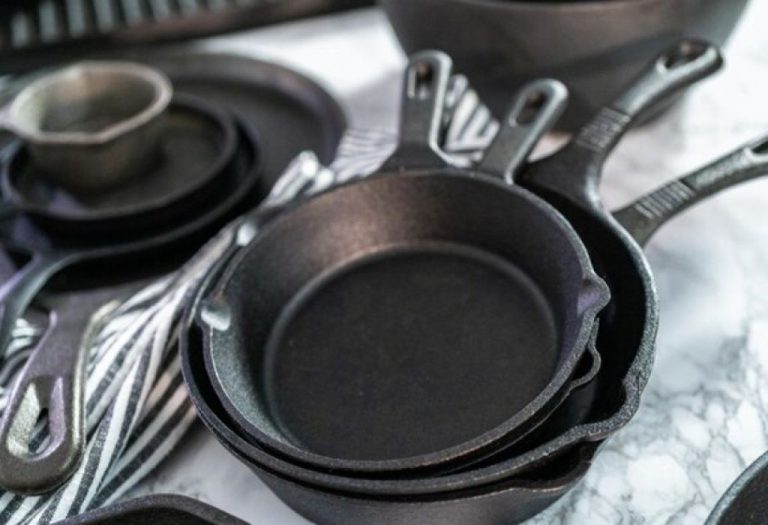
Cast iron provides excellent heat retention and durability, and it naturally adds dietary iron to meals. While heavier and requiring seasoning, cast iron is a long-lasting option that many chefs trust for both stovetop and oven cooking.
Ceramic cookware is another safe alternative, featuring a non-reactive surface that prevents chemical interactions with food. It comes in various designs and sizes, though it may be more fragile than metal options.
Choosing an alternative often depends on cooking style, food type, and personal preferences. By selecting non-reactive cookware, home cooks can maintain kitchen safety without sacrificing cooking performance.
Innovations and Coatings in Aluminum Cookware
Aluminum cookware has advanced significantly through innovations in coatings and surface treatments. Modern anodized aluminum provides a hard, non-reactive surface that prevents leaching and increases scratch resistance.
These treatments enhance safety, durability, and cooking performance, making aluminum more versatile than ever.
Non-stick and ceramic coatings are also increasingly applied to aluminum cookware. These coatings improve food release, reduce the need for excess oil, and simplify cleaning.
Advanced manufacturing ensures that these surfaces are long-lasting and resistant to peeling or chipping, which preserves both safety and functionality.
Some brands are developing hybrid coatings that combine anodized aluminum with ceramic or PTFE alternatives.
These innovations aim to maximize heat distribution, durability, and non-reactivity while maintaining the benefits of aluminum’s lightweight design.
Temperature-sensitive coatings and smart indicators are emerging features in high-end aluminum cookware.
These additions help users monitor heat levels accurately, reducing the risk of overheating and potential food degradation. They represent a fusion of traditional cookware with modern technology for precise cooking control.
Ongoing research focuses on improving recyclability, reducing production emissions, and using sustainable materials in coatings. As the cookware industry evolves, aluminum remains a core material because of its adaptability, energy efficiency, and compatibility with modern innovations.
These advancements demonstrate that aluminum cookware can meet the demands of contemporary kitchens while maintaining safety, performance, and sustainability. Users benefit from improved technology without sacrificing the material’s natural advantages.
Choosing the Right Aluminum Cookware for Your Kitchen
Selecting the right aluminum cookware is essential for balancing performance, durability, and safety. Not all aluminum pans are created equal, and differences in manufacturing, thickness, and surface treatment can significantly affect both cooking efficiency and health considerations.
Anodized aluminum is generally recommended for most households due to its hard, non-reactive surface.
This protective layer reduces metal leaching, prevents scratches, and ensures consistent heat distribution. It is particularly useful for preparing acidic foods, where non-anodized aluminum may pose a higher risk of leaching.
Cast aluminum is another excellent option, especially for heavier-duty cooking. Its thicker design allows for superior heat retention and stability on the stovetop or in the oven.
While slightly heavier than standard pans, cast aluminum combines durability with the advantages of aluminum’s natural thermal conductivity.
When choosing cookware, consider the type of cooking frequently performed. For everyday meals with vegetables, grains, or meats, most anodized or cast aluminum options are suitable. For high-acid dishes or slow-cooked sauces, prioritize cookware with a strong, non-reactive surface.
Price can also be a factor, but investing in high-quality aluminum cookware pays off in the long term. Premium anodized or cast aluminum pans last longer, maintain their appearance, and provide more consistent cooking results.
Proper maintenance, such as avoiding metal utensils and following cleaning guidelines, ensures these pans remain safe and effective over time.
Ultimately, the right cookware selection depends on cooking habits, personal preferences, and safety considerations. By understanding the differences between anodized, cast, and non-anodized aluminum, home chefs can make informed choices that maximize both convenience and health.
Future Trends in Aluminum Cookware
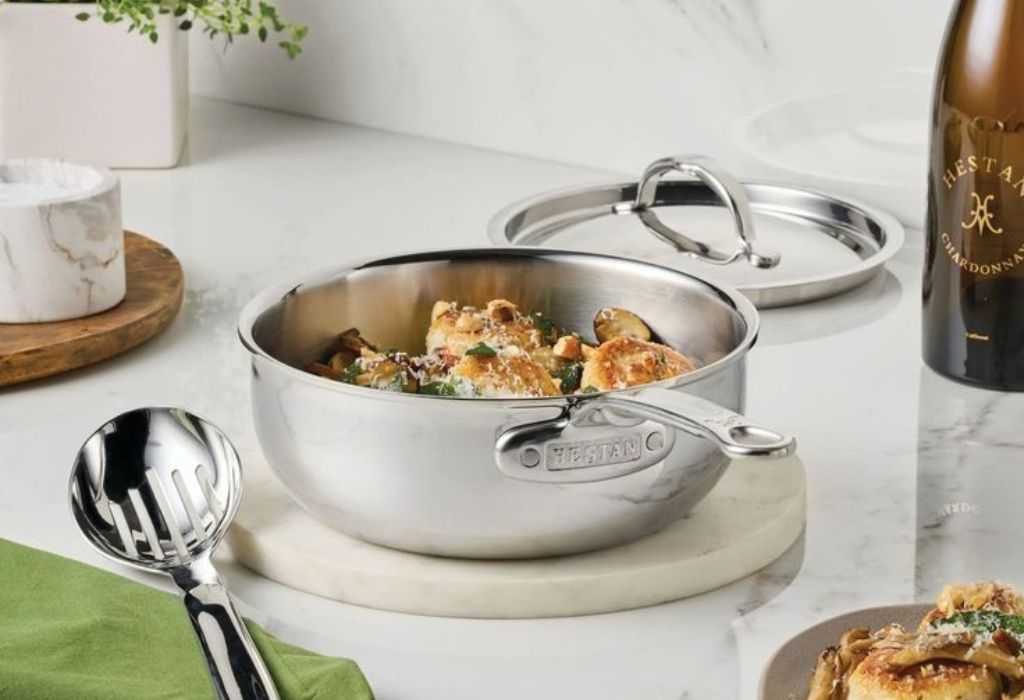
Aluminum cookware continues to evolve with innovations in materials, coatings, and manufacturing processes. Modern anodization techniques, non-stick coatings, and hybrid designs aim to enhance safety, durability, and performance in everyday kitchens.
One emerging trend is the combination of anodized aluminum with ceramic or non-stick coatings.
These hybrid surfaces improve non-reactivity while providing superior release properties for cooking delicate foods. They also simplify cleaning, making aluminum cookware more convenient for busy households.
Sustainable and eco-friendly manufacturing practices are gaining attention in the cookware industry. Aluminum is highly recyclable, and new production methods are reducing energy consumption and waste. Consumers increasingly prefer cookware that balances performance with environmental responsibility.
Smart cookware is another trend on the horizon. Some companies are integrating temperature sensors and heat indicators into aluminum cookware, allowing precise cooking control and reducing the risk of overcooking or burning.
While still in early stages, these innovations reflect growing interest in combining traditional materials with modern technology.
Finally, consumer education about safe aluminum use is expected to increase. Manufacturers and health organizations are providing guidance on proper maintenance, food compatibility, and safe cooking practices, helping home chefs use aluminum cookware confidently.
These trends suggest that aluminum cookware will remain a staple in kitchens while adapting to modern demands. Innovations in safety, functionality, and sustainability ensure that aluminum continues to meet the needs of cooks seeking convenience, performance, and peace of mind.
Is aluminum cookware safe for your health?
Yes, modern aluminum cookware is generally safe for everyday cooking, especially when it’s anodized or coated. These layers prevent aluminum from leaching into food.
Can aluminum leach into food while cooking?
Yes, small amounts of aluminum can leach into food, particularly when cooking acidic dishes like tomatoes or citrus-based recipes in uncoated pans.
Is aluminum harmful to the human body?
In trace amounts, aluminum isn’t harmful. However, excessive exposure may be linked to health issues, which is why anodized or nonstick aluminum cookware is preferred.
What is anodized aluminum cookware?
Anodized aluminum has undergone an electrochemical process that hardens its surface, making it non-reactive, corrosion-resistant, and much safer for cooking.
Is nonstick aluminum cookware safe?
Yes, as long as it’s PTFE- and PFOA-free. High-quality nonstick coatings prevent food from sticking and minimize direct contact with aluminum.
Does cooking acidic foods increase aluminum leaching?
Yes, acidic foods like vinegar, tomato sauce, and lemon-based dishes can react with bare aluminum, leading to higher metal absorption into food.
Can aluminum cookware cause Alzheimer’s disease?
There’s no conclusive scientific evidence linking aluminum cookware to Alzheimer’s disease. Most modern cookware is designed to minimize aluminum exposure.
Is aluminum foil the same as aluminum cookware?
No. Aluminum foil is much thinner and more reactive than cookware-grade aluminum. It’s safe for short-term food contact but not ideal for long cooking at high heat.
Can aluminum cookware react with salty foods?
Yes, salt can corrode uncoated aluminum over time. To prevent pitting and discoloration, avoid leaving salty or acidic foods in the pan after cooking.
Is aluminum cookware safe for high-heat cooking?
Aluminum conducts heat well, but uncoated pans can warp under extremely high heat. Anodized or clad aluminum cookware handles heat more safely.
Is it safe to use scratched aluminum pans?
If your pan is anodized, minor scratches are fine. But if the inner surface is bare or heavily worn, replace it to avoid potential leaching.
How should I clean aluminum cookware safely?
Hand-wash with mild soap and warm water. Avoid steel wool or harsh cleaners that can remove protective coatings or cause surface corrosion.
Can I use aluminum cookware in the dishwasher?
It’s best not to. Dishwasher detergents can discolor or corrode aluminum over time. Hand-washing helps preserve the finish and longevity.
What are the health benefits of using anodized aluminum cookware?
Anodized aluminum is non-reactive, durable, lightweight, and provides even heating—offering all the advantages of aluminum without safety concerns.
What’s the safest way to use aluminum cookware?
Choose anodized or coated cookware, avoid cooking highly acidic foods in bare aluminum, and clean it gently to maintain its protective surface and safety.
Conclusion
Aluminum cookware remains a staple in kitchens worldwide due to its affordability, lightweight design, and excellent heat conductivity.
Understanding how different types—such as anodized, non-anodized, and cast aluminum—interact with food is essential for safe and effective use.
By knowing the differences, cooks can make informed decisions that balance performance with health considerations.
Health concerns around aluminum primarily focus on leaching into food, particularly when cooking acidic ingredients.
While studies show that normal exposure levels are generally safe for healthy adults, special attention is needed for individuals with kidney issues or those using heavily worn or scratched cookware. Awareness of these factors empowers users to minimize potential risks.
Experts recommend simple yet effective practices to ensure safety, including choosing anodized or cast aluminum, avoiding metal utensils, limiting acidic foods in reactive cookware, and maintaining cookware properly.
Following these guidelines allows home chefs to enjoy the benefits of aluminum cookware while significantly reducing any risk of metal exposure.
For those seeking alternatives, non-reactive options like stainless steel, cast iron, and ceramic offer peace of mind without sacrificing cooking efficiency. Each alternative has unique advantages, from heat retention to durability, providing options that suit different cooking styles and preferences.
Ultimately, understanding the science, maintenance practices, and available alternatives ensures that cooking with aluminum cookware can be both practical and safe. By combining knowledge, precaution, and informed choices, home cooks can confidently prepare meals while preserving both flavor and health.

I’m Emma J. Caldwell, the founder, lead writer, and home-cooking enthusiast behind KitchenGuideCo.com. With a background in culinary arts and over a decade of cooking experience in both professional and personal kitchens, I created this platform to demystify recipes, offer smart kitchen gadget reviews, and guide readers through meal prep with confidence and clarity.