Pet birds are highly sensitive to airborne toxins, making their environment particularly vulnerable to common household hazards. Many bird owners focus on obvious dangers like smoke or cleaning chemicals, but cookware is often overlooked.
Aluminum cookware, widely used for its lightweight and efficient heat conduction, raises questions about safety for birds. Nonstick coatings, high heat, and certain aluminum alloys can release fumes or particles that are harmful to feathered pets.
Understanding which types of aluminum cookware are safe and which are risky is essential for any bird owner. Choosing the wrong cookware can lead to respiratory distress or even sudden death in birds, making informed decisions critical for their health.
Statistics indicate that PTFE-coated nonstick cookware can emit toxic fumes at temperatures above 500°F, which are fatal to birds even in small quantities (source). Anodized aluminum and bird-safe alternatives provide a safer cooking environment while maintaining effective performance in the kitchen (source).
The Dangers of Nonstick Cookware Around Birds
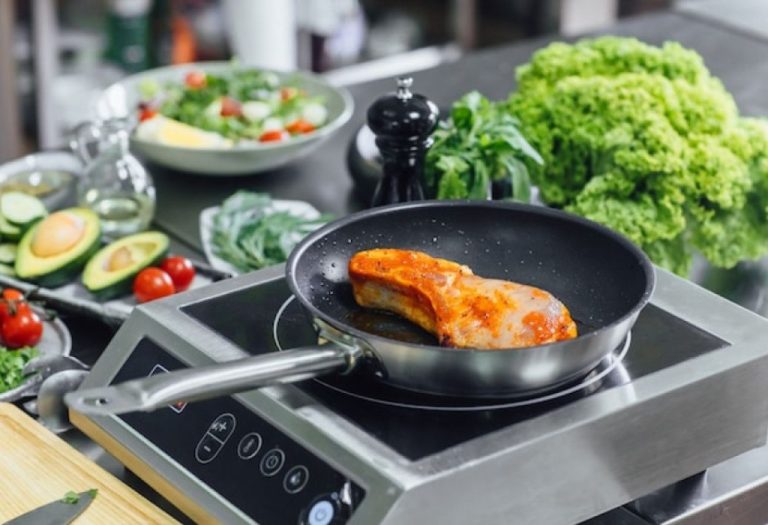
Nonstick cookware, especially those coated with PTFE like Teflon, can be extremely hazardous to birds. When overheated above 500°F, these coatings release toxic fumes that can lead to Teflon toxicosis, a condition that affects birds’ respiratory systems and can be fatal.
Birds have highly sensitive respiratory systems, making even small amounts of airborne toxins dangerous. Exposure to fumes from nonstick cookware can cause symptoms such as labored breathing, lethargy, and sudden death, sometimes within minutes of inhalation.
Even normal cooking practices, like preheating or frying at high temperatures, can produce fumes that are harmful to birds. Because birds are often kept in kitchens or nearby rooms, the risk of accidental exposure is significant if nonstick cookware is used improperly.
Awareness and precaution are crucial for bird owners who cook regularly. Using bird-safe cookware, maintaining proper ventilation, and avoiding overheating are key steps to prevent toxic exposure and protect feathered companions.
By understanding the specific dangers posed by nonstick coatings, pet owners can make informed decisions about which cookware to use and how to maintain a safe environment for their birds. Careful selection of materials and adherence to safe cooking practices significantly reduce health risks while ensuring effective meal preparation in the kitchen.
Is Aluminum Cookware Safe for Birds?
Aluminum cookware is commonly used due to its lightweight design and excellent heat conductivity, but its safety around birds depends on the type and coating. Uncoated aluminum can react with acidic foods, potentially releasing particles that may be harmful to birds if ingested or inhaled as dust.
Anodized aluminum, which undergoes an electrochemical process, creates a hard, non-reactive surface. This makes it generally safe for use around birds, as it prevents leaching and reduces the risk of exposure to harmful substances.
Maintaining aluminum cookware properly is essential to ensure safety. Avoid using scratched, pitted, or worn cookware, as damage can compromise the protective layer and increase the risk of aluminum particles being released.
Bird owners should always consider both the material and its condition when selecting cookware. Choosing anodized aluminum, regularly inspecting for damage, and following safe cooking practices can create a safe environment for feathered companions without sacrificing kitchen performance.
Understanding the differences between uncoated and anodized aluminum allows pet owners to make informed choices. Proper selection, maintenance, and cautious use of cookware significantly reduce potential health risks while allowing safe and effective cooking in homes with birds.
Bird-Safe Cookware Alternatives
For bird owners concerned about safety, several cookware materials are considered bird-safe. Stainless steel is highly durable, non-reactive, and resistant to corrosion, making it a reliable option for cooking without exposing birds to harmful fumes or particles.
Cast iron cookware is another safe choice when properly seasoned and maintained. Its natural nonstick properties and sturdy construction provide long-term durability, though care is needed to prevent rusting and ensure consistent performance.
Glass and ceramic cookware are non-reactive and easy to clean, offering safe alternatives for cooking around birds. Ceramic coatings, especially those that are PTFE-free, provide nonstick performance without releasing toxic fumes, making them ideal for households with sensitive pets.
Selecting the right bird-safe cookware depends on cooking needs, durability, and maintenance preferences. By choosing materials like stainless steel, cast iron, or ceramic, pet owners can maintain kitchen efficiency while minimizing health risks for their feathered companions.
Properly using and maintaining bird-safe cookware ensures both effective cooking and a safe environment for birds. Awareness of material properties, coatings, and cleaning practices allows for worry-free meal preparation in homes with avian pets.
Common Mistakes Bird Owners Make with Cookware
Many bird owners inadvertently put their pets at risk through everyday kitchen habits. Using PTFE-coated nonstick pans at high temperatures, for example, can release toxic fumes that are fatal to birds, even with short exposure.
Overheating cookware, preheating empty pans, or leaving pans unattended increases the likelihood of fumes being emitted. Birds kept nearby or in open areas may inhale these particles, leading to respiratory distress or sudden death.
Improper utensil use also contributes to hazards. Metal utensils can scratch nonstick coatings or anodized surfaces, causing them to degrade and potentially release harmful substances. Wooden or silicone utensils are safer alternatives that preserve the cookware and protect birds.
Neglecting ventilation is another common mistake. Kitchens without proper exhaust or airflow allow fumes to accumulate, raising the risk of toxic exposure. Opening windows or using exhaust fans can significantly reduce airborne hazards.
By understanding these mistakes, bird owners can adjust their cooking habits to maintain a safe environment. Awareness of temperature control, utensil use, and ventilation ensures both effective cooking and the well-being of feathered companions.
Preparing Your Kitchen for Bird Safety
Creating a bird-safe kitchen environment involves more than selecting the right cookware. Proper planning, organization, and awareness of potential hazards are essential for maintaining the health of pet birds.
Positioning birds away from the kitchen or using closed rooms during cooking minimizes exposure to harmful fumes. Ensuring good ventilation, such as opening windows and using exhaust fans, helps disperse any smoke or airborne particles.
Choosing bird-safe cookware, like stainless steel, cast iron, or ceramic-coated aluminum, reduces the risk of chemical exposure. Regularly inspecting cookware for scratches, worn coatings, or damaged surfaces prevents accidental hazards.
Training household members on bird-safe practices, including proper cookware handling and monitoring heat levels, enhances overall safety. Consistent routines and vigilance ensure that both cooking efficiency and pet health are maintained.
By combining safe cookware selection, strategic kitchen planning, and proper maintenance practices, bird owners can create a kitchen environment that supports healthy cooking while protecting feathered companions.
Safe Cooking Practices Around Birds
Even with bird-safe cookware, certain cooking practices are essential to minimize risks. Maintaining proper ventilation in the kitchen helps disperse any fumes or airborne particles, protecting birds from exposure.
Avoid overheating cookware, as extreme temperatures can release harmful substances even from otherwise safe materials. Monitoring heat levels ensures both food quality and the safety of feathered pets in the home.
Using appropriate utensils further reduces the risk of contamination or damage to cookware. Wooden, silicone, or stainless steel utensils prevent scratching nonstick surfaces and maintain the integrity of bird-safe materials.
Keeping birds in a separate room during cooking provides an additional safety layer. Limiting their exposure to kitchens while cooking minimizes accidental inhalation of particles or fumes.
By combining proper cookware selection with these safe cooking practices, pet owners can maintain a healthy environment for their birds. Awareness of heat, ventilation, and utensil use ensures both effective cooking and the well-being of feathered companions.
Identifying Unsafe Cookware
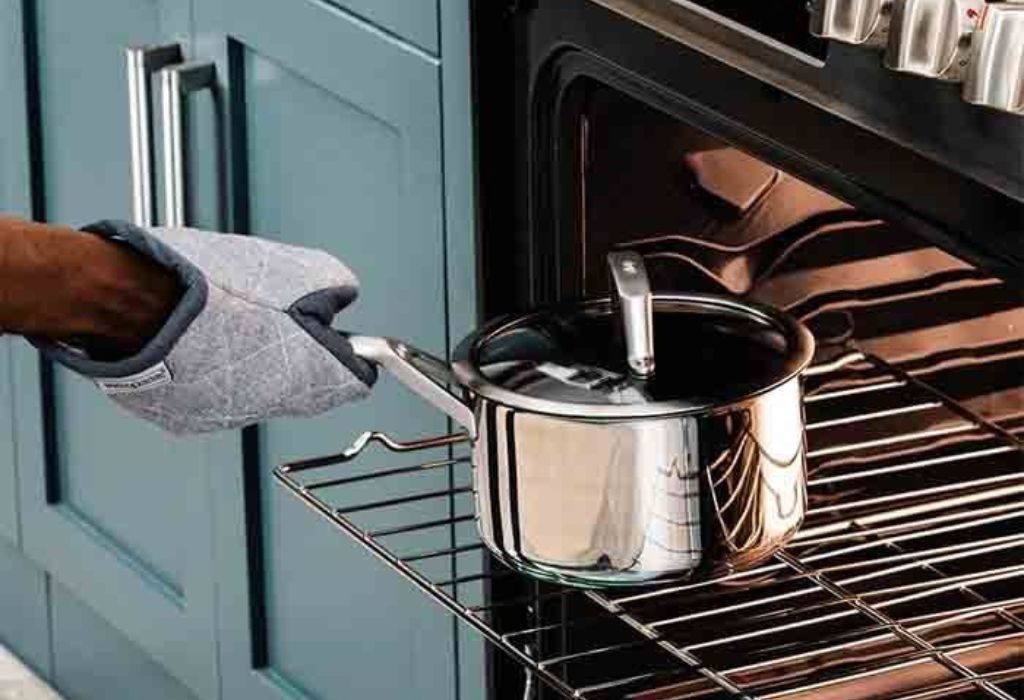
Recognizing cookware that may pose risks to birds is essential for a safe home environment. Cookware with PTFE or PFOA coatings can release toxic fumes when overheated, which are highly dangerous to birds even at low exposure levels.
Certain aluminum alloys, such as Hindalium or poorly manufactured products, may leach harmful substances when cooking, making them unsafe for homes with feathered pets. Labels and certifications can help identify safer options, but verification through reputable sources is always recommended.
Nonstick coatings that are damaged, scratched, or worn increase the risk of chemical exposure and reduced performance. Regular inspection of cookware ensures that unsafe items are identified and replaced promptly, minimizing hazards.
By understanding the characteristics of unsafe cookware, bird owners can make informed decisions to protect their pets. Avoiding risky materials and maintaining vigilance with cookware selection and care significantly reduces potential health threats for birds in the household.
Is aluminum cookware safe for birds?
Uncoated aluminum cookware is generally safe for birds when used correctly. However, if it has a nonstick PTFE (Teflon) coating, it can release toxic fumes when overheated, which are deadly to birds.
Why are birds sensitive to cookware fumes?
Birds have extremely delicate respiratory systems. Even trace amounts of toxic fumes from overheated nonstick coatings can cause Teflon toxicosis, leading to severe illness or sudden death.
Can plain aluminum cookware harm birds?
No, plain or anodized aluminum cookware does not emit toxic fumes. It’s safe to use as long as no chemical coatings are applied and it’s not overheated.
What cookware types are unsafe for homes with birds?
Any cookware containing PTFE, PFOA, or similar nonstick chemicals is unsafe. This includes most traditional nonstick pans unless labeled “PTFE-free” or “bird-safe.”
Is anodized aluminum cookware safe for bird owners?
Yes, anodized aluminum is safe because it doesn’t release harmful gases and has a hard, non-reactive surface that won’t leach metals or emit fumes.
Can fumes from overheated aluminum harm birds?
Pure aluminum doesn’t release harmful fumes. The real danger comes from coated pans—especially when heated above 500°F (260°C).
What temperature causes nonstick coatings to become dangerous?
PTFE-based coatings start breaking down around 450–500°F, releasing invisible toxic fumes. Birds should always be kept far away from any heated nonstick cookware.
What’s the best cookware for bird-safe kitchens?
Choose stainless steel, cast iron, glass, or 100% ceramic cookware. These materials are non-toxic, durable, and completely safe for birds.
How can I cook safely around pet birds?
Ensure good kitchen ventilation, never leave cookware unattended, and keep birds in another room during cooking to avoid any exposure to fumes.
What’s the final verdict on aluminum cookware and bird safety?
Plain or anodized aluminum cookware is safe for birds. Avoid all Teflon or PTFE-coated pans, and prioritize well-ventilated cooking environments to keep your feathered friends healthy and safe.
Conclusion
Ensuring the safety of pet birds in the kitchen requires careful selection of cookware and adherence to safe cooking practices. Aluminum cookware can be safe for birds if it is anodized and properly maintained, while uncoated aluminum or PTFE-coated nonstick pans pose significant risks.
Bird owners should consider alternatives such as stainless steel, cast iron, or ceramic cookware, which are non-reactive and safer for everyday use. Proper ventilation, monitoring cooking temperatures, and using bird-safe utensils further minimize exposure to harmful fumes or particles.
Awareness of material properties, coatings, and maintenance practices allows home cooks to provide a safe environment for their feathered companions. By making informed choices and following recommended precautions, pet owners can enjoy effective cooking without compromising the health and safety of their birds.

I’m Emma J. Caldwell, the founder, lead writer, and home-cooking enthusiast behind KitchenGuideCo.com. With a background in culinary arts and over a decade of cooking experience in both professional and personal kitchens, I created this platform to demystify recipes, offer smart kitchen gadget reviews, and guide readers through meal prep with confidence and clarity.