Aluminum granite cookware has grown in popularity due to its appealing design and non-stick properties. Many home cooks are drawn to its combination of lightweight aluminum and a granite-like coating, but questions about safety have arisen.
Understanding whether aluminum granite cookware is safe is crucial for both health and cooking performance. Concerns include potential chemical leaching from coatings, aluminum exposure with acidic foods, and durability issues that could affect long-term use.
Using the wrong type of cookware can lead to unwanted health risks or reduced cooking efficiency. Knowing how to select, use, and maintain aluminum granite cookware ensures safer meals and protects against accidental exposure to harmful substances.
Statistics indicate that some aluminum cookware may leach small amounts of aluminum into food, especially when cooking acidic dishes (source). Additionally, research shows that nonstick coatings containing PFOA or PTFE can release toxic fumes if overheated (source).
What Is Aluminum Granite Cookware?
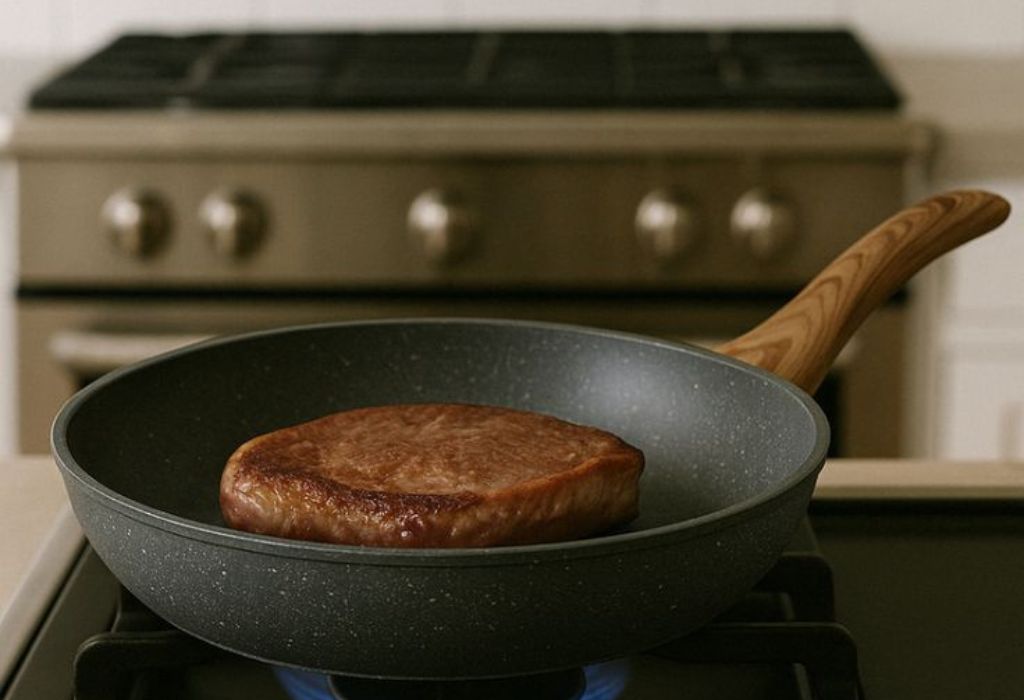
Aluminum granite cookware combines a lightweight aluminum base with a granite-like nonstick coating, offering both aesthetic appeal and practical functionality.
The aluminum provides rapid and even heat distribution, while the granite coating enhances nonstick performance and reduces the need for excessive oil.
The manufacturing process involves bonding a layer of enamel or ceramic to the aluminum, creating a speckled, granite-like appearance that is visually appealing and durable.
This coating is designed to be scratch-resistant and provide a smoother cooking surface, though its longevity depends on proper use and maintenance.
Many popular brands, such as Granitestone and Carote, produce aluminum granite cookware with varying quality standards and features.
Consumers should pay attention to coating type, heat tolerance, and brand reputation to ensure both safety and performance in everyday cooking.
Aluminum granite cookware offers advantages such as lightweight handling, even heat distribution, and nonstick cooking surfaces.
Understanding its composition and construction helps cooks make informed choices about which cookware best suits their cooking style and safety requirements.
Proper selection and maintenance ensure that the cookware provides consistent performance while minimizing health risks associated with chemical coatings or aluminum leaching.
Awareness of these factors allows home cooks to enjoy efficient and safe cooking with aluminum granite cookware.
Safety Considerations of Aluminum Granite Cookware
While aluminum granite cookware offers convenience and nonstick properties, safety is an important concern. Some nonstick coatings, particularly those containing PTFE or PFOA, can release harmful fumes if overheated, posing health risks.
Imported or lower-quality cookware may leach metals such as lead or cadmium into food, especially when cooking acidic ingredients. Awareness of these risks is essential to prevent potential exposure and maintain food safety.
Aluminum itself can react with acidic foods like tomatoes, vinegar, or citrus, potentially altering flavor and increasing metal transfer into meals. Using anodized aluminum or high-quality coatings reduces this risk and ensures safer cooking practices.
Following manufacturer guidelines for heat limits, cooking methods, and proper care minimizes potential hazards. Choosing reputable brands with transparent safety standards further ensures that aluminum granite cookware is both effective and safe for everyday use.
By understanding the potential risks and taking precautions, home cooks can enjoy the benefits of aluminum granite cookware without compromising health or safety. Awareness and careful selection are key to safe and efficient cooking in any kitchen.
Benefits of Using Aluminum Granite Cookware
Aluminum granite cookware provides several advantages that make it appealing for everyday cooking. Its nonstick coating reduces the need for excessive oil, promoting healthier meals while making cleanup easier and more efficient.
The aluminum base ensures rapid and even heat distribution, which helps prevent hot spots and ensures uniform cooking for a wide range of dishes. This feature is particularly beneficial for sautéing, frying, and simmering delicate foods.
Lightweight construction is another key benefit, making the cookware easy to handle and maneuver, especially compared to heavier alternatives like cast iron. This makes it ideal for both novice cooks and those who prefer convenient, hassle-free kitchen tools.
Durability and scratch resistance of high-quality aluminum granite cookware add long-term value. Proper use and maintenance allow the cookware to retain its nonstick properties and visual appeal over time.
Understanding these benefits helps home cooks weigh the advantages of aluminum granite cookware against potential risks. By selecting reputable brands and using the cookware according to recommended guidelines, cooks can enjoy efficiency, safety, and convenience in the kitchen.
Potential Drawbacks and Risks
Despite its benefits, aluminum granite cookware comes with certain drawbacks that cooks should be aware of. Nonstick coatings can degrade over time, particularly if exposed to high heat or metal utensils, which may reduce cooking performance and pose safety concerns.
Some cookware may not be compatible with induction cooktops due to the aluminum base, limiting its versatility in modern kitchens. Additionally, sudden temperature changes, such as placing a hot pan under cold water, can warp the cookware or damage the coating.
Lower-quality or poorly manufactured aluminum granite cookware may leach harmful substances, including lead or cadmium, into food. Awareness of these risks is essential for maintaining safe cooking practices and protecting health.
Understanding these limitations allows cooks to take preventive measures, such as using utensils safely, avoiding extreme temperatures, and choosing high-quality brands. By addressing these potential risks, aluminum granite cookware can still be a reliable and safe option for everyday cooking.
How to Safely Use Aluminum Granite Cookware
Proper use of aluminum granite cookware ensures both safety and longevity. Avoid overheating the cookware, as extreme temperatures can damage the nonstick coating and potentially release harmful fumes.
Using appropriate utensils is essential for maintaining the integrity of the nonstick surface. Wooden, silicone, or plastic utensils prevent scratches and prolong the effectiveness of the coating.
Cleaning practices also impact safety and durability. Hand washing with mild detergent and a soft sponge preserves the coating, while abrasive cleaners or scouring pads can cause wear and reduce nonstick performance.
Regular inspection of cookware for peeling, chipping, or other damage ensures early detection of potential hazards. Replacing damaged cookware prevents exposure to underlying aluminum or degraded coatings.
By following these safe-use practices, home cooks can enjoy the benefits of aluminum granite cookware without compromising health or cooking efficiency. Awareness of temperature limits, utensil choice, and proper cleaning maintains both safety and performance in the kitchen.
Comparing Aluminum Granite Cookware with Other Materials
Aluminum granite cookware combines lightweight construction with nonstick properties, but it is important to understand how it compares to other common cookware materials. Stainless steel is highly durable and resistant to corrosion, though it lacks inherent nonstick properties and may require more oil or cooking aids.
Cast iron offers excellent heat retention and even cooking but is significantly heavier and requires regular seasoning to maintain its nonstick capabilities.
Glass and ceramic cookware provide non-reactive surfaces and ease of cleaning, though they are generally more fragile and prone to chipping compared to aluminum granite cookware.
Aluminum granite cookware strikes a balance between ease of use, lightweight handling, and nonstick performance. While it may not match the durability of stainless steel or the heat retention of cast iron, its combination of features makes it a versatile choice for everyday cooking.
Understanding the strengths and limitations of each material allows home cooks to select the cookware that best fits their cooking style, kitchen setup, and safety considerations. By comparing features such as durability, weight, heat distribution, and nonstick performance, cooks can make informed decisions that optimize efficiency and safety in the kitchen.
Expert Recommendations for Safe Cooking
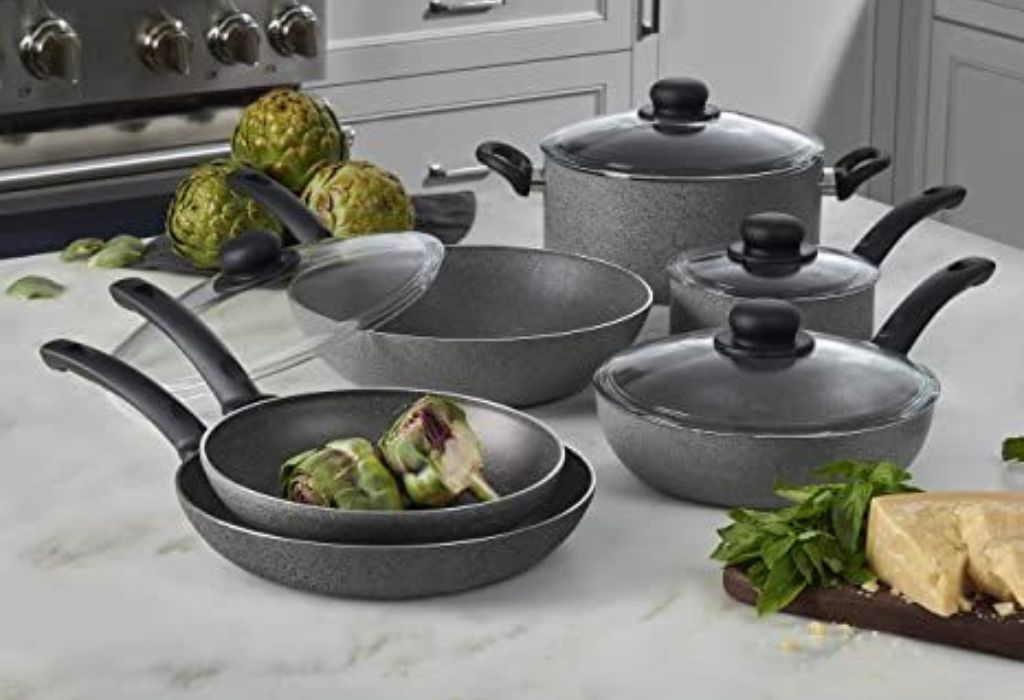
Experts recommend selecting aluminum granite cookware from reputable brands to ensure safety and quality. High-quality cookware adheres to safety standards, uses reliable nonstick coatings, and minimizes risks of chemical leaching.
Following manufacturer guidelines is essential for maintaining both safety and performance. Heat limits, appropriate utensils, and proper cleaning methods should always be observed to preserve the integrity of the cookware.
Avoiding damaged or worn cookware is critical for safe cooking. Peeling, chipping, or scratched surfaces can expose underlying aluminum or degrade nonstick coatings, potentially impacting health and cooking efficiency.
Regular inspection and proper maintenance maximize the lifespan of aluminum granite cookware. By combining careful selection, adherence to guidelines, and routine care, home cooks can enjoy efficient, safe, and worry-free cooking experiences.
Being mindful of these expert recommendations ensures that aluminum granite cookware provides both convenience and safety in everyday cooking.
Awareness of material quality, usage, and care practices allows cooks to maintain a healthy kitchen environment while enjoying the benefits of this versatile cookware.
Is aluminum granite cookware safe for everyday cooking?
Yes, aluminum granite cookware is safe for daily use. The granite coating provides a non-toxic, nonstick barrier that prevents aluminum from leaching into food while offering even heat distribution.
What is aluminum granite cookware made of?
It’s made with an aluminum base for quick, even heating and coated with a granite-inspired layer made from natural minerals and ceramic materials for a durable, nonstick finish.
Does aluminum granite cookware contain harmful chemicals?
No, high-quality granite cookware is free from PTFE, PFOA, lead, and cadmium—making it a safer, eco-friendly alternative to traditional nonstick pans.
Can aluminum leach into food from granite cookware?
No, the granite coating completely seals the aluminum base, preventing any metal contact or leaching, even when cooking acidic foods.
Is granite-coated cookware nonstick?
Yes, the granite surface has natural nonstick properties, allowing you to cook with minimal oil and making cleanup easy.
Is aluminum granite cookware durable for daily use?
Yes, it’s very durable. The combination of aluminum and a granite coating makes it resistant to scratches, corrosion, and everyday wear.
Can I use metal utensils with aluminum granite cookware?
No, avoid metal utensils as they can damage the nonstick coating. Use wooden, silicone, or nylon tools to protect the surface.
Is aluminum granite cookware oven and dishwasher safe?
Many granite-coated pans are oven safe up to 450°F (230°C), but hand-washing is recommended. Dishwashers can wear down the coating over time.
Is aluminum granite cookware induction compatible?
Not all are. Only models with a magnetic stainless-steel base can be used on induction cooktops. Always check the product label for compatibility.
Why is aluminum granite cookware good for everyday cooking?
It’s lightweight, heats evenly, easy to clean, non-toxic, and stylish—making it a reliable, safe, and convenient choice for everyday home cooking.
Conclusion
Aluminum granite cookware can be a safe and effective option for everyday cooking when used and maintained properly. Understanding the potential risks associated with coatings, aluminum leaching, and damage to nonstick surfaces is essential for safe use.
Choosing high-quality brands, following manufacturer guidelines, and using appropriate utensils help minimize health risks while maintaining performance. Proper cleaning, inspection, and careful handling preserve the cookware’s durability and nonstick properties over time.
By being aware of these safety considerations and best practices, home cooks can enjoy the convenience, efficiency, and nonstick benefits of aluminum granite cookware without compromising their health or the quality of their meals.
Informed selection and diligent maintenance ensure a safe, effective, and enjoyable cooking experience in any kitchen.

I’m Emma J. Caldwell, the founder, lead writer, and home-cooking enthusiast behind KitchenGuideCo.com. With a background in culinary arts and over a decade of cooking experience in both professional and personal kitchens, I created this platform to demystify recipes, offer smart kitchen gadget reviews, and guide readers through meal prep with confidence and clarity.