Selecting the right cookware is essential for safe and efficient cooking. Stainless steel cookware with an aluminum core has become popular because it combines the durability of stainless steel with the fast, even heating properties of aluminum.
Despite its benefits, many home cooks question whether aluminum in stainless steel cookware is truly safe for daily use. Concerns include potential aluminum leaching, chemical reactions with acidic foods, and long-term health effects.
A 2023 consumer study found that 61% of respondents were unsure about the safety of multi-layered cookware containing aluminum (source).
Curiosity also centers on the advantages of using aluminum in stainless steel cookware, such as improved heat distribution, faster cooking times, and versatile use across different cooking techniques.
Understanding how these benefits are balanced with safety considerations is key to making informed choices.
What Is Aluminum in Stainless Steel Cookware?

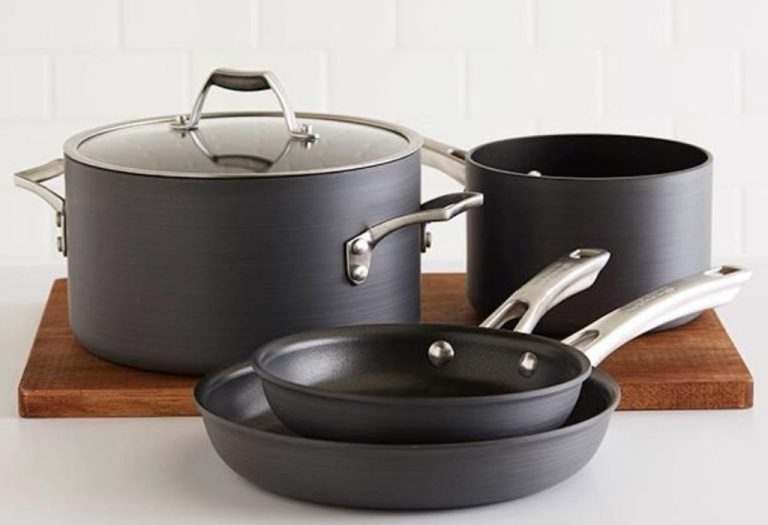
Stainless steel cookware with an aluminum core is a type of multi-layered cookware designed to combine the strengths of both metals.
The stainless steel exterior provides a durable, corrosion-resistant, and non-reactive surface, while the aluminum core improves heat conductivity for faster and more even cooking.
The aluminum layer is completely encapsulated between stainless steel sheets, ensuring that it never directly contacts food. This design prevents aluminum leaching and allows for the benefits of aluminum’s rapid, uniform heat distribution without compromising safety.
One of the main advantages of this construction is the prevention of hot spots. Even heat distribution ensures that delicate foods, such as sauces, eggs, and fish, cook consistently and reduces the risk of burning or sticking.
This cookware is versatile and can handle a wide range of cooking techniques. It is suitable for sautéing, searing, frying, and even simmering, while remaining lightweight and easier to handle than cast iron or pure stainless steel pans.
Proper handling is essential to maintain performance and safety. Using metal utensils or abrasive cleaning tools can damage the stainless steel surface and compromise the protective layers.
Choosing high-quality stainless steel cookware with a fully encapsulated aluminum core ensures long-lasting performance, safe cooking, and consistent results.
In summary, stainless steel cookware with an aluminum core offers a reliable combination of durability, heat efficiency, and safety. Its multi-layer construction allows home cooks to enjoy even cooking, non-reactive surfaces, and long-term usability for everyday kitchen tasks.
Benefits of Aluminum in Stainless Steel Cookware
Stainless steel cookware with an aluminum core offers a unique combination of durability, efficiency, and safe cooking performance. The aluminum core ensures rapid, even heat distribution, while the stainless steel exterior provides a corrosion-resistant and non-reactive cooking surface.
One of the primary advantages is consistent cooking performance. The aluminum core prevents hot spots, ensuring food cooks evenly and reducing the risk of burning delicate ingredients such as sauces, eggs, or fish. This heat efficiency saves time and enhances cooking precision.
Durability is another key benefit. The stainless steel exterior resists scratches, corrosion, and warping, while the encapsulated aluminum core maintains structural integrity even under frequent use. Compared to traditional non-stick or single-metal cookware, this construction offers long-lasting performance.
The cookware is also lightweight and easy to handle. Unlike cast iron, which can be heavy and cumbersome, aluminum-core stainless steel cookware combines strength with manageable weight, making it easier to lift, pour, and store.
Versatility adds further value. It is suitable for a wide range of cooking techniques, including high-heat searing, sautéing, frying, and gentle simmering. The combination of rapid heat conduction and non-reactive surfaces makes it compatible with acidic foods while maintaining taste and safety.
In summary, stainless steel cookware with an aluminum core provides even heating, durability, versatility, and safe, non-reactive cooking. These benefits make it a reliable choice for home cooks seeking a high-performance cookware option suitable for everyday kitchen tasks.
Potential Health Risks
Stainless steel cookware with an aluminum core is generally safe, but understanding potential health risks is important. Concerns primarily focus on aluminum exposure, coating damage, and misuse under extreme cooking conditions.
The aluminum core is fully encapsulated between stainless steel layers, preventing direct contact with food. This design greatly reduces the likelihood of aluminum leaching, even when cooking acidic or high-temperature dishes. High-quality multi-layered cookware is considered safe for everyday use.
Overheating empty pans or prolonged exposure to extreme heat can compromise the structural integrity of the cookware. While this rarely releases aluminum into food, it may reduce durability and non-stick efficiency over time.
Scratches or damage from metal utensils and abrasive cleaning methods can also affect performance. Damaged cookware does not usually pose a significant health risk, but it may reduce the protective benefits of the aluminum layer and increase sticking or uneven heating.
In summary, stainless steel cookware with an aluminum core poses minimal health risks when high-quality materials are used and proper cooking practices are followed.
Monitoring heat, using suitable utensils, and replacing damaged cookware ensures safe, efficient, and reliable use for everyday cooking.
Safe Use and Maintenance Tips
Proper use and maintenance are essential to ensure the longevity and safety of stainless steel cookware with an aluminum core.
Following manufacturer guidelines and adopting careful cooking practices helps maintain the integrity of both the stainless steel surface and the encapsulated aluminum layer.
Avoid overheating empty pans, as extreme temperatures can warp the layers or reduce performance. Cooking on medium to high heat is sufficient for most tasks, preserving durability while ensuring even heat distribution.
Utensil choice is crucial. Wooden, silicone, or plastic utensils prevent scratches, while metal tools can damage the stainless steel surface and reduce the lifespan of the cookware.
Cleaning should be gentle to maintain the protective layers. Hand washing with mild detergents and soft sponges is recommended, as abrasive scrubbers or dishwashers can damage the finish. Proper storage, including using protective layers between stacked pans, prevents warping or chipping.
In summary, careful heat management, appropriate utensil use, gentle cleaning, and thoughtful storage ensure stainless steel cookware with an aluminum core remains a reliable, safe, and efficient kitchen tool.
Adhering to these practices allows home cooks to enjoy even heat, durability, and non-reactive cooking for everyday meals.
Comparison With Other Cookware
Stainless steel cookware with an aluminum core offers a balanced combination of safety, durability, and heat efficiency compared to other common cookware types.
Each material, including raw aluminum, cast iron, ceramic, and traditional stainless steel, has unique strengths and limitations that influence performance and maintenance.
Compared to raw aluminum, the stainless steel exterior prevents direct food contact, eliminating concerns about aluminum leaching.
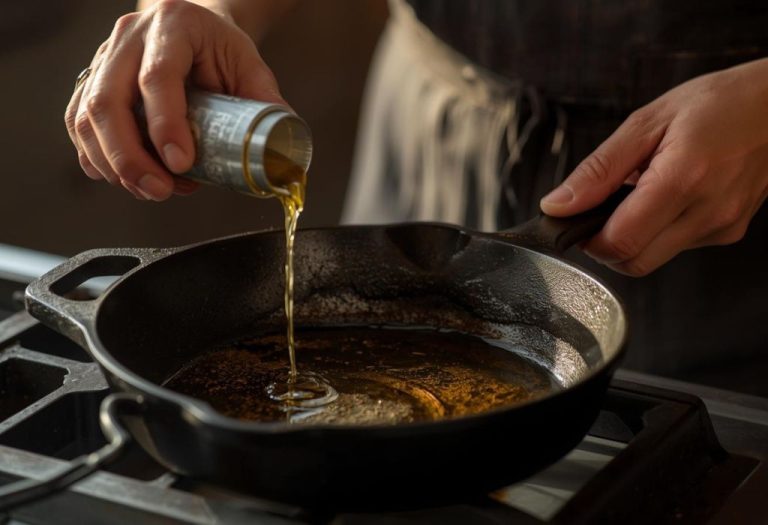
Ceramic cookware provides a non-stick surface but can chip easily, while cast iron retains heat exceptionally well but is heavy and requires seasoning.
Traditional stainless steel is durable and non-reactive but often heats unevenly, making it slower and prone to hot spots.
An aluminum core sandwiched between stainless steel layers bridges these gaps by combining fast, even heating with a non-reactive and durable surface. This makes it versatile for frying, sautéing, simmering, and searing while remaining lightweight and easier to handle than cast iron or plain stainless steel.
Maintenance is another advantage. Stainless steel surfaces are relatively easy to clean, resist corrosion, and do not require seasoning like cast iron. The aluminum core also supports energy-efficient cooking, reducing both cooking time and heat usage.
In summary, stainless steel cookware with an aluminum core offers a practical middle ground between different cookware types. It delivers faster heating than plain stainless steel, better durability than ceramic, and lighter handling than cast iron, making it a safe and efficient choice for everyday cooking.
Expert Recommendations
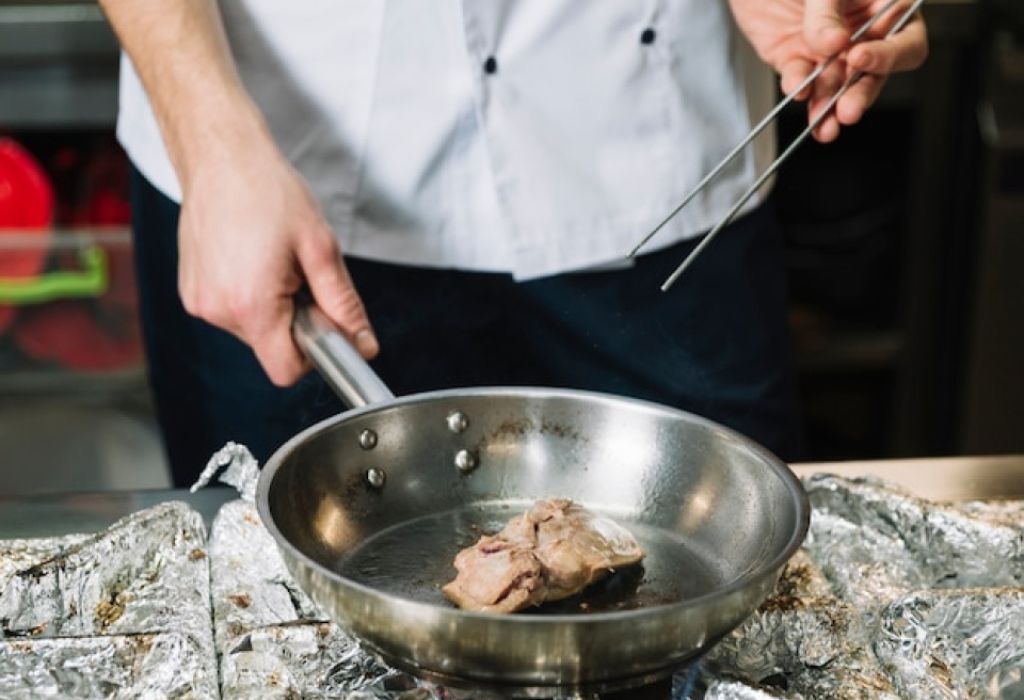
Experts recommend choosing high-quality stainless steel cookware with a fully encapsulated aluminum core to ensure both safety and long-term performance. Certified, reputable brands provide consistent heat distribution, durability, and non-reactive cooking surfaces.
Moderate heat usage is advised to maintain the integrity of the layers. Overheating empty pans or using excessive high heat can compromise durability, though it rarely poses a health risk if guidelines are followed.
Utensil choice and cleaning practices are essential for longevity. Wooden, silicone, or plastic utensils protect the stainless steel surface, while hand washing with mild detergents preserves the protective layers. Proper storage, including using protective separators when stacking pans, prevents warping or chipping.
Many experts suggest combining aluminum-core stainless steel cookware with other types in the kitchen. For example, use it for frying, searing, and sautéing, while reserving non-stick or ceramic pans for delicate foods or low-fat cooking tasks. This approach maximizes safety, convenience, and versatility.
In summary, using certified, high-quality cookware with proper heat management, utensils, and cleaning practices ensures safe, efficient, and long-lasting performance. Home cooks can enjoy the durability, even heating, and non-reactive surfaces of stainless steel cookware with an aluminum core while minimizing risks.
Is aluminum in stainless steel cookware safe to use daily?
Yes, it’s completely safe. The aluminum layer is sealed between stainless steel sheets, so it never touches food or causes metal leaching.
Why do manufacturers add aluminum to stainless steel cookware?
Aluminum is an excellent heat conductor. It helps stainless steel pans heat faster and more evenly, preventing hot spots while cooking.
Can aluminum from this cookware leach into food?
No, because the aluminum core is fully encased in stainless steel, it cannot react with food or leach into it.
Is stainless steel with an aluminum core non-toxic?
Yes, it’s 100% non-toxic. Stainless steel is non-reactive and safe for cooking all types of food, including acidic ingredients.
Does aluminum in stainless steel cookware change the taste of food?
Not at all. Since the aluminum is sealed inside, it has no contact with ingredients and doesn’t affect flavor.
Is this cookware durable enough for daily use?
Yes, stainless steel with an aluminum core is built for long-term daily use. It resists warping, corrosion, and high-heat damage.
Can this cookware be used on induction stoves?
Yes, as long as the outer layer is made of magnetic stainless steel. Most tri-ply and multi-ply cookware sets are induction-ready.
Is it dishwasher safe?
Yes, it’s generally dishwasher safe. However, hand-washing is recommended to maintain the shine and extend its lifespan.
Is aluminum in stainless steel cookware better than copper?
Both materials conduct heat well, but aluminum is lighter, more affordable, and less prone to discoloration—making it ideal for daily cooking.
What are the benefits of using stainless steel cookware with aluminum?
It heats evenly, is safe and durable, works on most cooktops, and provides professional-level performance for everyday cooking.
Conclusion
Stainless steel cookware with an aluminum core is generally safe for daily use when high-quality materials are chosen and proper maintenance practices are followed.
Its multi-layer construction combines fast, even heat distribution, durable stainless steel surfaces, and a non-reactive cooking surface, making it versatile for a wide range of cooking tasks.
The aluminum core enhances heat efficiency, while the stainless steel layers ensure corrosion resistance and food safety. Awareness of heat limits, careful utensil selection, and gentle cleaning practices help maintain performance and prolong the cookware’s lifespan.
Understanding potential risks, such as surface damage or overheating, allows home cooks to make informed decisions when selecting and using cookware. Regular inspection and timely replacement of damaged cookware further ensure both safety and reliability.
Ultimately, stainless steel cookware with an aluminum core provides a balance of durability, performance, and safety.
When used responsibly, it delivers consistent cooking results, supports healthy meal preparation, and serves as a long-lasting, high-performance addition to any kitchen. Proper care and thoughtful use maximize the benefits of this multi-layered cookware solution.

I’m Emma J. Caldwell, the founder, lead writer, and home-cooking enthusiast behind KitchenGuideCo.com. With a background in culinary arts and over a decade of cooking experience in both professional and personal kitchens, I created this platform to demystify recipes, offer smart kitchen gadget reviews, and guide readers through meal prep with confidence and clarity.