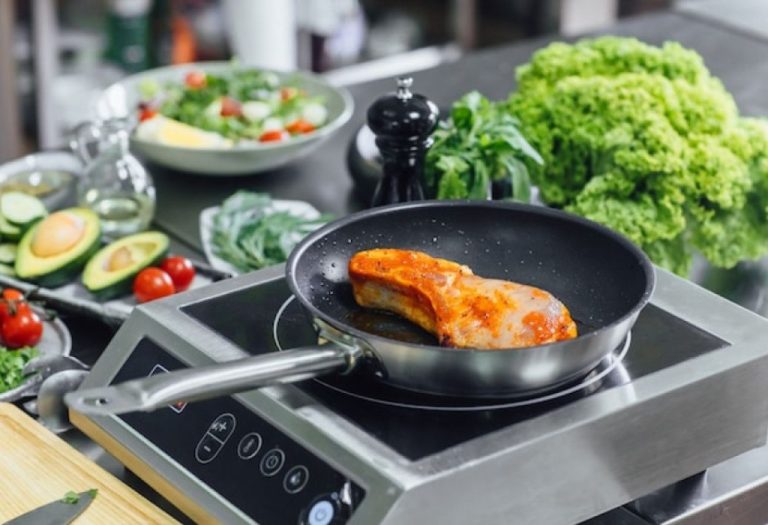
Choosing the right cookware can significantly impact both the quality of meals and safety in the kitchen. Aluminum and granite cookware are two popular options, but each offers unique advantages and potential drawbacks that every home cook should understand.
Aluminum cookware is celebrated for its excellent heat conductivity and lightweight design, making it ideal for fast, even cooking. Granite cookware, on the other hand, features a nonstick coating that reduces the need for oils while providing a stylish and durable cooking surface.
Understanding which material is better suited to your cooking style and safety concerns is essential. Improper use or selection can lead to uneven cooking, reduced durability, or exposure to harmful chemicals found in some nonstick coatings.
Statistics show that high-quality granite-coated cookware can withstand up to 600°F without releasing harmful substances, while aluminum pans may leach small amounts of metal into acidic foods (source).
Additionally, studies indicate that aluminum’s heat conductivity is up to 15 times higher than stainless steel, providing faster and more even cooking (source).
Understanding Aluminum Cookware
Aluminum cookware is renowned for its lightweight construction and excellent heat conductivity, making it a favorite for many home cooks. Its ability to heat up quickly and distribute heat evenly ensures consistent cooking results, whether sautéing, frying, or simmering.
Most aluminum cookware comes with nonstick coatings, although uncoated varieties are also available. Nonstick surfaces reduce the need for excessive oils and simplify cleaning, but some coatings may degrade over time if exposed to high temperatures or abrasive utensils.
One consideration with aluminum is its reactivity to acidic foods, such as tomatoes, citrus, or vinegar-based sauces. Without a protective coating or anodization, aluminum can react with these ingredients, potentially altering flavor and appearance and releasing trace amounts of metal into food.
Aluminum cookware is often more affordable than other materials, making it accessible for budget-conscious home cooks. However, its lighter construction can make it less durable than stainless steel or cast iron, requiring careful handling to prevent warping or dents.
Understanding the benefits and limitations of aluminum cookware allows cooks to select the right type for their kitchen. Proper use, including avoiding overheating and using suitable utensils, ensures optimal performance while minimizing potential health risks.
Understanding Granite Cookware
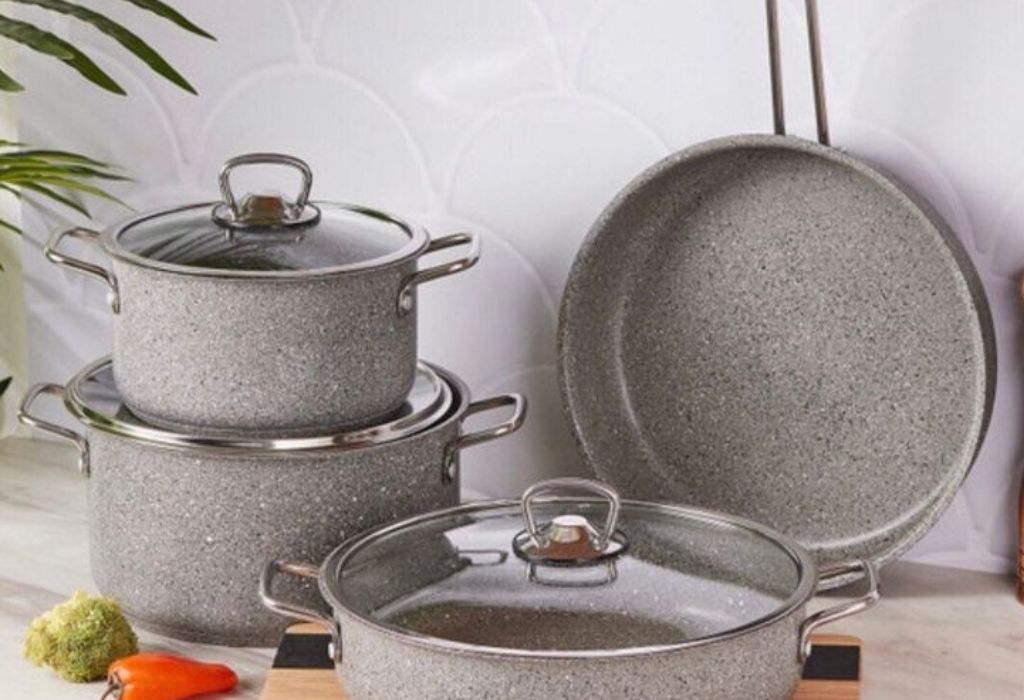
Granite cookware features a metal base, often aluminum, coated with a granite-like nonstick surface that provides both visual appeal and practical functionality. The coating is designed to resist sticking, reduce the need for excessive oils, and simplify cleanup, making it popular among health-conscious home cooks.
The manufacturing process typically involves bonding a layer of enamel or ceramic to the base, creating a speckled, granite-like appearance that is both durable and attractive. This coating enhances scratch resistance compared to traditional nonstick surfaces, although it can degrade over time if misused.
Granite cookware is often heavier than plain aluminum due to the coating, which may affect handling during cooking. While it is generally safe, quality varies among brands, and lower-quality products may contain harmful chemicals in their coatings or be prone to chipping.
The nonstick properties of granite cookware make it ideal for low-fat cooking, baking, and preparing delicate foods without sticking or burning. Understanding its construction, weight, and coating characteristics helps cooks select cookware that aligns with both their safety requirements and culinary needs.
Proper use, including avoiding high heat, using appropriate utensils, and regular inspection for wear, ensures that granite cookware remains safe and effective over time. Awareness of these factors allows home cooks to enjoy consistent performance and safe, efficient cooking in their kitchens.
Comparing Aluminum and Granite Cookware
Aluminum and granite cookware each offer distinct advantages and limitations, making the choice dependent on cooking needs and personal preferences. Aluminum excels in heat conductivity and lightweight handling, while granite provides enhanced nonstick properties and scratch resistance.
In terms of cooking performance, aluminum heats up quickly and distributes heat evenly, which is ideal for sautéing, frying, and simmering. Granite cookware, while slower to heat, allows for low-fat cooking and is better suited for delicate foods that require nonstick surfaces.
Durability is another key consideration. Granite cookware often withstands scratches and wear better than traditional nonstick aluminum, but it may be heavier and prone to chipping if mishandled. Aluminum, particularly anodized varieties, offers a balance of lightweight convenience and durability, though it can dent or warp under heavy use.
Safety considerations also differ. Aluminum can react with acidic foods if uncoated, while granite coatings may degrade at high temperatures or contain chemicals in lower-quality products. Selecting high-quality cookware and following proper usage guidelines mitigates these risks.
Understanding the differences in heat distribution, handling, durability, and safety helps home cooks make informed decisions. By weighing the advantages and limitations of each material, cooks can choose the cookware that best fits their kitchen, cooking style, and health considerations.
Benefits of Aluminum and Granite Cookware
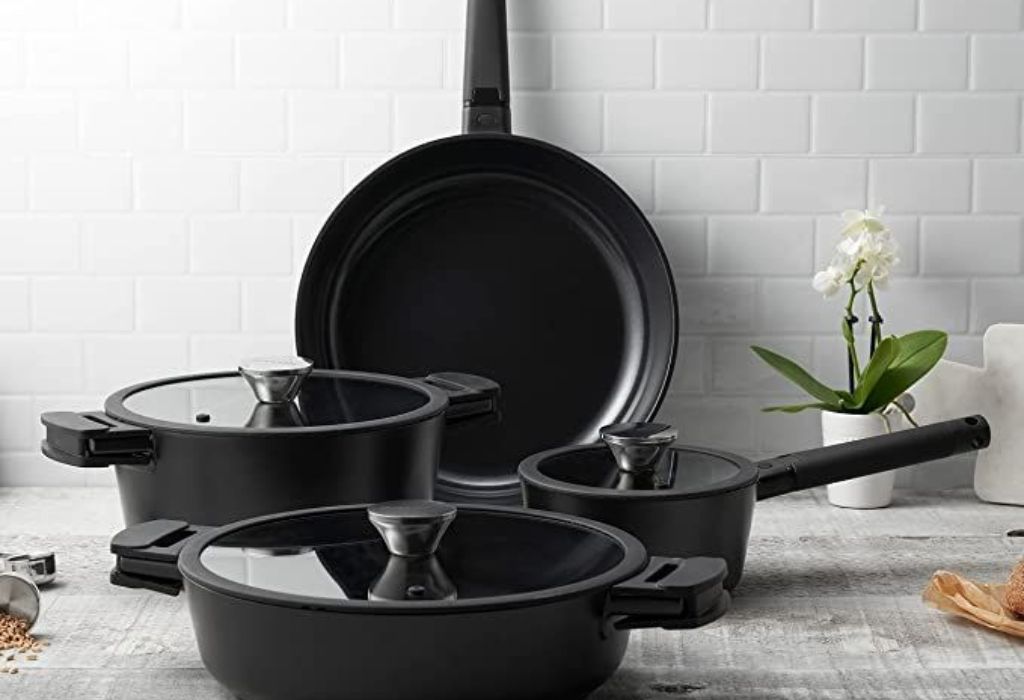
Aluminum cookware offers several advantages that make it a staple in many kitchens. Its lightweight design and excellent heat conductivity allow for rapid, even cooking, making it ideal for a variety of dishes from sautéed vegetables to pan-fried meats.
Nonstick coatings on aluminum reduce the need for excess oils, facilitating healthier cooking and simpler cleanup. Additionally, anodized aluminum provides a durable, non-reactive surface that minimizes metal leaching and enhances safety during everyday use.
Granite cookware, on the other hand, provides superior scratch resistance and a durable nonstick surface that allows for low-fat cooking. Its attractive, speckled appearance also adds aesthetic appeal to the kitchen, making it both functional and visually pleasing.
The nonstick properties of granite coatings make it ideal for delicate foods like eggs, pancakes, or fish, reducing sticking and preventing food from breaking apart. Proper maintenance and careful use extend the life of the cookware and maintain consistent performance over time.
By understanding the benefits of both aluminum and granite cookware, home cooks can make informed decisions about which material best suits their cooking style, health considerations, and kitchen efficiency. Selecting the right cookware ensures safer, easier, and more enjoyable meal preparation.
Potential Drawbacks and Risks
Despite their advantages, both aluminum and granite cookware have potential drawbacks that home cooks should consider. Aluminum can react with acidic foods if uncoated, which may affect flavor and cause trace metal leaching into meals.
Nonstick coatings on aluminum can degrade over time, especially if exposed to high heat or scratched by metal utensils. Similarly, lower-quality granite cookware may contain chemicals in the coating that can release fumes if overheated or degrade quickly with heavy use.
Durability is another concern. Aluminum, while lightweight, can dent or warp under rough handling, whereas granite cookware, though scratch-resistant, can chip if dropped or exposed to rapid temperature changes.
Safety considerations include chemical exposure, heat tolerance, and maintenance requirements. Being aware of these risks allows cooks to take preventive measures and maintain safe cooking practices.
By understanding these limitations, home cooks can use both aluminum and granite cookware safely and effectively. Proper handling, careful use of utensils, and adherence to manufacturer guidelines help mitigate potential risks while ensuring consistent cooking performance.
Safe Usage Practices for Aluminum and Granite Cookware
Proper use is essential to maintain the safety and longevity of aluminum and granite cookware. Avoid overheating the pans, as excessive heat can degrade nonstick coatings, warp aluminum, or damage granite surfaces.
Using the right utensils is critical to prevent scratching and prolong the life of the cookware. Wooden, silicone, or plastic utensils protect nonstick coatings while minimizing the risk of chemical exposure or coating degradation.
Cleaning practices also play a key role in safe usage. Hand washing with mild detergent and a soft sponge preserves the integrity of the cookware, while abrasive cleaners or metal scrubbers can damage coatings and reduce nonstick performance.
Regular inspection of the cookware for signs of wear, chipping, or peeling ensures early detection of potential hazards. Replacing damaged cookware prevents exposure to underlying aluminum or degraded coatings, maintaining safe cooking conditions.
By following these practices, home cooks can enjoy the benefits of aluminum and granite cookware without compromising health or efficiency. Awareness of temperature limits, utensil choice, and proper maintenance ensures both safety and consistent performance in the kitchen.
Comparing Aluminum and Granite Cookware Performance
Aluminum and granite cookware differ in their cooking performance, which influences their suitability for various culinary tasks. Aluminum excels in heat conductivity, allowing pans to heat up quickly and distribute heat evenly, making it ideal for frying, sautéing, and other high-heat cooking methods.
Granite cookware, while offering a durable nonstick surface, may not conduct heat as evenly as aluminum. This makes it better suited for low-fat cooking, baking, or preparing delicate foods that require gentle, even heat without sticking.
Weight and handling also affect performance. Aluminum’s lightweight construction allows for easy maneuverability, while granite cookware is typically heavier, providing stability but requiring more effort when handling large or full pans.
Durability varies as well. Granite coatings are generally scratch-resistant but can chip if mishandled, whereas aluminum is more prone to dents or warping but maintains heat distribution effectively.
By understanding these differences, cooks can select cookware that best fits their kitchen needs. Choosing based on performance, handling, and durability ensures efficient, safe, and enjoyable cooking experiences.
Expert Recommendations for Choosing Cookware
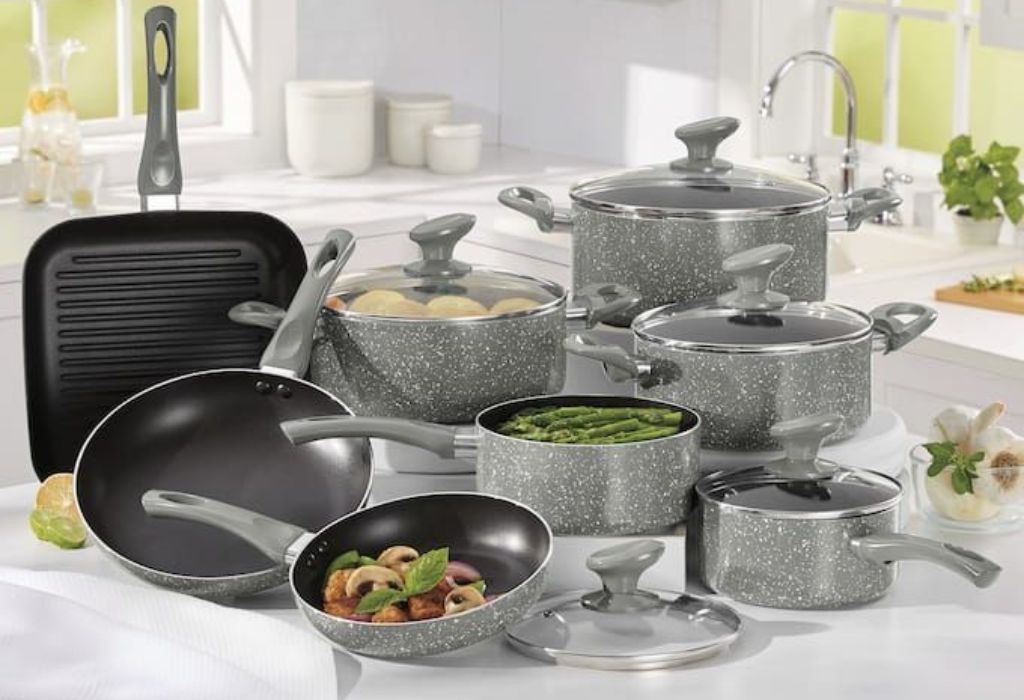
Experts advise selecting cookware based on cooking style, safety, and material quality. High-quality aluminum or granite cookware from reputable brands ensures durability, even heat distribution, and safer nonstick surfaces.
Understanding personal cooking habits helps in choosing the right material. Aluminum is preferred for fast, high-heat cooking, while granite excels for low-fat, delicate, or nonstick-focused recipes.
Maintenance and proper use are equally important. Following manufacturer guidelines, using appropriate utensils, and avoiding overheating preserves the cookware’s integrity and prevents potential chemical exposure.
Inspecting cookware regularly for signs of wear, peeling, or damage is crucial. Replacing compromised cookware maintains safety, enhances performance, and prolongs the life of the cookware.
By combining informed material choice, proper use, and routine maintenance, home cooks can maximize both safety and efficiency in the kitchen. Expert recommendations ensure that cookware meets cooking needs while minimizing risks and maintaining long-term performance.
Is aluminum or granite cookware better for everyday use?
Both are great choices, but for everyday cooking, granite cookware is safer and more user-friendly because of its nonstick, non-toxic coating, while aluminum cookware is better for fast, even heating and lightweight handling.
Which heats up faster — aluminum or granite cookware?
Aluminum cookware heats up faster because aluminum is a superior conductor of heat. Granite cookware takes slightly longer to heat but retains temperature more consistently once hot.
Is granite cookware healthier than aluminum?
Yes, granite cookware is generally considered healthier since its coating prevents metal leaching and is free from PTFE, PFOA, lead, and cadmium. Bare aluminum can react with acidic foods if uncoated.
Does aluminum cookware leach into food?
Uncoated aluminum can leach small amounts into food, especially with acidic dishes. Granite-coated cookware prevents this since the aluminum core is completely sealed under the coating.
Which cookware lasts longer — aluminum or granite?
Anodized aluminum is highly durable and can last for years. Granite cookware is also durable but requires gentle care to avoid scratching the nonstick coating.
Is aluminum cookware easier to clean than granite cookware?
Granite cookware is easier to clean because of its slick, nonstick surface. Aluminum pans without coating may require more scrubbing to remove stuck food.
Can both aluminum and granite cookware go in the dishwasher?
Aluminum should be hand-washed to prevent discoloration. Granite-coated cookware is sometimes labeled dishwasher safe, but hand-washing is still recommended to protect the coating.
Which cookware is safer for high-heat cooking?
Anodized aluminum performs well at high heat, while granite cookware should be kept under 450°F (230°C) to preserve its nonstick surface.
Is aluminum cookware lighter than granite cookware?
Yes, aluminum is much lighter and easier to maneuver, making it a better choice for quick or portable cooking like camping or everyday use.
Which is better overall for daily cooking — aluminum or granite?
For fast, efficient cooking, aluminum is ideal. For health-conscious, low-oil, and easy-clean meals, granite cookware is the better everyday choice. Many home cooks prefer granite-coated aluminum cookware, which combines both benefits in one.
Conclusion
Deciding whether aluminum or granite cookware is better depends on individual cooking needs, safety concerns, and personal preferences. Aluminum offers excellent heat conductivity and lightweight handling, while granite provides a durable nonstick surface and scratch resistance.
Considering factors such as cooking style, cookware maintenance, and potential chemical exposure ensures safe and efficient use. Selecting high-quality cookware from reputable brands and following proper usage guidelines maximizes both performance and safety.
By understanding the benefits and drawbacks of aluminum and granite cookware, home cooks can make informed decisions that enhance cooking efficiency, maintain food quality, and provide a safe, enjoyable kitchen experience. Proper selection and maintenance allow these versatile cookware options to serve reliably for years.

I’m Emma J. Caldwell, the founder, lead writer, and home-cooking enthusiast behind KitchenGuideCo.com. With a background in culinary arts and over a decade of cooking experience in both professional and personal kitchens, I created this platform to demystify recipes, offer smart kitchen gadget reviews, and guide readers through meal prep with confidence and clarity.