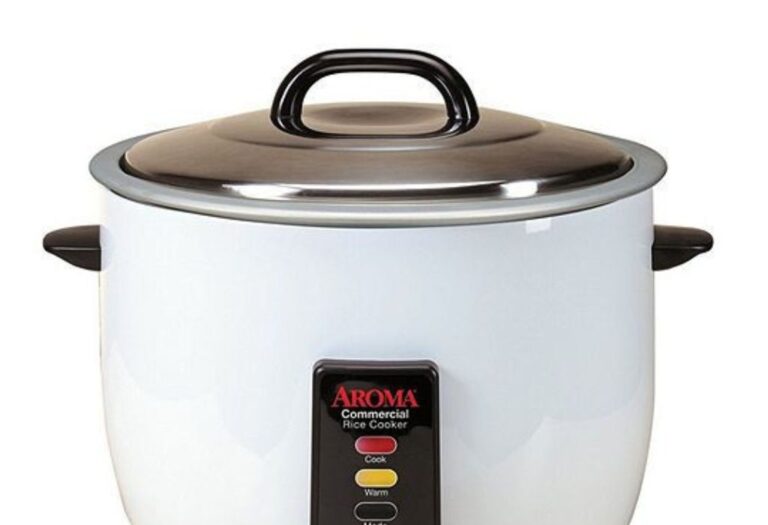
If you’re wondering, is aluminum rice cooker safe, you’re not alone! It’s a common question, especially for those just starting out in the kitchen. The thought of cooking food in aluminum can be tricky, and it’s normal to have some concerns. But don’t worry! This guide will break it down in a way that’s easy to follow. We’ll explore the facts and help you decide what’s best for you and your family. Let’s get cooking and explore this topic thoroughly!
The Aluminum Rice Cooker Safety Question: What’s the Deal?
The core question of is aluminum rice cooker safe often arises because aluminum can react with food, potentially leaching into it. This is a legitimate concern, and the science behind it involves the nature of aluminum and how it interacts with different substances. When aluminum comes into contact with acidic foods or high-heat environments, the potential for some level of aluminum transfer increases. However, the amount that might transfer is usually quite small. Furthermore, studies on the health effects of aluminum exposure have yielded mixed results, and the safety of aluminum cookware is still debated. Several factors influence how much aluminum might migrate from the cookware into your food, including the acidity of the food, the temperature at which it’s cooked, and the condition of the cookware itself. For example, if the coating on an aluminum rice cooker is damaged, it could increase the chances of aluminum transferring to the food. The quality of the aluminum used in the cooker is also a factor.
Understanding Aluminum’s Properties
Aluminum is a lightweight, silvery-white metal that is widely used in various applications because of its useful properties. It’s a good conductor of heat, which is excellent for cooking as it ensures even heat distribution, helping to cook food uniformly. Its resistance to corrosion is another plus, particularly if the surface is properly treated, like with an anodized coating, which creates a protective layer. However, aluminum is also a reactive metal, and this is where the concern about food safety comes in. It can react with acidic substances and high temperatures, which can lead to it transferring into the food. The amount of aluminum that leaches into food from cookware is often small, but it’s the potential for this transfer that raises questions. The safety of using aluminum in cookware, including rice cookers, is always under scrutiny.
- Heat Conductivity: Aluminum’s effectiveness as a conductor ensures that heat is spread out rapidly and evenly across the cooking surface. This property is particularly valuable when cooking rice as it encourages uniform cooking throughout the grains. Without this ability, some sections of the rice could remain uncooked while others overcook.This even heating is a key factor in how quickly and efficiently food, such as rice, cooks. Aluminum rice cookers, therefore, benefit from a natural characteristic that helps provide a good cooking environment.
- Lightweight Nature: Aluminum is known for being lighter than many other metals, making rice cookers easy to handle. This aspect makes them more user-friendly, reducing strain during use.Its lightweight nature helps in making the entire cooker mobile and manageable. It is also easier to clean, as you can lift and maneuver the cooker easily during washing.
- Durability: Aluminum, in its raw form, is prone to dents and scratches. However, it can be enhanced through processes like anodization, which creates a hard, durable surface.Anodized aluminum can also improve resistance to corrosion, adding longevity to the cookware. Proper care and regular maintenance, such as avoiding abrasive cleaning agents, can further enhance its lifespan.
- Reactivity: Aluminum’s tendency to react with certain foods is a key area of concern. The amount of transfer can be affected by the food’s acidity and cooking temperatures.The reactivity is most pronounced with foods that are acidic, such as tomatoes or citrus-based items. The surface of aluminum cookware can react and release some metal into the food, which is why it is important to be aware of the interaction of aluminum with different food types.
Aluminum Coatings and Their Impact
The presence or absence of coatings plays a significant role in aluminum rice cookers. Many aluminum rice cookers have some type of coating to improve their durability and safety. Common coatings include non-stick surfaces, which help prevent food from sticking and make cleaning easier. These coatings also help to reduce the direct contact of food with the aluminum itself, thereby minimizing the possibility of aluminum leaching into the food. Anodization is another treatment, and this involves creating an oxide layer on the aluminum. This layer makes the surface harder and more resistant to corrosion, reducing its reactivity with foods. However, coatings can wear down over time, particularly with scratches from utensils or abrasive cleaning. When coatings are damaged, the base aluminum is exposed. That exposure can increase the chances of aluminum transfer. The condition and type of coating are important when considering is aluminum rice cooker safe.
The design of the coating is important for several reasons:
- Non-Stick Coatings: These coatings help reduce the amount of food that sticks to the cooker, which reduces the need for heavy scrubbing and potentially scratching the surface. This can increase the lifespan of the cooker.They are generally effective at preventing food from adhering to the aluminum. By minimizing direct contact between the food and the aluminum, the transfer of aluminum is limited.
- Anodized Aluminum: Anodization is an electrochemical process that creates a thick layer of aluminum oxide. This layer is much harder and more resistant to scratches and corrosion compared to untreated aluminum.Anodized surfaces are less reactive and do not easily transfer aluminum. The durable surface improves the cooker’s resistance to food interaction and improves safety.
- Food Contact Safety Standards: Any coating used in cookware must comply with health and safety standards. These standards often include tests to ensure that the coating does not leach harmful substances into the food.Choosing a cooker with food-grade coatings means that the product meets the stringent safety requirements. This provides extra protection.
- Durability of the Coating: Coatings may degrade over time due to wear and tear. Therefore, choosing a cooker with a durable coating can prevent frequent replacement and potential aluminum exposure.This includes using the right utensils to avoid scratching the surface and cleaning the cooker correctly. Proper care helps preserve the coating.
Safety Considerations: Using Aluminum Cookware for Rice
When thinking about is aluminum rice cooker safe, the specific ways you use the cooker are important. One key factor is the type of food cooked in it. Rice is generally considered neutral in acidity, which reduces the potential for aluminum transfer compared to more acidic foods. However, the cooking process itself involves heat and water, which can still affect how aluminum interacts with food. Another concern is the maintenance of the cookware. Scratches, dents, or wear on the surface of the aluminum can increase the exposure of the food to the metal. The presence and condition of any coatings on the rice cooker are key. Non-stick coatings can provide a barrier, reducing the risk of aluminum transfer. The quality of the aluminum used in the cooker is also a factor. Choosing reputable brands and products that meet safety standards can provide additional reassurance. Regular inspection of the cooker is also beneficial. Watch for any signs of damage or wear, and replace the cooker if needed.
Best Practices for Safe Usage
Using aluminum rice cookers safely involves several precautions. Here’s a set of best practices to follow to minimize risks and ensure food safety:
- Inspect the Cooker Regularly: Before each use, visually inspect the rice cooker’s interior for any signs of damage, such as scratches, dents, or peeling coatings.Any damage can expose the aluminum, potentially increasing the transfer of aluminum into your food. Cookers with significant damage should be replaced to prevent unsafe aluminum exposure.
- Use Non-Abrasive Utensils: To avoid scratching the surface of the cooker, always use non-abrasive utensils, such as wooden, plastic, or silicone spoons and spatulas.Metal utensils can easily scratch the surface, which is particularly important if your cooker has a non-stick coating. Regular damage can wear down the protective layers and increase the likelihood of aluminum transfer.
- Avoid Acidic Foods: While rice itself is not very acidic, avoid cooking highly acidic foods directly in an aluminum rice cooker. This includes tomatoes, citrus fruits, and any dishes that use a lot of vinegar or lemon juice.Acidic foods can react more strongly with aluminum, which may cause more of the metal to transfer to your food. Cooking these foods in a different pot is a safer option.
- Proper Cleaning: Always clean the rice cooker after each use, following the manufacturer’s instructions. Use a mild detergent and a soft sponge or cloth to avoid damaging the surface.Harsh cleaners and abrasive pads can damage protective coatings and accelerate wear and tear, eventually exposing the aluminum. Washing the cooker is always a smart idea.
- Consider the Coating: If the rice cooker has a non-stick coating, make sure it is in good condition. If the coating is scratched or peeling, consider replacing the cooker.Non-stick coatings offer protection. As coatings wear down, they are less effective at protecting you. Regularly checking the coating is wise.
Comparing Aluminum to Other Materials
Comparing aluminum to other materials can provide a more well-rounded view on is aluminum rice cooker safe. Stainless steel rice cookers, for instance, are known for their inert nature and resistance to corrosion, meaning they don’t react with foods. They are generally considered very safe and durable, making them a popular choice. However, they may not conduct heat as evenly as aluminum, which can affect cooking consistency. Ceramic rice cookers are another option, valued for their non-reactive and often non-stick surfaces, which make them easy to clean. They also offer excellent heat distribution. However, they may be more fragile than aluminum or stainless steel. Glass rice cookers are also available; they’re non-reactive and transparent, allowing you to see the cooking process. Glass, however, can be prone to cracking with temperature changes. Each material has its advantages and disadvantages regarding safety, durability, and cooking performance. The best choice often depends on your priorities.
| Material | Pros | Cons | Safety Considerations |
|---|---|---|---|
| Aluminum | Good heat conductivity, lightweight, relatively inexpensive | Can react with acidic foods, potential for aluminum transfer | Use with caution, ensure coatings are intact, avoid acidic foods |
| Stainless Steel | Non-reactive, durable, easy to clean | May not conduct heat as evenly as aluminum, can be more expensive | Generally very safe, no major safety concerns |
| Ceramic | Non-reactive, often non-stick, easy to clean | Can be more fragile, may not distribute heat as evenly as aluminum | Safe, but inspect for chips or cracks |
| Glass | Non-reactive, allows visual monitoring | Can crack with temperature changes | Safe, but handle with care, watch for cracks |
Alternatives to Aluminum Rice Cookers
If you have any safety concerns about is aluminum rice cooker safe, various alternatives are available. These alternatives often use materials that are less reactive and offer similar cooking functionality. Stainless steel rice cookers are an excellent choice. Stainless steel is known for its inert nature, which means it doesn’t react with food and is highly resistant to corrosion. They are durable, easy to clean, and usually don’t have any coatings that could wear off. Ceramic rice cookers provide a non-reactive and often non-stick cooking surface. Ceramic is also a good heat conductor, making these cookers useful in a cooking setting. However, they can sometimes be more fragile than metal options. Another option is a rice cooker with a Teflon coating. Teflon can be a practical choice, as it’s designed to be non-stick and doesn’t easily react with food. The safety of Teflon has been discussed, and it’s important to ensure the coating is intact. Choosing the right alternative involves evaluating your priorities, safety preferences, and cooking habits. The availability of choices ensures that consumers can choose the option that best fits their needs.
Types of Alternative Cookers
To provide alternatives to aluminum rice cookers, several other types of rice cookers can be considered. The choice depends on a variety of things, including cooking preferences, budget, and safety concerns.
- Stainless Steel Rice Cookers: Stainless steel is a popular and very safe option because it is known for being inert. It does not react with foods, and it has no coatings that can wear off, offering great durability and is easy to clean.They are a good choice for those prioritizing safety and long-lasting use. Stainless steel is resistant to rust, corrosion, and is very hygienic.
- Ceramic Rice Cookers: Ceramic rice cookers are another option. Ceramic is non-reactive and often has a non-stick surface, making it easier to clean. They also provide even heat distribution.These cookers are a great choice if you prioritize ease of cleaning and cooking performance. Make sure to check them for any chips or cracks, as ceramic can be more fragile than metal.
- Rice Cookers With Non-Stick Coatings (PTFE/Teflon): Many rice cookers use non-stick coatings, often made with PTFE (Polytetrafluoroethylene), commonly known as Teflon. These coatings help prevent food from sticking and make cleanup easy.The main concern with this type is the safety of the coating itself and that it doesn’t degrade. Make sure to keep the coating in good condition.
- Induction Rice Cookers: These cookers use induction heating to heat the pot directly, usually a stainless steel or ceramic pot. They offer fast and even cooking.They often use safe materials for the cooking pot. Induction cooking is energy-efficient and provides a consistent cooking experience.
Factors for Choosing a Replacement
Choosing a replacement for an aluminum rice cooker involves several things. Start by considering your primary concerns: Is it about the potential for aluminum exposure, ease of cleaning, or cooking performance? Stainless steel is a great option if safety is your main concern, as it’s non-reactive. Ceramic is a good choice for non-stick surfaces and even heating. If you don’t mind the non-stick coating, consider the quality and longevity of the coating, making sure it’s safe to use. Next, consider features like the size of the cooker, how many people you usually cook for, and what extra features you’d like. Compare the different options and think about how they fit into your budget. When choosing a replacement, always consider your personal needs and priorities.
- Safety: Prioritize materials that do not react with food. This would mean avoiding aluminum and opting for stainless steel or ceramic.Look for certifications to ensure that the cooker and its components meet safety standards.
- Ease of Use: Choose a cooker with features that make cooking and cleaning easier.Consider non-stick surfaces, dishwasher-safe components, and simple controls.
- Durability: Opt for materials that will last, and choose quality construction to save money.Read reviews to see what users say about how long the cooker lasts.
- Cooking Performance: Consider whether the cooker offers the features that match your cooking needs.Look for even heat distribution and smart functions.
- Cost: Set a budget before you start shopping, and explore different options.Read reviews, compare features, and find the best value for your needs.
Frequently Asked Questions
Question: Does aluminum leach into food from rice cookers?
Answer: Yes, aluminum can leach into food, especially with acidic foods or if the cooker’s surface is damaged, but the amount is usually small.
Question: Are all aluminum rice cookers unsafe?
Answer: Not necessarily. The safety of an aluminum rice cooker depends on factors like the type of coating, the condition of the cooker, and the foods being cooked. Regularly checking the cooker and maintaining the surface is wise.
Question: What’s the best alternative to an aluminum rice cooker?
Answer: Stainless steel is a great alternative because it doesn’t react with food and is durable. Ceramic is another option, offering non-stick surfaces and even heating.
Question: How do I clean my rice cooker safely?
Answer: Always follow the manufacturer’s instructions. Usually, it involves using a mild detergent, warm water, and a soft cloth or sponge to avoid scratching the surface.
Question: What should I do if my aluminum rice cooker’s coating is damaged?
Answer: If the coating is damaged or peeling, it’s best to replace the cooker to avoid potential aluminum exposure.
Final Thoughts
So, is aluminum rice cooker safe? The answer isn’t a simple yes or no. The safety of using an aluminum rice cooker depends on several factors, including the condition of the cooker and how it’s used. While aluminum can transfer to food, the amount is often minimal, particularly if the cooker is well-maintained and used carefully. However, if you have safety concerns, consider alternative materials like stainless steel or ceramic. Regularly inspect your cookware, use non-abrasive utensils, and avoid cooking acidic foods. By following these guidelines, you can make informed choices to ensure your cooking practices align with your personal preferences and needs. Cooking is all about enjoying good food, so embrace the information, choose what’s best for you, and keep enjoying those delicious rice dishes!

I’m Emma J. Caldwell, the founder, lead writer, and home-cooking enthusiast behind KitchenGuideCo.com. With a background in culinary arts and over a decade of cooking experience in both professional and personal kitchens, I created this platform to demystify recipes, offer smart kitchen gadget reviews, and guide readers through meal prep with confidence and clarity.