Non-stick cookware has transformed modern kitchens, making cooking and cleaning easier than ever. However, concerns about chemical safety have prompted many consumers to question what materials are in these pans.
PTFE, also known as Teflon, is a common non-stick coating that has raised health alarms when overheated. Exposure to fumes from overheated PTFE can cause polymer fume fever in humans and is extremely toxic to pet birds (source).
Anolon is a widely used cookware brand known for its hard-anodized aluminum pans with non-stick coatings. Questions like “is Anolon cookware PTFE free” have become increasingly common among health-conscious cooks who want to ensure their cookware is safe for daily use.
Choosing the right cookware can minimize exposure to potentially harmful chemicals while still providing the convenience of non-stick cooking.
According to the U.S. Environmental Protection Agency, PFOA and PFOS, once used in some non-stick coatings, have been phased out due to their environmental persistence and health concerns (source).
Understanding PTFE and Its Role in Cookware
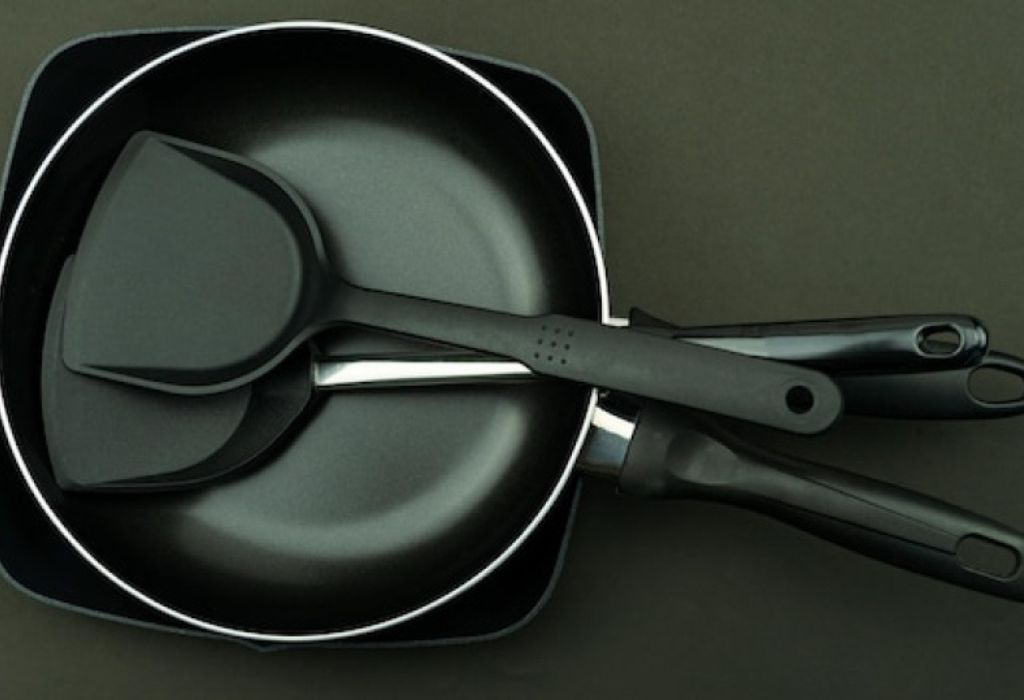
PTFE, or polytetrafluoroethylene, is a synthetic polymer widely used in non-stick cookware for its ability to prevent food from sticking.
This property allows for easier cooking and cleaning, which contributed to its popularity in modern kitchens.
While PTFE is chemically inert under normal cooking conditions, overheating can pose risks. Temperatures above 260°C (500°F) can cause the coating to break down and release fumes that may induce polymer fume fever in humans and are highly toxic to pet birds (source).
PTFE is sometimes combined with chemicals like PFOA in older cookware formulations to enhance durability. PFOA has been associated with environmental persistence and potential health concerns, leading to its phase-out in many countries. PTFE alone is safer but still requires cautious use (source).
Regulatory agencies such as the FDA consider PTFE safe when used according to manufacturer guidelines.
Key recommendations include avoiding preheating empty pans and cooking at excessively high temperatures to prevent the release of harmful fumes.
Consumer demand for alternatives to PTFE-coated cookware has increased in recent years. Brands offering ceramic or mineral-coated cookware provide non-stick performance without PTFE, giving health-conscious consumers a safer choice for everyday cooking.
Understanding PTFE’s properties, associated risks, and safe use is essential for making informed decisions in the kitchen. This knowledge allows buyers to select cookware that balances convenience, durability, and safety while minimizing chemical exposure.
Does Anolon Cookware Contain PTFE?
Anolon cookware is widely recognized for its hard-anodized aluminum construction and non-stick performance. Many of its non-stick pans are coated with PTFE, which allows food to release easily and simplifies cleaning.
The PTFE coating provides a smooth, non-stick surface, making cooking less dependent on oils or fats. This can support healthier cooking habits while maintaining convenience in the kitchen.
Hard-anodized aluminum, the base material for most Anolon cookware, adds durability and even heat distribution. It is resistant to corrosion and warping, contributing to the long lifespan of the pans.
While PTFE offers convenience, it requires careful handling to prevent overheating. Exceeding the recommended cooking temperatures can break down the coating and release fumes that pose health risks (source).
Some Anolon lines also incorporate reinforced surfaces to improve scratch resistance and durability. Despite these enhancements, following the manufacturer’s usage and care guidelines is essential to maintain safety and non-stick performance.
Consumers looking for PTFE-free alternatives may need to explore different brands or specialized lines, as standard Anolon non-stick pans typically contain PTFE.
Understanding the composition of Anolon cookware empowers buyers to make informed choices for safe and convenient cooking.
Overall, Anolon combines non-stick convenience with durability, but users must be aware of its PTFE coating. Proper use and maintenance ensure safe, effective, and long-lasting performance in the kitchen.
Benefits of Anolon Cookware
Anolon cookware has become a popular choice among home cooks and professional chefs due to its combination of durability and non-stick convenience.
The hard-anodized aluminum construction provides even heat distribution, which ensures consistent cooking results across the entire surface of the pan.
This feature allows for precise temperature control and reduces the risk of hot spots that can burn food.
The PTFE non-stick coating in Anolon cookware minimizes the need for cooking oils or fats. This allows for healthier meal preparation and easier cleanup, making it ideal for everyday cooking.
The smooth surface ensures that delicate foods such as eggs, fish, or pancakes slide off effortlessly, reducing food waste and maintaining presentation quality.
Durability is another major advantage of Anolon cookware. The hard-anodized aluminum base is resistant to corrosion, warping, and denting, which extends the lifespan of the cookware compared to traditional aluminum or stainless steel pans.
Reinforced non-stick surfaces improve scratch resistance, making it compatible with wooden, silicone, and plastic utensils while still requiring careful handling to maintain longevity.
Anolon cookware also offers ergonomic designs for comfort and safety. Handles are often riveted and designed to stay cool, allowing safer handling during cooking. Lids are tempered and shatter-resistant, which adds another layer of convenience and safety.
Overall, Anolon cookware delivers a combination of health-conscious benefits, cooking performance, and durability. Choosing Anolon pans allows consumers to cook with confidence, knowing that the cookware balances non-stick convenience with long-term reliability. Proper usage and maintenance ensure that these benefits are maximized over the lifetime of the cookware.
Common Misconceptions About Non-Stick Cookware
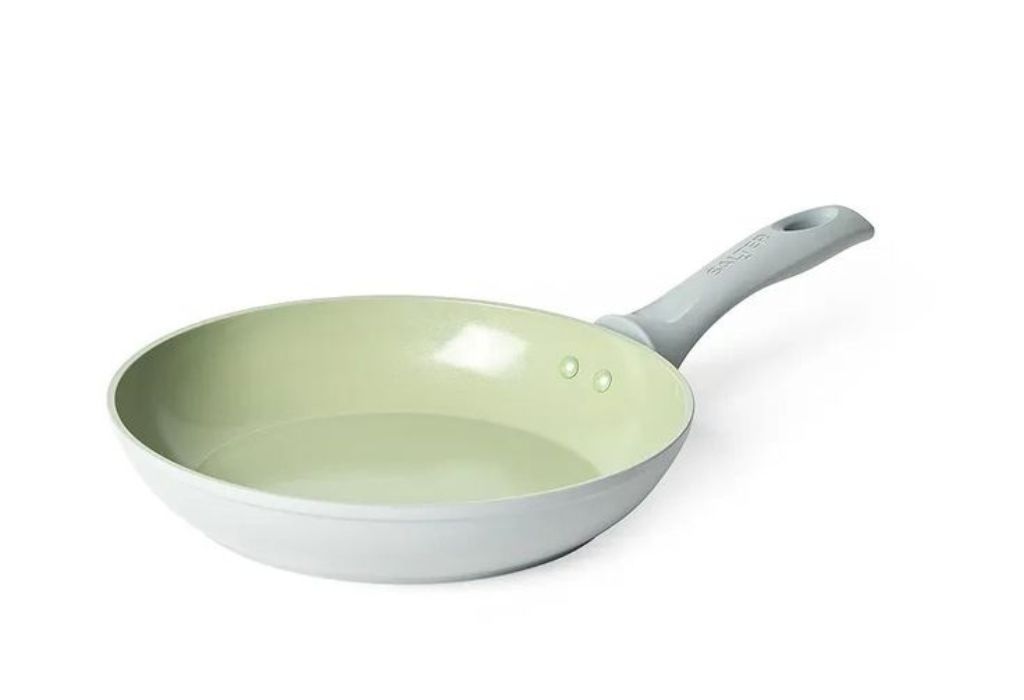
Many consumers hold misconceptions about non-stick cookware, leading to confusion when choosing products like Anolon. One common myth is that all non-stick pans are inherently unsafe.
While PTFE coatings require careful handling, following proper usage guidelines ensures safe cooking, and the coatings themselves are chemically stable under recommended conditions (source).
Another misconception is that PTFE-coated cookware is inferior to ceramic or cast iron. While ceramic is PTFE-free and cast iron offers durability, Anolon provides non-stick convenience without compromising performance, durability, or heat distribution. It strikes a balance between ease of use and cooking quality, making it suitable for a variety of tasks.
Some buyers believe that non-stick coatings wear out quickly. High-quality Anolon pans incorporate reinforced surfaces to improve scratch resistance and maintain non-stick properties for years with proper care. Avoiding metal utensils and abrasive cleaning materials further prolongs the lifespan of the coating.
Another myth is that all non-stick cookware is unsafe for high-temperature cooking. Anolon cookware is designed to withstand medium to high heat, but overheating any non-stick surface, including PTFE coatings, should be avoided to prevent breakdown and fumes.
Understanding these misconceptions allows consumers to make informed choices. Recognizing the benefits and limitations of Anolon and similar non-stick cookware helps buyers select products that are safe, effective, and aligned with their cooking habits.
Comparing Anolon Cookware with Other Non-Stick Options
When selecting cookware, it is helpful to compare Anolon with other non-stick alternatives to understand its advantages and limitations.
Traditional PTFE-coated pans provide excellent non-stick performance but can release harmful fumes if overheated.
Anolon’s PTFE-coated surfaces offer similar performance while requiring proper handling to maintain safety (source).
Ceramic cookware is another non-stick option that is free from PTFE. Ceramic coatings provide a smooth, non-stick surface without the potential health risks associated with PTFE.
However, ceramic coatings can wear over time and may be more prone to chipping if not handled carefully.
Cast iron cookware is valued for durability and superior heat retention. It requires regular seasoning to maintain a natural non-stick surface and is significantly heavier than Anolon pans.
While cast iron offers excellent cooking performance, Anolon provides non-stick convenience without the need for seasoning.
Stainless steel cookware is highly durable and scratch-resistant but lacks inherent non-stick properties. Cooking with stainless steel often requires more oil or fat, whereas Anolon’s non-stick surface allows for healthier cooking with minimal added fats.
Durability, heat distribution, and maintenance are key factors in comparing cookware types. Anolon pans provide a balance of non-stick performance, durability, and ease of use, making them suitable for a wide range of cooking styles.
Understanding these differences helps consumers make informed choices that align with their kitchen habits and health priorities.
How to Safely Use and Maintain Anolon Cookware
Proper use and maintenance are essential to maximize the lifespan and performance of Anolon cookware. Even though the non-stick surface provides convenience, overheating can damage the coating and reduce its effectiveness.
Using the right utensils helps preserve the non-stick surface. Wooden, silicone, or plastic tools are ideal, while metal utensils can scratch or chip the coating, diminishing its performance.
Cleaning practices also play a critical role in durability. Allow Anolon cookware to cool before washing, and use mild dish soap with a soft sponge. Avoid abrasive scrubbers or steel wool, which can damage the coating and compromise non-stick properties.
Regularly inspecting cookware ensures safe use. If the non-stick surface shows signs of wear, chipping, or peeling, it is time to replace the pan to maintain cooking safety and effectiveness. Following the manufacturer’s care instructions protects both the user and the cookware.
Proper usage and maintenance not only extend the life of Anolon pans but also ensure safe and effective cooking. By following these simple guidelines, consumers can enjoy the convenience of non-stick cooking while minimizing potential risks and protecting their investment.
Choosing the Right Anolon Cookware for Your Kitchen
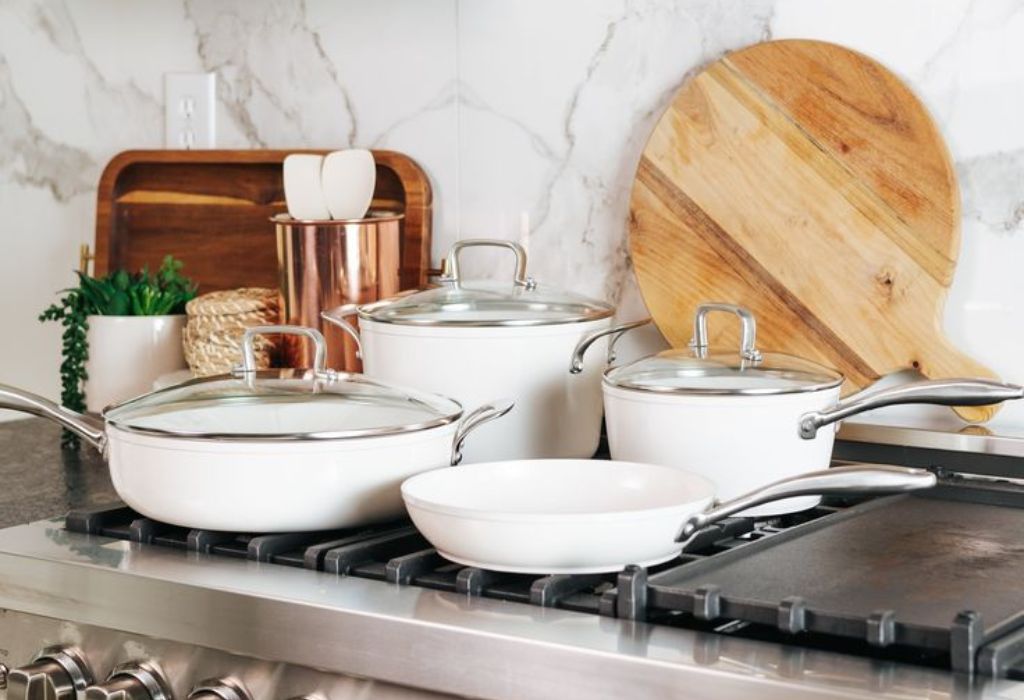
Selecting the right Anolon cookware involves assessing cooking needs, frequency of use, and personal preferences. Hard-anodized aluminum pans with PTFE coatings are ideal for everyday tasks such as frying, sautéing, and simmering, providing even heat and easy food release.
For heavier cooking or large meals, consider reinforced surfaces or larger pans. The reinforced non-stick coatings improve scratch resistance and durability, ensuring consistent performance over time. Ergonomic handles and tempered lids add convenience and safety for frequent cooks.
Price and availability are also important considerations. Anolon offers a range of products at varying price points, allowing consumers to choose according to budget without compromising quality.
Checking product specifications, such as coating type, heat tolerance, and base thickness, ensures that the cookware meets specific cooking requirements.
Maintenance requirements should guide the decision as well. Proper cleaning with mild soap, avoiding metal utensils, and not overheating the pan will maximize durability and maintain non-stick properties.
Overall, choosing the right Anolon cookware means balancing convenience, safety, and durability. By understanding product features and intended use, consumers can select the best options to meet their kitchen needs, ensuring a long-lasting and safe cooking experience.
Conclusion
Anolon cookware provides a balance of non-stick convenience and durability through its PTFE-coated surfaces. Choosing the right cookware and following proper use guidelines allows consumers to enjoy safe and effective cooking.
Understanding the composition, benefits, and limitations of Anolon cookware is essential for informed kitchen decisions. Proper care and maintenance preserve the non-stick performance and extend the lifespan of the pans, ensuring consistent cooking results.
Anolon offers a practical solution for everyday cooking, combining ease of use, safety, and performance. Selecting high-quality pans and adhering to usage recommendations protects both health and cookware longevity.
Explore Anolon cookware options to find the best fit for your kitchen. Prioritize safety, convenience, and durability by choosing cookware designed for modern, health-conscious cooking practices.

I’m Emma J. Caldwell, the founder, lead writer, and home-cooking enthusiast behind KitchenGuideCo.com. With a background in culinary arts and over a decade of cooking experience in both professional and personal kitchens, I created this platform to demystify recipes, offer smart kitchen gadget reviews, and guide readers through meal prep with confidence and clarity.