Carbon steel cookware has grown in popularity among home cooks and professional chefs for its durability and versatility. Many are drawn to its natural non-stick surface and the promise of healthier cooking compared to traditional non-stick pans.
Yet, questions about safety remain. Is carbon steel cookware safe for daily use, or could there be hidden risks that affect food quality or health?
The concern is understandable. According to LeafScore, carbon steel pans, when properly seasoned and maintained, are safe for cooking and free from toxic coatings like PTFE and PFOA (leafscore.com).
Beyond safety, carbon steel cookware offers unique benefits. Its heat conductivity and responsiveness allow precise temperature control, making it ideal for searing, stir-frying, and sautéing. Over time, the pan develops a patina, enhancing its natural non-stick properties and subtly enriching the flavor of dishes.
Understanding how to select, season, and care for carbon steel cookware is essential for maximizing both safety and performance. Proper use ensures durability, prevents rust, and maintains a chemical-free cooking surface.
What Is Carbon Steel Cookware?
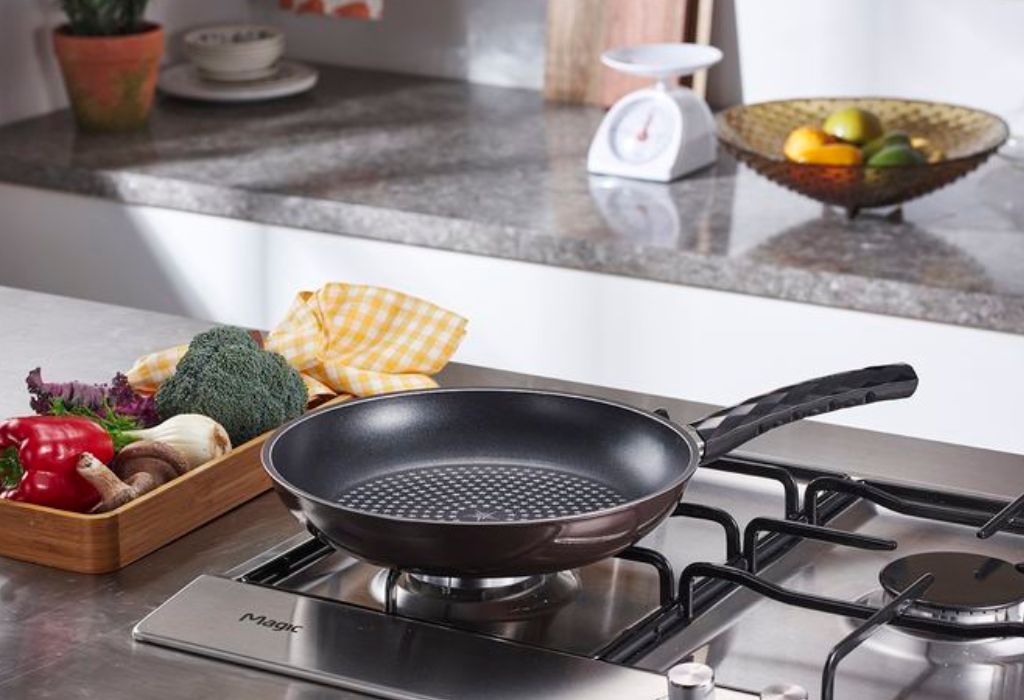
Carbon steel cookware is made from an alloy of iron and a small amount of carbon, typically around 1%. This composition allows the cookware to combine the durability of cast iron with a lighter, more responsive feel.
Unlike non-stick pans that rely on synthetic coatings, carbon steel develops a natural non-stick surface through proper seasoning, offering a chemical-free cooking option.
The manufacturing process involves heating the steel and shaping it into skillets, woks, griddles, and other cookware forms.
Some pans are pre-seasoned with oil to prevent rust during shipping, while unseasoned versions require the user to build a protective layer through repeated seasoning.
Proper seasoning not only protects the pan from rust but also creates a naturally non-stick cooking surface over time.
Carbon steel is highly versatile. It is compatible with all stovetops, including induction, and is oven-safe, making it ideal for recipes that start on the stovetop and finish in the oven.
Its lightweight construction compared to cast iron makes it easier to maneuver while still providing excellent heat retention and distribution.
When compared to cast iron, carbon steel heats more quickly and responds faster to temperature changes. This responsiveness allows precise control for tasks like searing, sautéing, and stir-frying.
Over time, the pan develops a patina that enhances its non-stick properties and contributes to subtle improvements in flavor.
Understanding the core properties of carbon steel cookware—including its composition, manufacturing, and versatility—helps home cooks choose the right pan for their needs.
With proper care and seasoning, carbon steel cookware becomes a long-lasting, high-performance tool capable of delivering professional-grade results in everyday cooking.
Is Carbon Steel Cookware Safe for Daily Use?
Carbon steel cookware is generally considered safe for everyday cooking when used and maintained properly.
Its composition of iron and carbon is non-toxic, and it does not contain synthetic coatings such as PTFE or PFOA, which are present in some traditional non-stick pans. This makes carbon steel a chemical-free option suitable for daily meal preparation.
Health benefits are an additional consideration. Cooking with carbon steel can contribute small amounts of dietary iron, which supports bodily functions such as oxygen transport and energy production.
However, individuals with conditions like hemochromatosis, which leads to excessive iron absorption, should exercise caution and may need to consult a healthcare professional before regular use (blanccreatives.com).
Proper seasoning and maintenance are key to safety and performance. A well-seasoned pan develops a natural non-stick surface that prevents food from sticking and protects the steel from rust.
Cleaning with hot water, avoiding harsh detergents, and thoroughly drying the pan after use minimizes corrosion risks. Applying a thin layer of high-smoke-point oil before storage further preserves the patina and enhances long-term safety.
Care should also be taken when cooking acidic foods. Unseasoned or lightly seasoned carbon steel may react with acids like tomato sauce or citrus, potentially imparting a metallic taste and stripping the seasoning. Fully seasoned pans create a non-reactive surface, ensuring both flavor integrity and safe cooking.
By following proper usage, seasoning, and maintenance practices, carbon steel cookware can be safely used for daily cooking. Its non-toxic composition, durability, and versatility make it a reliable and safe option for home cooks and professional kitchens alike.
Benefits of Using Carbon Steel Cookware
Carbon steel cookware offers several advantages that make it an appealing choice for both home cooks and professional chefs.
One of its primary benefits is durability. With proper seasoning and care, carbon steel pans can last for decades, withstanding high heat and frequent use without warping or deteriorating. This long-lasting performance makes them a cost-effective investment in the kitchen.
The natural non-stick surface is another major advantage. Over time, carbon steel develops a patina through seasoning, which improves its non-stick properties and enhances cooking efficiency.
Unlike synthetic non-stick coatings, this naturally formed layer does not release harmful chemicals and continues to improve with use.
Versatility is a key strength of carbon steel cookware. It is suitable for searing, sautéing, stir-frying, braising, and oven cooking.
Its lightweight yet strong construction allows easy handling, while its excellent heat conductivity ensures even cooking and precise temperature control for a wide variety of dishes.
Carbon steel cookware also contributes to better food flavor. As the patina develops, it subtly enhances the taste of meals and prevents sticking, which is particularly beneficial when cooking delicate foods like fish or eggs. It can handle high-heat cooking methods, allowing for professional-grade searing and browning.
Finally, carbon steel is free from harmful chemical coatings like PTFE and PFOA. This makes it a safer option for everyday cooking compared to some traditional non-stick pans.
Combined with proper maintenance, carbon steel cookware offers durability, performance, versatility, and safety, making it a reliable tool for enhancing the cooking experience in any kitchen.
Potential Risks and Safety Precautions
While carbon steel cookware is generally safe, certain risks can arise if it is not used or maintained properly.
One primary concern is rust. Carbon steel is prone to oxidation if exposed to moisture for extended periods.
Thoroughly drying the pan after each use and applying a thin layer of high-smoke-point oil before storage helps prevent rust and maintains the integrity of the patina.
Another consideration is reactivity with acidic foods. Unseasoned or lightly seasoned carbon steel may react with acidic ingredients such as tomatoes or citrus, potentially imparting a metallic taste and stripping the seasoning.
Fully seasoned cookware provides a non-reactive surface, preserving flavor and preventing chemical reactions during cooking.
Thermal shock is another potential issue. Rapid temperature changes, such as adding cold liquids to a hot pan, can warp the metal or damage the seasoning.
Gradual heating and careful temperature management reduce the risk of thermal shock and help maintain the pan’s long-term performance.
Proper seasoning is also critical for safety. A well-maintained layer of polymerized oil prevents rust, ensures a natural non-stick surface, and limits food from sticking and burning.
Neglecting seasoning can result in food sticking, uneven cooking, and increased cleaning difficulty, which may degrade both performance and safety over time.
By following safety precautions—including proper seasoning, avoiding extreme temperature changes, handling acidic foods carefully, and preventing moisture exposure—carbon steel cookware can be used safely for daily cooking.
These practices protect both the user and the cookware, ensuring long-term durability, consistent performance, and a professional-grade cooking experience in the home kitchen.
Comparing Carbon Steel with Other Cookware Materials
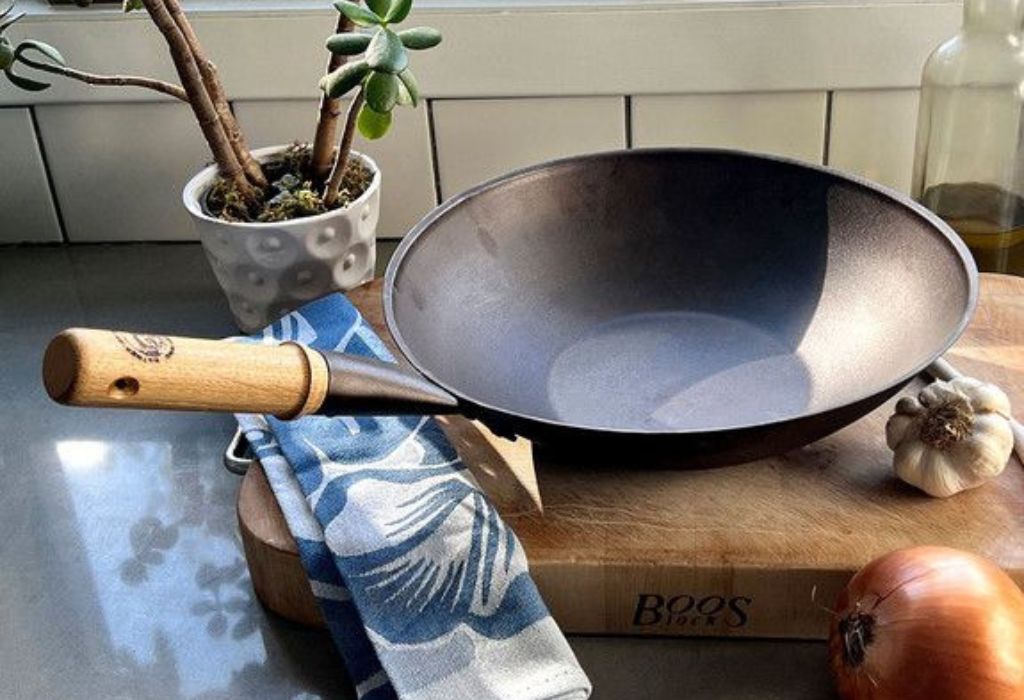
Carbon steel cookware offers a unique combination of durability, responsiveness, and versatility compared to other common cookware materials.
Unlike non-stick pans coated with PTFE or PFOA, carbon steel develops a natural non-stick surface through proper seasoning. This provides a chemical-free, long-lasting cooking surface that improves with use.
When compared to cast iron, carbon steel is thinner and lighter, making it easier to handle while still offering excellent heat retention.
Cast iron retains heat longer but responds more slowly to temperature adjustments, whereas carbon steel quickly adapts to heat changes.
This responsiveness allows for precise control during tasks such as searing, sautéing, and stir-frying, which is particularly beneficial for delicate or high-heat cooking.
Stainless steel cookware is non-reactive and highly resistant to rust but does not develop a non-stick surface naturally.
This can make cooking sticky or delicate foods more challenging. Carbon steel, once seasoned, provides a smooth, non-reactive cooking surface suitable for a wide range of foods, including acidic ingredients like tomato sauces and citrus-based dishes.
Aluminum pans are lightweight and heat up quickly but often require synthetic coatings to achieve non-stick performance. These coatings can degrade over time or release chemicals if overheated.
Carbon steel offers both durability and a naturally developing non-stick surface without relying on synthetic coatings, making it a safer and longer-lasting option.
By understanding the differences between carbon steel and other cookware materials, home cooks can make informed decisions. Carbon steel balances heat conductivity, durability, non-stick performance, and professional-grade cooking capabilities.
Its versatility, responsiveness, and safe, chemical-free surface make it an ideal choice for everyday cooking, bridging the gap between high-performance professional cookware and practical home kitchen use.
Long-Term Benefits of Using Carbon Steel Cookware
Carbon steel cookware offers significant long-term advantages that make it a valuable addition to any kitchen. One of the most notable benefits is durability. With proper seasoning and maintenance, carbon steel pans can last for decades, withstanding high temperatures and frequent use without warping or deteriorating.
This longevity makes them a cost-effective investment compared to many non-stick alternatives that degrade over time.
The naturally developing patina is another long-term benefit. As the pan is used and seasoned, it creates a non-stick surface that improves cooking performance over time. This evolving layer also subtly enhances the flavor of food, contributing to better results in everyday cooking.
Carbon steel is versatile, suitable for a wide range of cooking techniques. It can handle high-heat searing, stir-frying, sautéing, braising, and even oven roasting.
Its lightweight construction makes it easy to maneuver, while its excellent heat conductivity ensures even cooking and precise temperature control, providing professional-grade results.
Health and safety are additional long-term advantages. Carbon steel is free from PTFE and PFOA, offering a chemical-free cooking surface.
Small amounts of iron can also leach into food during cooking, contributing trace nutrients to the diet, though excessive intake should be monitored for individuals with iron-related conditions.
Finally, cost-effectiveness emerges over time. While initial investment may be higher than cheaper pans, carbon steel’s durability and long-lasting performance reduce the need for frequent replacements.
Proper care and regular maintenance ensure that the pan remains safe, functional, and reliable for decades, making carbon steel cookware a practical and high-performance choice for home and professional kitchens alike.
Cleaning and Storage Best Practices
Proper cleaning and storage are essential for maintaining the performance, safety, and longevity of carbon steel cookware. Harsh detergents and abrasive scrubbing can strip away the seasoning, damaging the patina that provides a natural non-stick surface.
Instead, use hot water with a soft brush or coarse salt to clean the pan while preserving the seasoning.
Drying thoroughly after each use is crucial to prevent rust. Even small amounts of moisture can oxidize the steel, compromising both the seasoning and the pan’s durability.
Applying a thin layer of high-smoke-point oil before storing the pan helps maintain the patina and protect against corrosion.
Storage practices also affect longevity. Avoid stacking unprotected pans directly on top of one another, as this can scratch or chip the seasoning. Placing a soft cloth or paper towel between pans prevents direct contact and preserves the non-stick surface.
Routine inspection ensures the cookware remains in optimal condition. Check for rust, uneven patina, or minor scratches. Any rust spots can be removed with gentle scrubbing, followed by re-seasoning to restore the protective layer and non-stick properties.
By combining careful cleaning, proper drying, and mindful storage, home cooks can extend the life of carbon steel cookware.
These practices preserve durability, maintain a safe and chemical-free cooking surface, and enhance the naturally developing non-stick properties over time.
Following these guidelines ensures professional-grade performance for a wide range of cooking techniques and contributes to long-term reliability in the kitchen.
Common Mistakes to Avoid with Carbon Steel Cookware
Even the most durable carbon steel cookware can be compromised if not used and maintained correctly. One frequent mistake is cleaning with soap or harsh detergents.
Regular use of soap can strip away the seasoning, exposing the steel to moisture and increasing the risk of rust while diminishing the natural non-stick surface.
Soaking the pan in water for prolonged periods is another common error. Extended moisture exposure accelerates oxidation, leading to rust formation.
To prevent this, dry the pan thoroughly after each use and apply a thin layer of high-smoke-point oil before storing it.
Temperature management errors are also a concern. Heating the pan too quickly, using extremely high heat on a lightly seasoned pan, or sudden temperature changes can cause thermal shock.
Thermal shock may warp the pan, damage the seasoning, or cause sticking, reducing its performance and lifespan.
Using metal utensils is another critical mistake. Scraping or cutting with metal tools can scratch or chip the seasoning, exposing the steel underneath and compromising both safety and non-stick performance. Wooden, silicone, or plastic utensils are recommended to preserve the pan’s surface.
Neglecting regular maintenance diminishes cookware effectiveness. Failing to inspect for rust, re-season periodically, or store properly reduces durability and non-stick capabilities.
By avoiding these common mistakes and following proper care routines, home cooks can ensure that carbon steel cookware remains a professional-grade, high-performance, and long-lasting kitchen tool suitable for daily cooking.
Cooking Techniques Best Suited for Carbon Steel Cookware
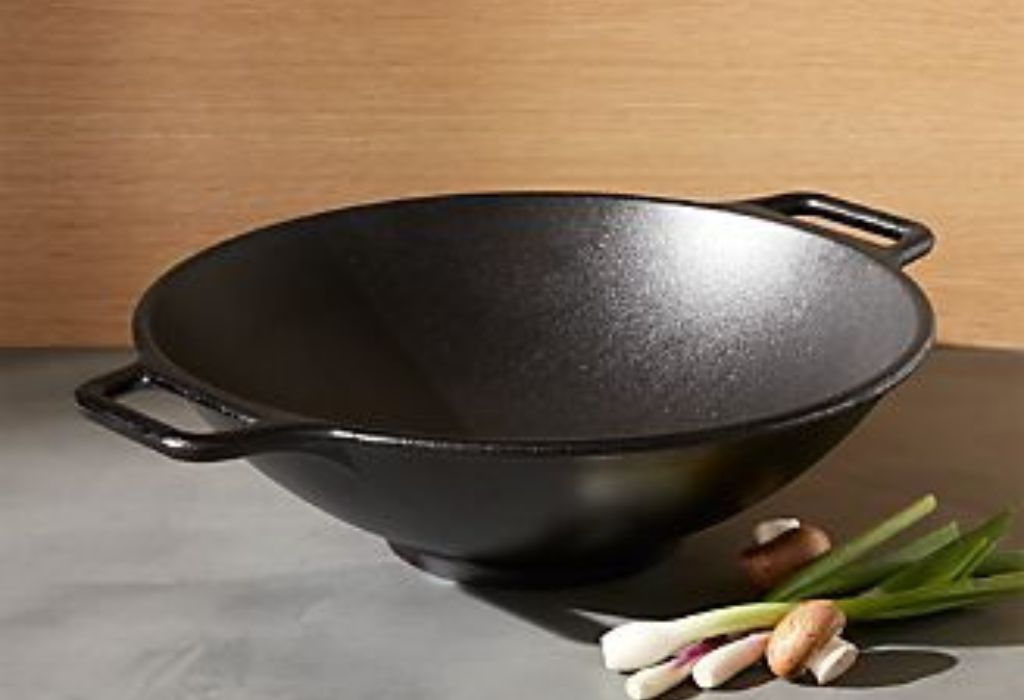
Carbon steel cookware excels with a wide range of cooking techniques due to its heat conductivity, responsiveness, and durability.
Searing is one of the most effective uses. The pan heats evenly and quickly, allowing meats to develop a golden-brown crust while keeping the interior tender and juicy. This makes it ideal for steaks, chicken, seafood, and other high-heat applications.
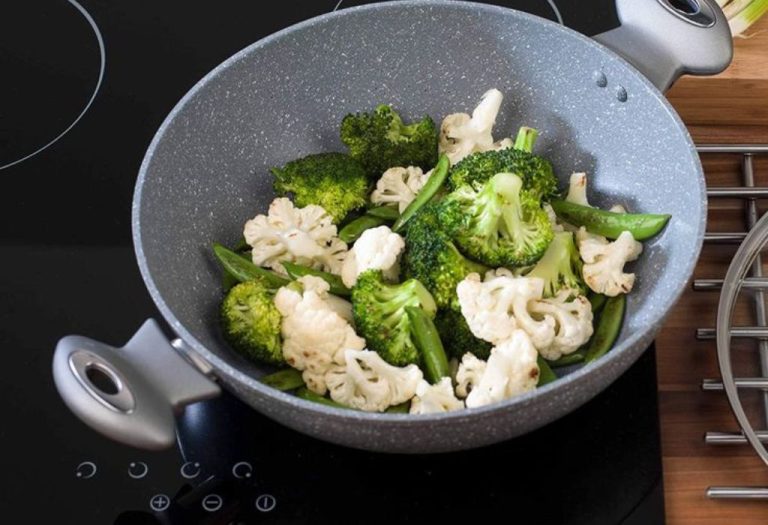
Stir-frying and sautéing are also highly effective in carbon steel pans. Rapid response to temperature changes provides precise control, preventing vegetables and delicate ingredients from burning or overcooking.
Quick adjustments to heat ensure consistent results and allow home cooks to master high-heat techniques safely.
Slow-cooking techniques, such as braising and pan-roasting, benefit from the pan’s heat retention and even distribution.
The naturally seasoned surface reduces sticking and allows flavors to develop fully while maintaining texture.
Preheating gradually ensures the patina remains intact and maximizes the pan’s performance during longer cooking sessions.
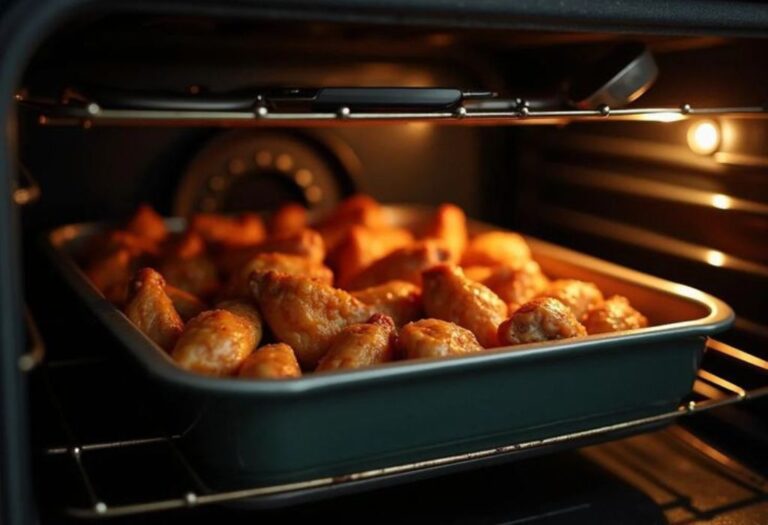
Carbon steel is also versatile for oven use. Many pans are oven-safe, enabling seamless stovetop-to-oven transitions for frittatas, roasted vegetables, baked meats, or casseroles.
Following the manufacturer’s temperature guidelines protects the seasoning and prevents damage, maintaining the pan’s non-stick properties over time.
Cooking acidic foods, such as tomato sauces or citrus dishes, should be done in a well-seasoned pan.
A mature patina creates a non-reactive surface, preserving flavor and preventing metallic taste. Proper technique ensures professional-grade results while enhancing the pan’s natural non-stick surface, safety, and durability.
By understanding and applying the best techniques for carbon steel cookware, home cooks can maximize performance, preserve seasoning, and achieve consistent, high-quality results across a wide variety of recipes.
Is carbon steel cookware safe for daily cooking?
Yes, carbon steel cookware is completely safe for everyday use. It contains no harmful coatings or chemicals and becomes naturally nonstick when properly seasoned.
Does carbon steel cookware leach iron into food?
Yes, but only in trace amounts—and that’s actually beneficial. The small amount of iron released can contribute to your daily mineral intake.
Can carbon steel cookware rust easily?
It can if left wet or unseasoned. To prevent rust, always dry it thoroughly after washing and apply a thin layer of oil for protection.
Is carbon steel cookware nonstick?
When properly seasoned, it develops a natural nonstick surface that gets better over time, allowing for low-oil cooking.
Can I cook acidic foods in carbon steel cookware?
It’s best to avoid highly acidic dishes (like tomato sauce or vinegar-based recipes), as acid can strip away the seasoning layer.
Is carbon steel cookware suitable for all stovetops?
Yes, it works on gas, electric, ceramic, and induction cooktops—and it’s also safe for oven use.
Is carbon steel cookware heavy?
It’s lighter than cast iron but heavier than aluminum, giving it the perfect balance of sturdiness and easy handling.
Does carbon steel cookware contain toxins or coatings?
No, it’s made only of iron and carbon—no PTFE, PFOA, or synthetic coatings—making it one of the healthiest cookware options available.
How long does carbon steel cookware last?
With proper care, it can last a lifetime. Regular seasoning and gentle cleaning help it perform like new for decades.
Why is carbon steel cookware great for daily cooking?
It heats quickly, cooks evenly, and gets naturally nonstick over time—making it a safe, durable, and eco-friendly choice for everyday meals.
Conclusion
Carbon steel cookware is a versatile, durable, and professional-grade option for both home cooks and chefs. Its alloy of iron and carbon allows it to heat quickly, respond rapidly to temperature changes, and retain heat effectively.
With proper seasoning, it develops a natural non-stick surface that enhances cooking performance while providing a safe, chemical-free option for daily use.
The patina formed over repeated use not only improves the non-stick properties but also subtly enhances the flavor of meals.
Proper cleaning, drying, and storage, combined with periodic reseasoning, ensure that carbon steel cookware remains durable, safe, and effective over decades.
This longevity makes it a cost-effective investment compared to many non-stick or coated pans that degrade over time.
Carbon steel is highly versatile. It is suitable for searing, sautéing, stir-frying, braising, and oven cooking. Its responsiveness allows precise control over cooking temperatures, making it ideal for high-heat and delicate recipes alike.
Fully seasoned pans also provide a non-reactive surface for acidic foods, such as tomato sauces or citrus-based dishes, preserving flavor and safety.
By choosing high-quality, pre-seasoned or properly seasoned carbon steel cookware and following recommended maintenance practices, home cooks can enjoy consistent, professional-grade performance in everyday cooking.
It combines excellent heat conductivity, durability, safety, and evolving non-stick performance in one lightweight, versatile pan.
In summary, carbon steel cookware offers a long-lasting, high-performance solution for daily cooking. With proper care and usage, it delivers professional-grade results, enhances flavor, and provides a safe and reliable cooking surface for years.
Investing in carbon steel cookware ensures both culinary enjoyment and practical durability, making it an essential addition to any kitchen.

I’m Emma J. Caldwell, the founder, lead writer, and home-cooking enthusiast behind KitchenGuideCo.com. With a background in culinary arts and over a decade of cooking experience in both professional and personal kitchens, I created this platform to demystify recipes, offer smart kitchen gadget reviews, and guide readers through meal prep with confidence and clarity.