A sparkling new Carote granite pan can make any kitchen look modern and professional. Its speckled design suggests durability, safety, and effortless cooking.
Yet behind the aesthetic appeal lies a question that health-conscious households keep asking: is Carote granite cookware safe for everyday use?
Part of the confusion comes from marketing. The term “granite” creates an impression of natural stone cookware, yet most pans in this category are actually aluminum bases coated with synthetic or ceramic finishes.
These coatings vary in safety, and the type used determines whether the cookware poses risks or remains safe over time.
Claims such as “PFOA-free” or “eco-friendly” often appear on product listings. While these words sound reassuring, they do not always tell the full story.
A well-known study by the Ecology Center found that nearly 79% of nonstick pans contained PTFE coatings, even when labeled as safe or stone-derived (Ecocenter.org).
Health agencies have also raised concerns about imported cookware that may leach lead or cadmium when poorly manufactured.
The U.S. Food and Drug Administration has issued consumer alerts about unsafe coatings and glazes (FDA.gov). These warnings highlight the importance of transparency and brand reputation when evaluating cookware.
What “Carote Granite” Cookware Actually Means

The name “Carote granite cookware” is more about marketing than geology. These pans are not carved from natural granite but are aluminum-based cookware with speckled nonstick or enamel coatings designed to look like stone.
The granite effect is purely cosmetic, achieved with pigments and surface textures.
Aluminum is often the chosen base because it provides quick and even heat distribution while remaining lightweight.
The drawback is that aluminum is reactive with acidic foods, which is why coatings are essential. Coatings act as protective barriers that prevent direct contact between food and the reactive metal.
Carote offers multiple product lines, and their safety depends on the coating type. Some models use PTFE-based nonstick, a substance better known as Teflon, which performs well at moderate heat but can degrade if overheated.
Other lines advertise PFAS-free ceramic coatings, which avoid PTFE entirely. Without checking the specific line or label, it is difficult for buyers to know exactly which coating is present.
The color of the cookware—whether white, black, or gray granite—does not determine its safety. What matters is the composition of the coating and whether it is backed by third-party testing and certifications.
Understanding that “granite” refers to style rather than substance helps focus attention on the real question: what coatings are used, how do they behave during cooking, and what risks do they carry?
Is Carote Granite Cookware Safe? Key Safety Factors
The safety of Carote granite cookware hinges on the type of nonstick coating and how the cookware is used. PTFE-based coatings are common in nonstick cookware and perform well at low and medium heat.
However, once the surface temperature exceeds 260°C (500°F), PTFE begins to break down and release fumes.
While exposure at typical cooking temperatures is not considered dangerous, overheating poses real risks, particularly to pet birds, which are extremely sensitive to these fumes.
Carote also sells cookware marketed as PFAS-free, meaning it does not contain PTFE or PFOA. These ceramic-coated options are designed for households seeking chemical-free nonstick alternatives.
They do not release toxic fumes at high temperatures but may lose their slick surface faster than PTFE-coated pans.
Another safety factor is heavy metal leaching. Poor-quality enamel glazes may contain lead or cadmium, which can contaminate food if the coating chips.
Although reputable brands like Carote generally comply with international safety standards, consumers must remain cautious, especially when buying from unverified sellers or counterfeit listings.
Safe usage practices also matter. Avoiding overheating, preventing scratches, and replacing damaged cookware reduce most safety risks.
When used correctly, Carote granite cookware can be safe, but the longevity and safety profile differ depending on whether the pan uses PTFE or ceramic coatings.
Coating Types in Carote Granite Cookware
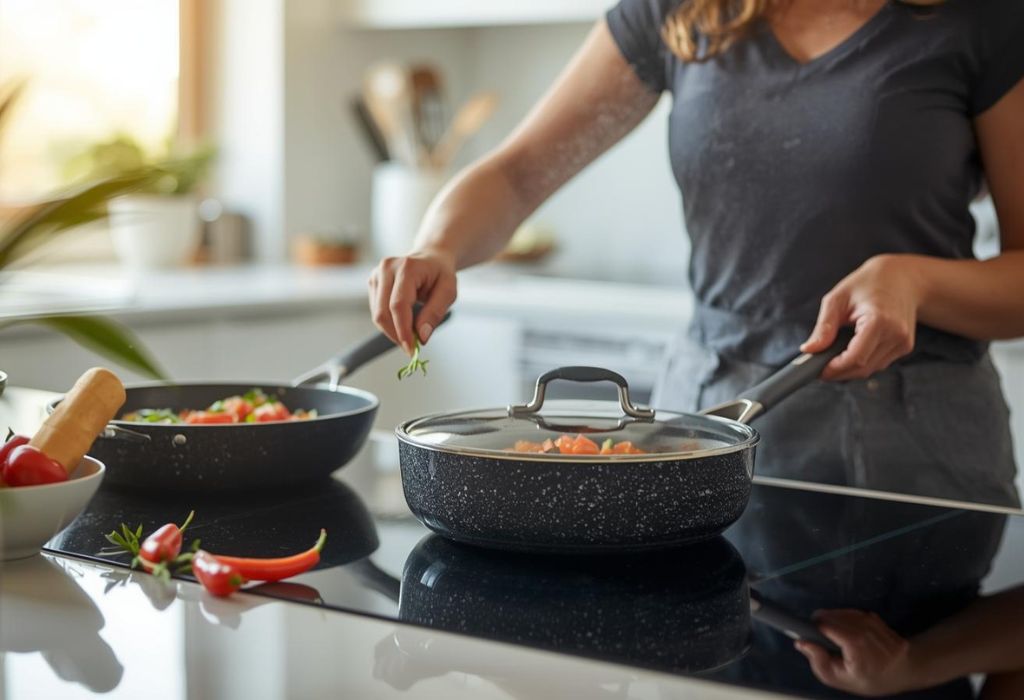
Carote cookware typically falls into three coating categories: PTFE-based nonstick, sol-gel ceramic coatings, and porcelain enamel finishes. Each comes with distinct benefits and trade-offs.
PTFE-based coatings provide smooth, reliable nonstick performance and long-lasting slickness.
They make cooking eggs, pancakes, and delicate foods easy without requiring much oil. The trade-off is that PTFE is a PFAS, and overheating can lead to toxic fumes.
While safe at normal cooking temperatures, PTFE cookware must be handled with care and kept below its thermal breakdown point.
Ceramic coatings, often called sol-gel or mineral-infused finishes, are PFAS-free and avoid PTFE entirely. They are attractive for buyers concerned about synthetic chemicals.
These coatings withstand higher heat without off-gassing but may lose nonstick performance sooner. Over time, the slickness diminishes, leading to more sticking and the need for additional oil.
Porcelain enamel coatings are created by fusing powdered glass to the cookware surface at high heat. The result is a glossy, stain-resistant, and non-reactive finish.
Enamel resists acidic foods such as tomato sauce and citrus, making it a safe option. However, enamel can chip if dropped or subjected to sudden temperature changes.
Each coating type offers a balance of convenience, safety, and durability. Buyers must decide whether longevity, chemical avoidance, or stain resistance matters most in their daily cooking.
Heavy Metals, Leaching, and Glaze Safety
Beyond coatings, heavy metal exposure is another consideration when asking, is Carote granite cookware safe.
Lead and cadmium are sometimes used in low-quality enamel glazes to enhance durability or coloring. If present, these metals can leach into food, especially when cooking acidic dishes.
The FDA regulates cookware safety by limiting lead and cadmium content. Most established brands comply with these regulations, but imported or counterfeit products may not. That is why purchasing from trusted retailers is crucial.
Aluminum exposure is another topic often raised. While aluminum is the core material in many Carote pans, it does not pose a risk when sealed under intact coatings. Problems arise only if the nonstick or enamel layer chips, exposing the bare metal.
Acidic foods like vinegar, citrus, or tomatoes can then react with aluminum, leading to potential leaching.
To minimize risks, consumers should avoid using damaged cookware, discard chipped pans, and verify that their cookware is certified as lead- and cadmium-free.
Label Claims, Certifications, and What They Really Mean

Product labels often create more confusion than clarity. Carote cookware is often advertised as “PFOA-free,” which may sound like a guarantee of safety. In reality, PFOA is just one member of the PFAS family.
PTFE, which is still widely used in nonstick cookware, also belongs to that group. Therefore, “PFOA-free” does not mean “PFAS-free.”
Some Carote product listings highlight PFAS-free ceramic coatings, which do not contain PTFE at all. These are often a safer choice for households aiming to eliminate synthetic chemicals from the kitchen.
Certifications are another way to gauge safety. Pans labeled “lead-free” and “cadmium-free” comply with international safety standards.
Shoppers should also look for product manuals that disclose oven temperature limits, induction compatibility, and specific materials used.
Understanding what these claims actually mean helps consumers avoid being misled by marketing language. A truly safe choice comes from brands that disclose coating chemistry and provide independent testing or certifications.
Pros of Carote Granite Cookware
Carote granite cookware is popular for good reasons. Its stylish design adds a modern touch to kitchens, while its lightweight build makes it easier to handle than cast iron or stainless steel. The speckled finish also resists stains, helping maintain its clean appearance.
Nonstick performance is another clear advantage. Both PTFE and ceramic coatings provide smooth surfaces that allow for low-oil cooking. This makes Carote pans useful for families who want healthier meals with less fat.
The aluminum core ensures even heat distribution, reducing hot spots and improving cooking consistency.
Many Carote pans are also induction-compatible, broadening their versatility. Handles are often ergonomically designed, making them comfortable for daily use.
Convenience is further enhanced by easy cleaning. While hand washing is recommended, many buyers appreciate that food residue rarely sticks. Some lines are even marketed as dishwasher-safe, though gentler care will extend the coating’s life.
Overall, Carote cookware balances performance, design, and price, making it attractive for households that want practical and stylish cookware.
Cons and Real-World Risks

Despite its benefits, Carote granite cookware is not without drawbacks. The biggest concern is coating lifespan. All nonstick coatings eventually degrade, whether PTFE or ceramic.
Once the surface becomes scratched or worn, food begins to stick and the cookware may no longer be safe.
PTFE-based Carote pans carry the risk of off-gassing when overheated. While safe at normal cooking temperatures, misuse can cause toxic fumes. Ceramic-coated pans avoid this issue but often lose their slick surface more quickly, requiring replacement after a few years.
Enamel finishes resist acidic foods but can chip if dropped or exposed to sudden temperature changes. A chipped enamel pan not only loses its nonstick properties but also risks exposing the aluminum base.
Another drawback is that nonstick cookware, including Carote, typically has a shorter lifespan compared to stainless steel or cast iron. This means buyers may need to replace their pans more frequently, adding to long-term costs.
Consumers also need to be cautious of counterfeit or imitation products. Knockoffs may use lower-quality coatings without proper safety testing, increasing risks of leaching or early failure.
How to Choose Safer Carote Granite Cookware
Choosing the right Carote pan requires attention to coating type, certifications, and brand reputation.
Buyers seeking chemical-free options should look for PFAS-free ceramic coatings rather than PTFE-based nonstick. For enamel finishes, confirm that the product is labeled as lead- and cadmium-free.
Checking manufacturer specifications is essential. Not all Carote pans are oven-safe, and those with Bakelite handles may have limited temperature resistance. Induction compatibility also varies by product line.
Purchasing directly from reputable retailers or Carote’s official store reduces the risk of counterfeit products. Established brands with transparent labeling and warranties are safer investments.
While ceramic coatings may wear faster, they provide peace of mind for those avoiding PFAS. PTFE-coated options last longer but require careful heat management. Ultimately, the safer choice depends on a household’s priorities and cooking style.
Safe Use and Care to Maximize Safety

The question is Carote granite cookware safe depends not only on manufacturing but also on how the cookware is maintained. Proper care extends lifespan and ensures continued safety.
Heat management is critical. PTFE coatings should never be overheated beyond 260°C (500°F). Preheating an empty pan should be avoided, as it can cause rapid temperature spikes.
Ceramic and enamel coatings also benefit from moderate heat, which helps preserve their surface.
Utensil choice plays an important role. Silicone, wood, and nylon utensils protect coatings, while metal spatulas or forks can cause scratches and chips.
Cleaning should be done with mild soap and a soft sponge. While some Carote pans are dishwasher-safe, harsh detergents and high heat can shorten coating life. Hand washing is the safest option.
Storage practices also matter. Stacking pans without protection can cause scratches, especially with ceramic or enamel finishes. Pan protectors or cloth separators help preserve the surface.
Finally, cookware should be replaced when visibly damaged. Peeling, flaking, or persistent sticking indicate that the coating has reached the end of its safe use.
Comparisons with Stainless Steel, Cast Iron, and Ceramic
To understand Carote cookware better, it helps to compare it with alternatives. Stainless steel is highly durable and fully free of synthetic coatings. It is safe, long-lasting, and non-reactive, but it requires oil and proper technique to prevent sticking.
Cast iron is another reliable option. It avoids PFAS concerns entirely and can last for decades with proper seasoning. However, it is heavy, requires maintenance, and can react with acidic foods if not well seasoned.
Fully ceramic or glass-ceramic cookware is PFAS-free and non-reactive. It provides peace of mind for health-conscious households but can be fragile and may lack the slickness of PTFE coatings.
Carote granite cookware provides a middle ground. It offers lightweight handling, stylish design, and strong nonstick performance, but it does not match the longevity of stainless steel or cast iron.
Myths vs Facts About Granite Cookware
One common myth is that granite cookware is made from natural stone. In reality, “granite” is simply a description of the surface design. The cookware is metal with a decorative coating.
Another myth is that “PFOA-free” means the pan is free from all harmful chemicals. In fact, a pan can be labeled “PFOA-free” while still containing PTFE, which is part of the PFAS family. Buyers must understand this distinction to make informed decisions.
The fact is that safety depends on coating chemistry, manufacturing quality, and user care.
White or black speckles on the surface do not determine safety. What matters is whether the cookware avoids harmful substances and is maintained properly.
Trends and What’s Next
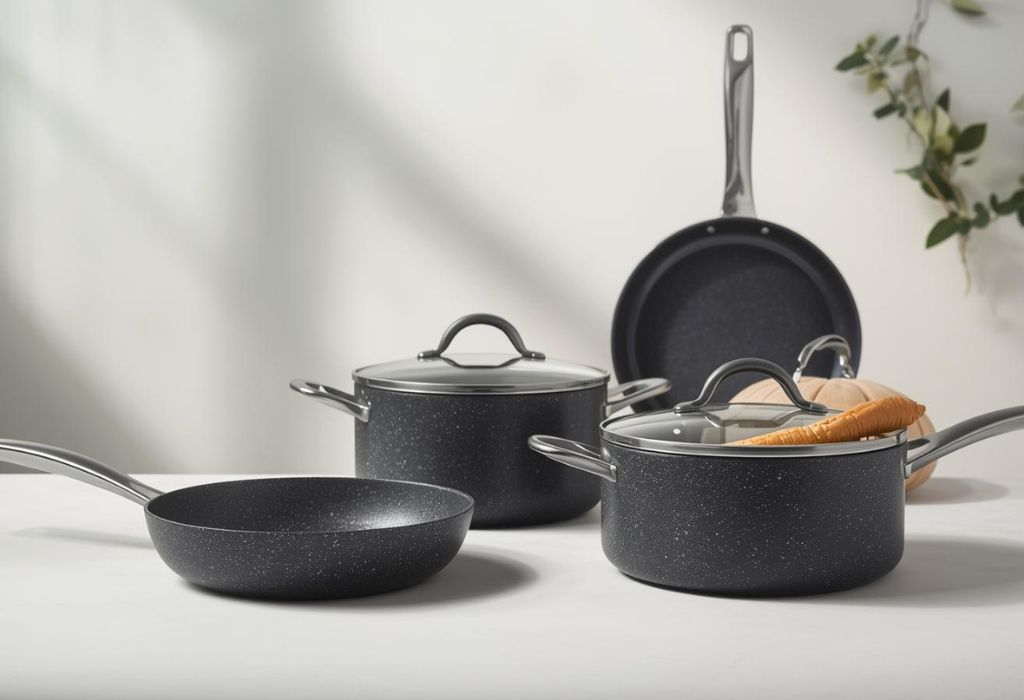
The cookware industry is shifting toward safer, more transparent products. Growing consumer awareness and regulatory pressure are pushing manufacturers to reduce PFAS use.
The European Union and several U.S. states are moving toward restrictions on PFAS in consumer goods, including cookware.
Innovation in coating technology is also accelerating. Mineral-infused ceramics, reinforced enamels, and hybrid coatings are being developed to provide long-lasting nonstick performance without PFAS.
Brands that embrace these innovations will likely dominate the market in the coming years.
Transparency is another key trend. Consumers increasingly demand clear labeling and third-party safety testing.
Future cookware labels are expected to include more detailed information about coating chemistry and compliance with safety standards.
Sustainability also plays a role. Buyers are looking for longer-lasting, recyclable, and eco-friendly products. Carote and other brands will need to balance safety with environmental responsibility to meet this demand.
Conclusion
So, is Carote granite cookware safe in everyday cooking? The answer depends on the specific coating, the brand’s transparency, and how the cookware is used.
PTFE-based pans are safe at moderate temperatures but pose risks if overheated. Ceramic and enamel-coated options avoid PFAS but may wear down faster.
The safest approach is to choose cookware with clear labeling, independent certifications, and strong brand reputation. Avoid overheating, use gentle utensils, wash by hand, and replace cookware when damaged.
Carote granite cookware offers convenience, style, and solid performance, but it is not a perfect solution. For households prioritizing long-term safety and durability, stainless steel, cast iron, or fully ceramic cookware may be better choices.
For those seeking modern nonstick convenience with mindful care, Carote can be a safe and practical option.

I’m Emma J. Caldwell, the founder, lead writer, and home-cooking enthusiast behind KitchenGuideCo.com. With a background in culinary arts and over a decade of cooking experience in both professional and personal kitchens, I created this platform to demystify recipes, offer smart kitchen gadget reviews, and guide readers through meal prep with confidence and clarity.