Many people rely on Cascade dishwasher detergent because it cleans dishes quickly and removes heavy grease. The brand is popular in households across the country and has been used for years without major issues.
But questions often appear when someone reads the ingredient label or hears concerns about chemicals in cleaning products. Words like enzymes, surfactants and preservatives sound unfamiliar and sometimes alarming.
People begin to wonder whether Cascade is toxic and whether its ingredients can affect their health or the environment. Some worry about residues left on dishes while others think about children and pets who may sneak a pod by mistake.
Dishwasher detergents work differently from ordinary soaps because they need to clean in extreme heat and rinse away completely. This requires stronger ingredients that sometimes raise concerns.
Understanding these ingredients helps people decide how safe the product is for their home. Cascade works well, but using it correctly is important to stay safe.
This article explains whether Cascade is toxic, which ingredients matter and how to use the product responsibly for safe cleaning.
Is Cascade Dishwasher Detergent Toxic
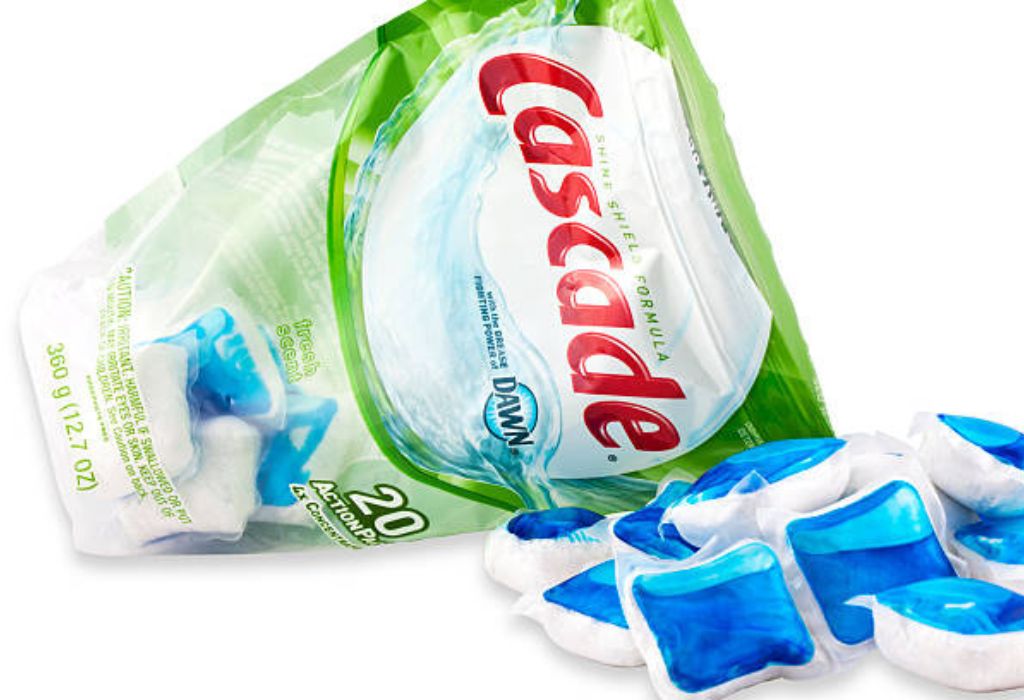
Cascade is not considered toxic when used properly in a dishwasher. The detergent is designed to rinse off completely during the wash cycle.
However, some of its ingredients can cause irritation if they contact skin or eyes directly. These reactions happen mainly before the detergent dissolves.
Dishwasher pods contain concentrated chemicals that are strong enough to break down grease and stuck food. This concentration becomes harmful if touched or swallowed.
People with sensitive skin may react to fragrances or preservatives inside the formula. Pets and children are at higher risk if they ingest the product.
Using Cascade as directed keeps the detergent safe for everyday cleaning.
Is Cascade harmful when used normally
No, normal use poses low risk.
Can pods irritate the skin
Yes, concentrated formulas may cause irritation.
Is ingestion dangerous
Ingesting pods is unsafe for children and pets.
Do residues remain on dishes
Dishwashers rinse away most residue completely.
Is Cascade safe for adults
Adults using it correctly face low risk.
What Ingredients In Cascade Cause Concern
Cascade contains surfactants that break down grease. These surfactants may cause irritation when undiluted.
Enzymes in Cascade digest food particles. Some people develop mild allergic reactions to these enzymes.
Fragrance chemicals add pleasant scent but may irritate sensitive users. These additives vary in strength depending on the formula.
Preservatives prevent mold from forming inside the detergent pack. Certain preservatives may irritate eyes or skin.
Understanding ingredients helps people choose the right version for their household.
Are Cascade Pods More Toxic Than Powder
Cascade pods contain higher concentrations of cleaning chemicals than powders. This allows pods to clean effectively with a single dose.
Because the chemicals are sealed inside a packet, the risk increases if a pod breaks or leaks. Concentrated liquid causes stronger reactions.
The pods look colorful and appealing, especially to children. This increases the risk of accidental ingestion.
Powder formulas spread more slowly and cause less immediate reaction. Pods dissolve quickly and release chemicals fast.
Proper storage reduces risk from pod detergents.
Are pods more dangerous if swallowed
Yes, concentrated formulas cause stronger symptoms.
Do pods dissolve faster
Pods release chemicals quickly once wet.
Is powder safer to handle
Powder irritates less when dry.
Do pods need extra care
Always keep pods out of reach of children.
Is poisoning common
Incidents often involve young children.
Does Cascade Leave Toxic Residue On Dishes
Cascade is designed to rinse completely during the dishwasher cycle. Hot water removes most detergent effectively.
Residue becomes more likely when the dishwasher is overloaded. Crowded racks block water spray.
If the filter is dirty, food particles and detergent may mix. This mixture can leave film on dishes.
Using the correct dose helps the dishwasher rinse properly. Too much detergent leaves streaks and residue.
Proper maintenance prevents leftover chemical buildup.
Can residue appear if the filter is dirty
Yes, blockages prevent proper rinsing.
Should the dishwasher be loaded carefully
Spacing dishes ensures water flow.
Does hot water help
Heat dissolves detergent effectively.
Can too much detergent cause film
Yes, overuse leaves streaks.
Is residue harmful
Light residue irritates sensitive users but is rarely dangerous.
Is Cascade Harmful To The Environment
Some ingredients in Cascade may contribute to water pollution. Surfactants and fragrances affect aquatic life.
Dishwasher detergents travel through wastewater systems and enter natural waterways. Not all chemicals break down easily.
Enzymes degrade over time and pose less environmental risk. However, certain preservatives may persist in water.
Phosphate free formulas reduce environmental impact. Cascade removed phosphates from its formulas years ago.
Eco conscious users may prefer plant based alternatives.
Can Cascade Irritate Skin Or Eyes
Cascade can cause skin irritation when touched directly. The concentrated chemicals are strong enough to break down grease quickly.
Contact with eyes may cause burning or redness. Immediate rinsing helps reduce discomfort.
Wearing gloves prevents irritation for people with sensitive skin. Handling detergent with dry hands reduces risk.
Keep pods sealed until ready to use. Broken packs leak concentrated liquid.
Proper handling keeps skin safer during usage.
Does Cascade burn the eyes
Yes, direct contact irritates strongly.
Should gloves be used
Gloves prevent irritation for sensitive users.
Does dry handling matter
Dry hands avoid accidental pod activation.
Can kids touch Cascade
Children should not handle detergents.
Does the powder irritate
Powder may irritate if inhaled or rubbed on skin.
Is Cascade Safe For Households With Kids And Pets
Cascade is safe when stored properly and used in a dishwasher. The danger occurs when pods are left within reach.
Brightly colored pods resemble candy. This makes them tempting to children.
Pets may also chew on pods because of the texture. Ingestion leads to vomiting or stomach irritation.
Keeping detergents in locked cabinets prevents accidents. Childproof lids protect against opening.
Monitoring children while using detergents reduces risk.
What To Do If Someone Is Exposed To Cascade
If Cascade contacts skin, rinsing with water removes most irritation. Mild soap helps lift residue.
If it reaches the eyes, flushing with cool water reduces burning. Medical attention may be needed if symptoms persist.
Ingestion requires immediate medical help. Pods release concentrated chemicals that cause nausea.
If a pet ingests Cascade, a vet should be contacted. Pets react differently to chemical exposure.
Quick action prevents complications.
How To Use Cascade Safely
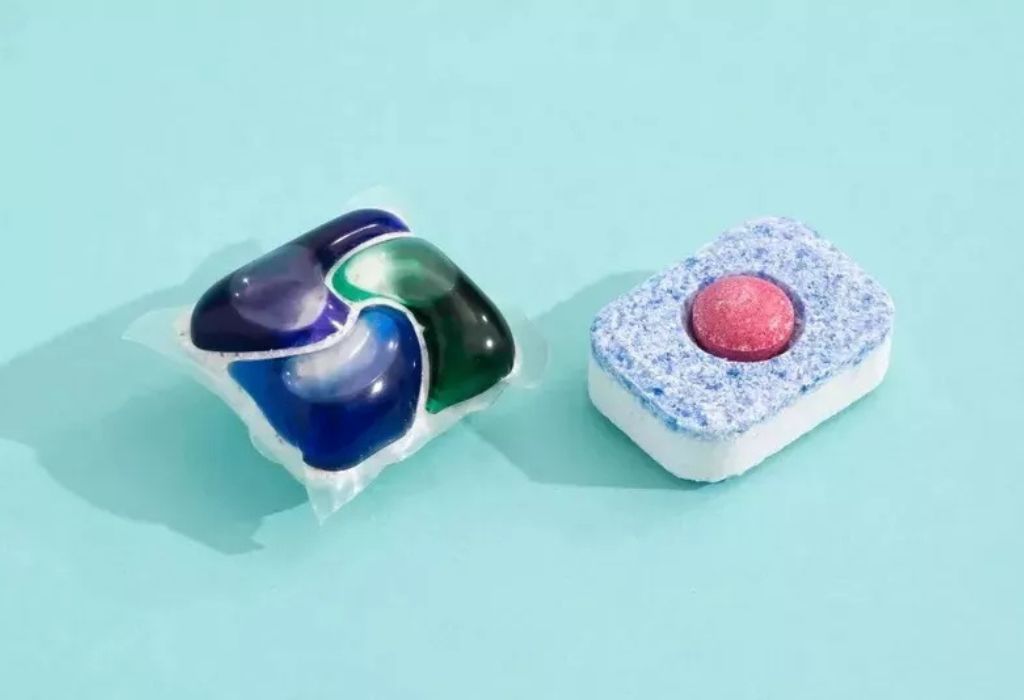
Use one pod or scoop of detergent per load. Using extra does not improve cleaning results.
Place the pod in the dispenser and close the lid tightly. Keeping pods loose in the tub causes poor dissolving.
Run the dishwasher on standard settings. High heat helps detergents work effectively.
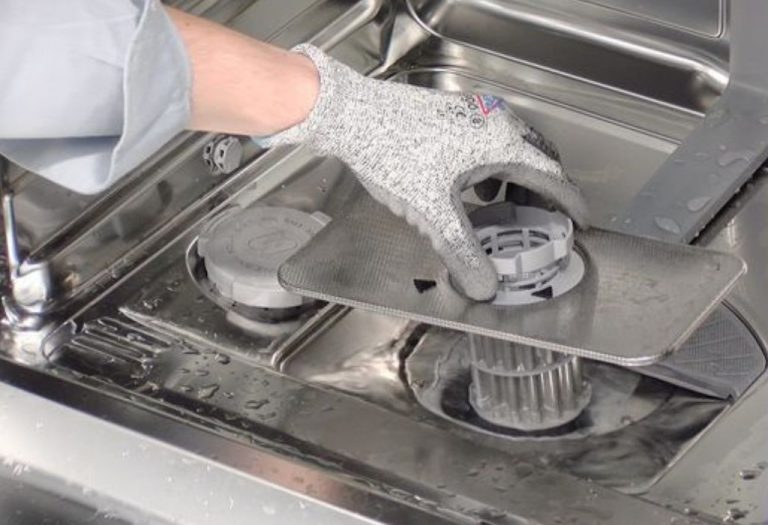
Clean the filter regularly to prevent residue buildup. A clean filter improves rinsing.
Store detergent away from moisture.
Is one pod enough
Yes, one pod cleans a full load.
Should pods go in the dispenser
Pods work best inside the detergent drawer.
Does filter cleaning matter
A clean filter improves performance and safety.
Can extra detergent help
Extra detergent leaves residue.
Should storage be dry
Moisture causes pods to break down.
Are There Non Toxic Alternatives To Cascade
Many natural dishwasher detergents use plant based surfactants. These ingredients clean gently without harsh chemicals.
Eco friendly brands avoid fragrances and dyes. This benefits users with allergies.
Powder based natural detergents rinse cleanly. They leave fewer residues behind.
Homemade formulas with washing soda and citric acid offer mild cleaning. These formulas work well in soft water homes.
Choosing alternatives depends on household needs.
Conclusion
Cascade dishwasher detergent is not considered toxic when used correctly, but its concentrated ingredients can cause irritation if touched, swallowed or misused. The formula contains strong cleaners that break down grease effectively but require careful handling, especially around children and pets.
Most risks occur before the detergent dissolves, not after dishes are cleaned. Proper storage, correct dosing, dry handling and regular dishwasher maintenance reduce safety concerns significantly.
Users who prefer gentler ingredients can explore natural or plant based alternatives, but Cascade remains safe for most households when used responsibly. With correct usage, the detergent offers strong cleaning power without major health risk.
Making informed choices about detergent helps protect your family, your dishwasher and your overall peace of mind.

I’m Emma J. Caldwell, the founder, lead writer, and home-cooking enthusiast behind KitchenGuideCo.com. With a background in culinary arts and over a decade of cooking experience in both professional and personal kitchens, I created this platform to demystify recipes, offer smart kitchen gadget reviews, and guide readers through meal prep with confidence and clarity.