Choosing the right cookware can significantly affect cooking results and kitchen efficiency. Two popular options, cast iron and stainless steel, each offer unique advantages and challenges that impact heat retention, maintenance, and versatility.
Many home cooks ask: Is cast iron cookware better than stainless steel? Understanding the differences between these materials is essential for making an informed choice that suits individual cooking styles and dietary needs.
Hook 1: Cast iron excels at retaining heat and creating a naturally non-stick surface, but it requires regular seasoning and care.
Hook 2: Stainless steel is durable, corrosion-resistant, and easy to maintain, yet it heats unevenly and may be prone to sticking without proper technique.
Hook 3: Knowing the trade-offs between these cookware types allows home cooks to select the right pan for searing, sautéing, baking, and slow-cooking, improving overall meal quality.
According to Consumer Reports, properly seasoned cast iron cookware can last decades and enhance cooking efficiency by maintaining even heat across the pan (source). Stainless steel cookware, on the other hand, is valued for its low maintenance and long-lasting corrosion resistance, making it ideal for busy kitchens (source).
Material Composition and Durability
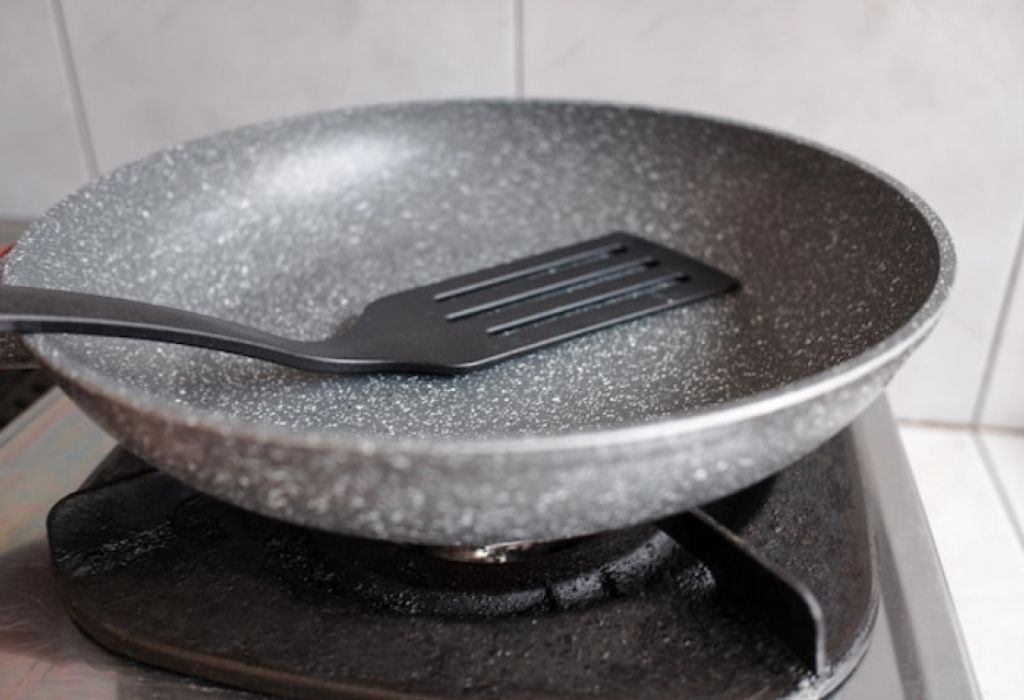
The composition of cookware significantly impacts its performance, longevity, and maintenance requirements. Cast iron and stainless steel differ in their core materials, which affects heat retention, corrosion resistance, and overall durability.
Cast Iron is primarily made of iron with a higher carbon content, giving it exceptional hardness and the ability to retain and evenly distribute heat. While extremely durable, cast iron requires regular seasoning and careful cleaning to prevent rust and maintain a non-stick surface.
Stainless Steel is an alloy containing at least 10.5% chromium, often combined with nickel and other metals. This composition makes it resistant to rust, corrosion, and staining, while maintaining structural integrity under frequent use.
The durability of cast iron comes from its density and thickness, which also contributes to its weight. Stainless steel, though lighter, is less prone to cracking or chipping and can withstand dishwasher cleaning and high-temperature cooking without degrading.
Understanding the differences in material composition allows home cooks to make informed decisions. Cast iron offers superior heat retention and long-term durability with proper maintenance, while stainless steel provides low-maintenance reliability, corrosion resistance, and versatility in everyday cooking.
By evaluating these factors, consumers can select cookware that aligns with their cooking style, maintenance preferences, and performance expectations, ensuring both safety and efficiency in the kitchen.
Heat Retention and Cooking Performance
Heat retention is a critical factor in cookware performance, influencing cooking consistency and results. Cast iron and stainless steel handle heat differently, affecting which cooking tasks each is best suited for.
Cast Iron excels at retaining heat due to its density and thickness. This allows for even cooking, ideal for searing meats, slow-cooking stews, and baking dishes that require steady, consistent temperatures.
Stainless Steel heats up quickly but does not retain heat as effectively as cast iron. While suitable for sautéing, boiling, and quick cooking, stainless steel may require more attention to avoid hot spots and unevenly cooked food.
The weight and thickness of cast iron contribute to its superior thermal stability. Stainless steel, being lighter, is easier to handle but offers less insulation, which can affect the outcome of recipes requiring prolonged heat.
Understanding heat retention helps home cooks choose the right cookware for specific cooking methods. Cast iron provides long-term temperature stability, while stainless steel offers agility and rapid heating for tasks demanding quick temperature changes.
By considering these performance characteristics, consumers can optimize their cooking process and achieve better results based on the strengths of each material.
Maintenance and Care Requirements
Proper maintenance is essential for preserving the performance and longevity of cookware. Cast iron and stainless steel have distinct care requirements that affect their convenience and usability.
Cast Iron requires regular seasoning to maintain its non-stick surface and prevent rust. Cleaning should avoid harsh detergents, relying instead on warm water and a stiff brush, with immediate drying and light oil application to protect the surface.
Stainless Steel is generally low-maintenance, resistant to corrosion, and often dishwasher safe. While occasional polishing may be needed to remove discoloration or stubborn stains, it does not require seasoning or special handling.
The level of maintenance impacts long-term durability and cooking quality. Cast iron provides exceptional cooking performance with proper care, whereas stainless steel offers convenience and ease for those seeking minimal upkeep.
By understanding these requirements, consumers can select cookware that aligns with their cooking habits and lifestyle. This ensures both consistent performance and prolonged durability in the kitchen.
Versatility and Cooking Applications
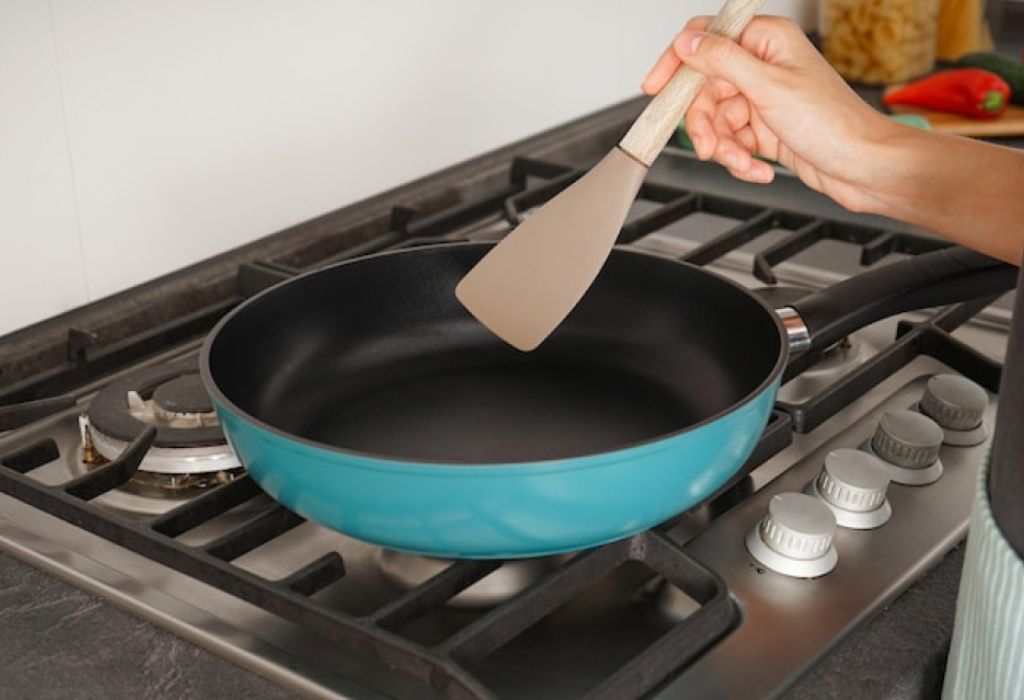
Cookware versatility determines how effectively it can handle a range of cooking techniques. Cast iron and stainless steel each have strengths suited to different culinary applications.
Cast Iron is ideal for searing, roasting, baking, and slow-cooking. Its excellent heat retention allows for even browning and consistent cooking, making it a favorite for dishes that require steady, prolonged heat.
Stainless Steel excels at boiling, sautéing, and cooking acidic foods. Its non-reactive surface ensures that flavors are preserved, and it is suitable for high-temperature, quick-cooking tasks where rapid heat adjustments are necessary.
The choice of cookware affects both technique and outcome. Cast iron provides stability and depth for hearty, long-cooked dishes, while stainless steel offers flexibility and speed for everyday cooking needs.
By evaluating the strengths of each material, home cooks can select cookware that complements their cooking style, enhancing both efficiency and the quality of meals. This ensures the right pan is used for the right task every time.
Health and Safety Considerations
Health and safety are important factors when choosing cookware, as materials can interact with food during cooking. Cast iron and stainless steel each present unique considerations for home cooks.
Cast Iron can leach small amounts of iron into food, which may be beneficial for those with iron deficiencies. However, excessive exposure to acidic foods in uncoated cast iron may affect flavor and increase metal transfer.
Stainless Steel is generally considered non-reactive and safe for cooking most foods. Minimal leaching of nickel or chromium may occur, but this is typically not a concern for most individuals without specific metal sensitivities.
Both types of cookware are safe when used correctly, but understanding their properties helps avoid potential risks. Choosing the right cookware for health considerations ensures safe, high-quality meals while supporting long-term kitchen safety.
By accounting for material interactions with food, consumers can make informed decisions that maintain both flavor integrity and nutritional benefits. Proper use and care enhance safety for everyday cooking.
Cost and Value Comparison
Cost is an important factor when choosing cookware, influencing both upfront investment and long-term value. Cast iron and stainless steel differ in initial price, maintenance requirements, and lifespan, affecting overall cost-effectiveness.
Cast Iron is generally affordable and long-lasting, but it may require additional investment in seasoning oils and more careful maintenance. High-quality enameled options are more expensive but reduce upkeep requirements while retaining the benefits of traditional cast iron.
Stainless Steel tends to have a higher upfront cost but offers minimal maintenance expenses. Its durability, resistance to rust, and dishwasher-safe properties reduce ongoing costs and make it a convenient choice for many kitchens.
The best value depends on cooking style, frequency, and willingness to maintain the cookware. Cast iron offers excellent heat retention and longevity, whereas stainless steel provides convenience and low-maintenance reliability.
By comparing cost against performance, maintenance, and versatility, consumers can select cookware that delivers the greatest overall value for their kitchen needs. This ensures smart investment in both cookware quality and cooking outcomes.
Tips for Choosing the Right Cookware
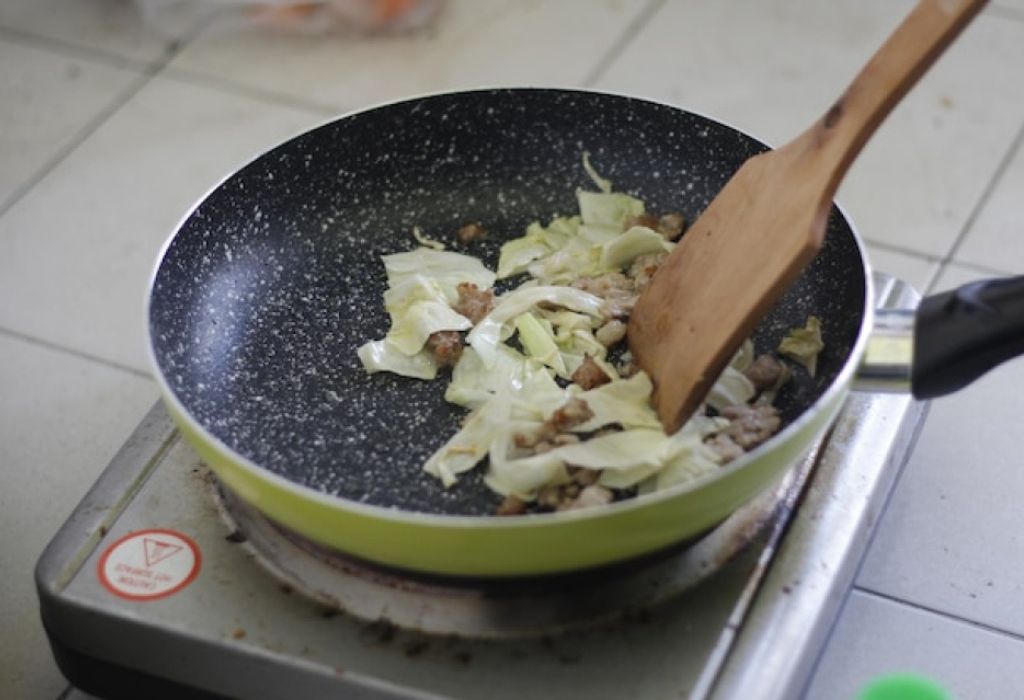
Selecting the right cookware requires evaluating material, performance, maintenance, and cooking style. Understanding these factors ensures the cookware meets both culinary needs and long-term usability.
Identify Your Cooking Needs based on the types of dishes you frequently prepare. Cast iron is ideal for searing, roasting, and slow-cooking, while stainless steel excels at boiling, sautéing, and cooking acidic foods.
Consider Maintenance and Care when choosing cookware. If minimal upkeep is preferred, stainless steel is convenient, whereas cast iron requires regular seasoning and careful cleaning for optimal performance.
Assess Durability and Longevity to determine long-term value. Cast iron can last decades with proper care, while stainless steel offers corrosion resistance and dishwasher-safe convenience.
Evaluate Budget and Cost to find the best balance between initial investment and long-term use. Premium enameled cast iron may be costly upfront, but low-maintenance stainless steel can offset ongoing care costs.
By following these guidelines, home cooks can make informed decisions that match their cooking style, kitchen habits, and budget. Choosing the right cookware enhances efficiency, performance, and overall cooking satisfaction.
Conclusion
Cast iron and stainless steel cookware each offer unique advantages that cater to different cooking styles and preferences. Cast iron excels at heat retention and long-term durability, making it ideal for searing, roasting, and slow-cooking.
Stainless steel provides low-maintenance convenience, corrosion resistance, and versatility for boiling, sautéing, and preparing acidic foods. Choosing between the two depends on cooking habits, maintenance willingness, and budget considerations.
Proper care and understanding of each material’s strengths maximize performance and longevity. By selecting cookware that aligns with culinary needs and lifestyle, home cooks can achieve consistent results and enhance the overall cooking experience.
Ultimately, the best cookware is one that balances performance, durability, maintenance, and cost while supporting safe, efficient, and enjoyable meal preparation.

I’m Emma J. Caldwell, the founder, lead writer, and home-cooking enthusiast behind KitchenGuideCo.com. With a background in culinary arts and over a decade of cooking experience in both professional and personal kitchens, I created this platform to demystify recipes, offer smart kitchen gadget reviews, and guide readers through meal prep with confidence and clarity.