A well-seasoned cast iron skillet can last a lifetime, yet many cooks wonder if it is truly safe to use every day. Concerns about iron leaching, rust, and seasoning often create confusion, especially for families cooking long-simmered meals.
Curiosity grows when food experts praise cast iron for its durability and chefs highlight its superior heat retention. The benefits sound impressive, but the question remains: is cast iron cookware safe to use long term at home?
The answer lies in how the pan is used and maintained. Properly seasoned cast iron is safe for most households and may even increase the iron content of food. Studies show that cooking in iron cookware can improve hemoglobin levels in communities with iron deficiency (NCBI).
At the same time, awareness matters. Acidic foods, neglected seasoning, or poor cleaning practices can change how much iron leaches into meals. A well-cared-for skillet provides confidence, but a neglected one can raise questions.
What Safety Means With Cast Iron
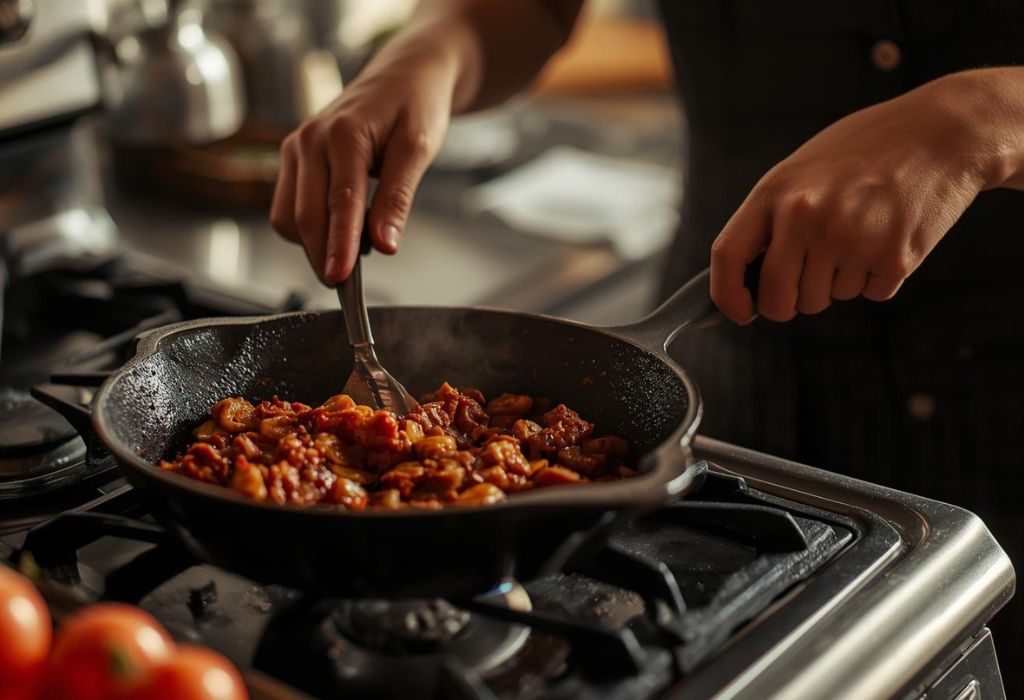
Safety with cast iron cookware involves more than whether food sticks or rust forms. It includes understanding chemical reactions, durability, and how the material interacts with different types of food.
Unlike nonstick cookware, cast iron contains no PFAS or PTFE coatings that can break down at high heat. It is simply iron, which is stable when seasoned correctly. This makes it free of synthetic risks that concern many households today.
The seasoning layer, created by heating thin coats of oil until they polymerize, forms a natural barrier between food and metal.
This layer improves with use, reducing sticking while protecting against rust and excess iron transfer.
Regulatory warnings about cookware safety often focus on imported aluminum or ceramic pieces that leach heavy metals like lead (FDA). Cast iron from reputable manufacturers is not part of these alerts, making it a trustworthy choice when maintained properly.
From stovetop to oven to grill, cast iron remains structurally sound at high heat. Its durability and lack of chemical coatings add to its reputation as a safe, long-term cooking material.
Iron Leaching: When, How Much, and Who Should Care
Iron leaching is the most common concern raised about cast iron safety. Iron from the pan can transfer into food, especially under certain conditions.
The amount of iron released depends on food type, cooking duration, and the maturity of the seasoning. Acidic recipes like tomato sauce and vinegar-based dishes increase leaching, while dry cooking or frying in a well-seasoned pan releases far less.
Research shows that tomato sauce cooked in cast iron can gain up to several milligrams of iron depending on pan condition and cooking time (American Dietetic Association). These levels may be beneficial for people with low iron but can be excessive for those with iron overload conditions.
New pans or those with thin seasoning layers leach more iron than well-seasoned skillets. Over time, the patina reduces direct contact between food and bare iron, lowering the amount that transfers.
For most healthy adults, the extra iron is safe and may even help prevent deficiency. Those with hemochromatosis or similar conditions should take care with frequent use, especially with acidic slow-simmered dishes.
Comparing Cast Iron With Other Cookware
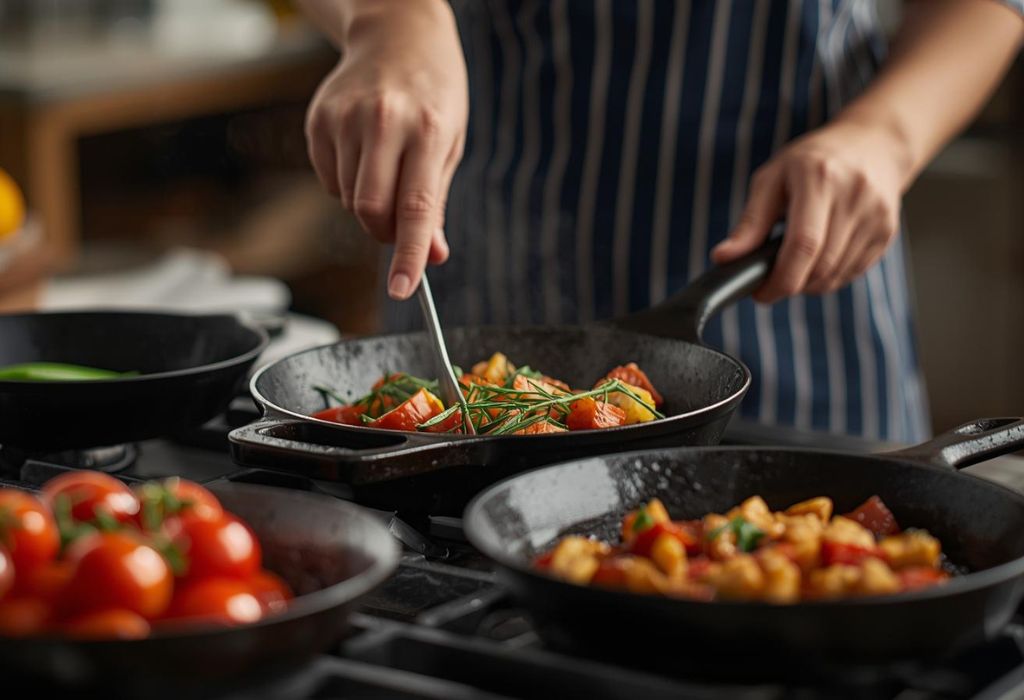
Every cookware material has pros and cons, and comparing them highlights why many view cast iron as a safer option.
Nonstick pans coated with PTFE or similar compounds release fumes when overheated, raising concerns about long-term exposure.
Public health agencies often recommend alternatives like cast iron or ceramic for high-heat cooking (Harvard T.H. Chan School of Public Health).
Aluminum cookware, particularly older or uncoated models, may leach metal into food, especially when cooking acidic dishes. Some imported cookware has been flagged by the FDA for leaching unsafe levels of heavy metals.
Stainless steel is widely considered safe, though new pans can release small amounts of nickel and chromium into food. These amounts usually decrease after repeated use.
In comparison, cast iron offers a simple composition with predictable risks. Its seasoning layer reduces leaching, and it carries no risk of synthetic coatings breaking down at high temperatures.
Safe Day-to-Day Use: Heat, Oil, and Cooking Choices
Everyday safety with cast iron comes from good habits in cooking and temperature control. Preheating the pan gradually on medium heat ensures even distribution and prevents food from sticking.
Using neutral, high smoke point oils like grapeseed, vegetable, or canola supports seasoning and resists burning. These oils bond well with the surface, maintaining a nonstick patina.
While acidic foods are safe for short cooking, long braises or simmering tomato sauces are better suited to stainless steel or enameled cast iron if iron intake is a concern. This precaution avoids both excess leaching and damage to the seasoning layer.
Cooking at extremely high heat is rarely necessary. Medium to medium-high temperatures are sufficient for searing, frying, or baking. Controlled heat protects both the food and the seasoning.
Metal utensils can be used safely, as there is no coating to scratch. Careful handling prevents gouging the seasoning, which can otherwise be rebuilt with re-oiling and heat.
Cleaning and Maintenance That Protects Safety
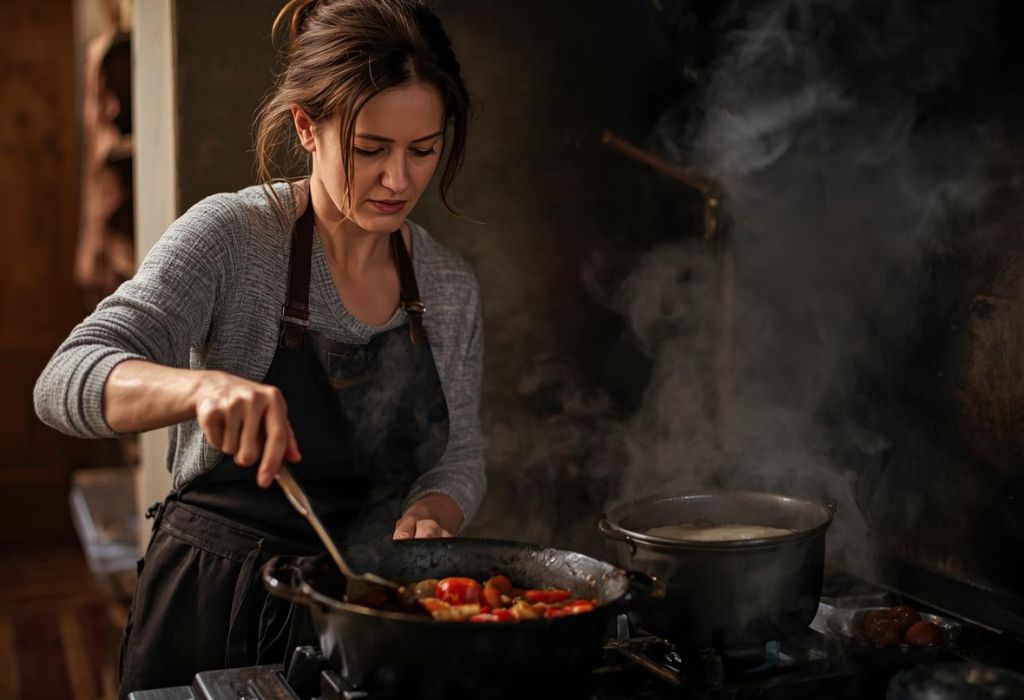
Proper cleaning practices keep cast iron safe and reliable for decades. The key is to avoid moisture exposure that leads to rust and to maintain the protective seasoning layer.
After cooking, leftover food should be removed with a brush, scraper, or chainmail scrubber under hot water. Modern guidance from manufacturers like Lodge confirms that small amounts of mild dish soap will not harm seasoning.
Thorough drying is essential. Wiping with a towel and then heating the skillet briefly ensures all water evaporates, leaving no chance for rust.
Once dry, a thin coat of oil should be applied to the warm surface. This simple step restores the protective patina and prepares the pan for its next use.
If rust develops, it can be scrubbed away with steel wool or abrasive pads, followed by re-seasoning in the oven. Cast iron is one of the few cookware types that can be fully restored even after neglect.
Special Populations and Health Considerations
While cast iron is safe for most people, some groups may need to consider unique health factors. Pregnant women, children, and individuals with iron deficiency may benefit from the extra dietary iron provided by cast iron cooking.
Studies in developing regions have shown that cooking daily meals in iron pots improved hemoglobin levels in children and reduced rates of anemia (NCBI). This demonstrates its potential as a natural dietary supplement in certain populations.
However, individuals with hereditary hemochromatosis or other iron overload conditions should limit use, particularly with acidic foods or long cooking times. Consultation with healthcare providers ensures safe choices.
For most households, cast iron provides more benefits than risks. Awareness of medical conditions helps tailor usage for optimal safety.
Red Flags and When Not to Use a Pan
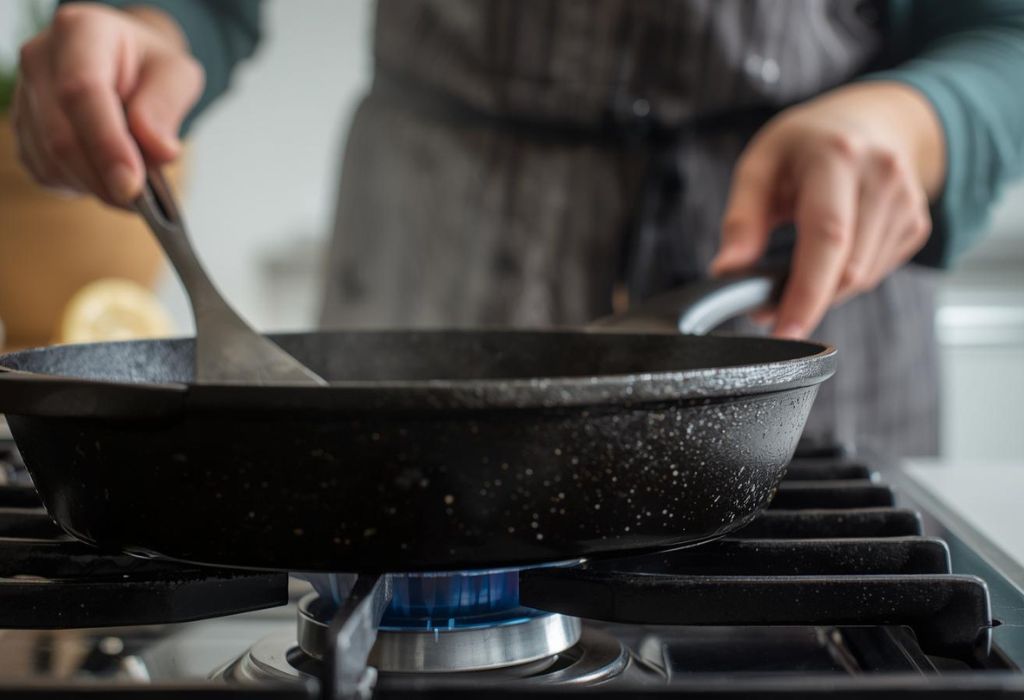
Cast iron is durable, but not every piece remains safe forever. Certain conditions signal that a pan should be repaired or retired.
Cracks or severe warping compromise structural integrity and make cooking uneven or dangerous. Deep pitting can harbor food particles and bacteria, reducing hygiene.
Unknown or imported cast iron cookware should be approached with caution. FDA alerts have identified unsafe levels of lead in some imported cookware products, underscoring the importance of trusted manufacturers.
Flaking seasoning is not a toxic hazard but signals a need for maintenance. Stripping and rebuilding the seasoning layer resolves this issue and restores safety.
A well-maintained skillet rarely becomes unsafe, but recognizing warning signs ensures peace of mind.
Evidence Snapshot: What Studies and Experts Say
Scientific evidence and expert opinion reinforce cast iron’s reputation for safety. Research confirms that while iron leaching occurs, it is generally beneficial and not harmful for healthy individuals.
One clinical trial showed that cooking with iron pots increased dietary iron intake and reduced anemia rates in children and women of childbearing age (NCBI).
Food chemistry studies demonstrate that iron transfer declines as seasoning develops. A mature patina protects the pan and reduces direct exposure to bare iron.
Public health experts recommend cast iron as a safer alternative to nonstick pans that rely on PFAS-based coatings. Cast iron avoids synthetic chemical risks entirely.
The consensus is clear: is cast iron cookware safe to use long term at home? Yes, provided it is seasoned, maintained, and used appropriately.
Conclusion
Cast iron cookware is one of the most enduring and safe kitchen tools when cared for correctly. With its natural seasoning layer, it provides a nonstick surface free of synthetic coatings and remains structurally sound at high temperatures.
Iron leaching is real but predictable, increasing with acidic foods and new pans yet declining as seasoning develops. For most households, this iron is safe and even beneficial, though individuals with iron overload should exercise caution.
Compared to nonstick and aluminum alternatives, cast iron stands out for its simplicity and durability. Safe habits—preheating, proper oiling, thorough drying, and regular seasoning—make it a trustworthy companion in everyday cooking.

I’m Emma J. Caldwell, the founder, lead writer, and home-cooking enthusiast behind KitchenGuideCo.com. With a background in culinary arts and over a decade of cooking experience in both professional and personal kitchens, I created this platform to demystify recipes, offer smart kitchen gadget reviews, and guide readers through meal prep with confidence and clarity.