Choosing cookware involves more than aesthetics and cooking performance. With health and safety concerns rising, many consumers are asking: Is cast iron enamel cookware safe?
Hook 1: Enameled cast iron is praised for its durability, even heat distribution, and colorful designs, but questions remain about potential toxins in the enamel coating.
Hook 2: Some older or imported products have been found to contain trace amounts of lead or cadmium, raising concerns for health-conscious cooks (allrecipes.com).
Hook 3: Understanding the materials, manufacturing process, and maintenance requirements of enameled cast iron helps consumers make informed decisions and ensures safe, effective use in the kitchen.
According to The Spruce Eats, properly manufactured enameled cast iron from reputable brands is free of harmful chemicals and safe for everyday cooking (source).
The market for safe, durable cookware is growing, with more than 70% of consumers prioritizing non-toxic materials when buying kitchen tools (source).
What Is Enameled Cast Iron Cookware?
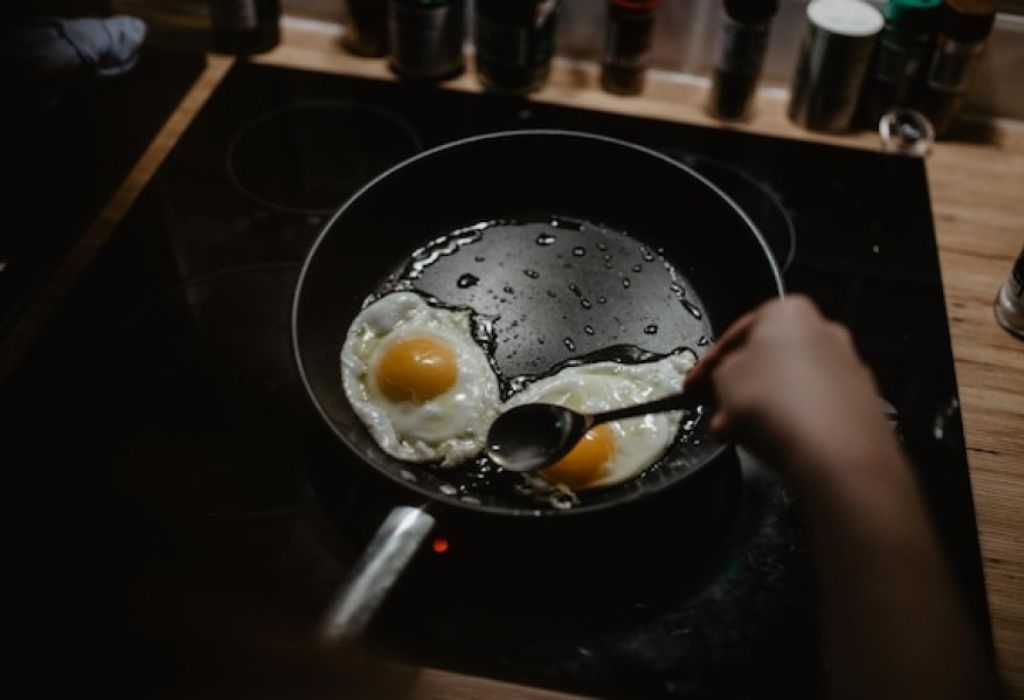
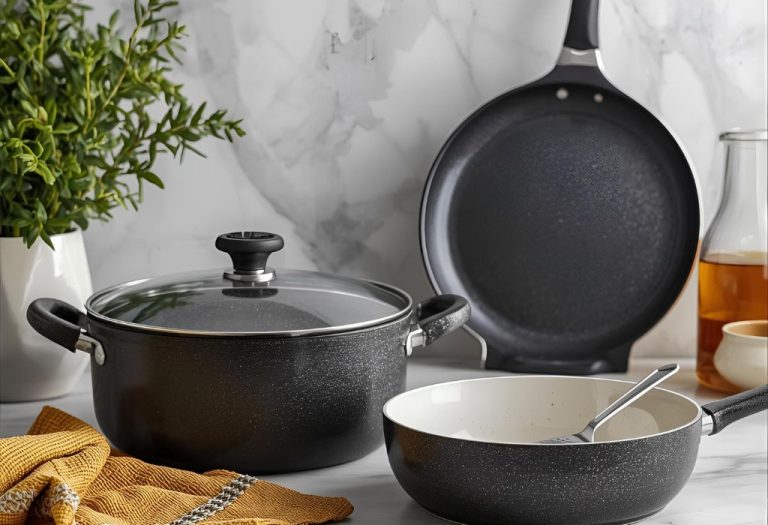
Enameled cast iron cookware is created by applying a vitreous enamel coating to traditional cast iron. This combination provides the excellent heat retention and durability of cast iron while offering a non-reactive, colorful surface suitable for all types of cooking.
The enamel coating is typically made from glass fused to the iron at high temperatures, creating a smooth, hard, and chemical-free surface. High-quality enameled cookware avoids the use of harmful substances such as lead or cadmium, ensuring a safe cooking environment (carawayhome.com).
Enameled cast iron does not require seasoning like traditional cast iron, which simplifies maintenance and reduces the risk of chemical contamination. It also allows cooking of acidic foods such as tomatoes and citrus without reacting with the pan’s surface, preserving both flavor and nutritional quality.
Reputable brands such as Le Creuset, Staub, and Lodge are known for producing high-quality enameled cast iron cookware that meets strict safety standards. Choosing cookware from trusted manufacturers helps avoid potential health risks associated with poorly made or imported products.
Understanding what enameled cast iron is and how it is manufactured allows consumers to make informed decisions about its safety and use. With proper selection and care, this cookware offers a safe, durable, and efficient solution for everyday cooking.
Health and Safety Considerations
Enameled cast iron cookware is generally safe when produced by reputable manufacturers. High-quality enamel coatings are free from harmful chemicals, such as lead and cadmium, ensuring non-toxic cooking surfaces.
Some older or low-quality imported cookware may still contain trace amounts of lead or cadmium in the enamel. Consuming food cooked in damaged or poorly made cookware could pose health risks, especially for children and pregnant individuals (allrecipes.com).
Properly maintained enameled cast iron prevents leaching and provides a safe cooking surface. Avoid using cookware with chipped enamel or exposed cast iron, as this can reduce safety and affect food quality.
Regulations in the U.S. and Europe require that cookware meet strict standards for lead and cadmium content. Choosing brands that adhere to these standards significantly reduces the risk of contamination and ensures consumer safety (canada.ca).
Understanding these health and safety considerations allows home cooks to confidently use enameled cast iron cookware. Awareness of proper use and potential risks ensures both safe and effective cooking in the kitchen.
Benefits of Using Enameled Cast Iron Cookware
Enameled cast iron cookware offers a combination of safety, durability, and performance that appeals to health-conscious home cooks. Its non-toxic, chemical-free surface provides a reliable option for everyday cooking.
Non-Reactive Cooking Surface allows preparation of acidic foods, such as tomatoes and citrus, without altering flavor or leaching metals. This ensures both taste and nutritional quality are preserved.
No Seasoning Required simplifies maintenance compared to traditional cast iron. Home cooks can enjoy non-stick properties without relying on oils or fats for protection, reducing the risk of contamination.
Even Heat Distribution ensures consistent cooking results for frying, baking, roasting, and slow-cooked dishes. The heat-retaining properties of cast iron help maintain temperature stability across the cooking surface.
Durability and Longevity make enameled cast iron a sustainable choice. With proper care, cookware can last decades, minimizing waste and exposure to potentially unsafe alternatives.
Aesthetic Appeal adds style to the kitchen. Enameled cookware is available in a variety of colors and finishes, combining function with visual appeal for both cooking and serving.
By providing safety, convenience, and consistent performance, enameled cast iron cookware is an ideal choice for consumers seeking a non-toxic, long-lasting, and versatile solution in the kitchen.
Tips for Maintaining Enameled Cast Iron Cookware Safely
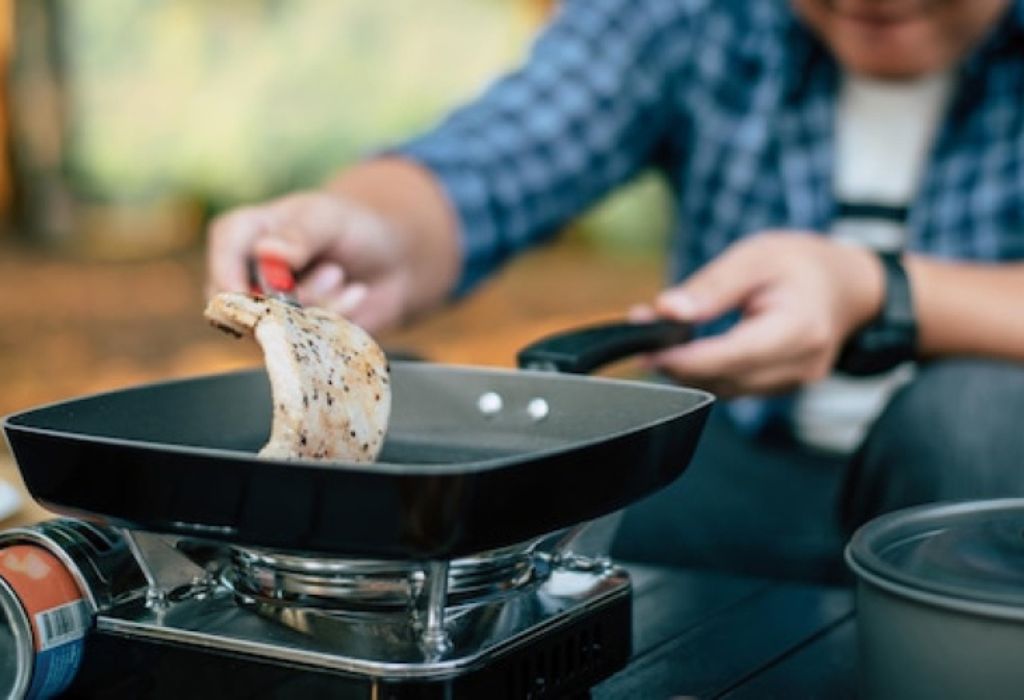
Proper maintenance of enameled cast iron cookware ensures it remains non-toxic, durable, and effective for cooking. Following simple care practices prolongs the life of the enamel and prevents potential safety issues.
Avoid Abrasive Cleaners that can scratch or damage the enamel surface. Gentle cleaning with warm water and a soft sponge preserves the non-toxic coating.
Prevent Thermal Shock by not exposing the cookware to sudden temperature changes. Avoid moving a hot pan directly into cold water to prevent cracking or chipping.
Use Wooden or Silicone Utensils to reduce the risk of scratching the enamel. Metal utensils can damage the surface, compromising safety and performance.
Regular Inspection helps detect chips or cracks in the enamel. If damage is present, avoid cooking acidic foods on the pan until it is repaired or replaced.
Proper Storage in a dry environment prevents moisture accumulation and potential corrosion on exposed cast iron edges. Stacking with paper towels or cloth between pans can protect the enamel surfaces.
By following these maintenance tips, home cooks can maximize the lifespan, safety, and performance of enameled cast iron cookware. Safe care practices ensure that the cookware remains a reliable and non-toxic tool for everyday cooking.
Potential Drawbacks of Enameled Cast Iron Cookware
While enameled cast iron cookware offers many benefits, there are some considerations to keep in mind. Awareness of these drawbacks helps consumers use it safely and effectively.
Chipping and Cracking can occur if the cookware is dropped or subjected to sudden temperature changes. Damaged enamel exposes the underlying cast iron and can compromise both safety and performance.
Weight is another factor, as enameled cast iron is heavier than other cookware types. This can make handling, lifting, and storage challenging for some users.
Cost is typically higher than other cookware materials. High-quality enameled cast iron represents a larger upfront investment, though its durability often justifies the price.
Care Requirements include avoiding abrasive cleaners and metal utensils that can damage the enamel. Following proper maintenance guidelines ensures longevity and maintains the cookware’s non-toxic properties (realsimple.com).
Storage Space may be limited due to the size and weight of enameled cast iron pieces. Consumers with smaller kitchens should plan storage carefully to accommodate these durable pans.
By understanding these potential drawbacks, home cooks can make informed decisions and implement proper use and care practices. This ensures that enameled cast iron cookware remains safe, effective, and long-lasting.
How to Ensure the Safety of Enameled Cast Iron Cookware
Ensuring the safety of enameled cast iron cookware starts with selecting products from reputable brands. Trusted manufacturers adhere to strict quality standards and produce enamel coatings that are free from lead, cadmium, and other harmful substances.
Check for Certifications indicating compliance with health and safety regulations. Certifications provide assurance that the cookware meets rigorous testing standards for chemical leaching and overall safety.
Inspect for Damage before use. Chips, cracks, or exposed cast iron can compromise safety, so any damaged cookware should be repaired or replaced.
Follow Manufacturer Guidelines for cleaning and maintenance. Avoid abrasive sponges, harsh detergents, or sudden temperature changes that can damage the enamel and reduce its non-toxic integrity.
Regular Maintenance such as gentle cleaning, proper drying, and careful storage helps preserve the enamel coating. Proper care ensures the cookware remains safe, durable, and effective for long-term use.
By taking these precautions, consumers can confidently use enameled cast iron cookware while minimizing health risks and maximizing performance in the kitchen.
Recommended Brands and Products
Selecting enameled cast iron cookware from reputable brands ensures safety, durability, and performance. Choosing well-known manufacturers reduces the risk of exposure to harmful chemicals and ensures consistent quality.
Le Creuset is a premium brand renowned for high-quality enameled cast iron cookware. Their products are lead-free, cadmium-free, and provide excellent heat retention and durability.
Staub offers enameled cast iron cookware crafted in France with a focus on safety and performance. Their enamel coatings are designed to be non-toxic and resistant to chipping.
Lodge produces affordable enameled cast iron cookware that meets safety standards. Pre-seasoned and carefully manufactured, Lodge products combine accessibility with non-toxic performance.
Field Company provides lightweight, smooth-finished enameled skillets with non-toxic coatings. These pans are designed for efficiency, safety, and ease of maintenance.
Choosing cookware from these trusted brands ensures peace of mind for health-conscious consumers. High-quality enameled cast iron combines safety, durability, and cooking versatility for both everyday use and special culinary applications.
Conclusion
Enameled cast iron cookware is generally safe and non-toxic when purchased from reputable brands and properly maintained. Its durability, non-reactive surface, and chemical-free construction make it a reliable choice for health-conscious home cooks.
Understanding the potential risks, such as lead or cadmium in low-quality or vintage products, is essential for informed decision-making. By choosing high-quality cookware and following proper care guidelines, consumers can enjoy safe, effective, and long-lasting kitchen tools.
The benefits of enameled cast iron, including even heat distribution, non-stick performance without synthetic coatings, and aesthetic appeal, make it an excellent investment for everyday cooking. Selecting cookware that meets safety standards ensures peace of mind while enhancing the cooking experience.
Proper selection, inspection, and maintenance of enameled cast iron cookware provide a non-toxic, durable, and versatile solution for kitchens. This allows home cooks to enjoy consistent, safe, and flavorful cooking for years to come.

I’m Emma J. Caldwell, the founder, lead writer, and home-cooking enthusiast behind KitchenGuideCo.com. With a background in culinary arts and over a decade of cooking experience in both professional and personal kitchens, I created this platform to demystify recipes, offer smart kitchen gadget reviews, and guide readers through meal prep with confidence and clarity.