Choosing the right cookware is a crucial decision for both health and kitchen efficiency. Ceramic coated aluminum cookware has grown in popularity due to its non-stick surface, lightweight design, and fast, even heating.
Despite its benefits, many home cooks question whether this type of cookware is safe for daily use. Concerns often focus on chemical exposure, coating durability, and the potential for aluminum leaching into food.
Studies indicate that nearly 60% of consumers are unsure about the safety of ceramic coated cookware in everyday cooking (source).
Curiosity also revolves around the benefits of low-fat cooking, easy cleaning, and heat efficiency.
While the non-stick surface can reduce the need for oils and enhance convenience, understanding the proper usage and maintenance is essential to ensure both performance and safety.
What Is Ceramic Coated Aluminum Cookware?
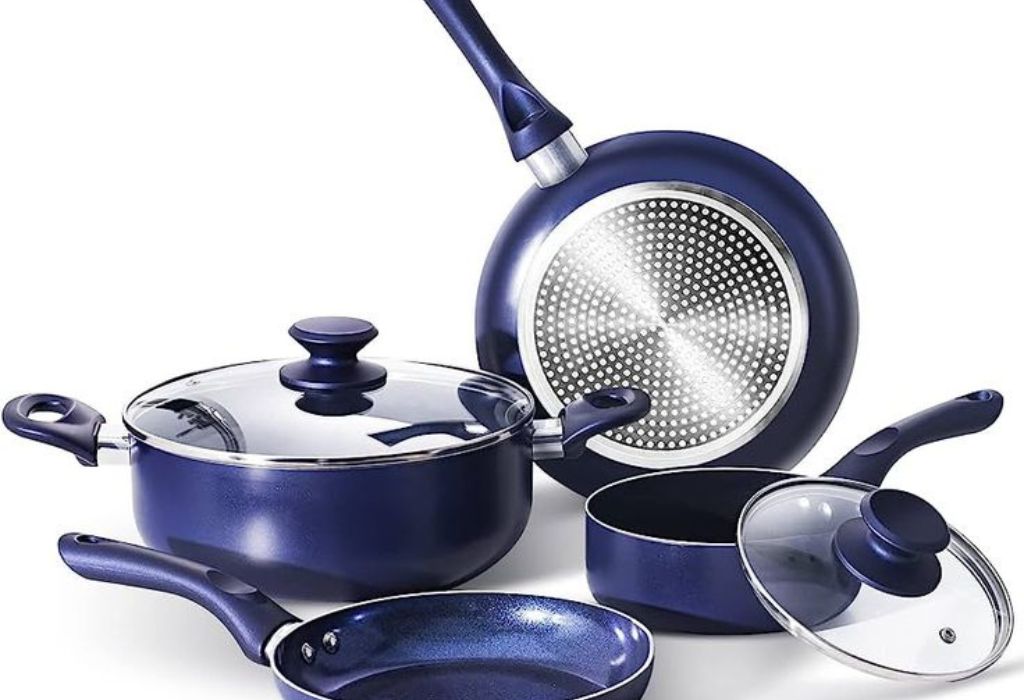
Ceramic coated aluminum cookware combines a lightweight aluminum base with a ceramic non-stick layer to provide a versatile and efficient cooking surface.
The aluminum ensures rapid and even heat distribution, which helps reduce cooking times and prevents unevenly cooked food, while the ceramic coating enhances non-stick performance and simplifies cleanup.
The ceramic coating is generally free from PFOA and PTFE, which are chemicals commonly found in older non-stick cookware. This makes modern ceramic coated aluminum a safer alternative for health-conscious home cooks.
The coating also supports low-fat cooking by allowing food to release easily without the need for excessive oils or butter, promoting healthier meal preparation.
One of the main advantages of this cookware is its combination of convenience and performance. Its non-stick surface makes it ideal for frying, sautéing, and preparing delicate foods such as eggs or fish, which might otherwise stick to traditional pans. The lightweight aluminum construction further enhances usability, making it easier to lift, move, and store the pans compared to heavier alternatives like cast iron.
Despite its benefits, ceramic coated aluminum cookware requires proper handling to maintain safety and performance. High heat, metal utensils, or abrasive cleaning methods can damage the coating, reducing its lifespan and potentially exposing the aluminum base.
Selecting high-quality, PFOA-free coatings and following manufacturer guidelines ensures durability, safety, and consistent cooking results.
In summary, ceramic coated aluminum cookware offers a balanced solution for everyday cooking, combining the rapid heating and lightweight design of aluminum with the health-friendly, non-stick properties of ceramic.
Understanding its composition, benefits, and proper usage allows home cooks to maximize safety, convenience, and cooking efficiency while maintaining the longevity of their cookware.
Benefits of Ceramic Coated Aluminum Cookware
Ceramic coated aluminum cookware offers a combination of convenience, efficiency, and health-conscious cooking features. Its non-stick surface allows food to slide easily, reducing the need for oils and fats while supporting low-fat meal preparation.
The aluminum base provides excellent heat conductivity, ensuring quick and even cooking. This efficiency not only saves time in the kitchen but also minimizes energy usage, making it an eco-friendly choice for everyday cooking.
Ease of cleaning is another key benefit. Food residue rarely sticks to the ceramic surface, so scrubbing is minimal, and hand washing helps maintain the coating for longer. This convenience makes it ideal for busy home cooks who want both performance and low-maintenance cookware.
Ceramic coated aluminum is also lightweight, enhancing maneuverability when handling large or heavy meals. Unlike heavier alternatives such as cast iron, these pans are easy to lift, pour from, and store, reducing strain on the wrists and arms during cooking.
Durability and versatility further add to its appeal. High-quality ceramic coatings resist scratches and minor abrasions when used with proper utensils, while the aluminum base supports various cooking methods including frying, sautéing, and gentle simmering.
This versatility ensures it can meet a wide range of culinary needs without compromising safety or efficiency.
In summary, ceramic coated aluminum cookware provides fast, even heating, low-fat cooking, and effortless cleaning, all in a lightweight and versatile design.
These benefits make it a practical and safe option for everyday cooking, offering convenience, performance, and health-conscious features in a single cookware solution.
Potential Health Risks
While ceramic coated aluminum cookware is generally considered safe, understanding potential health risks is important for proper use. Concerns primarily revolve around coating degradation, exposure to aluminum, and overheating.
High-quality ceramic coatings are PFOA-free and PTFE-free, which reduces chemical exposure. However, excessive heat can damage the ceramic layer, potentially releasing minimal chemical fumes or exposing the aluminum base, which may react slightly with acidic foods.
Scratches or chips in the coating can reduce non-stick performance and slightly increase contact between food and aluminum. Using metal utensils, abrasive scrubbers, or high-heat cooking can accelerate coating damage.
Choosing high-quality cookware and adhering to manufacturer usage guidelines minimizes these risks.
Another consideration is extreme temperature exposure. Cooking at temperatures above the recommended range can compromise the coating, impacting both safety and longevity. Following recommended heat limits ensures that the non-stick surface remains intact and safe for routine use.
In summary, ceramic coated aluminum cookware is safe when high-quality materials are used and proper cooking practices are followed.
Awareness of coating integrity, heat limitations, and careful utensil use helps mitigate potential health risks while maintaining the convenience and efficiency of this type of cookware.
Safe Use and Maintenance Tips
Proper use and maintenance are essential to ensure ceramic coated aluminum cookware remains safe and performs optimally.
Following manufacturer guidelines and adopting careful cooking practices prolongs the lifespan of the coating while maintaining health safety.
Avoid overheating empty pans, as extreme temperatures can damage the ceramic layer and expose the aluminum base. Cooking on low to medium heat preserves the non-stick surface and prevents potential chemical degradation.
Utensil choice also impacts durability and safety. Wooden, silicone, or plastic utensils prevent scratches, while metal tools can compromise the ceramic coating.
Similarly, hand washing with mild detergents and soft sponges protects the surface better than abrasive cleaning methods or dishwashers.
Storage practices further influence cookware longevity. Stacking pans without protective layers can cause chipping, so using cloth or paper separators is recommended.
Regular inspection of the cookware ensures damaged or worn pieces are replaced promptly, maintaining both safety and cooking efficiency.
In summary, careful heat management, proper utensil use, gentle cleaning, and thoughtful storage are key to safe and effective use.
Adhering to these maintenance practices ensures that ceramic coated aluminum cookware remains a reliable, convenient, and safe solution for everyday cooking.
Comparison With Other Cookware
Ceramic coated aluminum cookware offers unique advantages when compared to stainless steel, cast iron, and traditional non-stick cookware. Each type has its own strengths in terms of heat distribution, durability, and ease of use, making them suitable for different cooking purposes.
Aluminum with a ceramic coating heats quickly and distributes temperature evenly, which provides a clear advantage over stainless steel for rapid cooking.
Cast iron retains heat exceptionally well, making it ideal for high-heat searing or long cooking times, but it is heavier and requires more maintenance.
Traditional non-stick cookware with older PTFE coatings offers convenience but may present more health concerns compared to modern ceramic-coated surfaces.
Ease of cleaning is another differentiator. Ceramic coated aluminum requires minimal scrubbing due to its non-stick surface, while stainless steel may require more effort to remove stuck-on food. Cast iron also demands special care, such as seasoning and careful drying to prevent rust.
In terms of versatility, ceramic coated aluminum can handle a wide range of cooking tasks, from sautéing and frying to simmering sauces, while remaining lightweight and manageable.
While it may not replace the high-heat resilience of cast iron or the chemical-free durability of pure ceramic, it strikes a balance between convenience, safety, and performance.
In summary, ceramic coated aluminum cookware provides a practical middle ground among various cookware types. Its combination of lightweight handling, non-stick performance, and fast heating makes it suitable for everyday cooking, while careful use and maintenance help preserve its benefits over time.
Expert Recommendations
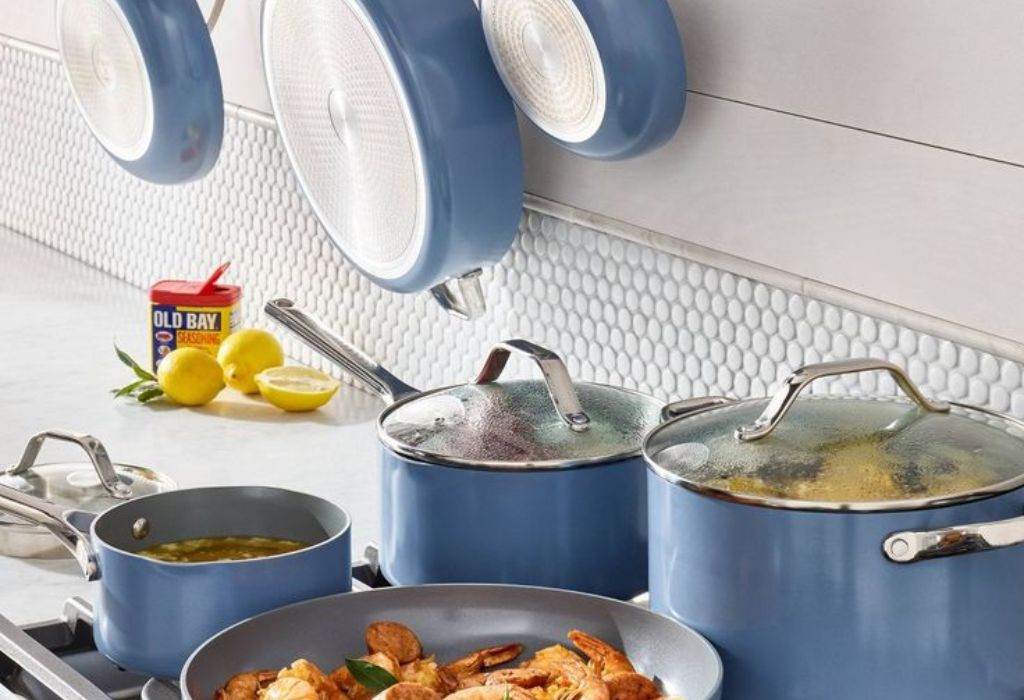
Experts emphasize choosing high-quality ceramic coated aluminum cookware to maximize both safety and performance. PFOA-free coatings and well-constructed aluminum bases provide reliable non-stick surfaces while minimizing chemical exposure.
Moderate heat usage is recommended, as overheating can degrade the ceramic layer and reduce its lifespan. Using gentle cooking practices and avoiding metal utensils preserves the integrity of the coating, ensuring continued non-stick efficiency.
Cleaning and storage practices are also critical. Hand washing with soft sponges, avoiding abrasive detergents, and storing pans with protective layers prevents chipping or scratching. Replacing damaged cookware promptly maintains safety and cooking performance.
Many professionals suggest combining ceramic coated aluminum with other cookware types for optimal versatility.
For example, aluminum can handle everyday low to medium heat cooking, while cast iron or stainless steel may be reserved for searing or baking tasks that require high heat.
Hybrid options, such as ceramic-coated aluminum pans, can also provide added safety and durability.
In summary, selecting high-quality cookware, practicing careful heat management, and following proper maintenance routines ensures safe, efficient, and long-lasting use. Home cooks can enjoy the benefits of ceramic coated aluminum cookware while minimizing risks, maintaining healthy cooking practices, and enhancing overall kitchen efficiency.
Is ceramic coated aluminum cookware safe for everyday use?
Yes, ceramic coated aluminum cookware is safe for everyday cooking. The ceramic coating prevents aluminum from leaching into food and offers a non-toxic, nonstick surface.
What is ceramic coated aluminum cookware?
It’s cookware made of aluminum for fast heat conduction, coated with a ceramic layer that provides a smooth, nonstick, and chemical-free cooking surface.
Does ceramic coated aluminum contain harmful chemicals?
No, high-quality ceramic coatings are free from PTFE, PFOA, lead, and cadmium—making them a healthier alternative to traditional nonstick pans.
Can ceramic coated aluminum cookware leach metals into food?
No, the ceramic layer acts as a barrier between food and the aluminum base, preventing any leaching or metallic taste.
Is ceramic coated aluminum cookware durable?
Yes, it’s durable but requires proper care. Avoid metal utensils, high heat, and abrasive cleaners to keep the coating intact for years.
Can ceramic coated aluminum pans be used on all stovetops?
They work well on gas, electric, and glass cooktops. However, most are not induction-compatible unless they have a magnetic stainless-steel base.
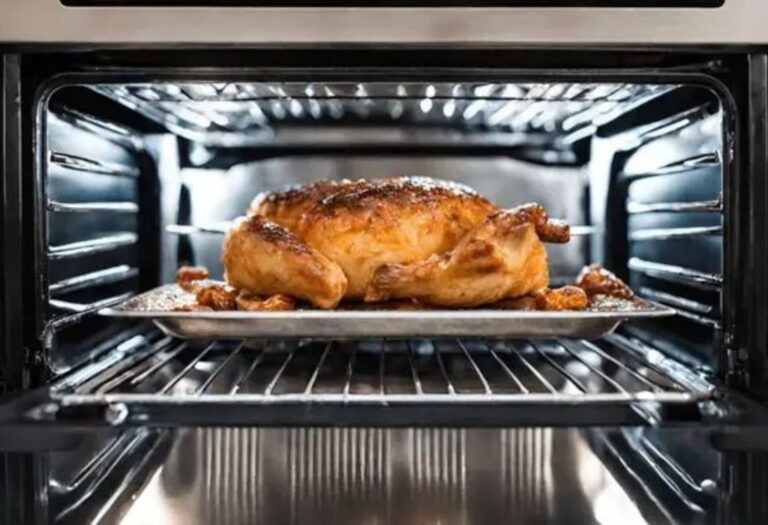
Are ceramic coated aluminum pans oven safe?
Most are oven safe up to 450–500°F (230–260°C), depending on the brand and handle material. Always check the manufacturer’s instructions.
Is it easy to clean ceramic coated aluminum cookware?
Yes, the smooth ceramic surface releases food easily and can be cleaned with mild soap and a soft sponge—no heavy scrubbing required.
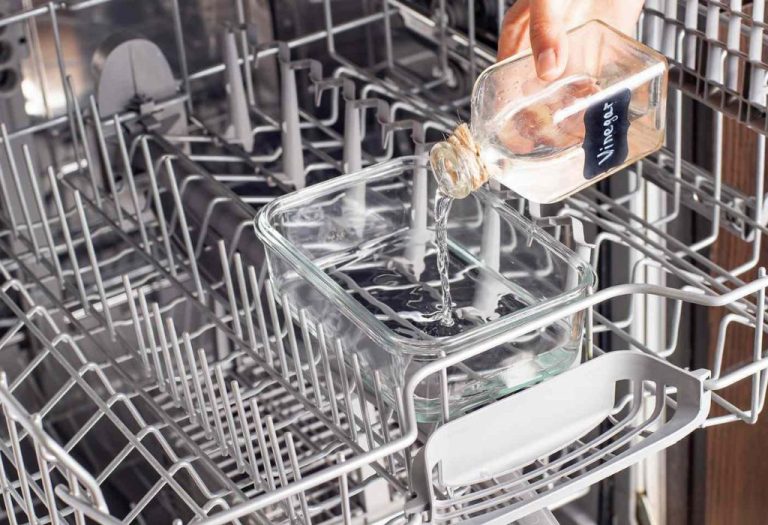
Can I put ceramic coated aluminum cookware in the dishwasher?
Hand-washing is best. Dishwashers can wear down the ceramic coating and dull its shine over time.
What’s the best way to maintain ceramic coated aluminum cookware?
Use low to medium heat, avoid metal utensils, wash gently by hand, and store carefully to prevent scratches—this ensures long-lasting performance and safety.
Conclusion
Ceramic coated aluminum cookware is generally safe for everyday cooking when high-quality, PFOA-free materials are used and proper maintenance practices are followed. Its combination of fast, even heating and non-stick properties makes it a convenient and efficient tool in modern kitchens.
The non-stick ceramic layer supports low-fat cooking and simplifies cleanup, while the aluminum base ensures uniform heat distribution. Awareness of heat limits, careful utensil use, and gentle cleaning helps maintain both safety and performance over time.
Understanding potential risks, such as coating degradation or damage from metal utensils, allows home cooks to make informed decisions. Regular inspection and timely replacement of worn cookware further enhance safety and reliability.
Ultimately, ceramic coated aluminum cookware offers a balance of convenience, efficiency, and health-conscious design.
Using it responsibly, combined with other cookware types when appropriate, provides versatility, durability, and optimal performance for a wide range of cooking tasks. Proper care ensures that this cookware remains a safe, practical, and long-lasting addition to any kitchen.

I’m Emma J. Caldwell, the founder, lead writer, and home-cooking enthusiast behind KitchenGuideCo.com. With a background in culinary arts and over a decade of cooking experience in both professional and personal kitchens, I created this platform to demystify recipes, offer smart kitchen gadget reviews, and guide readers through meal prep with confidence and clarity.