Cooking often begins with the pan, yet the choice between ceramic and nonstick cookware leaves many home chefs uncertain. Each option promises safety, performance, and convenience, but only one may truly support healthier and longer-lasting meals. The question remains: is ceramic cookware better than nonstick?
The problem lies in coatings that scratch, fade, or even release unwanted chemicals when exposed to high heat.
Nonstick pans made with PTFE, also known as Teflon, can emit fumes if overheated, while ceramic cookware, although marketed as toxin free, often struggles with durability. This trade-off creates confusion for anyone seeking safe and reliable cookware.
Curiosity grows as manufacturers label their products with claims like PFAS free, eco friendly, and chemical free.
Are these labels guarantees of safety, or simply marketing language designed to attract health-conscious buyers? The differences between ceramic and nonstick are not always clear, yet they directly influence daily cooking outcomes.
Statistics reveal how important this choice has become. Research shows that most nonstick pans are replaced within three to five years due to coating wear (Consumer Reports).
Meanwhile, a survey of cookware trends indicates that ceramic pans now account for more than 20% of nonstick sales, reflecting consumer interest in alternatives (Statista). These numbers highlight the growing concern around safety and longevity in modern kitchens.
What Is Nonstick vs Ceramic Cookware?
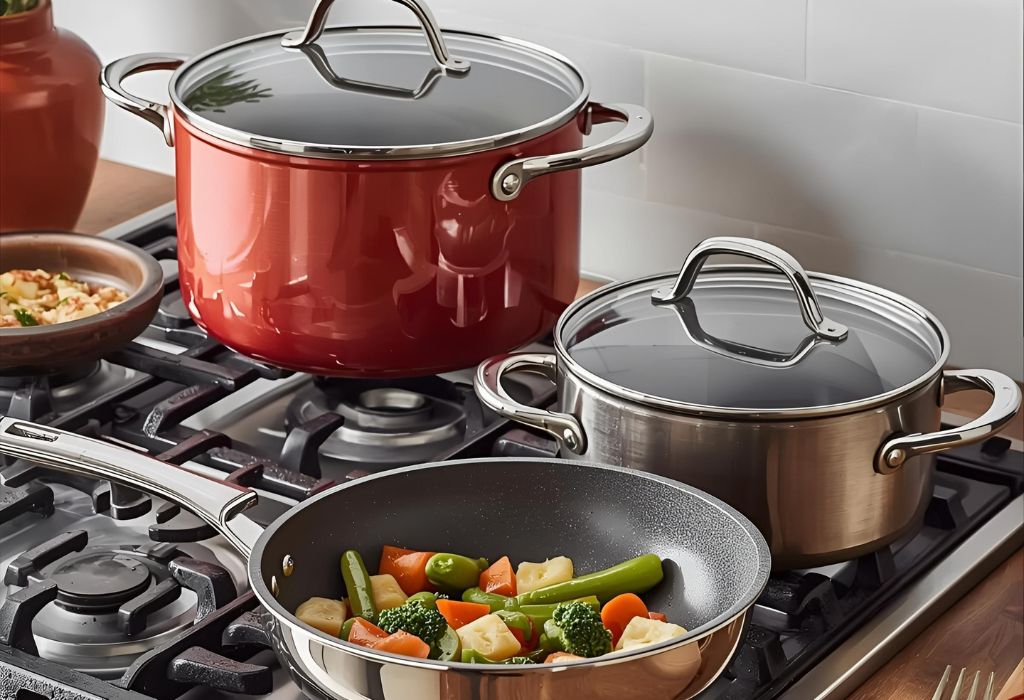
Before answering is ceramic cookware better than nonstick, it is important to understand what these terms truly mean. Many products use similar marketing language, but the construction and performance of each type are very different.
Traditional nonstick cookware typically relies on a PTFE coating, better known as Teflon. This synthetic layer creates a slick surface that allows food to slide off easily, even with little oil.
Its popularity stems from convenience, but the coating has strict limits. High heat can cause PTFE to degrade, and scratches from utensils or abrasive cleaning reduce its lifespan.
Ceramic cookware, by contrast, uses a silica-based coating that forms a glass-like surface. This material is naturally free from PFAS, PFOA, and other chemicals often associated with nonstick pans.
Some ceramic cookware is fully ceramic, though most products on the market feature a metal base such as aluminum coated with a ceramic layer. The result is lightweight, attractive, and marketed as eco friendly.
The visual appeal of ceramic pans often surpasses that of traditional nonstick. Bright colors, glossy finishes, and modern designs have made them popular in contemporary kitchens. However, the trade-off is durability.
Ceramic coatings can lose their smoothness over time, particularly if overheated or cleaned harshly.
Both cookware types share the goal of easy food release and quick cleanup, but they achieve it in different ways. Nonstick relies on synthetic coatings, while ceramic emphasizes natural, toxin-free materials. These distinctions set the stage for deeper comparisons in health, safety, performance, and long-term value.
Health Risks & Safety Concerns
Health is often the first factor behind the question is ceramic cookware better than nonstick. Since cookware comes into direct contact with food, the materials used can influence long-term well-being.
Nonstick cookware made with PTFE, or Teflon, is highly effective at preventing food from sticking. Yet it carries safety concerns when overheated. At temperatures above 500°F, PTFE can release fumes that are linked to health issues in both humans and pets.
Although modern nonstick pans are often labeled PFOA free, the presence of PFAS chemicals still raises questions about long-term exposure.
Ceramic cookware offers a different safety profile. Its silica-based coating is naturally free from PFAS, PFOA, and PTFE, making it a non-toxic alternative. This chemical-free appeal is one of the main reasons ceramic has grown in popularity.
However, safety depends on proper use. Overheating or exposing ceramic coatings to sudden temperature changes can cause cracks, leading to surface degradation. While this does not produce toxic fumes, it shortens the pan’s effective lifespan.
Another concern is damage. Scratches on nonstick surfaces may expose underlying layers, while chipped ceramic coatings can lose their nonstick ability and trap food residue. Neither option should be used once coatings are severely compromised.
From a health perspective, ceramic cookware reduces chemical risks, while nonstick demands careful temperature control to remain safe. Both require attentive care, but ceramic offers more reassurance for consumers seeking toxin-free cooking surfaces.
Performance & Nonstick Ability
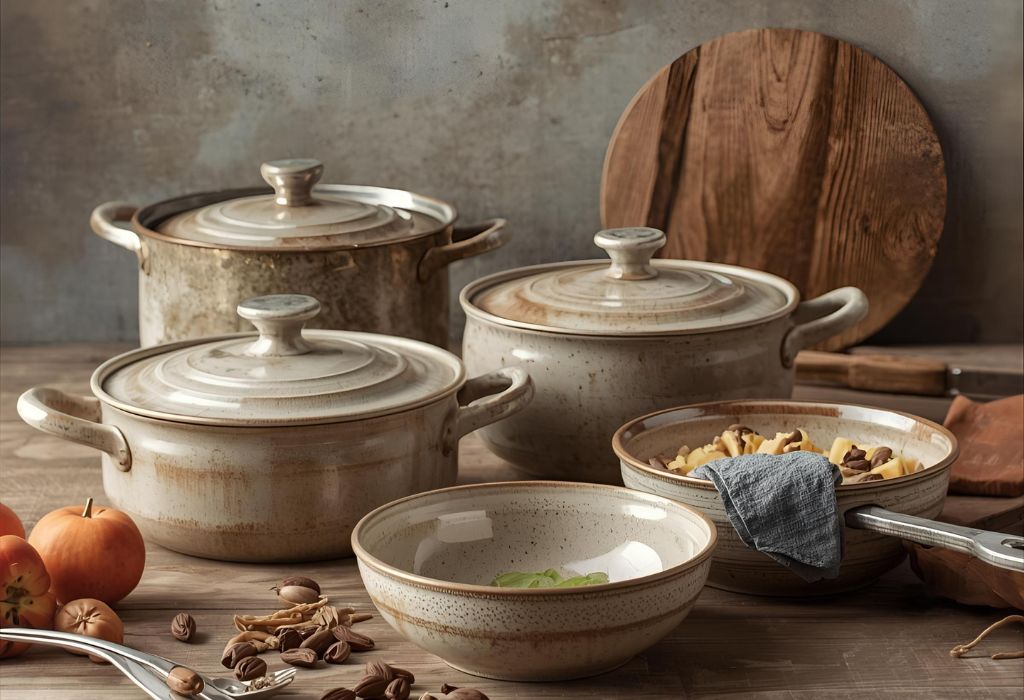
Performance in the kitchen is where many cooks decide is ceramic cookware better than nonstick. The way food releases, browns, and cooks evenly determines whether a pan is a pleasure to use or a constant source of frustration.
Traditional nonstick cookware has long been praised for its effortless food release. Eggs, pancakes, and delicate fish glide across PTFE surfaces with minimal oil.
This ease of use makes nonstick a go-to for quick meals and beginner-friendly cooking. However, performance often declines over time as the coating wears, scratches, or loses its slick finish.
Ceramic cookware also offers nonstick ability, especially when new. Its glossy, glass-like surface allows food to release with relative ease.
Yet unlike PTFE, ceramic coatings are more prone to wear from overheating and abrasive cleaning. After a year or two of daily use, many ceramic pans lose much of their nonstick performance, making cooking and cleaning more challenging.
Heat tolerance also sets the two apart. Nonstick pans are best used at low to medium heat to protect the coating, while ceramic pans can withstand slightly higher temperatures without immediate damage.
Still, neither option is ideal for extreme high-heat searing. For tasks like browning meat or stir-frying at high heat, stainless steel or cast iron remain better alternatives.
In terms of cooking efficiency, nonstick cookware excels at consistent results during its prime, while ceramic cookware offers a healthier, chemical-free alternative at the cost of faster performance decline.
The choice depends on whether convenience or long-term safety takes priority in daily cooking.
Durability, Maintenance & Lifespan
Durability often determines whether people believe is ceramic cookware better than nonstick. Both options promise easy cooking, but their ability to last under daily use tells a different story.
Nonstick cookware with PTFE coatings generally performs well for a few years. However, exposure to high heat, metal utensils, or abrasive cleaning quickly shortens its lifespan.
Most nonstick pans need replacing within three to five years, even when handled with care. Once the coating begins to peel or scratch, the cookware loses both performance and safety.
Ceramic cookware offers a slightly different durability profile. Its coatings are more resistant to some forms of wear, yet they remain vulnerable to overheating and thermal shock.
Sudden changes in temperature, such as rinsing a hot pan under cold water, can cause cracking. Over time, the smooth nonstick surface also degrades, often within two to three years of heavy use.
Maintenance practices strongly affect longevity for both cookware types. Nonstick pans last longer when used with silicone or wooden utensils and washed by hand.
Ceramic pans demand even more careful handling, avoiding metal utensils and harsh scouring pads. While both are often labeled dishwasher safe, regular dishwasher use accelerates surface wear.
In terms of lifespan, stainless steel or cast iron outperforms both ceramic and traditional nonstick. But within their own category, nonstick cookware usually edges out ceramic in longevity, while ceramic wins on chemical safety.
The balance of care, usage habits, and cooking style ultimately determines which type provides better value over time.
Cost, Value & Long-Term Investment
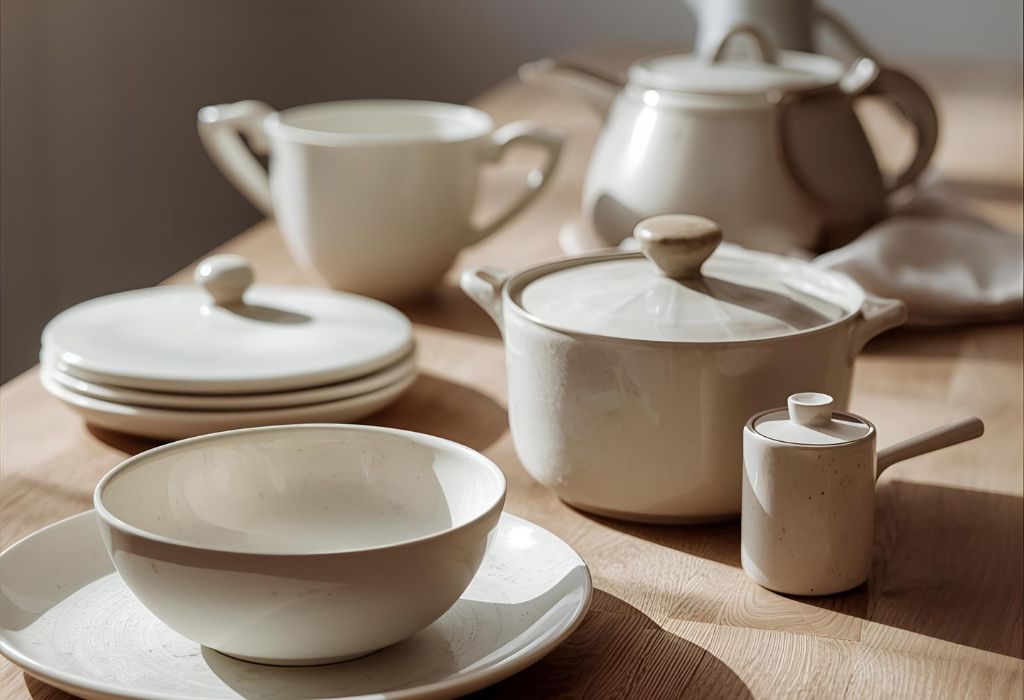
Price is another factor influencing the debate on is ceramic cookware better than nonstick. Both appear affordable at first glance, but true value depends on lifespan and performance over time.
Nonstick cookware is usually the least expensive option upfront. Many entry-level sets are widely available at low prices, making them accessible for beginners or households on a budget.
The drawback is frequent replacement. Since coatings often wear out within a few years, the ongoing cost of replacing nonstick pans can exceed the initial savings.
Ceramic cookware tends to be priced slightly higher, especially when marketed as eco friendly or toxin free. Its attractive designs and chemical-free reputation allow brands to charge a premium.
However, ceramic’s lifespan is often shorter than PTFE-based nonstick, which means long-term costs can add up quickly if pans need replacing every two to three years.
When viewed as an investment, both ceramic and nonstick are short-term solutions compared to stainless steel or cast iron. Still, the overall value varies by priority.
For households seeking immediate convenience at the lowest cost, traditional nonstick offers good value despite its limited lifespan. For those prioritizing safety and aesthetics, ceramic delivers peace of mind, even if it means spending more over time.
Ultimately, cost must be measured against durability and health considerations. Nonstick may be cheaper to buy, but ceramic appeals to consumers willing to pay more for toxin-free surfaces.
The decision comes down to whether upfront savings or long-term health benefits matter more in the kitchen.
Recommendations: Choosing Safer Cookware for Health
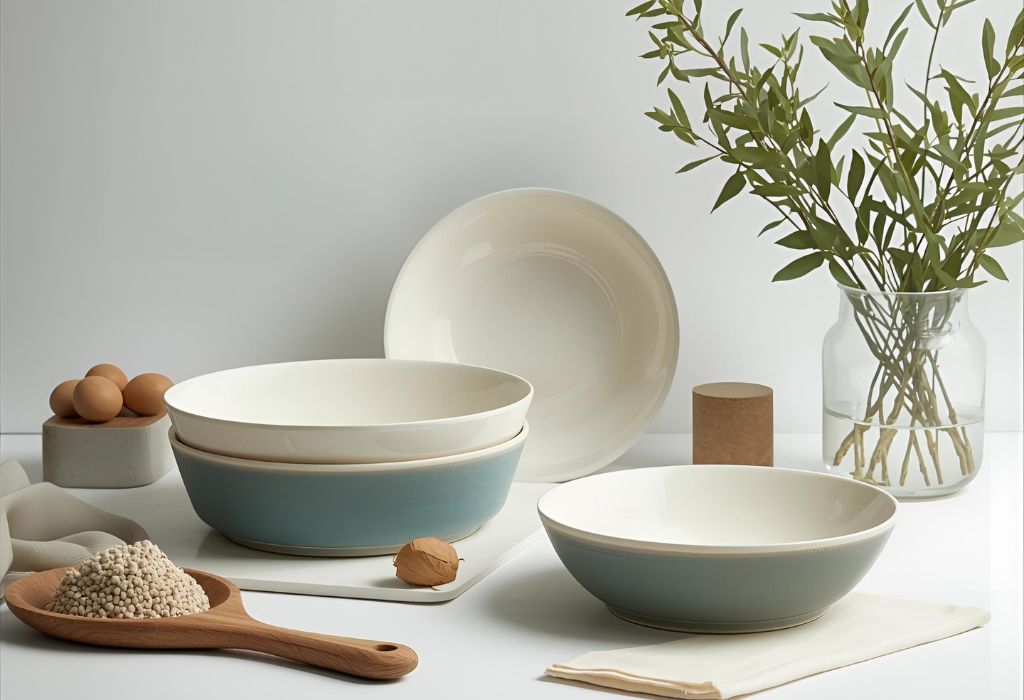
Health concerns are often the main reason people ask is ceramic cookware better than nonstick. Choosing the right option comes down to understanding safety features, usage habits, and cooking priorities.
Ceramic cookware is the better choice for those focused on avoiding synthetic chemicals. Its silica-based coating is naturally free from PFAS, PFOA, and PTFE, reducing concerns about harmful fumes or toxic exposure.
For families seeking peace of mind and eco friendly options, ceramic pans offer a safer alternative. However, they demand gentle care and often need replacing more quickly.
Nonstick cookware remains practical for those who value convenience above all. PTFE coatings deliver unmatched slickness, making cooking and cleaning effortless, especially for delicate foods like eggs or fish.
To use nonstick safely, temperature control is critical. Keeping pans below 500°F and avoiding scratches helps minimize risks.
For households with children, sensitive individuals, or health-conscious cooks, ceramic provides reassurance even if durability is compromised. For busy kitchens where convenience and low cost matter more, nonstick remains a functional option as long as it is used carefully.
Another strategy is combining both. Ceramic pans can be reserved for chemical-free, low-to-medium heat meals, while nonstick can handle quick tasks requiring maximum food release. Replacing either type at the first sign of damage ensures safety regardless of material.
In short, the best recommendation is to match cookware to lifestyle. Safety-conscious cooks may prefer ceramic, while efficiency-driven cooks may still choose nonstick. Both can be safe and effective when used correctly and replaced responsibly.
Future Trends and Innovations
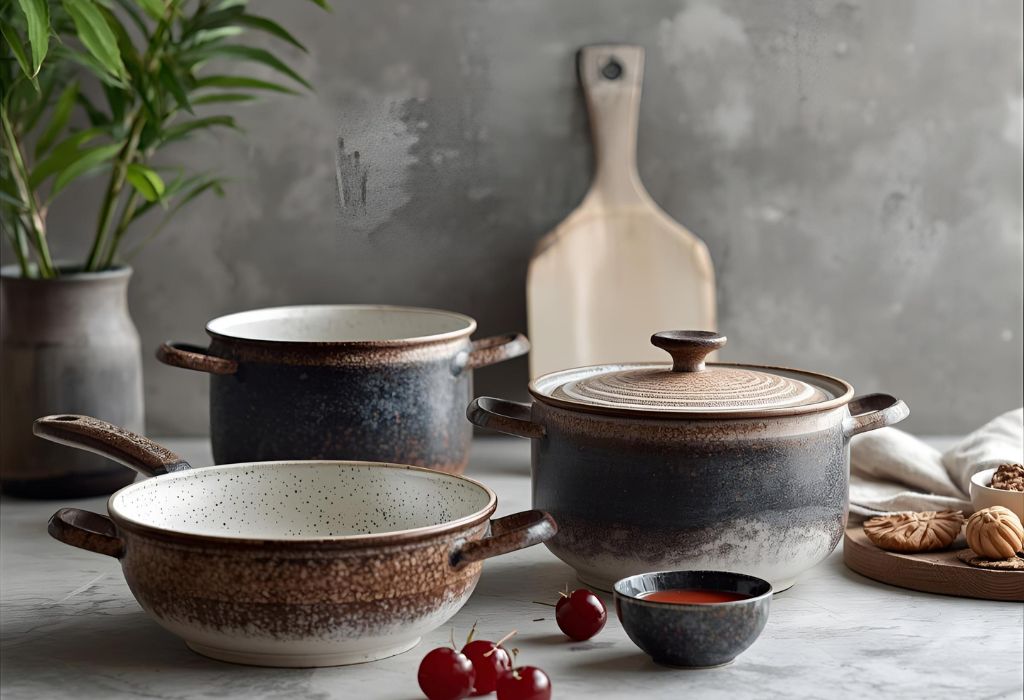
Looking ahead, the debate over is ceramic cookware better than nonstick will likely evolve as manufacturers respond to consumer concerns about safety, sustainability, and performance.
One major trend is the development of next-generation nonstick coatings. Research is focusing on PFAS-free alternatives that provide the same effortless food release as PTFE but without the risk of chemical fumes.
Brands are experimenting with plant-based and water-based coatings designed to extend lifespan while addressing health concerns.
Ceramic cookware is also evolving. Innovations in sol-gel technology aim to make ceramic coatings more durable and resistant to wear.
Some companies are exploring reinforced ceramic blends that can better withstand high heat and prolonged use without losing their nonstick qualities. This could help solve one of ceramic’s biggest weaknesses—its relatively short lifespan.
Sustainability is another driving force. Consumers are increasingly aware of the environmental impact of disposable cookware.Both ceramic and nonstick brands are emphasizing eco-friendly manufacturing, recyclable packaging, and reduced carbon footprints.
As regulations tighten around PFAS and other chemicals, demand for greener solutions will continue to grow.
Design trends are shaping the market as well. Cookware is no longer purely functional; it is now part of kitchen aesthetics.
Ceramic pans with bold colors and sleek finishes are popular with younger buyers, while stainless steel–reinforced nonstick lines target professionals and serious home cooks.
The future suggests a shift toward hybrid solutions—cookware that combines the safety of ceramic with the durability of stainless or the slick performance of nonstick. These innovations may eventually redefine how buyers answer the question of which is better for health and long-term use.
Conclusion
The question is ceramic cookware better than nonstick does not have a single answer. Both types of cookware offer clear benefits, but they also come with limitations that affect safety, performance, and value.
Ceramic cookware stands out for its toxin-free design. Free from PFAS, PFOA, and PTFE, it provides peace of mind for health-conscious buyers.
Its glossy finish and modern designs also make it attractive in today’s kitchens. However, the shorter lifespan of ceramic coatings means durability is often sacrificed for safety and style.
Nonstick cookware excels in convenience. Its PTFE-based coatings deliver unmatched slickness, making cooking and cleaning effortless. For delicate foods like eggs or pancakes, nonstick pans remain the easiest option.
Yet the risk of fumes at high heat and concerns over long-term exposure to PFAS chemicals make safety a consideration. Regular replacement is also necessary as coatings degrade over time.
Choosing between ceramic and nonstick comes down to priorities. For households that value chemical-free cooking and aesthetics, ceramic is the stronger choice. For those seeking maximum convenience at a low upfront cost, nonstick still has an edge.
A balanced approach may even include both—ceramic for everyday safe cooking and nonstick for quick, delicate tasks.
Ultimately, the best cookware is the one that aligns with cooking style, health priorities, and budget. By weighing safety, durability, performance, and cost, it becomes easier to decide which option belongs in the kitchen.
Making an informed choice ensures not only better meals but also greater confidence in the tools used every day.

I’m Emma J. Caldwell, the founder, lead writer, and home-cooking enthusiast behind KitchenGuideCo.com. With a background in culinary arts and over a decade of cooking experience in both professional and personal kitchens, I created this platform to demystify recipes, offer smart kitchen gadget reviews, and guide readers through meal prep with confidence and clarity.