Choosing cookware can feel overwhelming. Store shelves are filled with pans labeled ceramic, stainless steel, or nonstick, each claiming to be the best. For the home cook, the question often becomes simple yet important: is ceramic cookware better than stainless steel for daily use?
The problem is more than just labels. Food that sticks, coatings that peel, or pans that discolor quickly can ruin both meals and budgets. Many households struggle with cookware that fails within a short time, forcing costly replacements.
Curiosity drives the search further. Ceramic cookware is promoted as toxin free and eco friendly, while stainless steel is celebrated for its strength and versatility. Which one truly delivers the balance of safety, performance, and longevity that modern kitchens demand?
Statistics highlight the weight of this decision. According to Consumer Reports, more than 60% of buyers replace nonstick cookware within three years because of declining performance (Consumer Reports).
Another study shows that stainless steel pans can last decades if properly maintained, making them a long term investment (Made In Cookware). These figures reveal the stark difference in lifespan between popular cookware choices.
The benefit of clarity is essential. With health, cost, and cooking efficiency on the line, understanding the strengths and weaknesses of ceramic and stainless steel can transform the cooking experience.
What Are Ceramic and Stainless Steel Cookware?
Understanding the difference between ceramic and stainless steel is essential before asking is ceramic cookware better than stainless steel. Both materials are popular, yet they come from very different traditions and technologies.
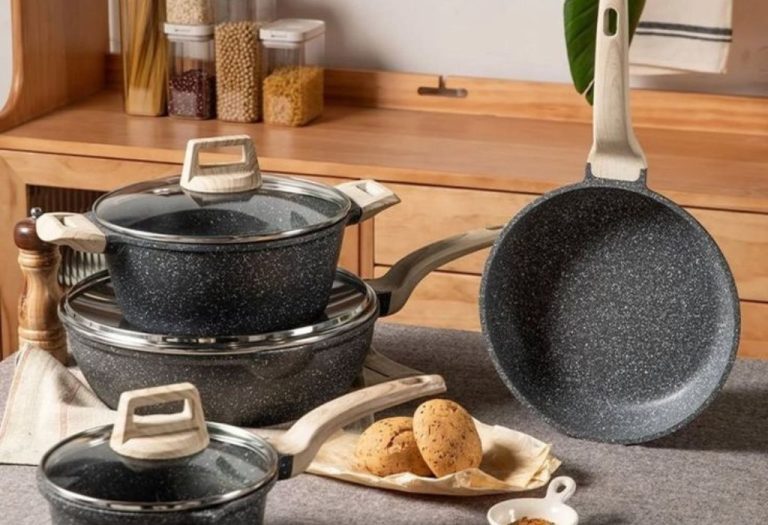
Ceramic cookware typically refers to metal pans coated with a silica-based ceramic layer. This glass-like finish creates a smooth, glossy surface that resists sticking and is free from PFAS, PTFE, and other chemicals.
Some variations are fully ceramic, but those are heavy, fragile, and less common in modern kitchens. Most consumers encounter ceramic-coated aluminum pans that are lightweight and easy to handle.
The appeal of ceramic cookware lies in its health claims and aesthetics. It is often marketed as eco friendly and non toxic, making it attractive to buyers who prioritize safety.
The bright colors and sleek finishes also match the design focus of many contemporary kitchens. However, the coating’s lifespan depends heavily on how it is used and maintained.
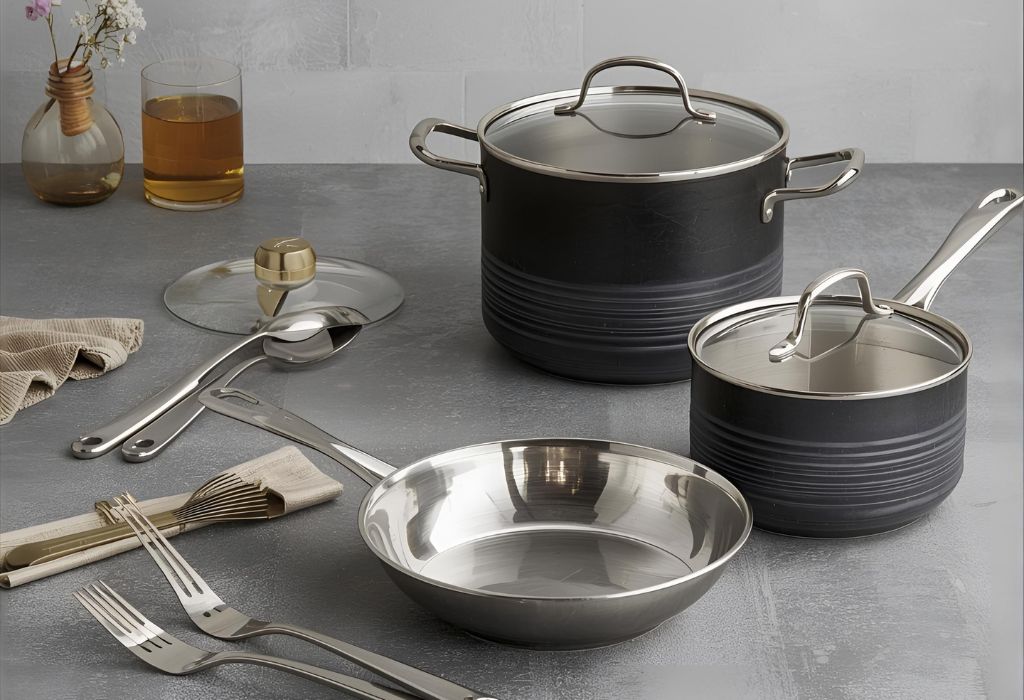
Stainless steel cookware, in contrast, is not coated. It is made from an alloy of steel, chromium, and sometimes nickel. These elements provide corrosion resistance, durability, and the strength to withstand high heat.
High-quality stainless steel pans are often cladded or multi-ply, meaning layers of steel are bonded with conductive metals like aluminum or copper for better heat distribution.
Stainless steel’s main advantage is longevity. Unlike ceramic coatings that degrade, stainless steel can last for decades with proper care.
Its neutral surface does not react with acidic foods, making it a reliable choice for sauces, stews, and everyday meals. While it lacks natural nonstick ability, it excels in searing, browning, and producing consistent results.
Together, these two cookware types highlight a classic trade-off: convenience and aesthetics versus durability and versatility. The following sections will explore how these differences affect cooking performance, safety, and long-term value.
Durability & Lifespan: How Long Will They Last?
Durability is often the deciding factor when asking is ceramic cookware better than stainless steel. Cookware that wears out quickly not only frustrates cooks but also becomes an ongoing expense.
Ceramic cookware performs well initially, offering a smooth surface that resists sticking. However, the coating is vulnerable to scratches, chips, and heat damage. Studies suggest that ceramic coatings lose nonstick performance within one to three years of regular use (Serious Eats). Once the glossy layer breaks down, food begins to stick, cleaning becomes harder, and the cookware often needs replacement.
Daily habits play a role in how long ceramic cookware lasts. Using metal utensils, overheating pans, or washing them in dishwashers accelerates wear. Even with careful handling, most ceramic-coated pans cannot match the longevity of stainless steel.
Stainless steel cookware is far more resilient. The alloy composition resists rust, corrosion, and warping, even under high heat. Unlike ceramic coatings, stainless steel does not chip away or degrade.
With proper care, stainless steel pans can last for decades, often becoming heirloom pieces passed down through families. Their durability explains why professional kitchens rely heavily on stainless steel.
The trade-off comes with convenience. Stainless steel lacks built-in nonstick performance, so it may require more oil or precise preheating to prevent sticking. Yet this challenge is outweighed by its exceptional lifespan and consistent cooking results.
When it comes to durability, stainless steel clearly outperforms ceramic cookware. While ceramic offers short-term ease and aesthetic appeal, stainless steel delivers unmatched long-term value for daily cooking.
Heat Performance, Cooking Efficiency & Versatility
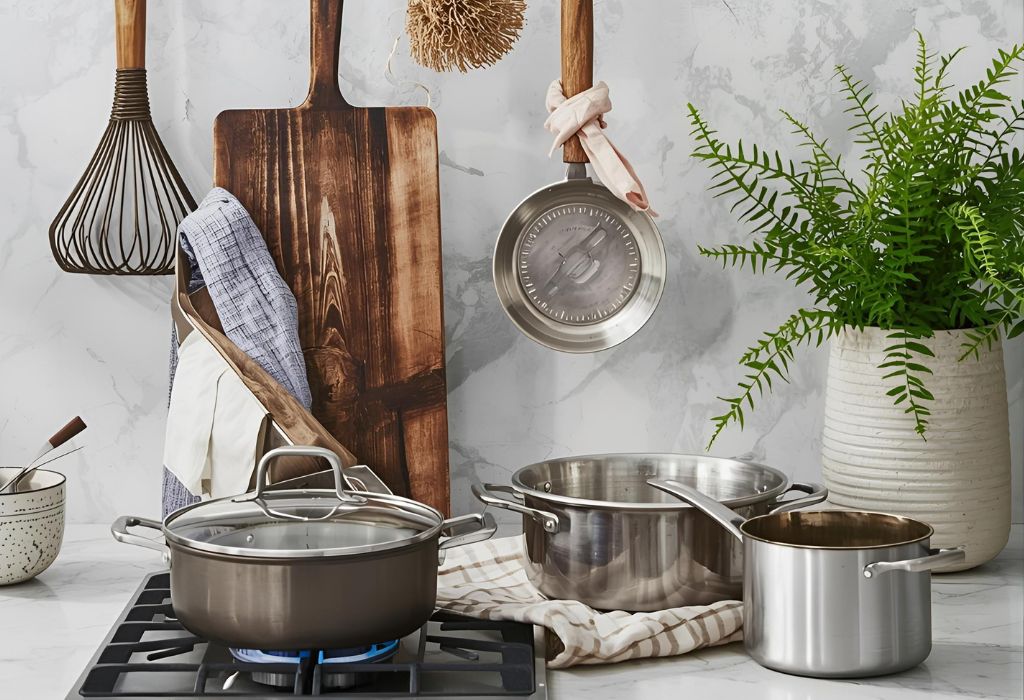
Heat performance often determines whether cooking feels effortless or frustrating. When considering is ceramic cookware better than stainless steel, understanding how each material handles temperature is essential.
Ceramic cookware excels at medium-heat cooking. The nonstick coating allows foods like eggs or pancakes to release easily, reducing the need for excess oil. However, ceramic does not tolerate high heat well.
Overheating can cause coatings to degrade faster, leading to discoloration and reduced performance. This makes ceramic cookware ideal for gentle tasks but less suitable for intense searing or browning.
Stainless steel cookware performs differently. Thanks to its alloy construction, it withstands extremely high temperatures without warping or releasing harmful substances.
Multi-ply stainless pans, often layered with aluminum or copper, offer excellent heat distribution, minimizing hotspots. This allows cooks to achieve precise results, from simmering delicate sauces to searing steak with a crisp crust.
The drawback is that stainless steel lacks natural nonstick ability. Food can cling to the surface if pans are not properly preheated or if oil is insufficient. Mastering stainless steel requires practice, but the reward is versatility across nearly every cooking technique.
Efficiency is another consideration. Stainless steel retains heat longer, making it excellent for dishes that benefit from consistent temperatures. Ceramic, being lighter, heats quickly but also loses heat faster. This can create inconsistencies when cooking multiple batches.
Overall, ceramic cookware is efficient for quick, low-to-medium heat meals, while stainless steel thrives in demanding, high-heat applications. For cooks seeking reliability and adaptability, stainless steel holds the edge, while ceramic appeals to those prioritizing convenience in everyday, lighter meals.
Safety, Health & Chemical Considerations
Safety is one of the strongest reasons people ask is ceramic cookware better than stainless steel. Cooking surfaces touch food directly, so understanding chemical risks and health implications is critical.
Ceramic cookware is often marketed as toxin free. The silica-based coating is free from PFAS, PFOA, and PTFE, which have raised health concerns in traditional nonstick pans. This makes ceramic appealing to consumers who want non-reactive, chemical-free cooking. However, the safety of ceramic depends on proper use.
Overheating can break down coatings, and once damaged, the surface may lose its protective qualities. While ceramic does not release harmful fumes like older Teflon, its shortened lifespan increases the risk of chips or scratches contaminating food.
Stainless steel offers a different kind of safety profile. It contains iron, chromium, and often nickel, which make the alloy resistant to rust and corrosion. The surface does not flake or peel, so there is no risk of coatings entering food.
Yet, stainless steel can leach trace amounts of nickel or chromium when cooking highly acidic foods like tomato sauce. For most people, these amounts are safe, but individuals with allergies or sensitivities may need to limit exposure.
Another consideration is heat resistance. Stainless steel can withstand extremely high temperatures without releasing toxins or degrading. Ceramic, by contrast, should not be overheated, as thermal shock or sustained high heat can damage the surface.
Overall, both options are safe when used correctly. Ceramic appeals to those avoiding synthetic chemicals, while stainless steel is valued for structural stability and resistance to breakdown. For daily cooking, safety depends less on the material itself and more on how the cookware is handled and maintained.
Cost, Value & Affordability
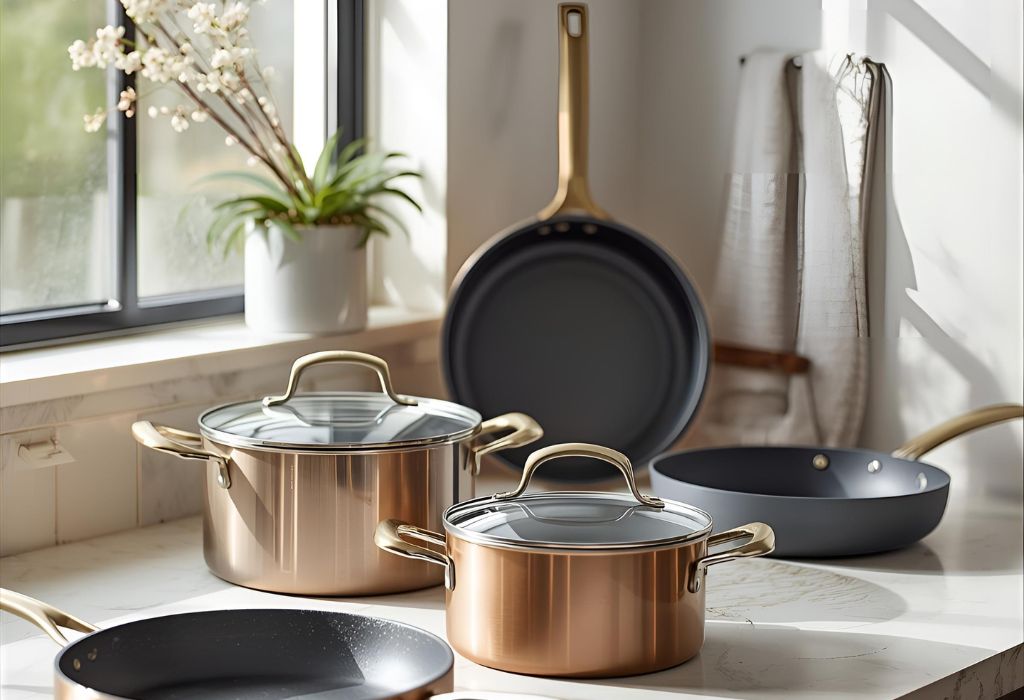
Price often influences whether buyers believe is ceramic cookware better than stainless steel. While both are available across a wide price range, their value depends on performance over time.
Ceramic cookware is usually more affordable upfront. Many sets are marketed as budget-friendly alternatives to traditional nonstick pans. Bright colors and attractive designs add appeal at a relatively low cost.
However, the shorter lifespan of ceramic coatings reduces long-term value. Replacing pans every one to three years can make ceramic more expensive in the long run.
Stainless steel cookware typically carries a higher initial price. Premium multi-ply sets that include copper or aluminum cores can be a significant investment.
Yet, the durability of stainless steel means these pans often last decades. When cost is spread across years of reliable performance, stainless steel becomes more economical than frequently replacing ceramic pans.
Another factor is versatility. Stainless steel pans can handle high heat, oven use, and dishwasher cleaning, reducing the need for multiple specialized pans. Ceramic cookware, while attractive and safe, often comes with more limitations. These differences add to the overall value comparison.
For buyers on a tight budget who prioritize nonstick convenience, ceramic cookware is the more accessible option. For those seeking long-term savings and all-purpose durability, stainless steel provides stronger value.
The decision comes down to whether the goal is short-term affordability or long-term investment. In terms of cost per year of use, stainless steel usually delivers better value despite a higher upfront price.
Maintenance, Care & Everyday Use
Practicality in daily cooking is another factor that shapes the debate over is ceramic cookware better than stainless steel. How cookware is cleaned, stored, and used often determines how long it lasts.
Ceramic cookware requires gentle handling. Wooden or silicone utensils are recommended to avoid scratching the surface. Although many ceramic pans are labeled dishwasher safe, handwashing is advised to preserve the coating.
High heat, abrasive sponges, or sudden temperature changes can cause cracks or rapid wear. These restrictions make ceramic less forgiving for busy kitchens.
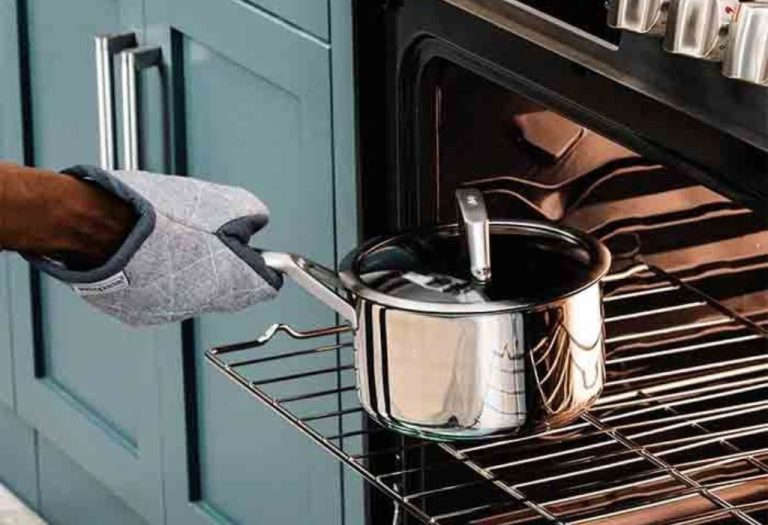
Stainless steel cookware, on the other hand, is built for resilience. It can handle metal utensils, oven use, and dishwasher cycles without structural damage.
Food can stick if the pan is not preheated properly, which sometimes makes cleaning harder. However, stainless steel can be scrubbed vigorously with steel wool or specialized cleaners to restore shine without harming the surface.
Weight and handling also differ. Ceramic-coated pans are often lighter, making them easier to maneuver for quick meals. Stainless steel tends to be heavier, especially multi-ply designs, but the sturdiness adds stability during cooking.
Another advantage of stainless steel is compatibility. These pans work on nearly every stovetop, including induction, and tolerate oven heat better than most ceramic coatings. Ceramic cookware may be limited in temperature range and stovetop use, which reduces versatility in everyday cooking.
For convenience seekers, ceramic provides ease of use with a nonstick surface that simplifies daily meals. For durability, versatility, and minimal restrictions, stainless steel proves more practical in long-term, everyday routines.
Choosing What’s Best for Your Daily Cooking Needs
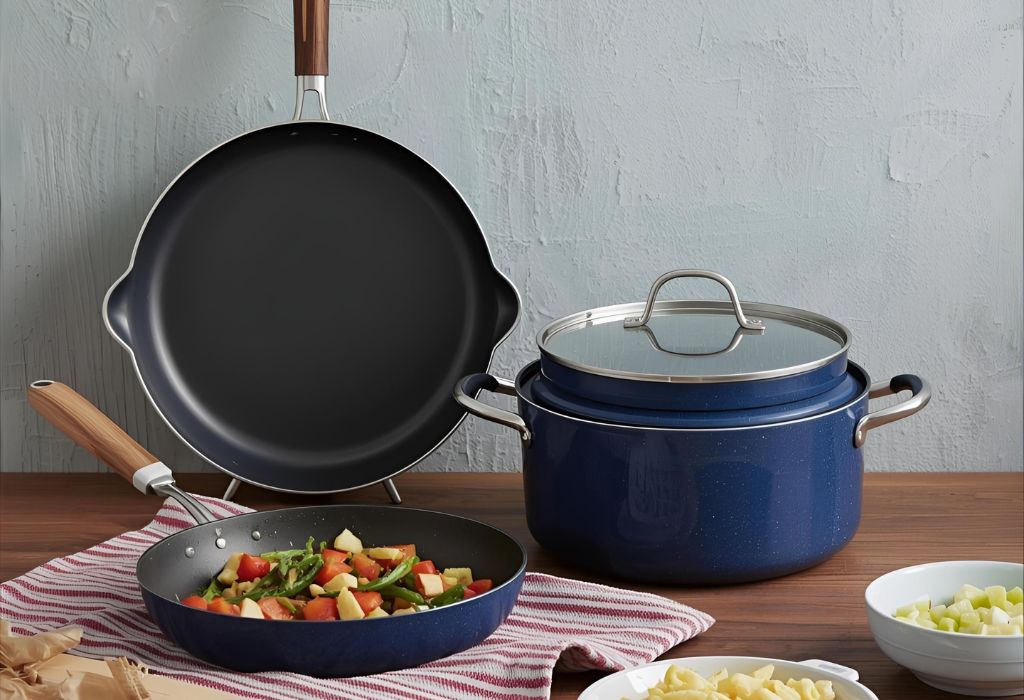
Every kitchen is different, which makes the question is ceramic cookware better than stainless steel a personal one. The right choice depends on cooking habits, priorities, and long-term goals.
Ceramic cookware is ideal for cooks who value convenience and safety. Its naturally nonstick surface allows for easy meal preparation without large amounts of oil. This makes it appealing for health-conscious families or anyone looking to minimize fat in cooking.
The toxin-free coating also provides peace of mind for those concerned about PFAS or PFOA in traditional nonstick cookware. However, ceramic’s shorter lifespan means it is better suited for light to moderate cooking rather than heavy daily use.
Stainless steel cookware fits a different lifestyle. It offers unmatched durability, making it perfect for households that cook frequently or prepare foods at high heat. Its ability to sear, brown, and handle acidic dishes without reacting ensures reliable results across a wide range of recipes.
While it may require more skill to prevent sticking, the investment in stainless steel pays off through decades of consistent performance.
Budget also plays a role. Ceramic cookware provides an affordable entry point with attractive designs, but frequent replacement may add hidden costs. Stainless steel demands a higher initial investment but delivers better long-term value for serious or frequent cooks.
Ultimately, the choice comes down to balance. For those prioritizing quick cleanup and chemical-free peace of mind, ceramic cookware is a smart choice. For cooks who want durability, versatility, and professional-level performance, stainless steel remains the more dependable option for daily use.
Conclusion
Deciding is ceramic cookware better than stainless steel ultimately depends on what matters most in your kitchen. Each option brings distinct strengths and trade-offs that affect daily cooking.
Ceramic cookware is celebrated for its nonstick surface, toxin-free coating, and lightweight design. It simplifies meal preparation and cleanup, making it attractive for health-conscious families and those who prefer quick, low-to-medium heat cooking.
Its affordability adds to the appeal, but its shorter lifespan and sensitivity to heat and utensils limit long-term value.
Stainless steel cookware offers the opposite advantage. Built from durable alloys, it resists corrosion, withstands high heat, and provides consistent results across every cooking technique.
While it requires more skill to prevent sticking and costs more initially, stainless steel can last for decades, often becoming a lifetime investment. Its versatility with induction, oven use, and heavy-duty cooking makes it the standard in both home and professional kitchens.
The choice is not strictly about one being better than the other but about matching cookware to cooking style. For occasional cooks seeking convenience, ceramic may be sufficient.
For frequent cooks or those who demand reliability under intense heat, stainless steel clearly outshines. Some kitchens may benefit from combining both: ceramic pans for delicate, nonstick tasks and stainless steel for durability and high-performance cooking.
In the end, the cookware you select should reflect how often you cook, what foods you prepare, and how much value you place on long-term performance versus short-term convenience.
By weighing durability, safety, cost, and versatility, the answer to whether ceramic or stainless steel is better becomes clearer, empowering confident choices for healthier and more enjoyable cooking.

I’m Emma J. Caldwell, the founder, lead writer, and home-cooking enthusiast behind KitchenGuideCo.com. With a background in culinary arts and over a decade of cooking experience in both professional and personal kitchens, I created this platform to demystify recipes, offer smart kitchen gadget reviews, and guide readers through meal prep with confidence and clarity.