Imagine buying a brand-new ceramic pan that promises effortless cooking, only to find your eggs sticking after a few weeks. Many home cooks face this frustrating reality and wonder if ceramic cookware truly delivers on its non stick reputation.
The curiosity grows when comparing ceramic pans to traditional non stick options. Is ceramic cookware non stick because of superior technology, or is it mainly a marketing claim that fades with use?
This question matters because cookware safety and performance directly affect daily meals. A study by Consumer Reports found that 30% of non stick pans lost food release ability within the first year of use (source). Ceramic coatings are often marketed as eco friendly and toxin free, yet durability concerns remain.
Health and safety are also at the center of the discussion. According to the Environmental Working Group, PFAS chemicals used in many traditional non stick pans can be harmful when released into the environment (source).
Ceramic alternatives claim to be free of PFAS, PFOA, and PTFE, which makes them appealing to health-conscious buyers.
Still, the big question is whether ceramic cookware balances safety with everyday practicality. Can it withstand the heat, cleaning, and constant use found in most kitchens without losing its non stick qualities?
By breaking down coatings, durability, chemical concerns, and maintenance practices, it provides a clear answer to whether ceramic cookware is both non stick and safe for daily use.
What Does “Non Stick” Mean in Ceramic Cookware?
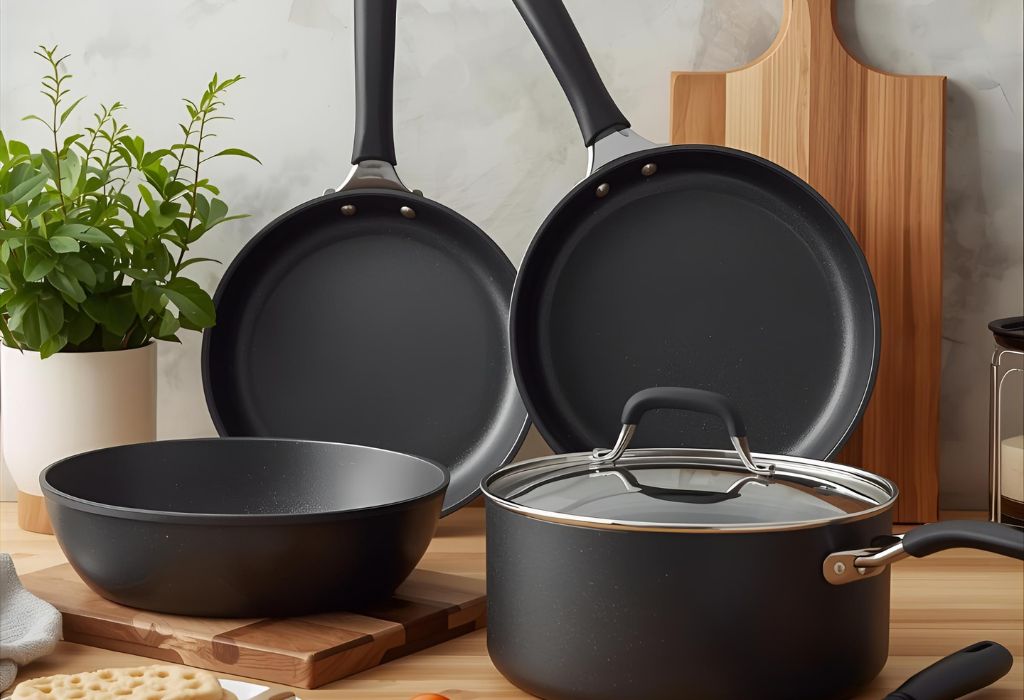
Non stick cookware is designed to release food easily without heavy oil or butter. Ceramic non stick pans achieve this through a silica-based sol gel coating applied to a metal base.
This coating creates a glossy, slick surface that initially prevents food from sticking. Unlike PTFE coatings, ceramic is marketed as free of PFAS, PFOA, and other synthetic polymers.
However, non stick does not always mean permanent. Over time, ceramic coatings may lose their smooth finish, especially if exposed to high heat or abrasive utensils.
Understanding the difference between ceramic and PTFE non stick helps buyers make informed choices. Both offer food release, but their durability, heat limits, and safety claims are not the same.
Q: What is the difference between ceramic non stick and PTFE non stick?
A: Ceramic coatings are usually made from silica and sol gel, while PTFE uses synthetic polymers such as Teflon.
Q: Does ceramic non stick perform as well as PTFE?
A: Ceramic pans work well for eggs, pancakes, and low to medium heat, but PTFE often outlasts ceramic in durability.
Q: What is the safe heat limit for ceramic non stick?
A: Most ceramic coatings remain stable up to about 400–500°F, but overheating causes surface damage and loss of performance.
Q: Does ceramic scratch more easily than PTFE?
A: Yes, ceramic coatings are brittle and prone to scratches from metal utensils or abrasive cleaning.
Q: How long does ceramic non stick typically last?
A: With proper care, ceramic pans may last two to three years, while lower-quality options often lose effectiveness sooner.
Is Ceramic Cookware Safe: Chemicals, Leaching, and Health Concerns
Safety is one of the biggest reasons people choose ceramic cookware. Many buyers want non stick pans without the risks linked to synthetic chemicals.
Traditional non stick often uses PTFE, PFOA, or PFAS compounds that have raised environmental and health concerns. Ceramic coatings, on the other hand, are marketed as free from these chemicals.
The ceramic layer is made from inorganic minerals like silica, which reduces the risk of chemical off-gassing at normal cooking temperatures. However, poor-quality ceramic pans may still contain trace elements such as lead or cadmium.
Overheating or scratching the coating can expose the base metal underneath. Depending on the material, this may affect food safety and performance.
Q: Does ceramic cookware contain PFAS, PFOA, or PTFE?
A: Most modern ceramic cookware is advertised as free from PFAS, PFOA, and PTFE, making it a safer option.
Q: Can ceramic coatings leach heavy metals into food?
A: High-quality brands avoid toxic metals, but cheap or uncertified products may contain lead or cadmium.
Q: Is it safe to keep using a scratched ceramic pan?
A: Once scratched, the non stick layer loses effectiveness and may expose the base metal, so replacement is recommended.
Q: Do ceramic pans release harmful fumes when overheated?
A: Ceramic coatings are less likely to off-gas than PTFE, but extreme heat can still degrade the surface.
Q: How can buyers confirm the safety of ceramic cookware?
A: Look for third-party certifications, labels stating “lead and cadmium free,” and compliance with food safety standards.
Performance & Durability: How Ceramic Handles Daily Use
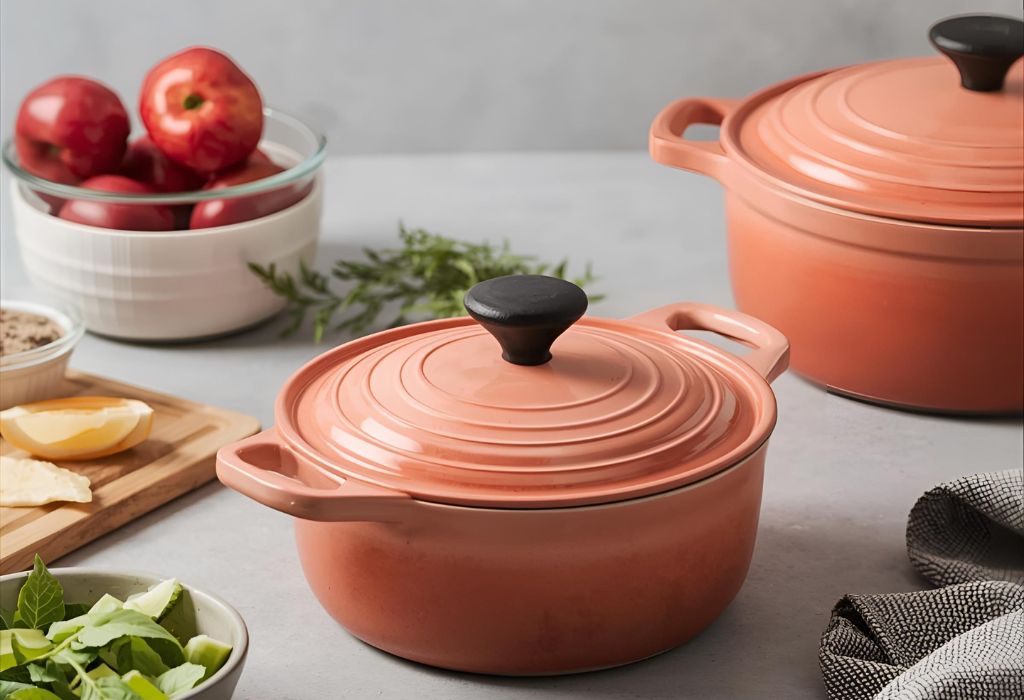
Ceramic cookware offers quick heating and smooth food release when new. However, durability depends heavily on the coating quality and how the pan is used.
Unlike cast iron or stainless steel, ceramic coatings are more fragile. High heat, dishwasher cleaning, or metal utensils can quickly shorten their lifespan.
Heat distribution also plays a role in performance. Pans with aluminum or hard-anodized bases usually heat more evenly than thin, low-cost models.
Over time, food may begin to stick as the slick surface degrades. Proper care can extend usability, but ceramic non stick rarely lasts as long as PTFE-based coatings.
Q: How does heat distribution affect ceramic cookware?
A: A solid aluminum or stainless-steel base helps distribute heat evenly, reducing hot spots and protecting the coating.
Q: Does ceramic cookware work on induction stoves?
A: Only if the base includes magnetic stainless steel; many budget pans are not induction compatible.
Q: How does high heat impact ceramic durability?
A: Prolonged high heat weakens the coating, causing discoloration, reduced slickness, and potential warping of the pan.
Q: What utensils are safe for ceramic non stick surfaces?
A: Use wood, silicone, or nylon utensils to prevent scratches; avoid metal tools.
Q: How long can ceramic cookware last with daily use?
A: With careful handling, high-quality ceramic pans may last 2–5 years, but cheaper options often fail much sooner.
Buying Guide: What to Look for When Choosing Ceramic Non Stick Cookware
Choosing the right ceramic cookware can feel overwhelming with so many brands and claims. Focusing on a few key factors helps separate durable, safe options from cheap imitations.
First, check the safety labels. Reliable cookware is clearly marked as free from PFAS, PFOA, PTFE, lead, and cadmium.
Next, consider the base material. Aluminum with stainless-steel reinforcement provides better heat distribution and often supports induction cooking.
Temperature limits also matter. Some ceramic cookware is oven-safe, but others degrade quickly when exposed to high heat.
Price and warranty can also signal quality. Established brands typically offer stronger guarantees, while very low-cost sets often compromise on durability.
Q: What labels guarantee safer ceramic cookware?
A: Look for “PFAS-free,” “PTFE-free,” and “lead and cadmium free” certifications for reliable safety.
Q: Does higher price always mean better cookware?
A: While not always, premium brands often use thicker coatings, stronger bases, and offer warranties that cheaper options lack.
Q: Why is oven safety important when buying ceramic cookware?
A: Oven-safe cookware adds versatility, but exceeding heat limits can damage both the coating and handles.
Q: Should buyers choose cookware sets or individual pieces?
A: Sets offer value, but buying single pieces allows more control over quality and function.
Q: How important is warranty coverage?
A: A strong warranty shows brand confidence and can save money if the coating fails prematurely.
Care, Usage & Maintenance: Keeping Ceramic Truly Non Stick
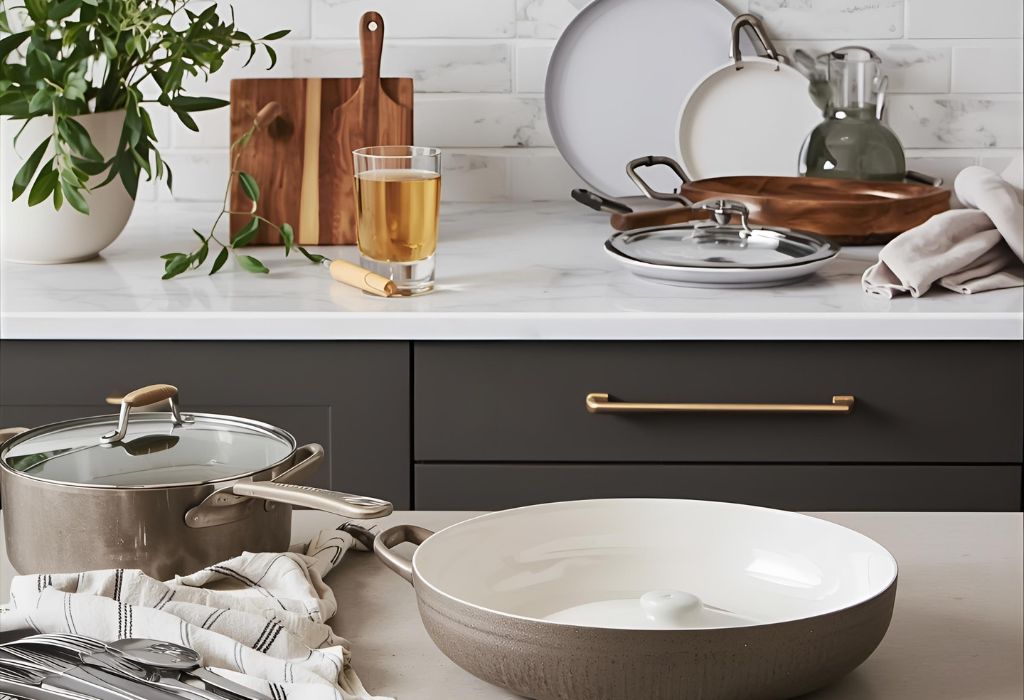
Even the best ceramic cookware will fail early if not maintained correctly. Proper care ensures safety, durability, and consistent non stick performance.
Cooking with low to medium heat is essential. Excessive temperatures weaken the ceramic layer and shorten its lifespan.
Using the right utensils also makes a difference. Wooden, silicone, or nylon tools protect the slick surface from scratches.
Cleaning should always be gentle. Hand washing with mild soap preserves the coating better than dishwashers or abrasive scrubbers.
Storing cookware properly is equally important. Stacking pans without protection can cause chips or scratches that ruin the surface.
Q: What heat level is best for ceramic cookware?
A: Low to medium heat preserves the coating and prevents premature wear.
Q: Can oil or butter improve non stick performance?
A: Yes, a small amount of oil or butter reduces sticking and helps protect the surface.
Q: How should ceramic cookware be stored safely?
A: Use pan protectors, cloth separators, or hang cookware to avoid scratches.
Q: When is it time to replace ceramic cookware?
A: Replace pans when the coating is chipped, discolored, or food sticks despite proper use.
Q: Does seasoning help ceramic non stick surfaces?
A: While not required, lightly oiling the surface can extend its slickness and usability.
Comparison: Ceramic vs Other Cookware Materials
Ceramic non stick cookware often appeals to buyers seeking a balance of safety, convenience, and design. However, it performs differently from other popular cookware materials.
Compared to PTFE-based non stick, ceramic offers chemical-free cooking but usually loses its slick surface faster. Traditional non stick coatings can outlast ceramic when cared for correctly.
Cast iron and stainless steel excel in heat retention and high-heat cooking. Ceramic, by contrast, is best suited for delicate foods at moderate temperatures.
Environmental impact is another factor. Ceramic is marketed as eco-friendly, while PTFE requires more complex chemical processes in production.
Cost varies widely. High-quality ceramic pans are often priced higher than basic PTFE pans, yet may still need replacement sooner than stainless steel or cast iron.
Q: How does ceramic compare to PTFE non stick in terms of safety?
A: Ceramic avoids PFAS and PFOA, while PTFE risks occur mainly when overheated.
Q: Can ceramic handle high-heat cooking like cast iron?
A: No, ceramic coatings degrade under very high heat, unlike cast iron which thrives in such conditions.
Q: Which cookware lasts longer, ceramic or stainless steel?
A: Stainless steel can last decades, while ceramic usually lasts a few years with daily use.
Q: What about environmental impact?
A: Ceramic is promoted as eco-friendly, while PTFE production involves synthetic chemicals.
Q: Which material is best for everyday home cooking?
A: Ceramic suits quick, low-heat meals, while cast iron and stainless steel are better for long-term durability and high-heat cooking.
Latest Trends & Innovations in Ceramic Non Stick Cookware
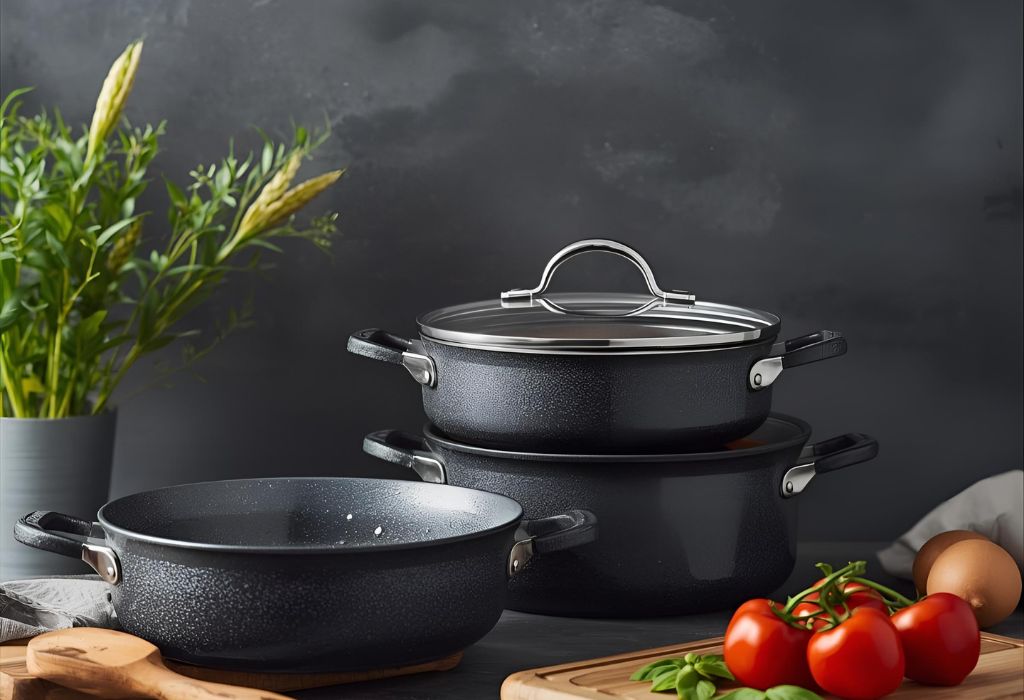
The cookware market continues to evolve, and ceramic non stick is no exception. Manufacturers are introducing new coatings, technologies, and features to meet modern consumer demands.
One major trend is the rise of diamond-infused and reinforced ceramic coatings. These are designed to resist scratches and extend the lifespan of non stick performance.
Another innovation is the push for eco-friendly cookware. Brands highlight energy-efficient production methods and recyclable materials to appeal to sustainability-focused buyers.
Regulations are also shaping the industry. With growing restrictions on PFAS and related chemicals, more companies are shifting toward safer ceramic-based alternatives.
Design has become part of the trend too. Colorful ceramic cookware with sleek finishes now doubles as kitchen décor, making aesthetics a selling point.
Q: What are diamond-infused ceramic coatings?
A: These coatings use tiny diamond particles to enhance durability and scratch resistance.
Q: Are all ceramic cookware products completely PFAS-free?
A: Many are marketed that way, but buyers should verify certifications to ensure claims are accurate.
Q: How are new regulations impacting ceramic cookware?
A: Restrictions on PFAS and related chemicals are pushing manufacturers to adopt safer, ceramic-based coatings.
Q: What innovations improve ceramic cookware longevity?
A: Multi-layer coatings, reinforced bases, and hybrid ceramic technologies are helping pans last longer.
Q: Why is design becoming more important in cookware?
A: Consumers increasingly value cookware that looks stylish on the stovetop or dining table in addition to cooking well.
Conclusion
The question is ceramic cookware non stick and safe for daily use does not have a simple yes or no answer. Ceramic pans can provide a slick cooking surface and a safer alternative to traditional PTFE coatings, but their durability depends heavily on quality and care.
Safety is a strong advantage. Most ceramic cookware avoids PFAS, PFOA, and other chemicals that raise health and environmental concerns, making it appealing to health-conscious cooks.
However, performance and longevity remain challenges. Ceramic coatings often lose their non stick ability sooner than stainless steel or cast iron options, especially when exposed to high heat or abrasive cleaning.
For buyers, the key is choosing certified, high-quality ceramic cookware and following proper maintenance practices. With the right selection and care, ceramic pans can be both safe and effective for everyday cooking.
When shopping for your next pan, look for trusted labels, moderate your cooking temperatures, and invest in cookware designed for durability. That way, you can enjoy the benefits of ceramic non stick cookware while avoiding its common pitfalls.

I’m Emma J. Caldwell, the founder, lead writer, and home-cooking enthusiast behind KitchenGuideCo.com. With a background in culinary arts and over a decade of cooking experience in both professional and personal kitchens, I created this platform to demystify recipes, offer smart kitchen gadget reviews, and guide readers through meal prep with confidence and clarity.