Choosing the right cookware is more important than many realize. With rising health awareness, consumers are scrutinizing the materials used in their kitchens, especially non-stick options like Teflon and ceramic.
Teflon cookware has long been popular for its convenience, but questions about chemical exposure and safety have prompted many to explore alternatives. Ceramic cookware is often marketed as a safer option, but is it truly better for health and performance?
Understanding the differences between these two types of non-stick cookware can help households make informed decisions. It is not only about convenience but also about reducing potential health risks while maintaining cooking efficiency.
Overheating Teflon-coated pans can release fumes containing chemicals that may cause temporary flu-like symptoms in humans and are lethal to birds. According to the Singapore Food Agency, this occurs at temperatures above 260°C (sfa.gov.sg).
Meanwhile, ceramic cookware is made with silica-based coatings that are free from PTFE, PFOA, and PFAS. These materials are considered safer, especially at high cooking temperatures, making them a compelling alternative for health-conscious cooks (verywellhealth.com).
Understanding the Materials
Ceramic Cookware
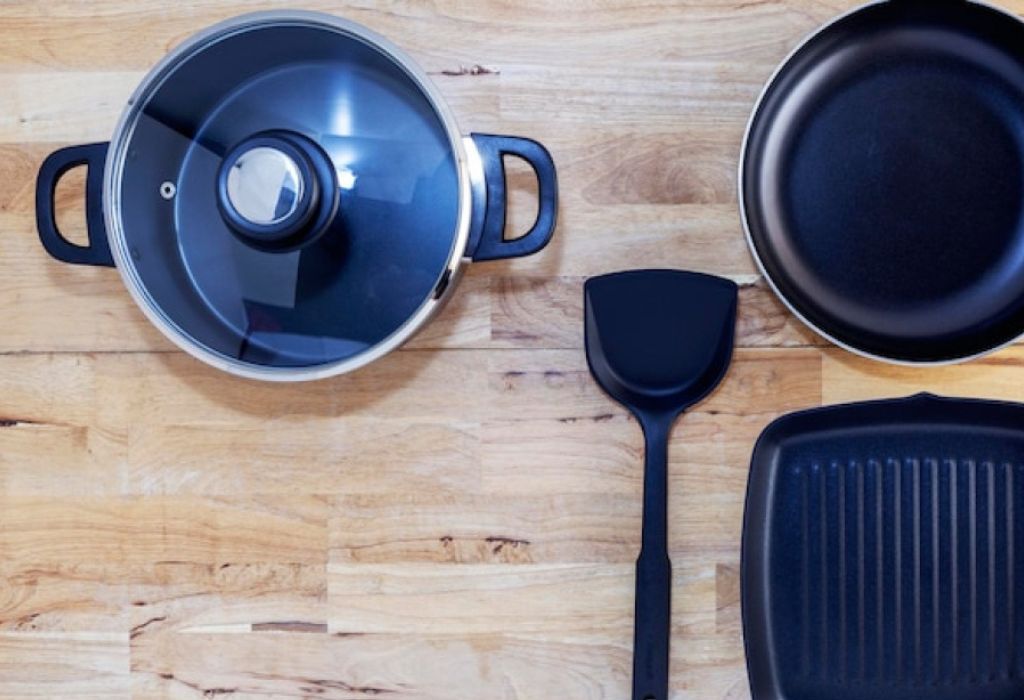
Ceramic cookware is typically made from a metal base coated with a silica-based ceramic layer. This layer is applied using a sol-gel process, creating a smooth, non-stick surface that does not contain harmful chemicals like PTFE, PFOA, or PFAS.
High-quality ceramic coatings can withstand higher temperatures than Teflon without releasing toxic fumes. They also offer even heat distribution, which improves cooking performance and reduces the likelihood of burning food.
Despite these benefits, ceramic coatings can be prone to chipping or scratching if not handled carefully. Proper use, cleaning, and storage are essential to maintain both safety and durability.
Teflon Cookware
Teflon is a brand name for polytetrafluoroethylene (PTFE), a synthetic polymer known for its low friction and non-stick properties. Traditional Teflon cookware contained PFOA, a chemical linked to health risks, but most modern pans are now PFOA-free.
Teflon is convenient for everyday cooking, offering excellent non-stick performance and easy cleanup. However, overheating or using metal utensils can damage the coating, potentially releasing toxic fumes and reducing lifespan.
Understanding the composition and characteristics of both ceramic and Teflon cookware helps consumers make informed decisions about which material best suits their health and cooking needs.
- What is ceramic cookware made of?
A metal base coated with a silica-based ceramic layer, free from PTFE, PFOA, and PFAS. - Is ceramic safer than Teflon?
Generally yes, as it can withstand higher temperatures without releasing toxic fumes. - What is Teflon?
A synthetic polymer (PTFE) known for its non-stick properties. - Does Teflon cookware still contain harmful chemicals?
Modern Teflon is PFOA-free, but concerns about other PFAS chemicals remain. - How can durability be maintained for both types?
Avoid scratching, use safe utensils, clean gently, and store carefully.
Understanding Heat Tolerance and Cooking Methods
Heat tolerance is a key factor in cookware safety. Ceramic coatings can generally withstand higher temperatures than Teflon without degrading or releasing toxic substances.
Teflon, while highly convenient, begins to break down above 260°C. Using medium to low heat ensures safety and prolongs the pan’s life.
Different cooking methods may favor different materials. Ceramic pans are suitable for sautéing, searing, and baking at high heat, while Teflon excels for low-to-medium heat tasks like frying eggs or pancakes.
Maintenance practices also depend on heat tolerance. High heat can damage Teflon coatings and cause chemical release, while ceramic may crack if subjected to sudden temperature changes.
Selecting the right pan for each cooking method maximizes safety and performance. Understanding heat tolerance helps consumers avoid unnecessary risks.
- Which cookware handles higher temperatures better?
Ceramic cookware is generally more heat-stable. - At what temperature does Teflon degrade?
Around 260°C or 500°F. - Which cooking methods are best for ceramic?
Sautéing, searing, and baking at high heat. - Can heat damage ceramic?
Sudden temperature changes can cause cracks or chipping. - How does heat tolerance affect cookware choice?
It ensures safety, maintains performance, and prevents chemical release.
Cooking Performance and Efficiency
Non-stick performance is key to user satisfaction. Ceramic cookware provides even heat distribution, reducing hotspots and preventing food from burning.
Teflon excels in immediate non-stick convenience, allowing easy flipping and cleanup. It is ideal for delicate foods that stick easily, such as eggs or fish.
Efficiency depends on maintenance and heat use. Ceramic requires careful handling to maintain non-stick quality, while Teflon requires medium heat to avoid chemical degradation.
Both types can achieve excellent results with proper use. Understanding the performance strengths and limitations of each helps cooks select the best option for their kitchen.
- Which cookware distributes heat more evenly?
Ceramic generally offers more uniform heat distribution. - Which is better for delicate foods?
Teflon is superior due to its exceptional non-stick surface. - Does maintenance affect performance?
Yes, proper cleaning and utensil use are essential for both. - Which cookware requires less oil?
Teflon requires less oil for non-stick cooking. - Can both types perform well with proper use?
Yes, understanding each material’s strengths ensures great results.
Health Implications
Ceramic Cookware
Ceramic cookware is free from PTFE, PFOA, and PFAS, which reduces chemical exposure risks. Its coatings are generally stable at high temperatures, making it safer for everyday cooking.
High-quality ceramic pans can withstand temperatures that would degrade Teflon without releasing toxic fumes. This stability makes ceramic a preferred choice for health-conscious cooks.
However, ceramic coatings can chip or scratch, which may reduce performance and slightly affect safety. Using wooden, silicone, or plastic utensils and proper cleaning techniques helps maintain both safety and durability.
Teflon Cookware
Teflon provides excellent non-stick performance but carries potential health concerns if misused. Overheating above 500°F (260°C) can release toxic fumes, which may cause symptoms like “Teflon flu” in humans (verywellhealth.com).
Scratches or worn Teflon coatings may release small particles into food. While occasional ingestion is considered low risk, replacing damaged pans ensures optimal safety.
Even though modern Teflon is PFOA-free, other PFAS chemicals may still persist in the environment and accumulate over time. Being mindful of cooking temperatures and utensil use is essential to minimize risks.
- Is ceramic cookware safe for high-heat cooking?
Yes, it can withstand higher temperatures without releasing toxic fumes. - Can ceramic coatings be damaged?
Yes, chipping or scratching can reduce performance, so handle carefully. - What happens if Teflon is overheated?
Toxic fumes can be released, causing symptoms like “Teflon flu.” - Are Teflon particles harmful if ingested?
Minimal risk exists, but heavily damaged pans should be replaced. - Do modern Teflon pans contain harmful chemicals?
They are PFOA-free, but other PFAS chemicals may still be present.
Durability and Lifespan
Durability is a crucial factor for both health and environmental reasons. Ceramic cookware is durable but can chip or scratch over time. Handling with care and using safe utensils extends its lifespan.
Teflon cookware is less resistant to scratches, and improper use can shorten its life. Metal utensils, high heat, and abrasive cleaning can degrade the coating, affecting both performance and safety.
Long-term durability also impacts environmental sustainability. Ceramic pans that last longer reduce the need for frequent replacement, minimizing waste. Teflon pans may need replacing more often if damaged.
Proper maintenance extends the lifespan of both types of cookware. Gentle cleaning, proper utensil choice, and mindful storage ensure consistent performance and safer cooking experiences.
- Which cookware is more durable?
Ceramic is more heat-stable, but both require careful use. - Can Teflon be scratched easily?
Yes, metal utensils or abrasive cleaning can damage it. - Does durability affect safety?
Yes, worn coatings can expose chemicals or reduce performance. - How can lifespan be extended?
Use gentle cleaning, proper utensils, and careful storage. - Why is durability important for the environment?
Longer-lasting cookware reduces waste and environmental impact.
Environmental Impact
Ceramic Cookware
Ceramic cookware is often made from natural materials, which reduces the environmental burden of production. Its long lifespan also helps minimize waste, as high-quality pans do not need frequent replacement.
While durable, ceramic cookware can be challenging to recycle, especially when combined with metal bases. Proper disposal and mindful purchasing of durable brands can help reduce environmental impact.
Overall, ceramic cookware offers a more eco-friendly option compared to Teflon, particularly when choosing long-lasting products and handling them responsibly.
Teflon Cookware
The production of Teflon involves PFAS chemicals, which are highly persistent in the environment. These “forever chemicals” can accumulate in soil and water, raising long-term ecological concerns (time.com).
Disposal of Teflon cookware contributes to environmental pollution, as PFAS do not break down easily. Recycling options are limited due to the complexity of the materials and coatings.
Consumers who prioritize sustainability may prefer ceramic cookware over Teflon. Understanding the environmental implications of each type helps in making responsible and informed choices.
- Is ceramic cookware environmentally friendly?
Yes, it is made from natural materials and has a long lifespan. - Can ceramic cookware be recycled easily?
Recycling is difficult, especially if it contains mixed materials. - Why is Teflon considered harmful to the environment?
PFAS chemicals used in production are persistent and accumulate in soil and water. - Is Teflon cookware recyclable?
Generally, no, due to the complexity of the coating and materials. - How can consumers reduce environmental impact?
Choose durable cookware, handle it responsibly, and prefer recyclable or natural alternatives.
Performance Comparison
Ceramic Cookware
Ceramic cookware provides a smooth, non-stick surface without using PTFE or other potentially harmful chemicals. This makes it ideal for health-conscious cooking while maintaining ease of use.
Heat distribution in ceramic cookware is generally even, reducing hotspots and helping prevent food from burning. However, some lower-quality ceramic pans may have uneven heating, affecting performance.
Maintenance is important for ceramic cookware to retain its non-stick properties. Avoiding metal utensils, high heat, and abrasive cleaning methods ensures longer-lasting performance.
Teflon Cookware
Teflon is widely known for its excellent non-stick performance, allowing cooking and cleanup with minimal effort. It is convenient for a wide range of foods, including eggs, pancakes, and delicate fish.
However, Teflon coatings are sensitive to heat and can degrade if overheated, reducing their non-stick properties. Scratches from metal utensils or abrasive cleaning can also damage the coating, affecting performance and safety.
Both types of cookware perform well under proper usage, but ceramic offers better heat tolerance, while Teflon excels in immediate non-stick convenience. Choosing between them depends on cooking style, maintenance habits, and safety priorities.
- Does ceramic cookware stick to food?
No, it provides a smooth, non-stick surface when maintained properly. - Is heat distribution even in ceramic pans?
Generally yes, though lower-quality pans may have hotspots. - Can Teflon lose its non-stick properties?
Yes, overheating or scratching can degrade the coating. - Which cookware is easier to clean?
Teflon is slightly easier due to its superior non-stick properties. - Which is better for high-heat cooking?
Ceramic cookware can tolerate higher temperatures without releasing harmful fumes.
Common Myths About Non-Stick Cookware
Many misconceptions exist about both ceramic and Teflon cookware. One common myth is that Teflon is universally dangerous. In reality, modern PFOA-free Teflon cookware is considered safe under normal cooking conditions.
Another misconception is that ceramic cookware is completely indestructible. While chemical-free, ceramic coatings can chip or scratch if handled improperly, reducing performance and safety.
Some people assume that all non-stick cookware releases harmful fumes every time it is used. In truth, toxic fumes are only released from Teflon when overheated above 260°C, far beyond regular cooking temperatures.
There is also a belief that ceramic automatically outperforms Teflon in all aspects. While ceramic is more heat-stable and chemical-free, Teflon remains superior in immediate non-stick convenience and ease of cleanup.
Debunking these myths helps consumers make informed choices. Awareness of proper usage, maintenance, and limitations ensures safe, long-lasting cookware.
- Is all Teflon cookware unsafe?
Modern PFOA-free Teflon is safe when used correctly. - Is ceramic indestructible?
No, it can chip or scratch if mishandled. - Do non-stick pans always release fumes?
Only Teflon releases fumes when overheated above 260°C. - Does ceramic outperform Teflon in every aspect?
Not necessarily; Teflon excels in immediate non-stick convenience. - Why is it important to know these myths?
To make safe, informed cookware choices.
Consumer Considerations
Choosing Ceramic Cookware
Ceramic cookware is ideal for health-conscious consumers who want to avoid chemicals like PTFE, PFOA, and PFAS. It is also suitable for those who cook at higher temperatures, as the coating remains stable under heat.
Durability and proper maintenance are important when selecting ceramic pans. Avoiding metal utensils, using medium heat, and gentle cleaning helps maintain performance and longevity.
While ceramic cookware can be more expensive than Teflon, its durability may offer long-term value. Investing in high-quality brands ensures better heat distribution and reduced risk of chipping or scratching.
Choosing Teflon Cookware
Teflon is known for its convenience and excellent non-stick performance, which makes cooking and cleanup easier. It is often more affordable than ceramic cookware, making it accessible for budget-conscious buyers.
However, users must follow safety guidelines to minimize health risks. Avoiding high heat, using safe utensils, and replacing damaged pans helps reduce potential exposure to chemicals.
Ultimately, the choice between ceramic and Teflon cookware depends on cooking habits, budget, health priorities, and maintenance preferences. Consumers should weigh the benefits and risks of each type to make an informed decision.
- Who should choose ceramic cookware?
Health-conscious consumers or those cooking at higher temperatures. - How can ceramic cookware last longer?
Use medium heat, avoid metal utensils, and clean gently. - Is ceramic cookware expensive?
It can be, but durability offers long-term value. - Why choose Teflon cookware?
For convenience, affordability, and excellent non-stick performance. - How can Teflon cookware be used safely?
Avoid high heat, use safe utensils, and replace damaged pans.
Cost and Value Considerations
Budget is an important factor in choosing cookware. Ceramic pans are often more expensive upfront but provide long-term value due to durability and chemical-free coatings.
Teflon cookware is generally more affordable and widely available, making it accessible to budget-conscious buyers. However, frequent replacement of scratched or overheated pans can increase overall cost over time.
Cost-effectiveness also depends on maintenance. Proper care extends lifespan for both ceramic and Teflon, ensuring consumers get the best value for money.
Choosing between ceramic and Teflon requires weighing initial cost, maintenance, durability, and health benefits. A higher upfront investment in ceramic may be justified for long-term safety and performance.
- Is ceramic cookware expensive?
Typically yes, but long-term durability may offset the cost. - Is Teflon cookware cheaper?
Yes, it is usually more affordable upfront. - Does frequent replacement affect cost?
Yes, replacing damaged Teflon pans increases long-term expenses. - How can maintenance improve value?
Proper care prolongs lifespan and maintains performance. - Which offers better long-term value?
Ceramic may offer higher long-term value despite higher initial cost.
Future Trends in Cookware Safety
Cookware innovation focuses on safety, durability, and environmental sustainability. Manufacturers are developing ceramic coatings with improved scratch resistance and longer lifespans.
Teflon alternatives continue to evolve, aiming to reduce chemical exposure while maintaining superior non-stick performance. New PFAS-free coatings are being tested to enhance safety and environmental friendliness.
Consumer demand for chemical-free and eco-conscious cookware drives research into innovative materials. Hybrid coatings combining durability, non-stick performance, and heat tolerance are becoming more common.
Future cookware trends also emphasize transparency in production and labeling. Clear information about chemical content, heat tolerance, and maintenance requirements empowers consumers to make safer choices.
Choosing modern, safe, and durable cookware ensures that kitchens are healthier, more efficient, and environmentally responsible. Staying informed allows consumers to benefit from the latest advancements in non-stick technology.
- Are new ceramic coatings more durable?
Yes, innovations improve scratch resistance and longevity. - Are there safer Teflon alternatives?
Yes, PFAS-free coatings are being developed. - What drives cookware innovation?
Consumer demand for chemical-free, eco-friendly, and safe options. - Are hybrid coatings available?
Yes, combining durability, non-stick performance, and heat tolerance. - Why is transparency important?
It helps consumers make informed and safe cookware choices.
Conclusion
Ceramic and Teflon cookware both offer non-stick surfaces, but they differ significantly in health, durability, and environmental impact. Ceramic cookware is free from harmful chemicals and can withstand higher temperatures, making it a safer option for health-conscious cooks.
Teflon cookware provides convenience and excellent non-stick performance but carries potential risks if overheated or scratched. Even modern PFOA-free pans may involve concerns about other PFAS chemicals, so careful use is essential.
Both types require proper maintenance to ensure longevity and safety. Following manufacturer guidelines, using safe utensils, and avoiding high heat can minimize risks and maintain cooking performance.
Ultimately, choosing between ceramic and Teflon depends on personal priorities, cooking habits, and health considerations. Selecting high-quality, durable cookware and following safety practices ensures both efficient cooking and peace of mind.

I’m Emma J. Caldwell, the founder, lead writer, and home-cooking enthusiast behind KitchenGuideCo.com. With a background in culinary arts and over a decade of cooking experience in both professional and personal kitchens, I created this platform to demystify recipes, offer smart kitchen gadget reviews, and guide readers through meal prep with confidence and clarity.