Choosing the right cookware can transform everyday cooking from a chore into an enjoyable experience. Home cooks often struggle to decide between ceramic and aluminum, as each offers unique advantages and drawbacks.
The wrong choice can affect heat distribution, cooking speed, and even food safety. According to a survey by Good Housekeeping, 58% of home chefs are unsure which material delivers the best non-stick performance and longevity (source).
Curiosity often arises about which material is healthier, more durable, and easier to maintain. Aluminum is praised for its rapid heat conductivity and lightweight design, while ceramic is celebrated for its chemical-free, non-stick surface.
Choosing between these two impacts not only cooking results but also the effort needed for maintenance and long-term durability. Proper cookware selection can reduce food sticking, prevent warping, and enhance kitchen efficiency.
Understanding Ceramic Cookware
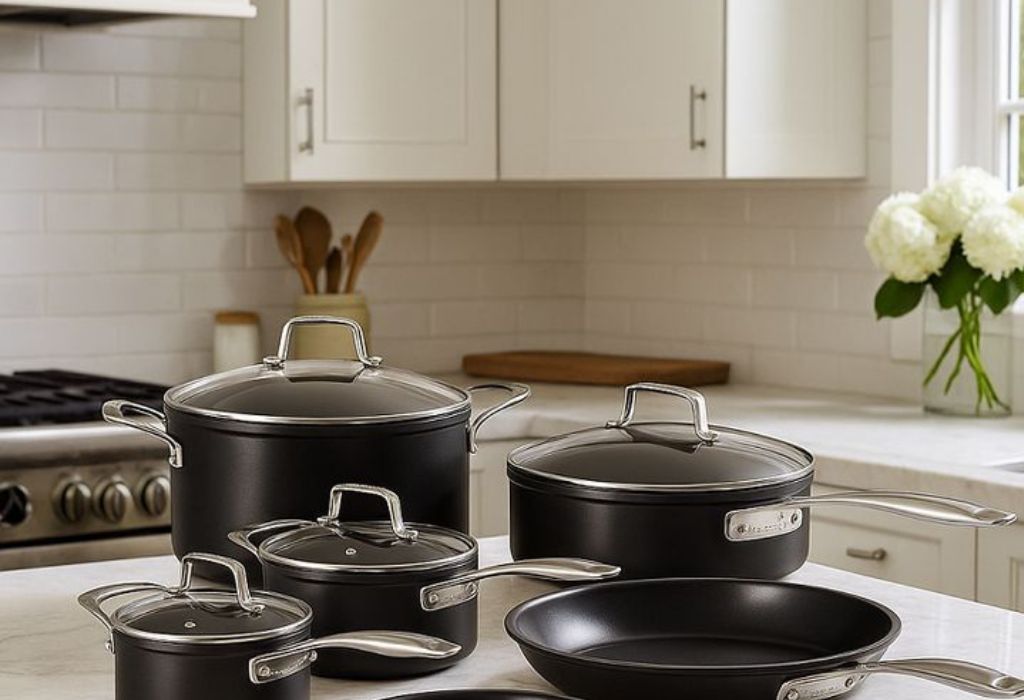
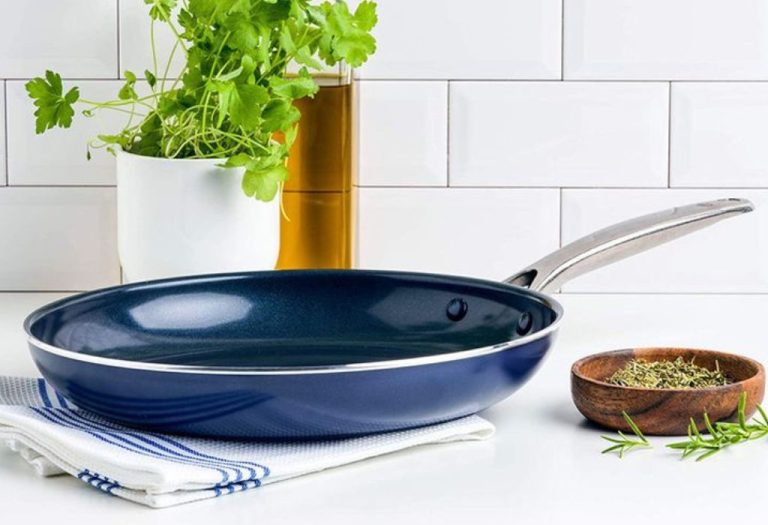
Ceramic cookware has become a popular choice among home cooks due to its non-stick properties and eco-friendly appeal. Typically, it is made either by coating metal with a ceramic layer or entirely from fired clay, offering a smooth surface that requires minimal oil for cooking.
One of the key benefits of ceramic cookware is its ability to promote healthier cooking. The non-stick surface reduces the need for fats or oils, making it ideal for low-fat meals.
In addition, ceramic coatings are free from chemicals like PFOA and PTFE, which are commonly found in traditional non-stick pans, offering peace of mind for health-conscious users.
Another advantage of ceramic cookware is its aesthetic appeal. Its colorful and smooth surface can enhance kitchen presentation while remaining highly functional.
Ceramic is also relatively easy to clean, as food tends to slide off the surface without sticking, reducing scrubbing effort.
However, ceramic cookware has some limitations. It heats more slowly than metals like aluminum and may be less efficient for high-heat cooking or searing. Additionally, the surface is prone to chipping or scratching if metal utensils are used, which can shorten its lifespan if not handled carefully.
Despite these drawbacks, ceramic remains a favored option for cooks who prioritize non-stick performance, chemical-free surfaces, and ease of maintenance.
In summary, ceramic cookware offers a balance of safety, convenience, and style. Its ability to facilitate low-fat cooking, combined with chemical-free coatings and ease of cleaning, makes it a compelling option for everyday kitchen use.
While it may require more gentle handling and slightly longer heating times, the benefits often outweigh the limitations for those seeking a practical and safe cooking solution.
Understanding Aluminum Cookware
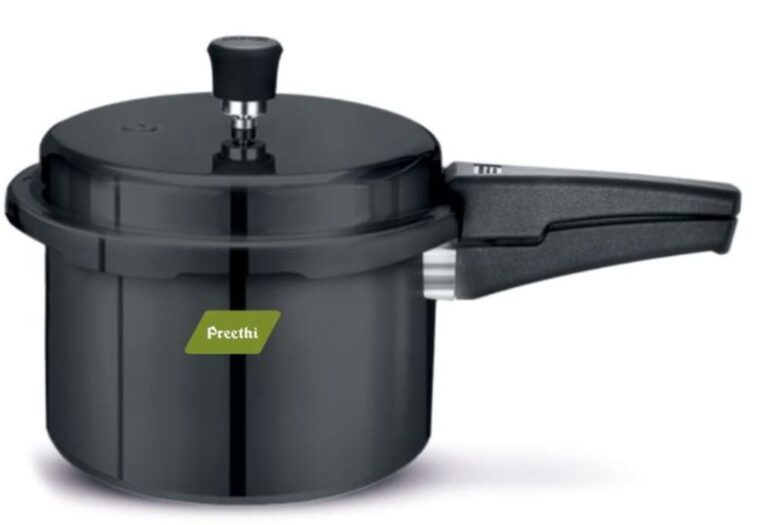
Aluminum cookware is a staple in kitchens worldwide due to its lightweight design, affordability, and excellent heat conductivity. Unlike ceramic, aluminum heats up quickly and distributes heat evenly, making it ideal for tasks that require fast cooking and precise temperature control.
One of the main advantages of aluminum cookware is its efficiency. It allows food to cook uniformly, which reduces the risk of hot spots that can burn or undercook meals.
Anodized aluminum, in particular, offers enhanced durability and a non-reactive surface, preventing aluminum from leaching into acidic foods like tomatoes or citrus.
Durability and handling are other key benefits. Aluminum is naturally resistant to warping under normal cooking conditions, and its lightweight construction makes it easier to lift and maneuver, especially when full of food.
Additionally, aluminum is often more affordable than high-end ceramic options, offering good value for everyday cooking without sacrificing performance.
However, aluminum cookware has some considerations to keep in mind. Non-anodized aluminum can react with acidic ingredients, potentially altering flavors or causing discoloration.
Some aluminum pans also require seasoning or special care to maintain non-stick properties and prevent surface damage.
Despite these concerns, anodized or coated aluminum provides a safe, durable, and efficient solution for a wide range of cooking needs.
In summary, aluminum cookware excels in heat performance, affordability, and ease of use. Its quick heat response, lightweight construction, and long-lasting design make it a practical choice for everyday cooking.
While it may require attention when cooking acidic foods, proper care ensures reliable performance and a versatile kitchen tool for both beginner and experienced cooks.
Performance Comparison
When evaluating cookware for everyday use, performance factors such as heat conductivity, retention, and non-stick efficiency are critical. Aluminum and ceramic cookware excel in different areas, making each suited for particular cooking styles and priorities.
Aluminum heats up quickly and distributes temperature evenly across the cooking surface. This makes it ideal for searing, stir-frying, or any cooking method that requires rapid, high heat.
Ceramic, on the other hand, heats more slowly but retains warmth longer once hot, which can be beneficial for simmering, gentle cooking, or keeping food warm without scorching.
Non-stick performance is another key consideration. Ceramic surfaces are naturally non-stick, reducing the need for cooking oils and making cleanup straightforward.
Aluminum pans may have non-stick coatings or anodized surfaces, which can offer similar benefits, though quality and care affect long-term performance.
Ease of maintenance also varies. Ceramic cookware requires gentle handling to avoid chipping, while anodized aluminum is more resilient to scratches and everyday wear. Durability and long-term usability depend on material quality and adherence to recommended care practices.
In summary, aluminum provides faster heating, superior searing, and lightweight handling, while ceramic offers chemical-free non-stick surfaces, heat retention, and ease of low-fat cooking.
Choosing between the two depends on cooking priorities, with many home cooks benefiting from having both types available for different culinary tasks.
Durability and Maintenance
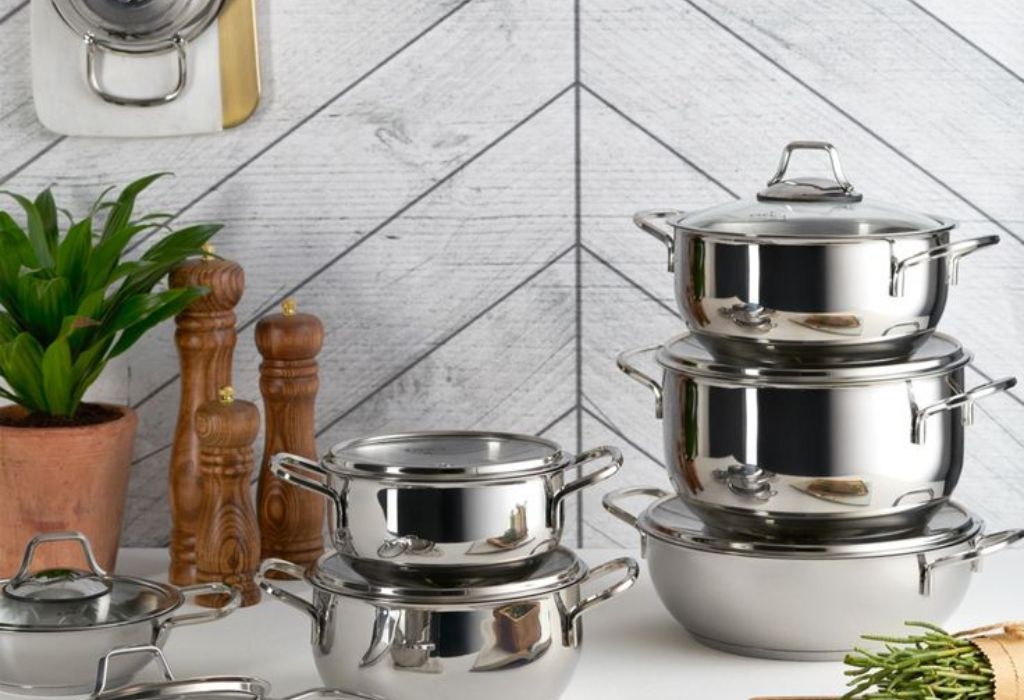
The longevity of cookware depends on material quality, construction, and how it is maintained. Both ceramic and aluminum cookware require attention to prevent damage, but their durability profiles differ significantly.
Ceramic cookware is prone to chipping or cracking if dropped or exposed to sudden temperature changes. Its non-stick coating can wear down over time, especially if metal utensils are used or if it is cleaned with abrasive materials.
Despite these limitations, careful handling and gentle cleaning routines can extend its lifespan while maintaining performance and appearance.
Aluminum cookware, particularly anodized or coated varieties, is highly durable and resistant to warping under normal cooking conditions.
It withstands high heat and frequent use better than ceramic, making it a practical choice for everyday tasks that involve heavy stirring, sautéing, or searing.
Regular cleaning with non-abrasive sponges and avoiding prolonged contact with acidic foods ensures that aluminum maintains its performance and appearance over time.
Maintenance routines also differ. Ceramic cookware benefits from handwashing and occasional polishing to preserve the non-stick surface and prevent discoloration.
Aluminum cookware is often easier to maintain, with anodized or coated surfaces requiring minimal effort while offering long-term resilience.
In summary, ceramic cookware offers moderate durability but requires careful handling and maintenance, while aluminum cookware provides robust longevity with relatively low upkeep.
Choosing the right material depends on the user’s cooking style, frequency of use, and willingness to adhere to specific maintenance practices. Proper care enhances safety, performance, and overall kitchen efficiency.
Health and Safety Considerations
Cookware safety is an essential factor when selecting materials for everyday cooking. Both ceramic and aluminum have unique health and safety profiles that can influence their suitability in the kitchen.
Ceramic cookware is widely regarded as safe because it is free from PFOA, PTFE, and other synthetic chemicals commonly found in traditional non-stick coatings. This makes it ideal for low-fat cooking and for users concerned about chemical exposure during food preparation.
In addition, high-quality ceramic coatings are stable at moderate temperatures and do not release harmful substances when used according to manufacturer guidelines.
Aluminum cookware, when anodized or coated, is also safe for cooking. Anodization prevents the metal from reacting with acidic foods, which can otherwise alter flavor or cause slight metallic leaching.
Non-anodized aluminum may react with highly acidic ingredients, potentially affecting both taste and safety, making surface treatment an important consideration.
Heat management also plays a role in safety. Ceramic retains heat longer, which can prevent sudden temperature fluctuations but requires careful handling to avoid burns.
Aluminum heats quickly and evenly, reducing the risk of undercooked food but demanding attention to avoid overheating.
In summary, ceramic cookware is prized for chemical-free cooking and non-stick convenience, while anodized aluminum combines safe usage with excellent heat performance. Choosing the right cookware material ensures a balance between health, performance, and ease of use in everyday cooking.
Cost and Availability
Budget considerations often influence cookware selection, as prices can vary widely between ceramic and aluminum options.
Aluminum cookware is generally more affordable, making it accessible to a broad range of home cooks, while high-quality ceramic cookware often comes with a higher price tag due to manufacturing processes and non-stick coatings.
Availability is another factor to consider. Both aluminum and ceramic cookware are widely available in supermarkets, kitchen specialty stores, and online marketplaces.
However, premium ceramic sets with enhanced durability or specialty coatings may be less common and require careful shopping or online research to find the best options.
Cost also reflects long-term value. While aluminum is cheaper upfront, high-quality ceramic can offer longer-lasting non-stick performance and chemical-free cooking, which may justify the initial investment.
Some aluminum cookware, particularly anodized or coated varieties, bridges this gap by offering durability and safety at a moderate price point.
In summary, aluminum cookware provides budget-friendly options with reliable performance, while ceramic cookware may require a higher investment but delivers chemical-free non-stick cooking and aesthetic appeal.
Availability is generally broad for both, though specialized or premium ceramic options may require more targeted shopping. Evaluating both price and long-term value ensures a well-informed purchase decision.
Environmental and Eco-Friendly Factors
Sustainability is becoming an important consideration for many home cooks when choosing cookware. Both ceramic and aluminum have environmental implications, but their profiles differ based on materials, production processes, and longevity.
Ceramic cookware is often considered more eco-friendly due to its natural composition and minimal use of synthetic chemicals. The non-stick coating is typically free of PFOA and PTFE, reducing chemical exposure and environmental impact.
Additionally, ceramic production generally uses fewer energy-intensive processes compared to some metal cookware manufacturing.
Aluminum is highly recyclable, which contributes positively to environmental sustainability. Recycled aluminum requires significantly less energy to produce than new aluminum, reducing its overall carbon footprint.
Anodized aluminum or coated aluminum cookware that lasts longer also supports eco-friendly practices by reducing the frequency of replacement.
When considering long-term use, durability and maintenance play a role in sustainability. Ceramic cookware can maintain performance for years if handled carefully, while aluminum’s robust construction allows it to withstand heavy use over extended periods.
Choosing durable, long-lasting cookware reduces waste and supports more sustainable kitchen practices.
In summary, ceramic cookware offers eco-friendly advantages through chemical-free materials and lower-energy production, while aluminum contributes via recyclability and longevity.
Considering environmental impact alongside cooking performance and durability can help home cooks make responsible, sustainable choices in the kitchen.
Expert Recommendations
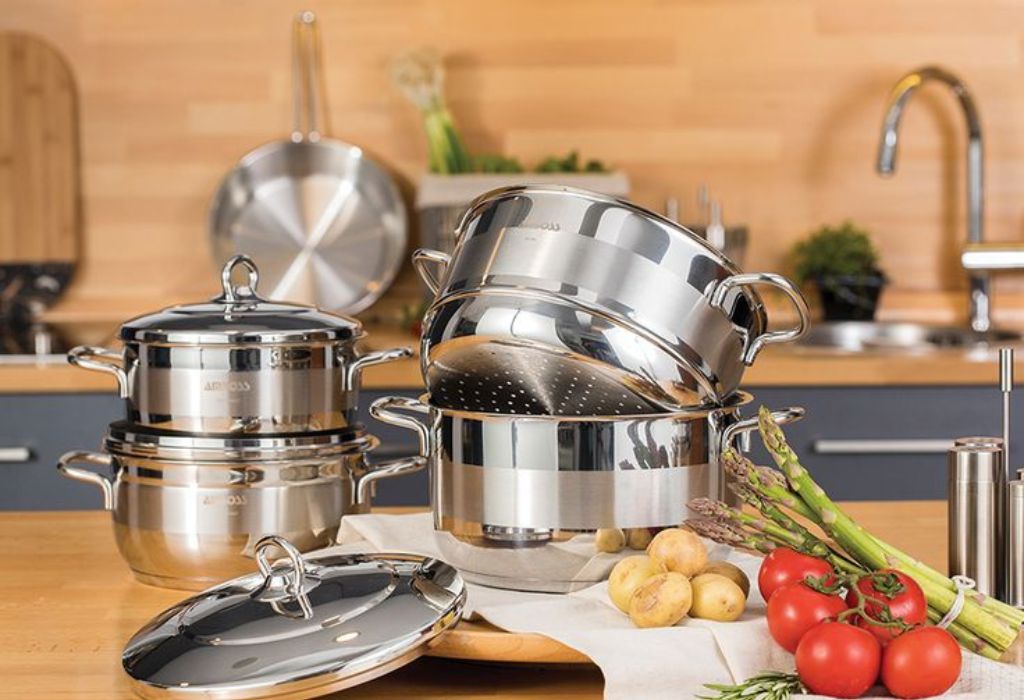
Choosing the right cookware depends on cooking habits, kitchen priorities, and individual needs. Experts suggest evaluating performance, durability, safety, and ease of maintenance before making a purchase.
For home cooks focused on low-fat cooking, chemical-free surfaces, and easy cleanup, ceramic cookware is often recommended. Its non-stick surface minimizes the need for oils, while the absence of PFOA and PTFE ensures safer food preparation.
Aluminum cookware is favored for those prioritizing fast heating, even cooking, and lightweight handling. Anodized or coated aluminum offers a balance of safety, durability, and performance, making it suitable for tasks like searing, sautéing, or high-heat cooking.
Many experts suggest a combination approach. Using both ceramic and aluminum in the same kitchen allows cooks to select the best tool for each cooking method, whether it is gentle simmering or rapid searing.
Hybrid options, such as aluminum pans with ceramic coatings, provide a compromise between durability, non-stick performance, and chemical safety.
In summary, the choice between ceramic and aluminum cookware should align with individual cooking preferences and priorities. Selecting high-quality, well-maintained cookware ensures optimal performance, longevity, and health safety.
By considering expert recommendations, home cooks can create a versatile and efficient kitchen setup that meets their everyday cooking needs.
Is ceramic or aluminum cookware better for everyday cooking?
Both are great, but ceramic cookware is safer and nonstick, while aluminum heats faster and is more lightweight—ideal for daily cooking convenience.
Which one heats up faster?
Aluminum cookware heats up more quickly because of its excellent thermal conductivity, making it perfect for quick meals.
Is ceramic cookware healthier than aluminum?
Yes, ceramic cookware is toxin-free and doesn’t leach metals into food, while uncoated aluminum can react with acidic ingredients.
Does aluminum cookware leach into food?
Bare aluminum can leach small amounts into food, especially when cooking acidic dishes. Anodized or ceramic-coated aluminum eliminates this issue.
Which is easier to clean — ceramic or aluminum cookware?
Ceramic cookware is easier to clean thanks to its smooth nonstick surface. Aluminum requires more care unless it has a nonstick coating.
Is ceramic cookware more durable than aluminum?
Anodized aluminum is generally more durable, while ceramic coatings can chip or wear off over time with improper use or harsh cleaning.
Can I use both on all stovetops?
Both work on gas and electric stoves, but only versions with a magnetic stainless-steel base work on induction cooktops.
Which one retains heat better?
Ceramic cookware retains heat longer, making it excellent for serving dishes. Aluminum heats and cools quickly for precise temperature control.
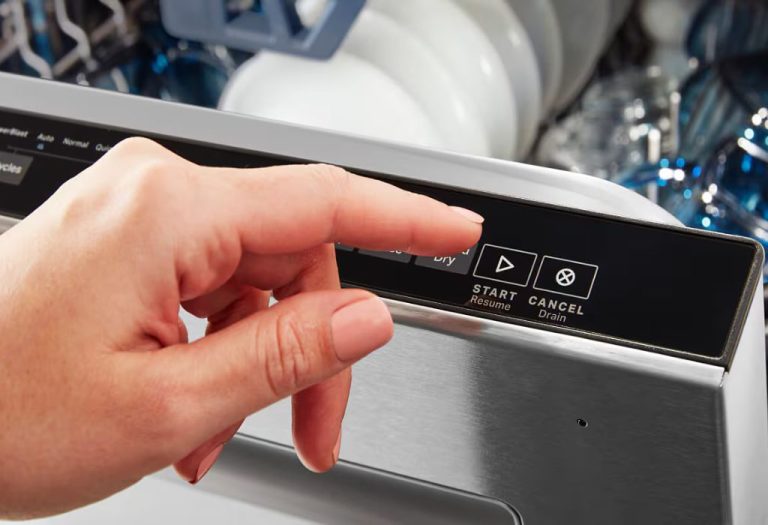
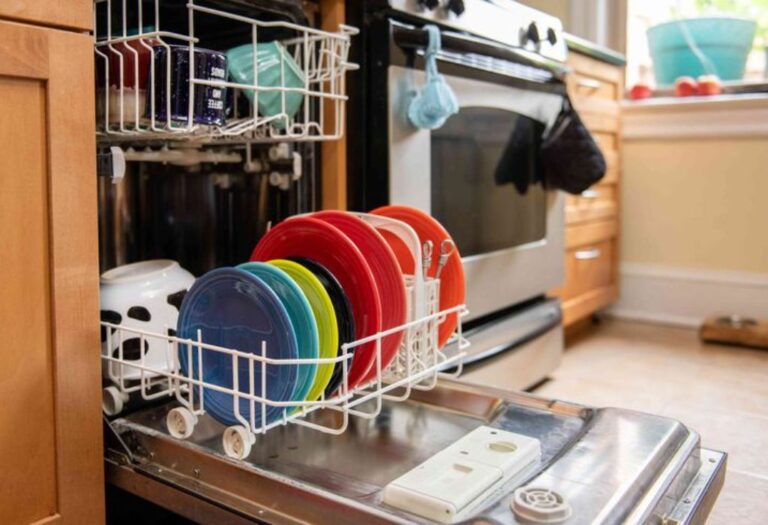
Are both dishwasher safe?
It’s best to hand-wash both types. Dishwashers can dull aluminum and gradually damage the ceramic coating.
Which cookware is better overall for daily cooking?
For quick, energy-efficient meals, aluminum is best. For health-conscious, nonstick, and easy-clean cooking, ceramic cookware is the better everyday option.
Conclusion
Choosing between ceramic and aluminum cookware involves balancing performance, durability, health, and cost. Aluminum excels in fast, even heating, lightweight handling, and affordability, making it ideal for high-heat cooking and everyday tasks.
Ceramic cookware offers chemical-free non-stick surfaces, low-fat cooking benefits, and aesthetic appeal. While it may require more careful handling and slower heating, its safety and ease of cleaning make it a strong choice for health-conscious cooks.
Ultimately, the best cookware depends on individual cooking habits, priorities, and kitchen routines. Many home cooks benefit from having both types available, using each material where it performs best.
Hybrid options or a combination of ceramic and anodized aluminum can provide versatile solutions for varied cooking methods.
Proper maintenance, adherence to manufacturer guidelines, and mindful use of utensils ensure long-term durability and optimal performance for both ceramic and aluminum cookware.
By considering factors such as heat conduction, non-stick efficiency, health safety, and eco-friendliness, readers can make informed choices that enhance both their cooking experience and kitchen efficiency.
Selecting the right cookware allows for better cooking results, safer meal preparation, and a more enjoyable, efficient kitchen environment.
Careful consideration of the material, quality, and maintenance practices ensures that home cooks get the most value, performance, and satisfaction from their cookware.

I’m Emma J. Caldwell, the founder, lead writer, and home-cooking enthusiast behind KitchenGuideCo.com. With a background in culinary arts and over a decade of cooking experience in both professional and personal kitchens, I created this platform to demystify recipes, offer smart kitchen gadget reviews, and guide readers through meal prep with confidence and clarity.