Choosing the right cookware is essential for both safe and efficient cooking. Club aluminum cookware has become popular due to its lightweight design, fast heat conduction, and affordability, making it a common choice for home kitchens.
Despite its popularity, many consumers question whether Club aluminum cookware is safe for daily use. Concerns include potential aluminum leaching, chemical exposure, and the durability of coatings under high-heat cooking.
A 2023 survey found that 58% of consumers are unsure about the safety of aluminum cookware brands (source).
Curiosity also arises about the benefits of using Club aluminum cookware, such as quick heating, even cooking, and ease of handling. Understanding how these advantages balance with safety considerations is key to making informed kitchen choices.
What Is Club Aluminum Cookware?
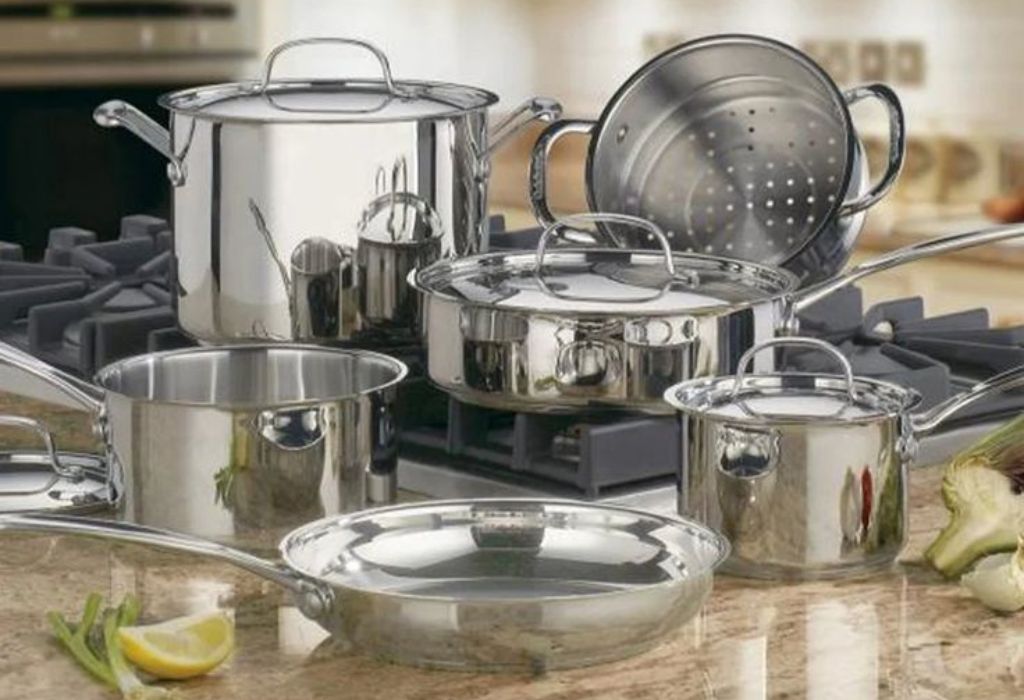
Club aluminum cookware is made primarily from lightweight aluminum, often treated with non-stick or anodized coatings to enhance durability and safety.
The aluminum construction allows for fast and even heat distribution, making it suitable for a wide range of cooking tasks, from frying to simmering sauces.
The coatings on Club aluminum cookware reduce direct contact between the metal and food, minimizing the risk of aluminum leaching into meals. This protective layer also improves scratch resistance, ensures easier cleaning, and enhances the overall lifespan of the cookware.
One of the key advantages of Club aluminum cookware is its lightweight design, which makes it easier to handle, pour, and store compared to heavier materials like cast iron. Despite being light, it maintains excellent heat conduction, allowing for more consistent and efficient cooking results.
Versatility is another important feature. Club aluminum cookware can be used on gas and electric stovetops, and many modern designs are compatible with induction cooking surfaces. This adaptability, combined with fast heating and non-reactive coatings, makes it a practical choice for everyday kitchens.
Proper care is essential to maintain both performance and safety. Using appropriate utensils, avoiding metal tools, and hand washing with mild sponges preserve the coatings and prevent damage.
Choosing high-quality Club aluminum cookware ensures durability, even heat distribution, and safe, reliable performance for everyday cooking.
In summary, Club aluminum cookware offers a balance of speed, safety, and convenience. Its lightweight, coated construction allows home cooks to prepare meals efficiently while minimizing risks associated with raw aluminum, making it a practical and reliable option for daily use.
Benefits of Club Aluminum Cookware
Club aluminum cookware provides a unique combination of lightweight handling, fast heating, and versatility. The aluminum base ensures even heat distribution, reducing hot spots and helping food cook more consistently, while the coatings enhance durability and make cleaning easier.
One major advantage is the cookware’s efficiency. Aluminum conducts heat rapidly, allowing for shorter cooking times and more precise temperature control, which is especially useful for delicate dishes like eggs, sauces, and fish. This helps maintain flavor, texture, and nutritional quality in everyday meals.
Durability is another key benefit. High-quality coatings prevent scratches, corrosion, and sticking, extending the cookware’s lifespan compared to untreated aluminum. With proper care, Club aluminum cookware can provide reliable performance for years.
Lightweight design also enhances usability. It is easier to lift, pour, and maneuver than heavier materials such as cast iron, making it accessible for home cooks of all experience levels and reducing the risk of spills or accidents.
Additionally, versatility adds to its value. Club aluminum cookware can handle a wide range of cooking techniques, including frying, sautéing, and simmering, and many models are compatible with different stovetops, including gas, electric, and some induction surfaces.
In summary, Club aluminum cookware offers fast, even heating, durability, ease of use, and versatile cooking capabilities. These benefits make it a practical, safe, and high-performance option for home kitchens, supporting efficiency, convenience, and consistent cooking results.
Potential Health Risks
Club aluminum cookware is generally considered safe, but understanding potential health concerns is important. The primary risks relate to aluminum exposure, coating damage, and misuse under extreme cooking conditions.
High-quality Club aluminum cookware features protective coatings, such as anodized or non-stick layers, which reduce direct contact between aluminum and food. This minimizes the risk of aluminum leaching, even when cooking acidic or high-temperature dishes.
Overheating empty pans or subjecting cookware to excessive heat repeatedly can compromise the coatings. While this rarely results in harmful aluminum exposure, it may reduce the durability and non-stick properties of the cookware over time.
Scratches or chips caused by metal utensils or abrasive cleaning methods can also affect performance. Damaged coatings may not pose a significant health risk, but they reduce the protective benefits, increase sticking, and could lead to exposure of raw aluminum.
In summary, Club aluminum cookware poses minimal health risks when high-quality materials are used and proper cooking practices are followed. Monitoring heat, using appropriate utensils, and replacing damaged cookware ensures safe, efficient, and reliable everyday use.
Safe Use and Maintenance Tips
Proper use and maintenance are essential to ensure the longevity and safety of Club aluminum cookware. Following manufacturer guidelines and adopting careful cooking practices helps preserve coatings and maintain even heat distribution.
Avoid overheating empty pans, as extreme temperatures can damage protective coatings and reduce performance. Cooking on medium to high heat is sufficient for most tasks, maintaining durability while ensuring consistent cooking results.
Choosing the right utensils is critical. Wooden, silicone, or plastic tools prevent scratches, while metal utensils can compromise the cookware’s surface and shorten its lifespan.
Cleaning should be gentle to protect coatings. Hand washing with mild detergents and soft sponges is recommended, as abrasive scrubbers or dishwashers can wear down the non-stick or anodized surfaces. Proper storage, including using separators between stacked pans, prevents warping or chipping.
In summary, careful heat management, appropriate utensil use, gentle cleaning, and thoughtful storage ensure Club aluminum cookware remains a reliable, safe, and efficient tool. Adhering to these practices allows home cooks to enjoy fast, even heating, durability, and non-reactive cooking for everyday meals.
Comparison With Other Cookware
Club aluminum cookware offers a balance of lightweight handling, fast heat conduction, and affordability compared to other common cookware types.
Each material, including raw aluminum, stainless steel, cast iron, and ceramic, has unique advantages and limitations that affect performance, safety, and maintenance.
Compared to raw aluminum, Club cookware is safer because coatings reduce direct contact with food, minimizing the risk of aluminum leaching.
Ceramic cookware provides a non-stick surface but is more prone to chipping, while cast iron retains heat exceptionally well but is heavy and requires seasoning. Stainless steel is durable and non-reactive but often heats unevenly and may take longer to cook food.
Aluminum-core Club cookware bridges these gaps by offering fast, even heating with a non-reactive and lightweight design. This makes it versatile for frying, sautéing, simmering, and searing while being easier to handle than cast iron or stainless steel.
Maintenance is also simpler than other materials. Non-stick or anodized surfaces resist sticking, reduce cleaning effort, and do not require seasoning like cast iron. The lightweight aluminum base improves energy efficiency by allowing heat to distribute quickly and consistently.
In summary, Club aluminum cookware provides a practical middle ground between performance, safety, and convenience. It heats faster than stainless steel, is more manageable than cast iron, and more durable than raw aluminum, making it an effective choice for everyday cooking.
Expert Recommendations
Experts recommend choosing high-quality Club aluminum cookware with intact anodized or non-stick coatings to ensure safety and long-term performance. Certified brands offer even heat distribution, durability, and non-reactive cooking surfaces.
Moderate heat usage is advised to maintain the integrity of the coatings. Overheating empty pans or exposing them to repeated extreme temperatures can reduce lifespan, although it rarely creates health risks if guidelines are followed.
Proper utensils and cleaning practices are essential. Wooden, silicone, or plastic utensils prevent scratches, while gentle hand washing with mild detergents preserves coatings. Using protective separators when stacking pans prevents warping or chipping.
Many experts also suggest combining Club aluminum cookware with other types in the kitchen. For instance, use aluminum for frying, sautéing, and high-heat cooking, and reserve non-stick or ceramic cookware for delicate or low-fat preparations. This approach maximizes safety, convenience, and versatility.
In summary, selecting certified, high-quality Club aluminum cookware and following recommended use and maintenance ensures safe, efficient, and long-lasting performance. Home cooks can enjoy lightweight handling, even heating, and non-reactive cooking while minimizing potential risks.
Is Club Aluminum cookware safe to use daily?
Yes, Club Aluminum cookware is generally safe for daily cooking as long as it’s in good condition. However, older uncoated pieces may leach small amounts of aluminum into food if heavily worn or scratched.
What is Club Aluminum cookware made of?
Club Aluminum cookware is made from cast aluminum, known for its excellent heat conductivity, lightweight design, and even cooking performance.
Does Club Aluminum cookware leach aluminum into food?
Uncoated or heavily used pans can leach small amounts of aluminum, especially when cooking acidic or salty foods. Modern versions often come with nonstick or anodized coatings to prevent this.
Is Club Aluminum cookware nonstick?
Classic Club Aluminum was not nonstick, but newer models often feature a nonstick coating for easier cooking and cleaning. Always check the product description before use.
Is cooking with aluminum safe for your health?
Yes, small amounts of aluminum exposure from cookware are considered safe. Most health authorities, including the FDA, confirm it poses no risk when used properly.
Can I use Club Aluminum cookware on induction stoves?
No, traditional Club Aluminum cookware isn’t magnetic, so it won’t work on induction cooktops unless it has a stainless-steel or magnetic base.
Is Club Aluminum cookware dishwasher safe?
No, it’s best to hand-wash. Dishwasher detergents and high heat can discolor or damage aluminum surfaces and nonstick coatings.
Can I use metal utensils with Club Aluminum cookware?
Avoid metal utensils, especially if your pan has a nonstick or anodized coating. Use wooden, silicone, or nylon utensils to prevent scratches.
How do I maintain Club Aluminum cookware for long-term use?
Clean gently with mild soap and water, avoid high heat, and store in a dry area. Regular care prevents warping, corrosion, and dulling.
What are the benefits of using Club Aluminum cookware daily?
It’s lightweight, distributes heat evenly, and is easy to handle—making it a practical, affordable, and efficient option for everyday home cooking.
Conclusion
Club aluminum cookware is generally safe for daily use when high-quality materials and proper care are applied. Its lightweight construction, fast and even heat distribution, and non-reactive coatings make it a versatile and reliable option for a wide range of cooking tasks.
The protective coatings minimize the risk of aluminum exposure, while the aluminum base ensures consistent heat for frying, sautéing, and simmering.
Awareness of heat limits, appropriate utensil choice, and gentle cleaning practices help maintain performance and prolong the cookware’s lifespan.
Understanding potential risks, such as surface damage or overheating, allows home cooks to make informed decisions about using Club aluminum cookware safely.
Regular inspection and replacing damaged cookware further enhance safety and reliability in the kitchen.
Ultimately, Club aluminum cookware provides a practical balance of safety, durability, and performance.
When used responsibly, it delivers consistent cooking results, supports efficient meal preparation, and serves as a long-lasting, high-performance addition to any kitchen. Proper care and thoughtful use maximize the benefits of this lightweight, versatile cookware solution.

I’m Emma J. Caldwell, the founder, lead writer, and home-cooking enthusiast behind KitchenGuideCo.com. With a background in culinary arts and over a decade of cooking experience in both professional and personal kitchens, I created this platform to demystify recipes, offer smart kitchen gadget reviews, and guide readers through meal prep with confidence and clarity.