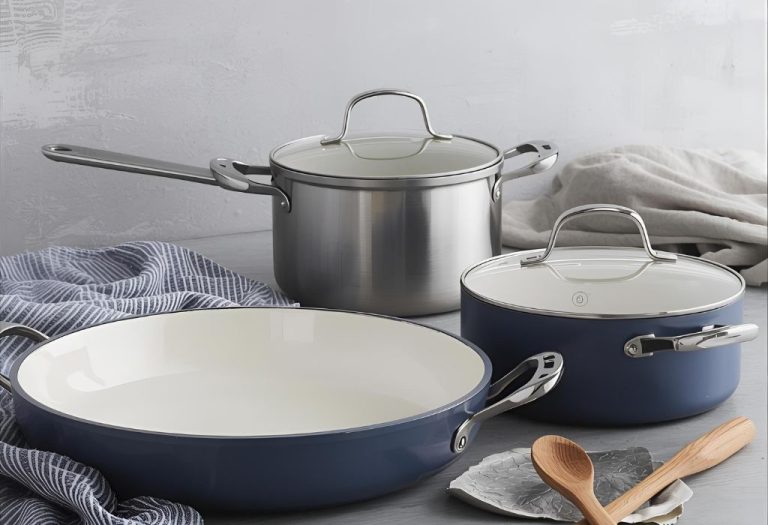
Copper cookware has long been celebrated for its excellent heat conductivity and elegant design. However, for households with pet birds, questions arise about its safety and potential health risks.
Birds are highly sensitive to airborne toxins, and even small amounts of metal exposure can lead to serious health problems. Copper particles or fumes released during cooking can pose respiratory and digestive hazards, making awareness essential for bird owners.
Understanding whether copper cookware is safe for birds is critical for creating a healthy kitchen environment. Proper knowledge can help prevent poisoning, protect feathered friends, and allow homeowners to continue using their favorite cookware safely.
Recent studies show that birds exposed to metal fumes can experience symptoms such as lethargy, labored breathing, and organ damage. These findings highlight the importance of proactive safety measures in homes with birds.
Beyond potential risks, adopting the right cookware and kitchen practices offers peace of mind and maintains cooking efficiency. Ventilation, lined cookware, and alternative materials provide practical solutions that protect both pets and humans.
Understanding Copper Cookware

Copper cookware is prized for its rapid and even heat distribution, making it a favorite in professional and home kitchens. Its metallic base allows precise temperature control, which is ideal for delicate cooking tasks such as sauces or searing meats.
Many copper pots and pans are lined with stainless steel, tin, or ceramic to prevent direct food contact with copper. This lining reduces the risk of copper leaching into food, but it does not fully eliminate airborne copper particles released during high-heat cooking.
The composition of copper cookware affects both cooking performance and potential health risks for birds. Unlined or damaged cookware can release fumes or dust that are highly toxic to birds due to their sensitive respiratory systems.
Proper manufacturing standards and regular maintenance ensure that lined copper cookware remains safe for food preparation. Certified products that meet regulatory safety guidelines help minimize the chance of copper exposure for both humans and pets.
Understanding the properties, construction, and potential risks of copper cookware is essential for households with birds. This knowledge allows for informed decisions about cookware use, kitchen ventilation, and overall bird safety.
Risks of Copper Exposure for Birds
Birds are highly sensitive to metal toxins, and copper particles or fumes can pose serious health risks. Inhalation of airborne copper can cause respiratory distress, including wheezing, labored breathing, and increased susceptibility to infections.
Ingesting copper-contaminated food or water can lead to digestive issues such as vomiting, diarrhea, and organ damage. Chronic exposure may result in long-term health complications, affecting the liver, kidneys, and overall vitality of the bird.
Environmental factors in the kitchen influence the level of risk. Cooking at high temperatures, poor ventilation, and proximity of bird cages to cooking areas increase the likelihood of exposure.
Even lined copper cookware does not entirely eliminate hazards if the lining is damaged or worn. Tiny scratches or cracks can release copper particles that accumulate in the environment, posing ongoing risks to birds.
Understanding these risks helps bird owners implement preventive measures and maintain a safe household environment. Awareness of copper toxicity, environmental factors, and exposure pathways is key to protecting avian health.
Benefits and Safety Measures for Copper Cookware in Bird Homes
Copper cookware offers excellent heat conductivity and precise temperature control, making it highly efficient for cooking. When used properly, lined copper pots and pans provide both performance and food safety, minimizing direct copper exposure.
Lined cookware, such as those with stainless steel or ceramic coatings, significantly reduces the risk of metal contamination. Maintaining the integrity of the lining through careful use and regular inspection is essential to prevent copper particles from affecting birds.
Kitchen practices can further enhance safety. Using strong ventilation, keeping bird cages away from cooking areas, and avoiding high-heat cooking near pets help limit airborne copper exposure.
Alternative cookware options, including stainless steel, cast iron, and high-quality ceramic, provide safer choices without compromising cooking efficiency. These materials eliminate the risk of copper toxicity while still allowing for reliable and even cooking performance.
By combining lined copper cookware with proper kitchen management and safer alternatives, homeowners can enjoy the benefits of copper while protecting their feathered companions. Awareness and consistent preventive measures create a bird-safe environment without sacrificing culinary quality.
Common Myths About Copper Cookware and Birds

Many bird owners are uncertain about the risks of using copper cookware due to conflicting information. One common misconception is that lined copper cookware is completely harmless for birds.
While lining reduces direct food contamination, it does not eliminate the risk of airborne copper particles, especially when cooking at high temperatures.
Another myth is that occasional exposure poses no harm. Birds are highly sensitive to toxins, and even small amounts of copper dust or fumes can accumulate over time, leading to chronic health issues such as liver damage, respiratory distress, and digestive problems.
Some assume that alternative materials like stainless steel or ceramic always eliminate all risk. While these materials are safer, poor ventilation or cooking practices can still expose birds to environmental contaminants.
It is also widely believed that birds can self-regulate exposure by avoiding areas with fumes. Birds do not have this ability, and their small size and high respiratory rate make them extremely vulnerable to airborne toxins in the kitchen.
Understanding and dispelling these myths helps bird owners make informed decisions about cookware selection and kitchen practices. By recognizing the limitations of lined copper cookware and implementing preventive measures, pet owners can protect their birds from hidden risks.
Education and awareness are key components of a bird-safe kitchen. Reliable sources, proper ventilation, and alternative cookware reduce misconceptions and improve both cooking efficiency and pet safety.
By combining knowledge with practical action, households can minimize hazards and maintain a healthy environment for their feathered companions.
Monitoring Bird Health Around Copper Cookware
Vigilant observation is crucial for detecting early signs of copper exposure in birds. Symptoms such as lethargy, poor feather quality, respiratory distress, and digestive issues can indicate metal toxicity and require immediate attention.
Preventive veterinary care helps maintain avian health in households with copper cookware. Regular check-ups and blood tests can detect elevated copper levels before severe symptoms develop.
Environmental adjustments also support bird safety. Removing birds from areas where high-heat cooking occurs and ensuring proper ventilation minimizes the risk of airborne copper exposure.
Emergency response measures are important if symptoms appear. Quick relocation from exposure sources and consultation with an avian veterinarian are critical to mitigate potential health consequences.
Monitoring bird health ensures that households can enjoy the benefits of copper cookware while protecting their pets. Early detection, preventive care, and proactive environmental controls create a safe living space for feathered companions.
Long-Term Effects of Copper Exposure in Birds
Chronic exposure to copper can have severe and lasting consequences for birds. Even small, repeated exposures can accumulate over time, leading to long-term organ damage, impaired growth, and reduced lifespan.
Birds’ small bodies and high metabolic rate make them particularly vulnerable to heavy metal toxicity.
Respiratory health is often the first to be affected. Copper dust and fumes can cause persistent inflammation of the lungs, chronic wheezing, and decreased oxygen absorption, which may result in lethargy and reduced activity levels.
Digestive and systemic effects are also significant. Continuous ingestion of copper-contaminated particles can damage the liver and kidneys, impair nutrient absorption, and weaken immune function. Over time, these effects compromise overall health and increase susceptibility to disease.
Behavioral changes may accompany physiological symptoms. Birds exposed to copper toxicity may exhibit reduced appetite, feather plucking, or changes in social behavior, signaling underlying stress and health deterioration.
Early detection and preventive strategies are crucial to avoid these long-term outcomes. Regular veterinary check-ups, blood tests for heavy metals, and monitoring for subtle behavioral changes help identify problems before they become severe.
Implementing safe cooking practices, using lined or alternative cookware, and maintaining proper kitchen ventilation are essential for mitigating long-term risks.
By understanding the potential chronic effects of copper exposure, bird owners can take proactive steps to protect the health, longevity, and quality of life of their feathered companions.
Best Practices for a Bird-Safe Kitchen

Creating a bird-safe kitchen starts with careful cookware selection. Avoid using unlined copper pots and pans near birds, and prioritize alternative materials such as stainless steel, cast iron, or high-quality ceramic to reduce exposure risk.
Proper kitchen ventilation is essential for limiting airborne copper particles. Exhaust fans, open windows, and air purifiers help maintain air quality while cooking.
Cage placement also plays a critical role in bird safety. Keep bird cages away from cooking areas and avoid exposing birds to kitchen fumes, smoke, or dust from copper cookware.
Routine maintenance of cookware ensures long-term safety. Inspect lined copper cookware for scratches, chips, or worn linings and replace any damaged items to prevent potential contamination.
Following these best practices allows homeowners to maintain both a functional kitchen and a safe environment for birds. Consistent application of proper cookware choices, ventilation, and maintenance ensures that feathered companions remain healthy while cooking continues safely.
Is copper cookware safe for birds?
No, copper cookware is not considered safe for pet birds if it’s unlined or overheated. Fumes from overheated copper or cleaning chemicals can be toxic to birds’ sensitive respiratory systems.
Why is copper dangerous for birds?
When copper is overheated or corroded, it can release metal particles or vapors. Birds have extremely delicate lungs, so even small amounts of these toxins can cause serious illness or death.
Can I use lined copper cookware if I have birds?
Lined copper cookware (with stainless steel or tin) is safer, as the lining prevents copper exposure. However, it should never be overheated or left empty on the stove, as heat damage could still release harmful fumes.
Are copper-infused nonstick pans safe for birds?
Only if they’re free from PTFE (Teflon) and PFOA. While copper-infused ceramic pans are generally safer, always confirm they don’t contain coatings that emit toxic gases when heated.
What temperature makes copper cookware unsafe for birds?
Overheating copper pans beyond 500°F (260°C) can cause oxidation and release potentially harmful fumes. Birds should be kept away from the kitchen during any high-heat cooking.
Can birds be poisoned by ingesting copper particles?
Yes. If birds nibble on corroded copper surfaces or contaminated food, it can lead to copper poisoning, resulting in lethargy, vomiting, and potentially fatal organ damage.
Is it okay to have copper décor or utensils around birds?
Decorative copper that birds can access or chew is unsafe. Always keep copper items out of reach to prevent accidental ingestion or exposure.
What cookware materials are safe for bird owners?
Stainless steel, cast iron, glass, and 100% ceramic cookware are the safest choices for homes with pet birds. They don’t emit toxic fumes or contain reactive metals.
How can I make my kitchen safer for birds if I use copper cookware?
Ensure proper ventilation, keep birds in a separate room during cooking, and never leave cookware unattended on heat sources.
What’s the best rule for bird-safe cooking?
Avoid any cookware that can emit fumes, including nonstick or unlined copper pans. Stick to bird-safe materials, cook at moderate temperatures, and maintain good air circulation in your home.
Conclusion
Copper cookware can pose serious risks to pet birds if proper precautions are not followed. Choosing lined cookware, using safer alternative materials, and maintaining proper ventilation help minimize exposure to airborne copper particles.
Observing birds for early signs of copper poisoning and seeking preventive veterinary care ensures their long-term health. Regular maintenance of cookware and mindful kitchen practices create a safe environment for both humans and feathered companions.
By understanding the risks, implementing safety measures, and monitoring bird health, homeowners can enjoy the benefits of copper cookware without compromising the well-being of their pets. Knowledge, vigilance, and proactive care are key to maintaining a bird-safe kitchen.

I’m Emma J. Caldwell, the founder, lead writer, and home-cooking enthusiast behind KitchenGuideCo.com. With a background in culinary arts and over a decade of cooking experience in both professional and personal kitchens, I created this platform to demystify recipes, offer smart kitchen gadget reviews, and guide readers through meal prep with confidence and clarity.