Dishwashing soap is one of the most commonly used cleaning products in homes, yet many people do not fully understand how it works or whether it actually kills bacteria.
When someone washes dishes by hand, they often rely on the soap to remove grease, food residue and anything harmful left behind from meals.
However, confusion arises when people see antibacterial labels on some dish soaps while others simply advertise grease cutting power.
This leads many to wonder whether regular dishwashing soap is antibacterial by default or whether only specially formulated varieties have germ killing abilities.
People often assume that all soaps kill germs automatically, but the truth depends on how the ingredients interact with microbes.
Dish soaps can remove germs, lift them from surfaces and wash them down the drain even if they do not contain antibacterial agents.
Understanding how dish soaps work requires looking at their chemical structure, cleaning mechanics and the specific ingredients added to certain formulas.
Dish soaps contain surfactants, which break apart grease and help water spread across surfaces more effectively. These surfactants also play a major role in removing bacteria, but not necessarily killing them.
This guide breaks down the science behind dishwashing soap and explains whether it kills bacteria, how it cleans dishes and how antibacterial formulas differ from regular ones.
By understanding these details, users can make informed choices about which soap to use in different situations.
Whether someone prefers a gentle dish soap or a strong antibacterial version, knowing how they work helps improve kitchen hygiene.
How Regular Dishwashing Soap Removes Germs
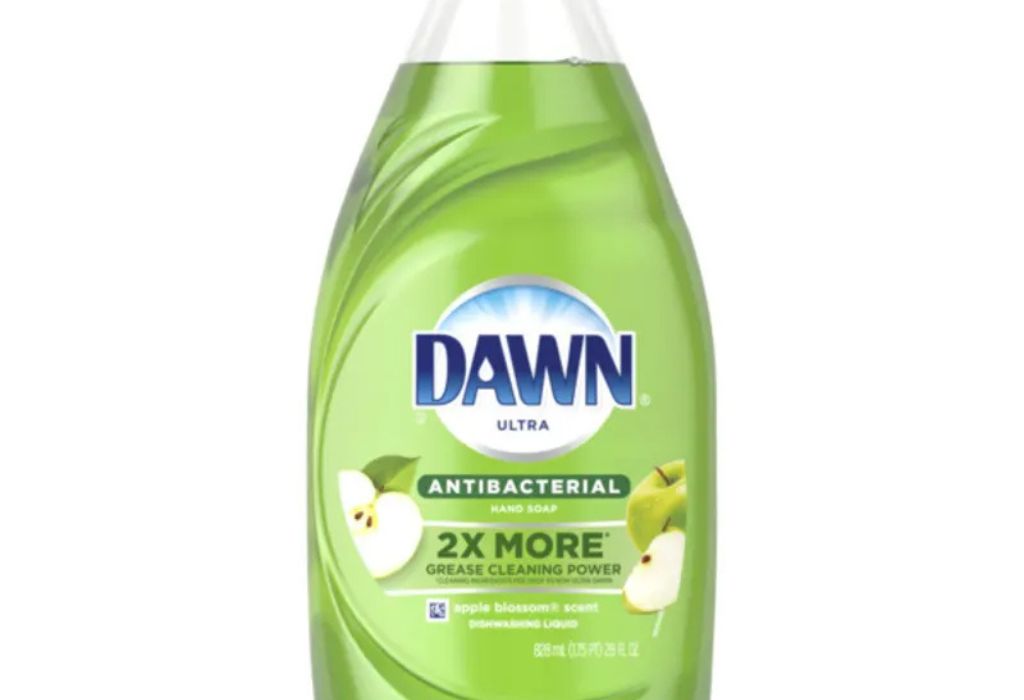
Regular dishwashing soap works by lifting germs from dish surfaces rather than killing them directly. Surfactants in the soap attach to both water and grease molecules, allowing them to break apart oily residue that traps bacteria.
When grease loosens, bacteria no longer cling to the dish and can be rinsed away easily. This mechanical removal process is highly effective.
Soap molecules contain hydrophobic and hydrophilic ends, which means they bind to grease on one side and water on the other. As the soap forms micelles, it surrounds grease particles and lifts them from surfaces.
The flowing water then washes the trapped particles down the drain. This process removes bacteria along with food residue.
Regular dish soap does not need antibacterial chemicals to be effective at cleaning. The physical action of scrubbing combined with surfactant activity eliminates harmful microbes through removal rather than killing.
This cleaning method is similar to handwashing practices used around the world. It focuses on rinse away instead of chemical disinfection.
In fact, some studies show that washing dishes with warm water and soap can remove up to 99 percent of bacteria even without antibacterial additives.
This is because bacteria rely heavily on grease and organic matter to cling to surfaces. Removing these layers deprives bacteria of their hold, making them easier to rinse off.
However, regular dish soap does not sterilize or disinfect. It does not actively kill bacteria the way bleach or disinfecting cleaners do. It simply removes them efficiently. This distinction is important for people who want deeper sanitization in certain situations.
Regular dishwashing soap remains safe and effective for everyday dish cleaning. Its strength lies in its ability to break down grease and lift germs away from surfaces. This simple but powerful cleaning method has been used in kitchens for decades with excellent results.
What Makes a Dish Soap Antibacterial
Antibacterial dish soaps contain specific active ingredients designed to kill bacteria rather than just remove them. These ingredients may include compounds like benzalkonium chloride or triclosan.
They are added in small amounts to target harmful microbes directly. The soap still removes grease, but it also kills a portion of the bacteria present.
Most antibacterial dish soaps advertise their germ killing claims clearly on the label. Manufacturers are required to demonstrate effectiveness against certain microbial strains.
These soaps undergo testing to verify that they kill bacteria within a specific time window. This makes their antibacterial status reliable.
Antibacterial agents work by disrupting the cell membranes of bacteria. When the membranes break down, the bacteria cannot survive. This differs from regular dish soap, which removes bacteria mechanically. Antibacterial formulas use chemistry to eliminate germs on contact.
These soaps are often recommended for households where sickness is present. Using antibacterial dish soap helps reduce contamination risks.
It provides an extra layer of hygiene for those who need more protection. This includes families with children, elderly members or individuals with weak immune systems.
However, antibacterial dish soaps do not kill viruses. They are specifically designed to target bacteria. Viruses require different formulas for inactivation. People often confuse antibacterial and antiviral properties, but they work differently.
Antibacterial dish soap offers additional reassurance in situations that require heightened hygiene. Although not necessary for every household, these formulas provide extra germ killing abilities. They help maintain cleaner, safer kitchen environments when used properly.
How Surfactants Work To Clean Dishes
Surfactants are the main cleaning agents in dish soap, and they play a central role in removing both grease and bacteria.
Surfactants reduce the surface tension of water, allowing it to spread more easily over dish surfaces. This spreading action helps lift dirt more efficiently. Water becomes more effective at rinsing away contaminants.
A surfactant molecule contains two ends: a hydrophobic tail and a hydrophilic head. The hydrophobic tail attaches to grease and oil, while the hydrophilic head bonds to water.
This creates micelles, which are spherical structures that trap grease in the center. These micelles lift particles off dishes.
Once the micelles form, they suspend dirt and bacteria in the water. Running water then carries them away. This process is mechanical and does not require antibacterial chemicals. It relies entirely on the physical properties of surfactants and water.
Surfactants also help break apart biofilms that form on dishes. Biofilms are layers of bacteria that cling tightly to surfaces. Breaking these layers apart exposes the bacteria to water movement. This makes them easier to remove.
Because surfactants remove biofilms and grease, they indirectly reduce bacterial load. Many bacteria cannot survive without the organic material that protects them. Removing that material lowers contamination even if the soap is not antibacterial.
Surfactants form the basis of all dish soaps, whether antibacterial or not. Their cleaning power makes them essential to maintaining good dish hygiene. Without surfactants, dish soap would not function effectively at all.
Do All Dishwashing Soaps Kill Bacteria
Not all dishwashing soaps kill bacteria. Regular dish soaps remove germs effectively but do not kill them. They rely on surfactants and mechanical scrubbing. Antibacterial dish soaps contain active ingredients that specifically kill bacteria.
Regular dish soaps are not classified as disinfectants. They are designed for cleaning, not sanitizing. This distinction is important to understand because many people mistakenly assume all soaps kill bacteria. Only soaps with antibacterial additives can make germ killing claims.
Even though regular dishwashing soap does not kill bacteria, it still removes them efficiently. Removing bacteria is often enough to make dishes safe for use.
Soap, water and scrubbing break down grease layers that bacteria cling to. This leaves dishes clean and free from most harmful microbes.
Antibacterial dish soaps provide additional protection by targeting bacteria on a chemical level. They kill bacteria on contact or within a short time frame.
This adds an extra line of defense in households that need more hygiene. However, antibacterial soaps are not necessary for most regular dishwashing tasks.
Public health experts often remind consumers that mechanical cleaning is sufficient for everyday kitchen routines. Killing bacteria is not always required.
Removing bacteria and food residue is usually enough to maintain a sanitary environment. This reinforces the importance of thorough washing, not just antibacterial chemicals.
Households with sensitive members may benefit from antibacterial formulas. These soaps offer reassurance during periods of illness or allergy risk.
They also help protect people whose immune systems cannot fight bacteria as effectively. Choosing antibacterial soap depends on household needs.
Does regular dish soap kill bacteria?
No, regular dish soap removes bacteria but does not kill them chemically.
Is antibacterial dish soap more effective?
It kills bacteria, but both types clean dishes effectively.
Do I need antibacterial dish soap every day?
Not usually, regular soap is enough for routine dishwashing.
Can antibacterial soap replace disinfectants?
No, it kills bacteria but does not sanitize surfaces like disinfectants.
Does hot water kill bacteria during dishwashing?
Heat helps but does not fully sterilize dishes.
How Water Temperature Affects Bacteria On Dishes
Water temperature plays an important role in how effectively bacteria are removed from dishes. Warm water helps break down grease, making it easier for soap to lift bacteria.
Higher temperatures improve surfactant performance by reducing fat solidification. This increases cleaning efficiency.
However, water used in handwashing is rarely hot enough to kill bacteria outright. Most domestic sinks do not reach temperatures required for bacterial destruction. Water often cools quickly once it leaves the tap. This limits its ability to sanitize.
Despite this, warm water remains essential for good dish hygiene. It helps dissolve food residue and oils that trap bacteria. Once grease breaks down, bacteria detach and wash away. This indirect benefit improves the overall cleaning process.
Water temperatures required to kill bacteria usually exceed 150 degrees Fahrenheit. Such temperatures are not safe or practical for handwashing. Dishwashers, however, may reach these levels. This is why automatic dishwashers sanitize more effectively.
Warm water combined with thorough scrubbing removes bacteria efficiently. Even without antibacterial soap, this combination works well. Physical removal remains the most important part of dishwashing hygiene. The cleaner the surface, the fewer bacteria remain.
Some people believe hot water sterilizes dishes. This is a misconception. Domestic water heaters rarely reach sterilization temperatures. Effective dish cleaning relies more on soap and technique than water heat alone.
What Ingredients Make a Dish Soap Antibacterial
Antibacterial dish soaps contain specific ingredients designed to kill bacteria. One common ingredient is benzalkonium chloride, a disinfectant used in many household cleaners. It targets bacterial cell membranes and disrupts them. This kills bacteria quickly.
Another ingredient used in some antibacterial dish soaps is triclosan. Although less common today, it was once widely used in antibacterial cleaners. It interrupts fatty acid synthesis in bacterial cells. This prevents bacteria from growing or surviving.
Essential oils may also provide antibacterial effects. Some dish soaps use tea tree oil, eucalyptus or lemon oil. These natural ingredients have mild antibacterial properties. They enhance cleaning power while offering a pleasant scent.
Manufacturers add antibacterial ingredients in controlled amounts. These amounts are strong enough to kill bacteria but safe for kitchen use. Testing ensures the soap performs consistently and safely. Labels indicate antibacterial properties clearly.
Not all antibacterial ingredients kill the same types of bacteria. Some target specific strains. Others offer broad spectrum protection. Consumers should choose based on household needs.
Antibacterial dish soaps remain effective as long as ingredients remain active. Proper storage protects ingredients from degradation. Keeping the bottle closed and stored in a cool place maintains effectiveness. This ensures reliable performance.
What ingredient makes dish soap antibacterial?
Compounds like benzalkonium chloride or triclosan kill bacteria.
Are essential oils antibacterial?
Some have mild antibacterial properties but are less powerful.
Is antibacterial dish soap safe to use daily?
Yes, it is formulated for regular household use.
Does antibacterial dish soap kill viruses?
No, it targets bacteria, not viruses.
Do antibacterial ingredients expire?
They can weaken over time if not stored properly.
Does Dishwashing Soap Remove Viruses
Dishwashing soap removes viruses effectively even though it does not kill them in the same way it removes bacteria. Viruses rely on lipid membranes to infect hosts. Soap dissolves these membranes, making viruses inactive. This makes removal more effective.
Soap disrupts the lipid envelope surrounding many viruses. When this envelope breaks down, the virus cannot bind to surfaces or cells. It becomes harmless once washed down the drain. This disruption is chemical rather than mechanical.
Unlike bacteria, viruses cannot multiply on dish surfaces. They survive only for limited periods. Soap’s ability to strip their outer membranes accelerates their decay. This reduces their ability to spread.
Regular dishwashing soap works well against many common household viruses. The combination of surfactants and warm water inactivates viral particles effectively. Scrubbing dishes enhances this effect. The mechanical action exposes viruses to soap molecules.
Antibacterial dish soaps do not provide added benefit for viruses. They target bacteria specifically. Virus removal depends on surfactants, not antibacterial agents. This highlights the importance of soap’s basic chemistry.
Dishwashing remains a reliable practice for reducing viral contamination. Proper technique ensures dishes remain safe for use. Soap, water and scrubbing remain important tools in maintaining hygiene during illness.
How Much Soap Is Needed To Kill Or Remove Germs
Using the correct amount of dish soap improves cleaning performance. Too little soap reduces the number of micelles available to trap grease and bacteria. Too much soap creates unnecessary waste. Finding the right balance enhances cleaning.
A small amount of dish soap generally produces enough micelles to lift bacteria effectively. The exact quantity depends on water temperature and grease level. Warm water spreads soap more easily. This improves coverage.
Scrubbing action is more important than the amount of soap used. Rubbing dishes physically removes bacteria and breaks down food residue. Soap enhances this action but cannot replace it. Users should combine proper scrubbing with adequate soap amounts.
Diluting dish soap too much weakens its ability to form micelles. Some people add soap directly to running water. While this creates bubbles, it dilutes cleaning power. Applying soap directly to a sponge improves effectiveness.
Using excessive soap may leave residue on dishes. Residue creates sticky surfaces that attract bacteria. Rinsing thoroughly prevents this problem. Proper rinsing ensures clean, safe dishes.
Dish soap does not need to be antibacterial to remove germs well. The key lies in technique rather than quantity. Scrubbing, soaking and rinsing correctly produce the best results. This keeps dishes hygienic.
Do You Need Antibacterial Dish Soap For Kitchen Hygiene
Most households do not need antibacterial dish soap for everyday dishwashing. Regular dish soap removes bacteria effectively through mechanical action. Removing bacteria is often enough to maintain cleanliness. Killing bacteria is not always necessary.
Antibacterial dish soaps offer benefits in specific situations. They are useful when someone in the home is sick. Families may choose antibacterial soap to reduce contamination risk. It provides reassurance.
Kitchens with high raw meat usage may benefit from antibacterial soap. Handling raw poultry, seafood or eggs increases bacterial presence. Antibacterial ingredients provide an extra layer of protection. This improves sanitation.
Households with infants, elderly people or immune compromised individuals may prefer antibacterial formulas. These populations have higher vulnerability to illness. Extra germ killing support may help protect them. It provides peace of mind.
However, using antibacterial products excessively can contribute to chemical resistance. Experts recommend using them only when necessary. Routine cleaning does not require them. Overuse provides no additional benefit.
Choosing between regular and antibacterial dish soap depends on household needs. Both types clean dishes effectively. Users should focus on proper washing technique, water temperature and scrubbing. These factors influence hygiene more than antibacterial additives.
Is Antibacterial Dish Soap Better For Removing Odors
Antibacterial dish soap can help reduce kitchen odors because it kills some bacteria responsible for producing unpleasant smells. Many smells originate from leftover food particles that begin decomposing. Bacteria accelerate this decomposition. Killing them slows odor formation.
However, regular dish soap is also effective at removing odors. Surfactants break down grease and food residue where odors develop. Scrubbing dishes removes odor causing materials from surfaces. Rinsing washes them away completely.
Odors often come from biofilms on dishes, sinks or sponges. Surfactants break down these films and reduce bacteria living within them. Even without antibacterial ingredients, regular soap helps minimize smell. Removing residue prevents odor cycles.
Antibacterial soaps provide an advantage when dealing with persistent smells. Killing bacteria stops odor at the source. This is useful for cutting boards, raw meat residue or heavily soiled dishes. It creates a cleaner scent environment.
Regular dish soap may require more scrubbing to remove odor causing residue. Antibacterial soaps work faster in some cases due to their chemical action. This saves time during intense cleaning tasks. However, the benefits depend on household needs.
Customers should choose soap based on their specific cleaning challenges. For ordinary dishwashing, regular soap performs well. Antibacterial soap becomes helpful when odor control requires deeper action. Both types contribute to cleaner kitchens.
How Dish Soap Works Against Harmful Foodborne Bacteria
Dish soap can remove harmful foodborne bacteria from dish surfaces even if it does not kill them. Bacteria such as salmonella, E coli and campylobacter often cling to surfaces through grease.
Surfactants break down these greasy layers and free the bacteria. Running water then washes them away safely.
Warm water helps soften food residue where bacteria grow. Once softened, scrubbing breaks apart biofilms that protect bacteria. Removing this protective layer exposes bacteria to soap molecules. Soap then surrounds and lifts them.
The mechanical action of scrubbing remains key to removing harmful bacteria. No amount of soap can replace physical friction. Dishwashing sponges, brushes and cloths increase surface contact and dislodge bacteria. This improves hygiene.
Antibacterial dish soap can kill some bacterial strains. This adds value when cleaning utensils that touched raw poultry or seafood. Killing bacteria reduces the chance of cross contamination. This provides extra protection in high risk areas.
However, antibacterial soap should not replace safe food handling. Proper cooking, handwashing and kitchen sanitation remain essential. Dish soap plays one role among many. Using safe kitchen practices ensures better food safety overall.
Many people mistakenly assume soap kills all harmful bacteria. In reality, removal plays a more significant role. Effective dishwashing combines surfactants, warm water and scrubbing. This method remains reliable across households.
How Dish Soap Interacts With Oils And Grease
Dish soap interacts with oils and grease by surrounding them with micelles. These micelles have hydrophobic centers that attract grease and hydrophilic exteriors that bond with water. Once surrounded, grease particles detach from surfaces easily. This process improves cleaning efficiency.
Grease acts as a protective shield for bacteria. Bacteria hide within oily layers and cling tightly to dish surfaces. Dish soap removes this layer, exposing bacteria to scrubbing. This removes contaminants more effectively.
Heat accelerates this process by melting solid fats. Melted fats mix with surfactants more easily. Warm water enhances micelle formation and grease breakdown. This makes cleaning faster.
Dish soap does not kill bacteria hiding in grease. Instead, it removes them by destroying the greasy barrier. Washing away this barrier weakens bacterial survival. This keeps dishes safe for daily use.
Grease removal also prevents unpleasant odors from forming. As grease decomposes, bacteria produce foul smelling compounds. Removing grease eliminates their habitat. This reduces kitchen odor overall.
Surfactants remain essential for grease removal. They allow water to interact with oil molecules that normally repel water. Without surfactants, grease would stay bonded to dishes. This demonstrates the importance of dish soap chemistry.
Does dish soap dissolve grease?
Yes, surfactants break apart grease and lift it from dish surfaces.
Can grease protect bacteria on dishes?
Yes, bacteria hide inside grease layers until soap removes them.
Is hot water necessary for grease removal?
Warm water improves cleaning but is not absolutely required.
Do micelles trap grease effectively?
Yes, micelles surround and lift grease particles for rinsing.
Does dish soap kill bacteria in grease?
No, it removes bacteria by eliminating the grease they cling to.
Does Dish Soap Work Better With Sponges Or Brushes
Dish soap works effectively with both sponges and brushes, but each tool offers different advantages. Sponges have soft surfaces that spread soap evenly and reach into small crevices. They create thick lather quickly. This helps lift food residue easily.
Brushes provide stronger scrubbing power. Their bristles remove stubborn residue more effectively. They also last longer than sponges. Many people prefer brushes for heavy duty cleaning tasks.
Sponges tend to hold more soap and water. This makes them ideal for washing multiple dishes quickly. However, they also retain bacteria if not cleaned properly. Regular sanitization keeps them safe to use.
Brushes dry faster than sponges. Faster drying reduces bacterial growth. This makes brushes more hygienic for long term use. They also maintain shape longer.
The choice between sponge and brush depends on personal preference. Both tools perform well with dish soap. Using either tool ensures proper cleaning. Regular washing and replacement maintain hygiene.
People often alternate between sponges and brushes for different tasks. Sponges handle delicate dishes well. Brushes handle pots, pans and hardened foods. Using both increases cleaning efficiency.
Can Dishwashing Soap Kill Mold And Mildew
Dishwashing soap can help remove mold and mildew from dish surfaces, but it does not kill mold spores chemically. Instead, it breaks apart the organic material mold grows on. Surfactants lift mold residue, making it easier to scrub away. Water then washes it down the drain.
Warm water improves mold removal by softening residue. Scrubbing removes mold completely from dish surfaces. This prevents mold from spreading further. However, soap alone cannot kill mold spores.
Antibacterial dish soap targets bacteria but does not address mold. Mold requires antifungal agents to kill effectively. Dish soap helps with cleaning but not with sterilization. Additional products may be needed for mold removal.
Mold rarely grows on dishes unless they remain dirty for long periods. Regular washing prevents mold buildup. Dish soap keeps dishes clean and free of organic residue. This reduces mold growth risk.
For severe mold contamination, stronger cleaners may be needed. Vinegar or bleach solutions kill mold more effectively. These should be used on non food surfaces. Dishes require careful rinsing after treatment.
Dish soap remains valuable for cleaning mold residue. It keeps kitchenware fresh and hygienic. Preventing mold starts with regular dishwashing. Clean dishes rarely develop mold issues.
The Role Of Friction In Removing Bacteria During Dishwashing
Friction is one of the most important factors in removing bacteria from dishes. Scrubbing breaks apart grease, residue and biofilm layers. These layers protect bacteria from removal. Without friction, even strong soap cannot clean effectively.
Sponges, brushes and scrub pads increase friction. Their textured surfaces loosen bacteria holding points. Water rinses bacteria away easily after scrubbing. This physical action reduces contamination.
Soap supports friction by reducing water surface tension. This allows scrubbing tools to glide smoothly and cover more area. It also helps spread soap across dish surfaces. Better coverage improves cleaning.
Friction removes bacteria more reliably than chemical disinfectants during dishwashing. Disinfectants require long contact times to kill bacteria. Scrubbing works instantly by removing bacteria physically. This makes friction essential for daily dishwashing.
Dishwashing requires repetitive scrubbing motion. This motion ensures bacteria detach from surfaces. More scrubbing equals deeper cleaning. This is especially important for cutting boards and utensils.
Friction plays a role even when using antibacterial soap. Antibacterial chemicals kill bacteria but cannot replace removal. Scrubbing ensures both methods work together. This creates the cleanest results.
How Antibacterial Dish Soap Affects Skin And Hands
Antibacterial dish soap may dry out skin more than regular dish soap. Antibacterial agents remove natural oils from the skin during washing. This can cause roughness or irritation over time. People with sensitive skin may notice discomfort.
Regular dish soap is usually milder. It focuses on grease removal rather than chemical disinfection. Its ingredients are gentler on the skin. Many brands offer moisturizing formulas.
Antibacterial soaps often contain stronger surfactants. These break down oils more aggressively. While effective for cleaning, they can strip skin moisture. Gloves help protect hands during frequent washing.
Some antibacterial soaps include skin conditioners. These reduce irritation. However, they may not fully prevent dryness. Balancing hygiene and comfort is important.
Skin reactions vary among individuals. Some people tolerate antibacterial soaps well. Others prefer gentler formulas. Choosing the right soap depends on skin sensitivity.
Moisturizing regularly helps counter dryness. Hand cream restores skin oils removed during washing. This keeps hands healthy and comfortable. Proper care prolongs comfort.
Does antibacterial dish soap irritate skin?
It can, because stronger ingredients remove natural skin oils.
Are regular dish soaps gentler?
Yes, they usually use milder surfactants that cause less dryness.
Should I wear gloves when using antibacterial soap?
Yes, gloves help protect sensitive skin during frequent washing.
Do antibacterial soaps contain moisturizers?
Some do, but they may not fully prevent dryness.
Can dish soap cause long term skin issues?
Only if used excessively without moisturization.
Does Dish Soap Kill Bacteria On Sponges
Dish soap can remove bacteria from sponges but does not completely kill them. Sponges retain moisture, which supports bacterial growth. Even with soap, bacteria may remain inside sponge pores. This makes sponges prone to contamination.
Scrubbing with dish soap helps reduce surface bacteria. Surfactants break down grease and food residue inside sponge fibers. This removes some bacteria mechanically. However, deep sponge layers remain moist.
Antibacterial dish soap may kill some bacteria on the outer surface. But it cannot reach the deepest parts of the sponge. Bacteria inside pores remain active. This limits antibacterial effectiveness.
Sanitizing sponges requires stronger methods. Microwaving damp sponges kills many bacteria. Boiling sponges for several minutes also works. These methods reduce contamination significantly.
Replacing sponges frequently prevents bacterial buildup. Sponges wear out over time and lose cleaning efficiency. Fresh sponges keep dishwashing safer. Regular rotation ensures cleanliness.
Brushes collect fewer bacteria than sponges. Brushes dry faster and retain less moisture. This reduces microbial growth. Choosing the right tool improves hygiene.
Are Natural Dish Soaps Antibacterial
Natural dish soaps may contain plant based ingredients with mild antibacterial properties. Essential oils like tea tree, eucalyptus and lemon offer some antibacterial action.
These ingredients provide gentle cleaning. However, they are not as strong as synthetic antibacterial agents.
Natural soaps rely mainly on surfactants from plant sources. These surfactants remove bacteria mechanically. They do not kill bacteria chemically. They function similarly to regular dish soaps.
Consumers often choose natural soaps for gentleness and environmental safety. These soaps contain fewer harsh chemicals. They are suitable for sensitive skin and eco friendly households. Their mildness makes them appealing.
Natural antibacterial ingredients may weaken over time. Essential oils degrade when exposed to light or air. This reduces antibacterial strength. Proper storage maintains effectiveness.
Natural dish soaps clean dishes effectively. They remove grease, food residue and bacteria. Their cleaning power matches mainstream brands. They remain a reliable choice.
People seeking chemical free cleaning may prefer natural options. These soaps balance performance with environmental care. They remain popular for everyday dishwashing. Their simplicity suits many households.
Which Type Of Dish Soap Should You Use
Choosing the right dish soap depends on household needs. Regular dish soap suits most homes. It removes grease and bacteria effectively through mechanical cleaning. This makes it ideal for daily use.
Antibacterial dish soap becomes useful during illness. It adds germ killing support in high risk environments. Some families prefer it for extra security. It provides peace of mind.
Natural dish soaps provide gentle cleaning. They are ideal for people with sensitive skin. They also suit eco conscious households. These soaps offer a healthy balance.
Cost may influence decision making. Regular dish soaps often cost less. Antibacterial formulas may be more expensive due to active ingredients. Natural soaps vary in price.
Each type of dish soap has strengths. Users should choose based on kitchen habits and cleanliness needs. Proper washing technique matters more than the type of soap. Consistent scrubbing ensures effective cleaning.
Conclusion
Dishwashing soap plays a crucial role in kitchen hygiene, but its antibacterial effectiveness depends on the specific formula used.
Regular dishwashing soap does not kill bacteria chemically, but it removes them efficiently through the combined power of surfactants, warm water and friction.
This mechanical removal cleans dishes thoroughly enough for everyday use. Antibacterial dish soaps include additional active ingredients that kill bacteria on contact, offering an extra layer of protection when needed.
Understanding how dish soap works helps people make informed choices. Surfactants break down grease, lift bacteria and loosen residue, allowing water to rinse everything away.
Antibacterial agents add germ killing abilities for households that require deeper sanitation. Natural dish soaps provide gentle cleaning without synthetic chemicals, appealing to those with sensitive skin or eco friendly preferences.
Choosing the right dish soap depends on household needs, risk levels and personal preferences. No single type suits every situation, but all can clean dishes effectively when used properly.
Good dishwashing habits such as scrubbing, using warm water and rinsing thoroughly contribute more to hygiene than antibacterial additives alone. With proper technique and the right product, dishwashing remains a reliable way to maintain a clean, healthy kitchen.

I’m Emma J. Caldwell, the founder, lead writer, and home-cooking enthusiast behind KitchenGuideCo.com. With a background in culinary arts and over a decade of cooking experience in both professional and personal kitchens, I created this platform to demystify recipes, offer smart kitchen gadget reviews, and guide readers through meal prep with confidence and clarity.