Enamel cookware has become a popular choice in kitchens worldwide due to its vibrant appearance and durability. Many home cooks are drawn to the glossy finish and the promise of non-reactive cooking.
Despite its popularity, questions about safety often arise. Is enamel cookware safe for daily cooking, or could hidden risks be lurking beneath the colorful surface?
The concern is not unfounded. According to Health Canada, some older or imported enamel cookware may contain lead or cadmium in the glaze, which can leach into food under certain conditions (canada.ca).
At the same time, enamel cookware offers significant benefits. Its non-reactive surface prevents metal from interacting with acidic ingredients, making it ideal for tomato-based sauces and other sensitive recipes (seriouseats.com).
Understanding the balance between safety and performance is essential for any home chef. Choosing high-quality enamel cookware and using it correctly ensures both safety and longevity.
Is Enamel Cookware Safe for Daily Use?
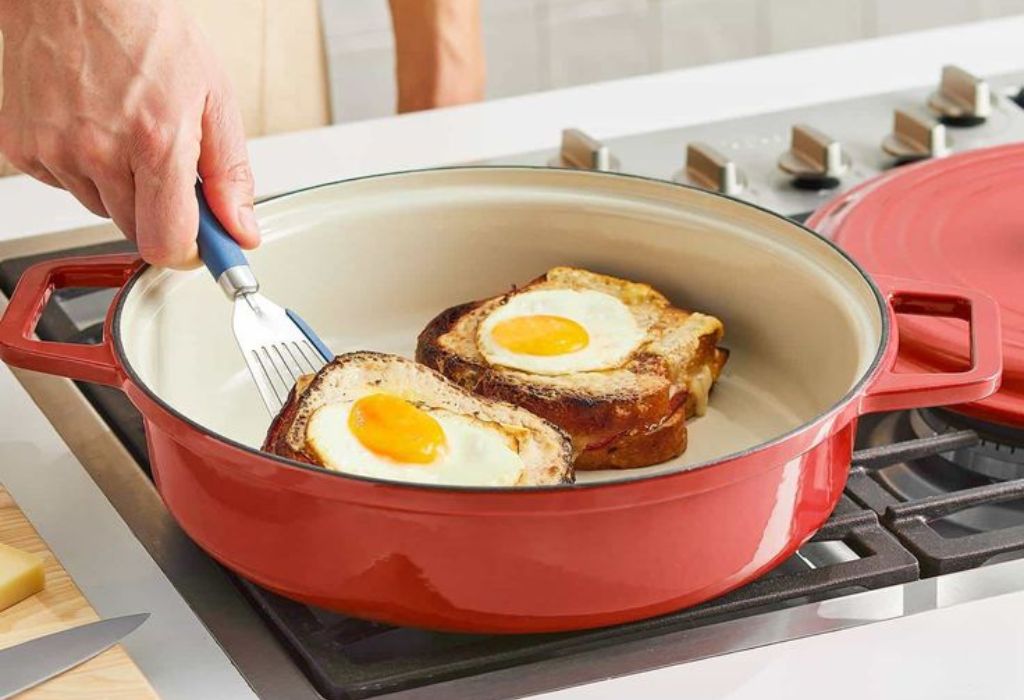
Enamel cookware is generally considered safe for everyday cooking when used properly. Its non-reactive surface ensures that acidic or alkaline foods, such as tomato sauce or lemon-based recipes, do not interact with the underlying metal.
This prevents unwanted flavors and reduces the risk of harmful chemical leaching, making enamel a reliable choice for daily meals.
The absence of chemicals like PFOA and PTFE, commonly found in traditional non-stick coatings, adds to its safety profile.
High-quality enamel cookware is designed to withstand everyday use without releasing harmful substances, allowing home cooks to prepare meals without concern. Durability is another key advantage.
The enamel coating protects the metal base from rust, corrosion, and minor scratches. Cast iron and steel bases provide excellent heat retention and even cooking, making enamel cookware practical for long cooking sessions and consistent results.
However, safety depends on proper use and maintenance. Avoid using metal utensils, as they can scratch or chip the enamel surface, exposing the base metal and reducing the cookware’s lifespan.
Rapid temperature changes, known as thermal shock, can also damage the enamel, potentially leading to cracks or chipping. Older or imported enamel cookware may contain lead or cadmium in the glaze, so purchasing from reputable manufacturers is crucial.
Health authorities, including Health Canada, recommend verifying that cookware meets current safety standards (canada.ca).
Enamel cookware also offers a combination of safety and aesthetics. Its vibrant colors and glossy finish make it appealing, while its performance ensures meals are cooked evenly and safely.
With proper care, high-quality enamel cookware can be a reliable, safe option for daily cooking, offering both functional and visual benefits. Following manufacturer guidelines and inspecting the cookware regularly maximizes safety, longevity, and cooking efficiency.
Potential Safety Concerns
While enamel cookware is generally safe, there are specific factors that can pose risks if not managed properly. One of the main concerns is the presence of lead or cadmium in the enamel glaze.
Older or imported cookware may contain these heavy metals, which can leach into food when the enamel surface is damaged or exposed to high acidity.
Health authorities, including Health Canada, advise checking for safety certifications and avoiding cookware that does not meet current standards (canada.ca).
Thermal shock is another significant risk. Rapid temperature changes, such as placing a hot pan under cold water or moving it from stovetop to freezer, can cause the enamel to crack or chip.
Once the enamel is compromised, the underlying metal can react with food, affecting both taste and safety. Using enamel cookware within recommended temperature ranges and gradually adjusting heat can prevent these issues.
Chipping and scratching are common problems, especially when metal utensils are used. Even small chips can expose the metal beneath, potentially causing rust or chemical leaching.
To maintain safety and longevity, it is recommended to use wooden, silicone, or plastic utensils and avoid abrasive cleaning tools.
Another factor to consider is the durability of lower-quality enamel cookware. Cheap or poorly manufactured products may have uneven coatings or thinner enamel layers, making them more prone to damage and unsafe for long-term daily use.
Opting for high-quality brands ensures better heat distribution, resistance to chipping, and compliance with safety standards.
By understanding these potential safety concerns, home cooks can take proactive measures to maximize both the lifespan and safety of their enamel cookware.
Regular inspections, careful handling, and adherence to manufacturer guidelines are essential for safe daily cooking. Proper care transforms enamel cookware into a reliable, long-lasting kitchen companion.
How to Ensure the Safety of Your Enamel Cookware
Ensuring the safety of enamel cookware begins with choosing products from reputable manufacturers. High-quality brands adhere to strict safety standards and use enamel coatings free from lead, cadmium, or other harmful substances.
Checking for certifications or product testing information helps verify that the cookware meets current health and safety regulations (carawayhome.com).
Proper usage is equally important. Avoid sudden temperature changes, as thermal shock can crack or chip the enamel. Gradually heating cookware on low to medium settings ensures even heat distribution and reduces stress on the enamel surface.
Additionally, using wooden, silicone, or plastic utensils prevents scratches and maintains the integrity of the coating.
Regular inspection and maintenance help maintain both safety and longevity. Check for visible chips, cracks, or worn areas in the enamel. Damaged cookware can expose the underlying metal, increasing the risk of rust or chemical leaching.
Cleaning should be gentle, using mild dish soap and non-abrasive sponges to prevent unnecessary wear. Avoid harsh scouring pads or cleaners that can damage the enamel surface.
Storage also affects safety. Stacking cookware without protective padding may cause chipping, especially for thinner enamel layers. Placing a soft cloth or paper towel between pots and pans helps prevent surface damage and prolongs the life of the cookware.
By following these steps—selecting high-quality products, proper usage, regular inspection, and careful storage—home cooks can safely enjoy enamel cookware every day.
With proper care, enamel cookware remains durable, functional, and visually appealing, offering a safe and reliable option for daily cooking.
Cleaning and Storage Best Practices for Enamel Cookware
Proper cleaning and storage are essential to maintain the safety, durability, and appearance of enamel cookware. Abrasive sponges or harsh cleaners can damage the enamel surface, causing scratches or chipping.
Using mild dish soap and soft sponges preserves the coating, preventing exposure of the metal underneath and ensuring the cookware remains non-reactive.
Avoiding sudden temperature changes during cleaning is also crucial. Pouring cold water into a hot enamel pot can cause thermal shock, resulting in cracks or chips. Letting the cookware cool gradually before washing protects the enamel and prolongs its lifespan.
Storage methods significantly impact the longevity of enamel cookware. Stacking pots and pans without protection can lead to chipping or scratching of the enamel coating.
Placing paper towels or soft cloths between cookware pieces prevents direct contact and preserves the surface finish.
Drying enamel cookware thoroughly after washing helps prevent rust on the metal base and reduces moisture-related damage. Regularly inspecting the cookware for chips, cracks, or worn areas allows home cooks to replace damaged items before safety becomes an issue.
In addition to preserving safety, these practices also maintain the cookware’s visual appeal. Vibrant colors and glossy surfaces can remain intact for years when cleaning and storage guidelines are followed.
Proper handling ensures enamel cookware remains reliable, safe, and functional for everyday use, making it a long-term investment for the kitchen.
How Enamel Cookware Compares to Other Cookware Types
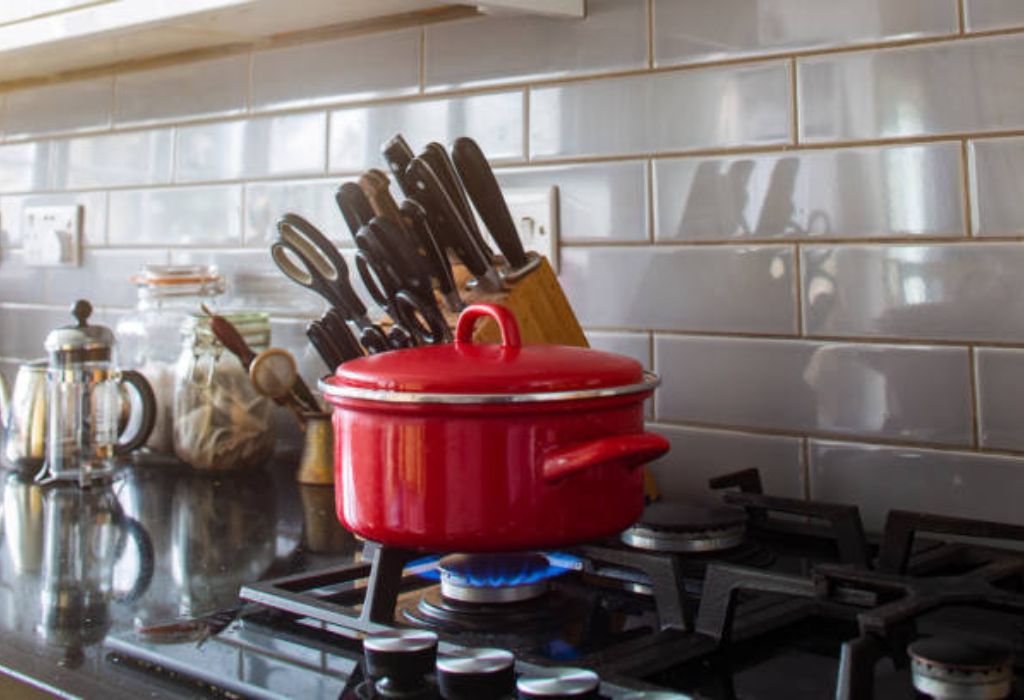
Enamel cookware offers distinct advantages over many other types of cookware, such as non-stick, stainless steel, or traditional cast iron. Unlike some non-stick pans that contain PFOA or PTFE, enamel cookware is free from these potentially harmful chemicals.
This makes it safer for daily cooking while providing a non-reactive surface that protects the flavor and nutritional quality of foods.
Compared to bare cast iron, enamel cookware does not require seasoning and is resistant to rust. This makes it easier to maintain, especially for home cooks who prefer low-maintenance kitchen tools.
The smooth enamel surface also makes cleaning simpler than traditional cast iron, which can retain residues and odors if not properly cared for.
Stainless steel cookware is durable but can react with acidic foods, potentially altering flavor. Enamel cookware, with its non-reactive coating, eliminates this concern, making it ideal for tomato-based dishes or recipes with citrus ingredients.
Heat distribution is another key difference; enamel-coated cast iron retains and distributes heat evenly, offering consistent cooking results that some stainless steel pans may not achieve.
However, enamel cookware is heavier than some alternatives, such as aluminum pans, which may be less suitable for quick, high-heat cooking.
Understanding the strengths and limitations of enamel compared to other cookware helps home cooks make informed choices based on their specific needs, cooking habits, and safety priorities.
By weighing factors like chemical safety, heat retention, maintenance, and reactivity, enamel cookware emerges as a reliable, long-lasting option for daily cooking. Its combination of safety, durability, and ease of use makes it a versatile addition to any kitchen.
Benefits of Enamel Cookware
Enamel cookware offers a combination of safety, durability, and aesthetic appeal, making it a popular choice in modern kitchens. Its non-reactive surface ensures that acidic foods, such as tomato-based sauces or citrus-infused dishes, do not interact with the metal base.
This preserves the natural flavor and nutritional value of meals while reducing the risk of chemical leaching.
Another major benefit is the absence of harmful chemicals such as PFOA and PTFE, commonly found in some non-stick cookware.
Home cooks can use enamel cookware daily without worrying about toxic coatings affecting their food.
High-quality enamel cookware is designed to withstand frequent use, providing even heat distribution and excellent retention, which is especially useful for slow-cooked dishes like stews, braises, and soups.
Durability is a significant advantage of enamel cookware. The enamel coating protects the underlying metal from rust, corrosion, and minor scratches, allowing the cookware to maintain its performance over years of use.
Cast iron bases, in particular, offer superior heat retention and stability, ensuring consistent cooking results. With proper care, enamel cookware can last decades, making it a practical and cost-effective investment for any kitchen.
Visual appeal is another important factor. Enamel cookware is available in a variety of colors and designs, adding style to kitchen décor. It can transition from stovetop to oven and even to the dining table, providing both functional and aesthetic versatility.
Overall, enamel cookware combines safety, performance, and beauty. Its non-reactive surface, chemical-free coating, durability, and elegant appearance make it an ideal choice for home cooks seeking reliable cookware for daily use.
Following proper maintenance practices further ensures longevity, performance, and continued safety for years to come.
Common Mistakes to Avoid with Enamel Cookware
Even the safest enamel cookware can become compromised if misused. One common mistake is using metal utensils. Scraping with forks, knives, or metal spoons can chip or scratch the enamel surface.
Once damaged, the underlying metal may be exposed, increasing the risk of rust or leaching of metals like lead or cadmium in older cookware.
Another frequent issue is exposing enamel cookware to sudden temperature changes. Placing a hot pan under cold water or transferring it directly from stovetop to freezer can cause thermal shock.
This can result in cracks or chipping of the enamel coating, affecting both safety and performance. Gradual heating and cooling are essential for maintaining the integrity of the cookware.
Improper cleaning is also a concern. Abrasive scouring pads, harsh cleaners, or dishwasher misuse can damage the enamel surface.
Over time, this reduces durability and increases susceptibility to chipping. Gentle cleaning with soft sponges and mild dish soap preserves the enamel and extends the life of the cookware.
Stacking enamel cookware without protection can cause chips and scratches. Using paper towels or cloths between pots and pans prevents direct contact and maintains the surface finish.
Additionally, overloading the pan or using it for high-heat searing when not designed for such use can damage both the enamel and metal base.
By understanding and avoiding these mistakes, home cooks can maximize the safety, longevity, and performance of their enamel cookware. Awareness and care transform enamel cookware into a reliable, long-lasting kitchen tool.
Tips for Proper Use and Maintenance
Proper use and maintenance of enamel cookware are essential for maximizing safety, durability, and cooking performance.
Avoid using metal utensils, as they can scratch or chip the enamel surface. Wooden, silicone, or plastic utensils are recommended to preserve the coating and prevent damage that could expose the underlying metal.
Temperature control is another critical factor. Enamel cookware should be heated gradually on low to medium heat.
Avoid exposing the cookware to sudden temperature changes, as thermal shock can cause cracks or chips in the enamel. High heat may damage the coating and reduce the cookware’s lifespan.
Cleaning practices also impact safety and longevity. Use mild dish soap and a soft sponge to clean enamel cookware.
Abrasive cleaners or scouring pads can scratch the surface, making it more susceptible to chipping and corrosion. After washing, dry cookware thoroughly to prevent moisture from affecting the metal base.
Storage methods are equally important. Avoid stacking enamel cookware without protective padding, as this can cause chips or scratches. Placing a soft cloth or paper towel between pots and pans helps protect the enamel and maintains its visual appeal.
Regular inspection ensures the cookware remains safe for daily use. Check for cracks, chips, or worn areas in the enamel coating. Damaged cookware should be replaced promptly to avoid exposure to metals like lead or cadmium, especially in older or low-quality products.
By following these simple but effective tips—using appropriate utensils, controlling temperature, cleaning gently, storing carefully, and inspecting regularly—home cooks can maintain the integrity, safety, and performance of enamel cookware.
Proper care transforms enamel cookware into a reliable, long-lasting kitchen tool suitable for daily cooking while preserving its appearance and functionality.
Choosing High-Quality Enamel Cookware
Selecting high-quality enamel cookware is crucial for ensuring safety, durability, and optimal cooking performance. Reputable manufacturers use premium materials and adhere to strict safety standards, producing cookware free from harmful substances such as lead or cadmium.
Checking for certifications or product testing information can help verify that the cookware meets current health and safety regulations (carawayhome.com).
Pay attention to the thickness and uniformity of the enamel coating. High-quality cookware has even enamel layers that resist chipping, scratching, and thermal shock.
Thinner or uneven coatings are more prone to damage, reducing both performance and safety. Choosing cookware with a strong cast iron or steel base further enhances heat retention and stability during cooking.
Brand reputation and customer reviews are also valuable indicators of quality. Established brands often provide warranties, detailed care instructions, and support for long-term use.
Investing in well-known products ensures that the cookware will maintain its non-reactive surface, durability, and visual appeal over time.
Color and aesthetics can be considered without compromising safety. High-quality enamel cookware is available in a variety of vibrant finishes that are both heat-resistant and functional.
The combination of style and performance allows the cookware to transition from stovetop to oven to tabletop seamlessly.
Proper selection of high-quality enamel cookware maximizes the benefits while minimizing potential safety concerns. When paired with proper use and maintenance, it provides a reliable, long-lasting option for daily cooking.
Choosing products from trusted manufacturers ensures peace of mind, safety, and superior cooking performance.
Choosing the Right Size and Type of Enamel Cookware
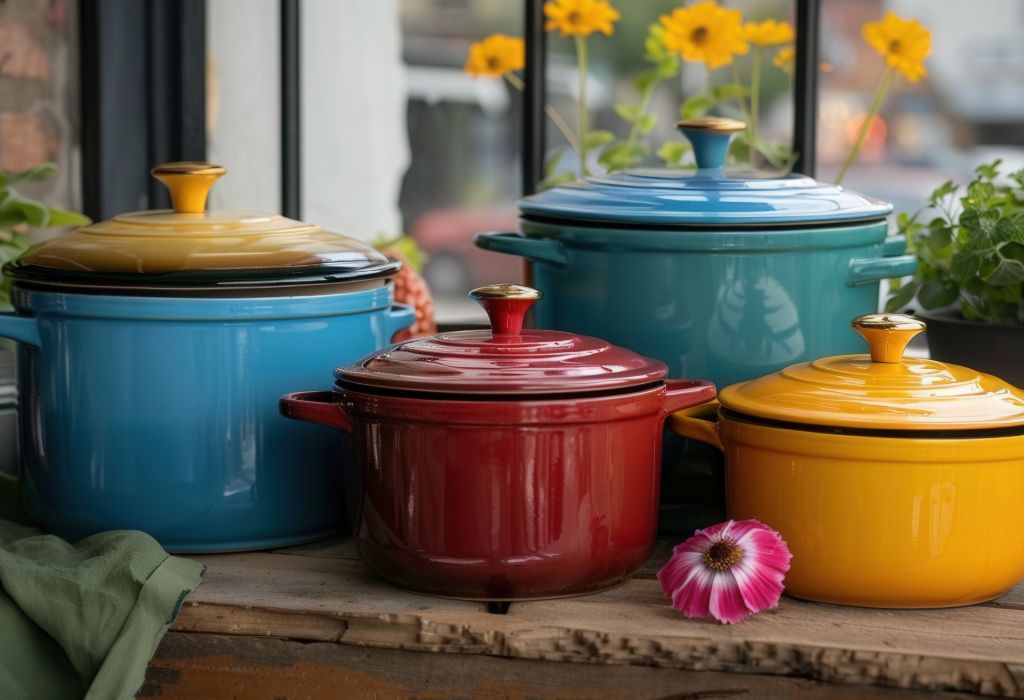
Selecting the appropriate size and type of enamel cookware enhances cooking efficiency and safety.
Large, heavy-duty pots are ideal for slow-cooked dishes like stews, soups, or braises, as they provide even heat distribution and excellent retention.
Smaller skillets or saucepans are better for quick tasks, such as sautéing vegetables or making sauces.
Consider the base material when choosing cookware. Cast iron enamel cookware retains heat effectively, making it suitable for slow, even cooking.
Steel-based enamel cookware is lighter and easier to handle, which is advantageous for daily use or for those with limited strength.
Selecting the right combination of size and base material ensures optimal cooking results while minimizing the risk of thermal shock or uneven heating.
The type of enamel coating also matters. Multi-layer coatings with uniform thickness resist chipping and provide better heat retention.
High-quality coatings ensure the cookware remains non-reactive, maintaining the safety and flavor of your meals. Cheap or thin coatings may degrade quickly and compromise both performance and safety.
Handles, lids, and design features are additional considerations. Ergonomic handles reduce the risk of dropping heavy cookware, while tight-fitting lids help maintain moisture and flavor during cooking.
Some enamel cookware is oven-safe, offering versatility, but checking the manufacturer’s guidelines for temperature limits is essential.
Selecting the right size and type of enamel cookware tailored to cooking needs maximizes safety, efficiency, and enjoyment. Coupled with proper care and maintenance, this ensures reliable, long-lasting performance for everyday meals.
Is enamel cookware safe for daily cooking?
Yes, enamel cookware is completely safe for everyday use. It’s non-toxic, non-reactive, and doesn’t leach metals or chemicals into food.
What is enamel cookware made of?
Enamel cookware is made by coating cast iron, steel, or aluminum with a layer of enamel glaze (a type of melted glass), which provides a smooth, non-porous surface.
Does enamel cookware contain harmful chemicals?
No, high-quality enamel cookware is free from PFOA, PTFE, lead, and cadmium, making it one of the safest cookware options available.
Can enamel cookware leach into food?
No, the enamel coating seals the metal base completely, preventing any leaching or reactivity with acidic foods like tomatoes or vinegar.
Is enamel cookware suitable for all stovetops?
Yes, it works on gas, electric, ceramic, and even induction cooktops (if it has a magnetic base). It’s also oven-safe for baking and roasting.
Can enamel cookware chip or crack?
Yes, enamel can chip if dropped or hit with hard utensils. However, minor chips on the outside don’t affect cooking safety—just avoid deep chips on the interior.
Is enamel cookware easy to clean?
Yes, the smooth glazed surface prevents food from sticking and makes cleaning simple. Avoid abrasive cleaners that might dull the enamel.
Can I use metal utensils on enamel cookware?
It’s best to use wooden, silicone, or nylon utensils to prevent scratching or damaging the enamel coating.
Is enamel cookware good for high-heat cooking?
It’s best used on medium heat. Excessively high heat can discolor or damage the enamel, so slow and steady heating works best.
Why is enamel cookware great for everyday use?
It’s durable, stylish, non-toxic, and easy to maintain—perfect for soups, sauces, baking, and daily family meals without worrying about harmful materials.
Conclusion
Enamel cookware is a safe, durable, and visually appealing option for daily cooking when selected and maintained properly. Its non-reactive surface prevents acidic or alkaline foods from interacting with the metal base, preserving both flavor and nutritional value.
High-quality enamel cookware is free from harmful chemicals such as PFOA, PTFE, lead, and cadmium, making it suitable for regular use.
Safety and longevity depend largely on proper handling. Avoid sudden temperature changes, which can cause thermal shock and damage the enamel surface. Use wooden, silicone, or plastic utensils to prevent chipping and scratching.
Gentle cleaning with mild dish soap and careful storage further protects the enamel coating, ensuring durability and consistent performance over time.
Investing in cookware from reputable manufacturers is essential. Certified products with thick, uniform enamel coatings resist damage and maintain heat distribution, providing even cooking results.
Regular inspection for chips or cracks ensures continued safety and performance, allowing home cooks to enjoy the benefits of enamel cookware without worry.
Beyond functionality, enamel cookware adds aesthetic value to the kitchen. Vibrant colors and sleek designs make it suitable for stovetop cooking, oven use, and even serving at the table.
When paired with proper maintenance and care, enamel cookware remains a reliable, long-lasting kitchen companion.
In summary, enamel cookware combines safety, durability, and style for everyday cooking. Following best practices for use, maintenance, and product selection ensures a safe cooking experience while maximizing the lifespan and performance of the cookware.
Choosing high-quality enamel cookware provides peace of mind, consistent cooking results, and a reliable kitchen tool that can be enjoyed for years.

I’m Emma J. Caldwell, the founder, lead writer, and home-cooking enthusiast behind KitchenGuideCo.com. With a background in culinary arts and over a decade of cooking experience in both professional and personal kitchens, I created this platform to demystify recipes, offer smart kitchen gadget reviews, and guide readers through meal prep with confidence and clarity.