Choosing the right cookware can feel overwhelming, especially with concerns about health and safety. Encapsulated aluminum cookware has grown in popularity due to its lightweight design and excellent heat conductivity.
Many home cooks wonder if this type of cookware is truly safe for daily use. Studies show that aluminum exposure can increase under certain conditions, such as cooking acidic foods, which raises legitimate questions for consumers (Harvard T.H. Chan School of Public Health).
Encapsulated aluminum cookware combines an aluminum core with layers of stainless steel, promising durability and even heat distribution. The key question is whether this design effectively prevents aluminum from leaching into food.
Health experts continue to examine the potential risks of aluminum in cookware, while food scientists highlight that encapsulation may reduce exposure significantly.
Recent research suggests that properly maintained cookware can minimize leaching, keeping daily meals safe and nutritious (Alzheimer’s Association).
Understanding the safety of encapsulated aluminum cookware is essential for anyone who cooks regularly. This article explores the science, expert opinions, and practical tips to ensure your cookware supports healthy cooking.
Understanding Encapsulated Aluminum Cookware
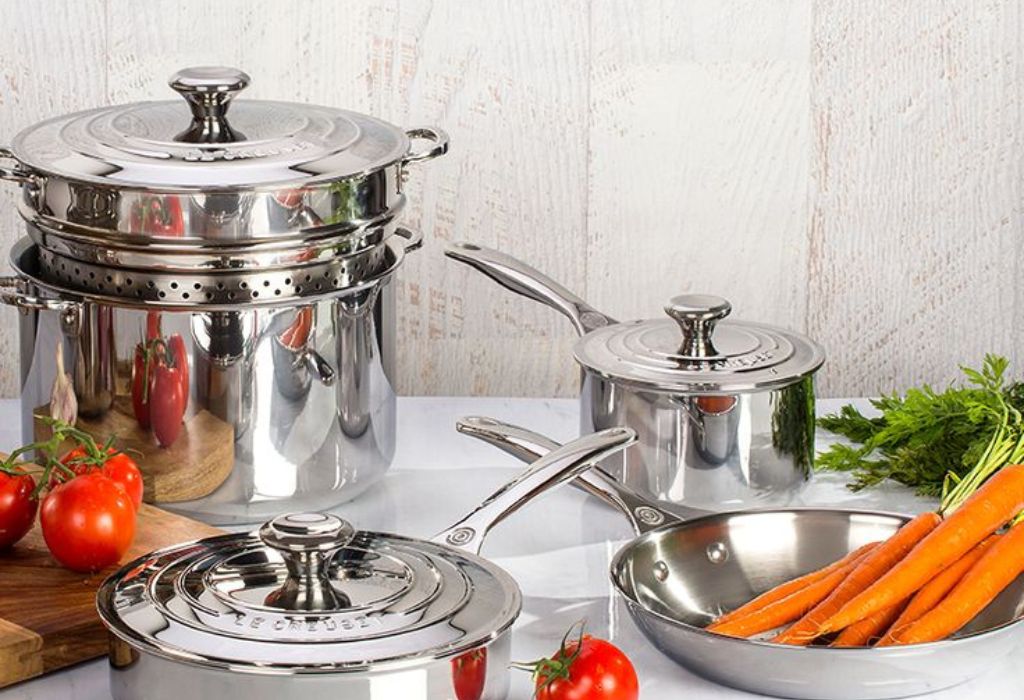
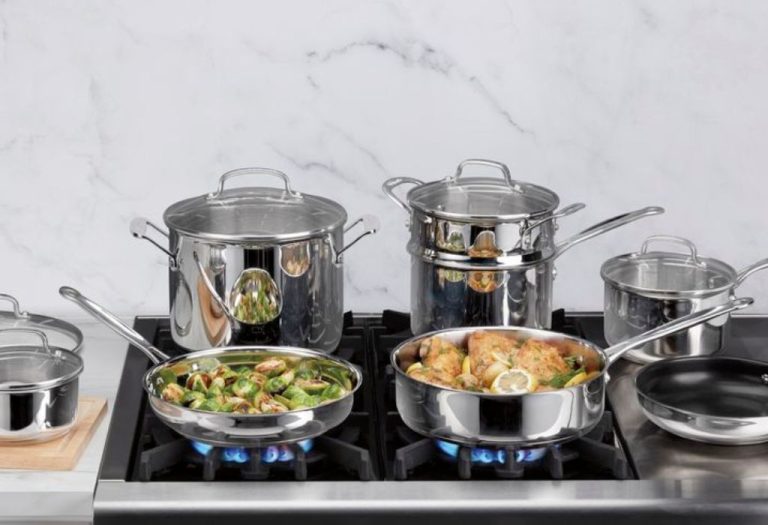
Encapsulated aluminum cookware is engineered with an aluminum core sandwiched between layers of stainless steel. This construction allows the cookware to deliver exceptional heat conductivity while maintaining a durable, non-reactive exterior.
The aluminum core ensures that heat spreads evenly across the cooking surface, eliminating hotspots that can burn or undercook food.
The stainless steel layers act as a protective barrier, preventing direct contact between aluminum and food. This design significantly reduces the risk of aluminum leaching, which is a common concern with traditional aluminum cookware.
By combining these materials, encapsulated aluminum cookware provides the performance benefits of aluminum without compromising safety or longevity.
Encapsulation also improves cookware stability and resistance to warping under high heat. Unlike pure aluminum pans, which can bend or deform over time, the stainless steel exterior maintains structural integrity even after years of regular use.
Additionally, this design enhances the pan’s aesthetic appeal and makes it compatible with various cooktops, including induction stoves.
Beyond durability and heat management, encapsulated aluminum cookware supports consistent cooking results. Recipes that require precise temperature control, such as sauces or delicate proteins, benefit from the even heat distribution.
Users can achieve better browning, searing, and overall cooking performance while minimizing the chance of food sticking or burning.
The combination of aluminum’s lightweight properties and stainless steel’s robustness also makes these pans easier to handle and maintain.
Cleaning is simplified, and many encapsulated aluminum pans are dishwasher safe, though gentle hand washing can extend their lifespan. Overall, the design addresses both functional and safety concerns, making it a practical choice for everyday cooking.
Health Considerations and Safety Concerns
Aluminum has long been associated with potential health risks, particularly when it comes into direct contact with acidic foods.
While traditional aluminum cookware can allow metal to leach into food, encapsulated aluminum cookware minimizes this risk through its stainless steel barrier.
This design ensures that the aluminum core remains isolated, reducing exposure to the metal during everyday cooking.
Studies have examined the effects of aluminum ingestion, noting that high levels may pose neurological concerns.
However, authoritative sources, including the Alzheimer’s Association, have stated that there is no conclusive evidence linking normal dietary aluminum exposure to Alzheimer’s disease (Alzheimer’s Association).
Encapsulated aluminum cookware, when intact and properly used, limits any potential leaching to levels far below those considered harmful.
Another factor affecting aluminum exposure is cookware damage. Scratched or worn surfaces can compromise the protective stainless steel layer, potentially increasing contact between food and aluminum. Regular inspection and careful handling help maintain the integrity of the cookware, ensuring it remains safe over time.
The type of food being cooked also matters. Acidic ingredients like tomatoes, citrus, and vinegar can accelerate aluminum leaching in uncoated pans.
With encapsulated designs, these acids rarely reach the aluminum core, making the cookware suitable for most recipes without compromising health.
Overall, encapsulated aluminum cookware offers a balance between cooking performance and safety. Its construction addresses the primary concerns of aluminum exposure while maintaining durability and ease of use.
Proper maintenance and mindful cooking practices further enhance its safety profile, making it a reliable choice for everyday kitchen use.
Expert Opinions on Encapsulated Aluminum Cookware
Food scientists and kitchen professionals largely agree that encapsulated aluminum cookware is safe for everyday use.
The stainless steel layers effectively prevent aluminum from coming into contact with food, reducing the risk of leaching while maintaining excellent cooking performance.
Experts note that this combination allows for both even heat distribution and durability, making it a practical option for home cooks and professional chefs alike.
Health professionals emphasize that the potential risks of aluminum exposure are minimal when using encapsulated cookware. They advise regular inspection for scratches or damage, as compromised surfaces may increase metal exposure.
Additionally, experts recommend avoiding extreme cooking conditions, such as prolonged use over very high heat, to preserve the integrity of the encapsulated layers.
Studies suggest that the amount of aluminum that could theoretically leach from properly maintained encapsulated cookware is negligible. Compared to uncoated aluminum, the risk is significantly lower, making it suitable for most recipes and cooking techniques.
The cookware’s design aligns with safety standards and modern kitchen practices, giving users confidence in its use.
Beyond safety, experts point out practical advantages, including ease of cleaning, compatibility with various heat sources, and consistent cooking results.
These benefits make encapsulated aluminum cookware a preferred choice for those seeking both performance and peace of mind.
Overall, expert opinions reinforce that encapsulated aluminum cookware provides a safe and reliable cooking solution. When used correctly, it balances efficiency, durability, and health considerations, making it an excellent addition to any kitchen.
Practical Tips for Safe Use
Maintaining encapsulated aluminum cookware properly ensures safety and extends its lifespan. Regular inspection for scratches, dents, or warping helps identify any issues that could compromise the stainless steel barrier.
Using appropriate utensils is essential to prevent surface damage. Wooden, silicone, or plastic tools reduce the risk of scratching compared to metal utensils.
This simple practice helps maintain the integrity of the encapsulation and minimizes any potential aluminum exposure.
Cleaning habits also impact cookware safety. While many encapsulated pans are dishwasher safe, hand washing with gentle dish soap preserves the stainless steel layers and prevents wear over time. Avoiding abrasive scrubbers ensures that the protective surfaces remain intact.
Cooking techniques can further enhance safety. Avoid prolonged cooking of highly acidic foods at very high temperatures, as this could stress the pan’s protective layers.
Proper preheating and even heat distribution help achieve optimal cooking results without compromising the cookware.
Replacing cookware when it shows significant wear is crucial. Deep scratches, warping, or peeling layers indicate that the protective barrier may be compromised.
Choosing high-quality encapsulated aluminum cookware and following recommended maintenance practices provides long-term safety and reliable performance.
By following these practical tips, cooks can enjoy the benefits of encapsulated aluminum cookware with confidence. Proper care ensures both safety and consistent cooking results for daily use.
Comparing Encapsulated Aluminum with Other Cookware Materials

Encapsulated aluminum cookware offers a balance between heat conductivity, durability, and safety that many other materials cannot match.
While stainless steel alone is highly durable and non-reactive, it does not conduct heat as efficiently as aluminum, which can lead to uneven cooking and hotspots.
Nonstick cookware provides convenience and easy cleanup but may release harmful chemicals if overheated.
Encapsulated aluminum cookware, especially with anodized surfaces, avoids this risk while still offering excellent cooking performance and even heat distribution.
Cast iron is another common alternative, prized for heat retention and durability. However, it is heavy, requires regular seasoning, and can react with acidic foods, which may alter flavor or color.
Encapsulated aluminum pans provide similar heat performance without the weight and maintenance demands of cast iron.
Copper cookware delivers exceptional thermal control but is expensive and often requires lining with stainless steel or tin for safety. Encapsulated aluminum provides comparable heat conductivity at a more affordable price point, making it accessible for everyday use.
Overall, encapsulated aluminum cookware combines the best qualities of various materials. It provides efficient heat transfer, durability, ease of maintenance, and safety, making it a versatile choice for both home cooks and professional kitchens.
Is encapsulated aluminum cookware safe for daily use?
Yes, it’s completely safe. The aluminum is sealed between layers of stainless steel, so it never touches food or leaches into it.
What is encapsulated aluminum cookware?
It’s cookware made with an aluminum core that’s fully enclosed in stainless steel. This design improves heat conduction while keeping food contact safe.
Does aluminum from encapsulated cookware leach into food?
No, the aluminum is fully sealed inside the stainless steel, preventing any metal from reacting with food.
Is encapsulated aluminum cookware durable?
Yes, it’s very durable. The stainless-steel layers protect the aluminum core from corrosion, warping, and damage.
Is encapsulated aluminum cookware non-toxic?
Yes, it’s non-toxic. The stainless-steel exterior is food-safe and non-reactive, even when cooking acidic foods.
Does this cookware heat evenly?
Yes, the aluminum core helps distribute heat quickly and evenly across the cooking surface, preventing hot spots.
Can I use encapsulated aluminum cookware on induction stoves?
Yes, as long as the outer layer is made from magnetic stainless steel. Most encapsulated designs are induction-compatible.
Is encapsulated aluminum cookware dishwasher safe?
Yes, it’s dishwasher safe, though hand-washing is recommended to maintain shine and prolong its lifespan.
Is it safe for high-heat cooking?
Yes, it can handle high temperatures without warping or releasing harmful substances, making it ideal for searing and frying.
Why is encapsulated aluminum cookware great for daily use?
It combines the best of both worlds—aluminum’s fast heating and stainless steel’s safety and durability—making it perfect for everyday home cooking.
Conclusion
Encapsulated aluminum cookware is a safe and practical option for daily cooking when properly maintained. Its stainless steel layers effectively prevent aluminum from leaching into food while providing excellent heat distribution and durability.
Health experts and food scientists agree that the risk of aluminum exposure from this type of cookware is minimal. Regular inspection, careful handling, and mindful cooking practices further enhance safety and ensure long-term reliability.
Compared to alternatives such as nonstick, cast iron, or pure stainless steel, encapsulated aluminum offers a balance of performance, safety, and convenience. Its lightweight design, even heating, and low maintenance make it suitable for a wide range of cooking techniques.
Choosing high-quality cookware and following proper usage guidelines ensures that meals remain safe, nutritious, and delicious. Incorporating these practices allows cooks to enjoy the benefits of encapsulated aluminum cookware with confidence.
For optimal kitchen safety and cooking performance, investing in well-made encapsulated aluminum cookware and maintaining it properly is the most effective approach. Daily use is not only safe but also efficient and reliable when these recommendations are followed.

I’m Emma J. Caldwell, the founder, lead writer, and home-cooking enthusiast behind KitchenGuideCo.com. With a background in culinary arts and over a decade of cooking experience in both professional and personal kitchens, I created this platform to demystify recipes, offer smart kitchen gadget reviews, and guide readers through meal prep with confidence and clarity.