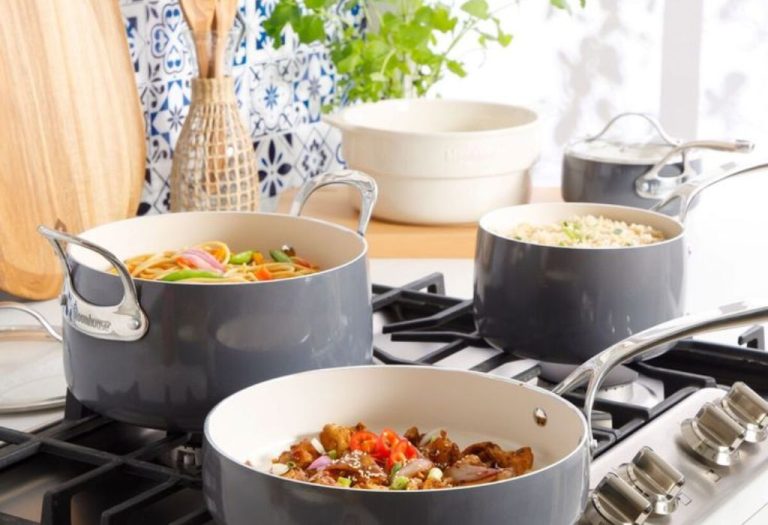
Every day, millions of people reach for their nonstick pans to cook meals quickly and effortlessly. Yet, many remain unaware of the hidden risks these seemingly convenient cookware pieces may carry.
Farberware nonstick cookware is a popular choice in kitchens worldwide, praised for its easy cleanup and even cooking. But is Farberware nonstick cookware safe for daily use, or could it pose health risks when overheated or scratched?
Studies have shown that overheating nonstick pans coated with PTFE can release fumes that may cause temporary flu-like symptoms in humans and can be fatal to birds (source). This raises curiosity about how Farberware ensures safety in its products and what precautions users should follow.
Beyond potential fumes, long-term exposure to degraded coatings has raised concerns about chemical ingestion over time. Understanding these risks is crucial for anyone who wants to cook safely without compromising convenience or health.
Nonstick cookware also offers undeniable benefits, including reduced oil usage, lighter weight, and faster cooking times. Balancing these advantages with safety precautions is essential to make informed choices in the kitchen.
Understanding Farberware Nonstick Cookware
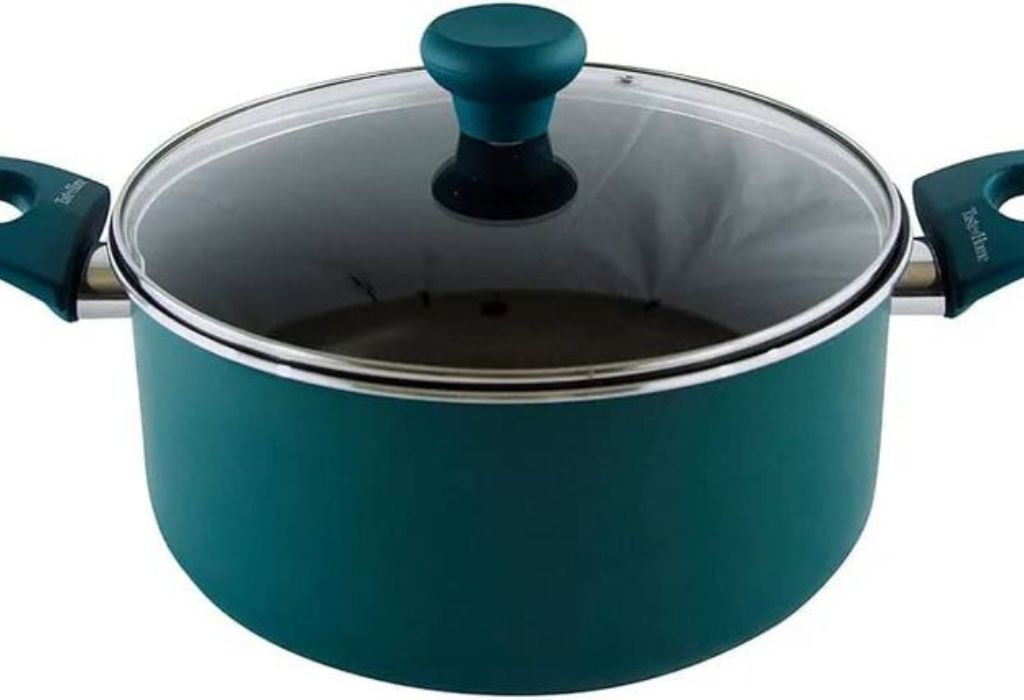
Farberware nonstick cookware is designed to simplify everyday cooking with a smooth, chemical-resistant surface. These pans typically feature a PTFE coating over an aluminum base, offering even heat distribution for consistent results.
Many Farberware product lines, such as Classic and Millennium, are marketed as lightweight and durable, making them suitable for a wide range of cooking tasks. Their nonstick surfaces reduce the need for excessive oil, supporting healthier meal preparation.
Safety certifications, including FDA compliance and PFOA-free labels, indicate that Farberware adheres to established chemical standards. These measures are intended to prevent harmful chemical exposure under typical cooking conditions and reassure consumers about the brand’s commitment to safety.
The coatings are engineered to tolerate common stovetop temperatures, though overheating can still pose risks if the pan is left empty on high heat. Users are advised to follow manufacturer guidelines to maintain the integrity of the nonstick surface and avoid damage.
Farberware also emphasizes maintenance practices to extend cookware life. Proper cleaning, storage, and careful utensil use help preserve the nonstick coating while minimizing chemical leaching and scratching.
Overall, Farberware nonstick cookware combines convenience, affordability, and safety features, making it a popular choice for households. Awareness of material properties, usage limitations, and care instructions is essential to ensure that these pans remain both effective and safe for daily cooking.
Potential Health Risks of Nonstick Cookware
Nonstick cookware is designed for convenience, but misuse can create safety concerns. Overheating PTFE-coated pans can release fumes that are harmful to humans and pets, particularly birds.
Research indicates that temperatures above 500°F (260°C) can begin breaking down PTFE, producing airborne compounds that may cause temporary flu-like symptoms in people (source). While rare, these incidents highlight the importance of monitoring cooking temperatures.
Scratched or worn coatings can accelerate chemical degradation over time. When the nonstick surface is damaged, tiny particles may mix with food, reducing the effectiveness of the coating and raising long-term safety concerns.
Acidic foods, such as tomato-based sauces, can interact with compromised coatings, potentially increasing chemical release. Users should avoid cooking highly acidic meals in heavily used or scratched pans to minimize exposure.
Despite these concerns, following recommended guidelines significantly reduces risk. Using medium or low heat, avoiding preheating empty pans, and replacing worn cookware are effective ways to maintain safety while enjoying nonstick convenience.
Proper knowledge of these risks allows consumers to make informed decisions and balance efficiency with health considerations. Farberware’s design features, combined with responsible use, provide a safer cooking experience for everyday meals.
Farberware’s Safety Measures and Consumer Guidance
Farberware has implemented multiple safety measures to ensure that its nonstick cookware remains reliable under everyday cooking conditions. All pans are PFOA-free and meet FDA standards, reducing the risk of chemical exposure when used correctly.
Thermal limits in the coatings help prevent overheating during typical stovetop use. While the pans can handle medium to moderate heat, users should avoid leaving empty cookware on high flames to prevent potential fumes from forming.
The brand emphasizes careful utensil selection to maintain the integrity of the nonstick surface. Wooden, silicone, or plastic utensils are recommended, as metal tools can scratch the coating, leading to reduced performance and potential safety issues over time.
Proper cleaning and storage are also vital for longevity and safety. Hand washing with non-abrasive sponges preserves the coating, while stacking pans without protective liners prevents scratches that could compromise the surface.
Farberware provides clear product instructions to guide consumers in safe usage. By following these recommendations, users can enjoy the benefits of nonstick cooking, including easy cleanup and reduced oil consumption, while minimizing risks associated with PTFE coatings.
Consistent adherence to safety guidelines ensures that Farberware nonstick cookware remains a convenient and worry-free option for everyday meal preparation. Awareness of usage limits and maintenance practices is key to maximizing both performance and safety.
Advantages of Farberware Nonstick Cookware
Farberware nonstick cookware offers several benefits that make it a popular choice in modern kitchens. The nonstick surface allows for easy food release, reducing the need for excessive cooking oil and supporting healthier meal preparation.
Lightweight design enhances maneuverability, making it easier to handle large or heavy dishes compared to traditional stainless steel or cast iron pans. This feature is especially useful for everyday cooking and quick meal preparation.
Even heat distribution across the pan surface ensures consistent cooking results. Farberware’s aluminum base and coating technology prevent hot spots, which helps reduce the risk of burning or unevenly cooked food.
The nonstick surface also simplifies cleanup, saving time and effort after cooking. Many pans are labeled dishwasher-safe, although gentle hand washing prolongs their lifespan and preserves coating integrity.
Affordable pricing makes Farberware a viable option for households seeking high-performance nonstick cookware without investing in premium brands. Consumers benefit from a combination of durability, convenience, and cost-effectiveness.
By understanding these advantages, users can see why Farberware nonstick cookware is widely trusted, while also appreciating the importance of following care and usage guidelines to maintain safety and performance over time.
Proper Care and Maintenance
Proper care is essential to preserve the performance and safety of Farberware nonstick cookware. Hand washing with mild detergent and a soft sponge helps maintain the integrity of the nonstick coating and prevents scratches.
Avoiding metal utensils is crucial, as they can damage the surface and reduce the pan’s lifespan. Wooden, silicone, or plastic utensils are recommended to ensure safe and effective cooking.
Storage practices also play a key role in prolonging cookware life. Stacking pans without protective liners or separators can cause scratches, so using pan protectors or storing them individually is advised.
Regular inspection of cookware surfaces can prevent safety concerns. Once the nonstick coating shows signs of flaking, peeling, or excessive wear, replacing the pan is recommended to avoid potential chemical exposure.
Maintaining proper heat levels during cooking is another important measure. Using medium or low heat instead of high flames reduces the risk of overheating and extends the functional life of the nonstick coating.
By following these simple care and maintenance guidelines, consumers can maximize the durability, safety, and convenience of Farberware nonstick cookware for everyday use.
Alternatives to Nonstick Cookware
While Farberware nonstick cookware offers convenience, some consumers may prefer alternative options for chemical-free cooking. Ceramic-coated pans are a popular choice, providing a smooth, nonstick-like surface without PTFE or PFOA chemicals.
Cast iron cookware is another safe alternative, offering durability, natural nonstick properties when properly seasoned, and added dietary iron. However, it requires regular maintenance and can be heavier and less convenient for everyday use.
Stainless steel pans provide a versatile and long-lasting option, ideal for searing and browning foods without coatings. They require more oil to prevent sticking and may take longer to clean, but they are highly resistant to scratches and chemical exposure.
Eco-friendly and chemical-free cookware options are gaining popularity among health-conscious consumers. Brands focusing on natural or recycled materials provide safe cooking surfaces while supporting sustainable practices.
Considering these alternatives allows consumers to balance convenience, safety, and personal cooking preferences. Selecting the right cookware depends on lifestyle, cooking habits, and the importance placed on chemical-free and durable materials.
Conclusion
Farberware nonstick cookware is generally safe when used according to manufacturer guidelines. Awareness of heat limits, proper utensils, and careful maintenance ensures both performance and safety in daily cooking.
The nonstick surface offers convenience, even heat distribution, and reduced oil usage, making it ideal for quick and healthy meal preparation. Balancing these benefits with safe usage practices maximizes the cookware’s lifespan and reliability.
Consumers should replace pans that show signs of wear, scratches, or flaking to prevent potential chemical exposure. Following simple precautions allows for worry-free cooking while enjoying the advantages of nonstick technology.
By understanding material properties, usage recommendations, and proper care, Farberware nonstick cookware can remain a convenient, safe, and trusted choice in kitchens worldwide.
Cooking with awareness ensures that every meal is both enjoyable and health-conscious. Choosing the right cookware and following safety guidelines empowers consumers to make informed decisions for their kitchens.

I’m Emma J. Caldwell, the founder, lead writer, and home-cooking enthusiast behind KitchenGuideCo.com. With a background in culinary arts and over a decade of cooking experience in both professional and personal kitchens, I created this platform to demystify recipes, offer smart kitchen gadget reviews, and guide readers through meal prep with confidence and clarity.