Cookware buyers often assume that granite-coated pans are naturally safe. The name suggests stone-like strength, but the reality is more complex.
Many shoppers discover later that the term “granite cookware” refers to enamel or nonstick coatings applied to metal. What lies beneath the surface determines safety more than the marketing label.
Confusion grows when brands highlight phrases like “PFOA-free” or “lead-free” without explaining what materials are actually used. Unclear labeling leaves cooks questioning whether granite cookware is safe for daily use.
The risks are not only about chemistry. Chipped enamel, scratched coatings, or overheated pans can all introduce hazards that compromise performance and safety.
At the same time, granite cookware offers benefits. Quality enamel or ceramic-like coatings are non-reactive, easy to clean, and often free from PFAS, a class of chemicals linked to environmental and health concerns.
A 2023 report by the U.S. Food and Drug Administration warned that some imported cookware contained unsafe levels of lead, showing why choosing verified brands is essential (FDA).
Another study found that consumer confusion around nonstick coatings is common, with many buyers unable to distinguish between PTFE-based and PFAS-free alternatives (Consumer Reports).
The benefit of understanding safety claims is clear. With the right knowledge, granite cookware can be used confidently for stovetop and oven cooking without unnecessary risk.
What “Granite Cookware” Actually Is
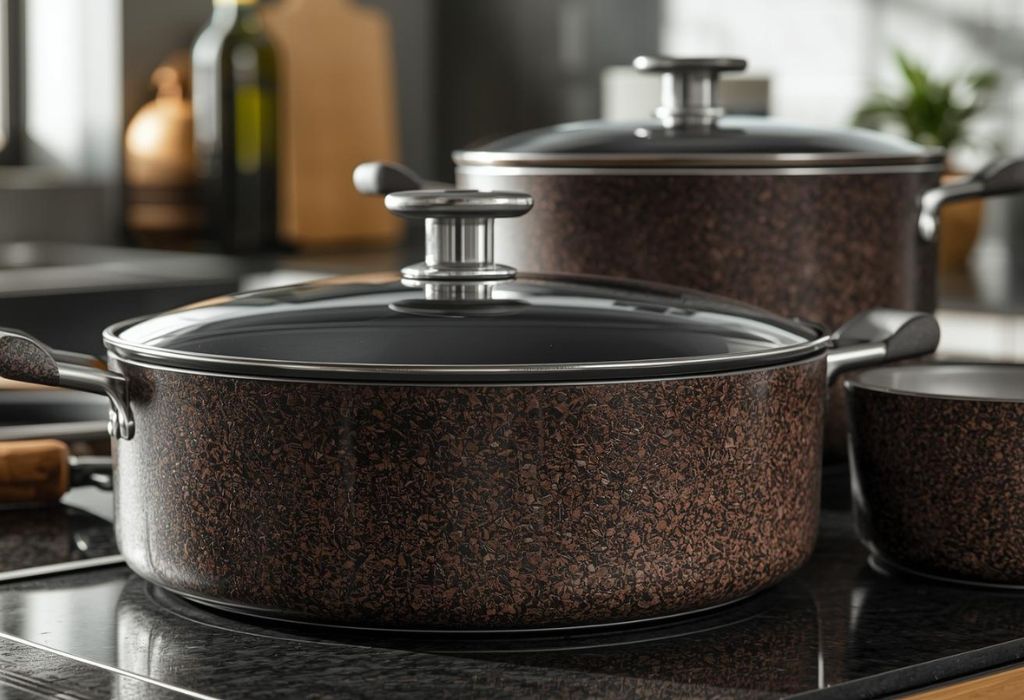
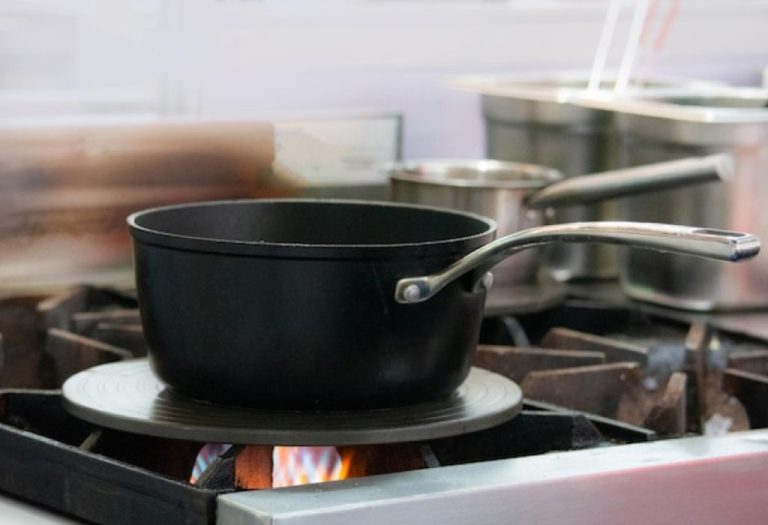
The term “granite cookware” suggests heavy stone pots, but the truth is very different. These products are usually metal pans coated with enamel, porcelain, or ceramic-like finishes designed to mimic granite.
The coating is typically fused to a steel or aluminum core. This makes the cookware lighter than actual stone and provides better heat conduction for everyday cooking.
Most reputable granite cookware is made with vitreous porcelain enamel. This surface is smooth, non-reactive, and resists rust when intact.
Some brands also market granite cookware as “ceramic nonstick.” While both styles feature speckled designs, the materials may differ. One pan might be porcelain enamel, while another could have a PFAS-free ceramic coating.
The confusion arises because the word “granite” is often used as a marketing term. Consumers need to look beyond the name to identify the actual materials used.
Understanding the structure helps explain safety and performance. Enamel coatings are generally safe at high oven temperatures, while cheaper pans may use PTFE coatings under the granite label.
These differences influence how the cookware should be handled. Enamel can chip if struck against hard surfaces, exposing the underlying metal to corrosion.
Meanwhile, nonstick versions marketed as granite may face limitations similar to Teflon, such as reduced safety at very high heat. This is why clear brand documentation is essential.
The base metal also matters. Aluminum cores heat quickly but can warp under thermal shock, while steel cores are heavier but more stable.
For most households, granite cookware offers attractive design and practical performance. The key is knowing what granite cookware actually means before trusting it for daily use.
Is granite cookware made of real granite?
No. It is enamel, porcelain, or ceramic-like coating over a metal base.
What metals are typically used under the coating?
Most pans have an aluminum or carbon steel core for heat conduction.
Is enamel coating safe for acidic foods?
Yes. Enamel is non-reactive and protects food from metallic flavors.
Are all granite pans free from PTFE or PFAS?
Not always. Some brands still use PTFE coatings, so labels must be checked.
Why does the term granite cause confusion?
It is mainly a marketing label and rarely indicates real stone content.
Is Granite Cookware Safe? Materials, Coatings, and Claims
The safety of granite cookware depends on what lies beneath its speckled surface. While the name suggests natural stone, the reality is that most granite cookware is either porcelain enamel fused to steel or a nonstick coating marketed with a granite design.
Enamel versions are generally considered safe. Porcelain enamel is inert, non-reactive, and free from PFAS chemicals like PTFE and PFOA when properly manufactured.
The problem arises because not all products labeled “granite cookware” are the same. Some use PTFE-based coatings that behave like traditional Teflon, while others advertise “PFAS-free” ceramic finishes.
This inconsistency makes careful brand research important. Transparent companies usually highlight certifications such as PFOA-free, lead-free, and cadmium-free to reassure buyers.
Lead and cadmium contamination are the most serious risks if coatings are poorly made. FDA warnings about unsafe imported cookware show why consumers should prioritize tested and compliant brands.
High heat presents another safety factor. PTFE-based granite coatings can degrade above 500°F, releasing fumes, while enamel coatings handle heat better but may chip if mishandled.
Marketing terms add confusion. Words like “non-toxic,” “eco-friendly,” or “stone-derived” may sound safe but do not always guarantee PFAS-free materials.
In general, granite cookware is safe when purchased from reputable brands and used within manufacturer guidelines. The biggest risks come from cheap, poorly regulated imports and misuse at extreme temperatures.
Is granite cookware safe if labeled PTFE/PFOA-free?
Yes, if the brand provides transparent testing, as enamel coatings are typically inert.
Can granite cookware still contain PFAS?
Yes, some pans marketed as granite use PTFE coatings, so reading specifications is critical.
What about lead or cadmium risks?
Trusted brands advertise lead- and cadmium-free enamel, but unverified imports can contain unsafe levels.
Is enamel safer than PTFE coatings at high heat?
Yes, enamel avoids off-gassing risks, though it may chip if dropped or overheated.
Does marketing always reflect actual safety?
No, terms like “eco” or “stone” are often marketing phrases and not guarantees of chemical safety.
High Heat and Oven Use — Realistic Limits

Many buyers ask whether granite cookware can handle the same heat as stainless steel or cast iron. The answer depends on the type of coating, the base metal, and the handle or lid materials.
Enamel-coated granite cookware generally tolerates higher oven temperatures than PTFE-based versions. Quality enamel fused to steel can often withstand temperatures up to 500–600°F when used without plastic parts.
By contrast, PTFE coatings used on some granite-branded pans degrade above 500°F. At those temperatures, PTFE can release fumes and shorten the life of the pan.
Handle materials are another limiting factor. Stainless steel or cast handles maintain high oven safety, but plastic, silicone, or Bakelite lowers safe oven use to around 350–400°F.
Glass lids are also a common weak point. While convenient for monitoring food, they often limit oven use because most tempered glass caps out at 350°F.
Broiling is especially risky. Only cookware explicitly rated as broiler-safe should ever be used under direct high heat, as many coatings and glass lids cannot withstand this environment.
Safe stovetop use also requires moderation. Medium or medium-high heat is sufficient for most cooking, while extreme heat should be avoided to protect the coating.
The safest practice is always to check manufacturer specifications. Granite cookware varies widely by brand, and oven-safe limits can differ dramatically between enamel and nonstick variants.
Is granite cookware safe for high heat searing?
It performs best on medium to medium-high heat; extreme temperatures may damage the coating.
What oven temperature is typical for granite cookware?
Most are safe between 350–500°F, with enamel versions sometimes reaching 600°F.
Can granite cookware go under the broiler?
Only if the manufacturer labels it broiler-safe; otherwise, it risks coating or lid damage.
Do lids and handles affect oven safety?
Yes, glass lids and plastic or silicone handles often lower the maximum oven temperature.
Why is checking brand specifications important?
Different manufacturers use different coatings and cores, so safety limits are not universal.
Risk Factors — Chipping, Leaching, and Misuse
Even the safest granite cookware can pose problems when misused. Damage, poor manufacturing, or extreme temperatures increase risks that buyers should understand.
Chipping is one of the most common issues. Enamel coatings can crack when struck, dropped, or scraped, exposing the metal core underneath.
Exposed steel or aluminum can react with acidic foods. Over time, this may affect flavor, cause staining, or raise concerns about metal transfer.
Low-quality imports present another hazard. The FDA has flagged certain cookware for containing unsafe levels of lead or cadmium in the enamel finish. This risk is highest in untested or uncertified products.
Overheating is also a factor. While enamel can tolerate higher heat than PTFE coatings, pushing cookware past its rated limit may cause surface damage, discoloration, or stress cracks.
Scratches from utensils add to the problem. Metal tools can weaken enamel or nonstick granite coatings, increasing the chance of flakes mixing with food.
Thermal shock is another hidden risk. Moving pans directly from stovetop burners to cold water can cause sudden contraction, leading to cracks in the enamel layer.
All of these risks highlight why safe practices and brand reputation matter. A granite pan can last for years, but only when used within its limits and replaced when coatings show clear damage.
Is a chipped granite pan still safe to use?
Not if the underlying metal is exposed, as this can react with food.
Can granite cookware leach heavy metals?
Yes, if the enamel contains lead or cadmium, which is why certified brands are safer.
Does overheating cause safety concerns?
Yes, extreme heat can crack enamel, degrade coatings, and shorten the pan’s lifespan.
Are scratches from utensils dangerous?
They may allow coating particles to flake off and should be avoided with silicone or wooden tools.
Why is thermal shock a problem?
Rapid cooling causes stress fractures in the enamel, making the cookware unsafe over time.
How to Vet a “Granite” Pan Before Buying

Granite cookware can be safe, but not every pan sold under that label meets the same standards. Careful vetting is the best way to avoid unsafe coatings, hidden chemicals, or poor durability.
The first step is checking product labeling. Reputable manufacturers clearly state that their cookware is PFAS-free, PTFE-free, and free from heavy metals like lead or cadmium.
If the description uses vague terms such as “eco-friendly” or “stone-derived,” treat this as a red flag. Marketing phrases are not a guarantee of chemical safety.
Third-party certifications provide stronger reassurance. Brands that advertise compliance with FDA or Prop 65 standards are more reliable than those making unverified claims.
Manufacturer websites often publish detailed FAQs. These resources should confirm whether the cookware is enamel-coated or nonstick PTFE, as well as the maximum oven-safe temperature.
Reviews from trusted sources also help. Independent product testers often reveal whether marketing aligns with real-world performance and safety.
Price can be another clue. Extremely low-cost granite cookware may save money upfront but often skips safety testing and uses cheaper, riskier coatings.
Always research the brand reputation. Established companies with long histories in enamel cookware are generally safer choices than unknown imports with little transparency.
By combining label checks, certifications, and brand research, buyers can separate safe granite cookware from misleading products. This due diligence ensures both safety and long-term performance.
Which labels are most important to look for?
PFAS-free, PTFE-free, PFOA-free, lead-free, cadmium-free, and oven-safe temperature ratings.
What documentation should manufacturers provide?
Clear FAQs or spec sheets describing the coating type, core material, and compliance with safety standards.
What if the brand uses vague marketing claims?
Treat vague phrases as warnings and look for companies offering transparent safety details.
Is third-party testing necessary?
Yes, certifications or independent lab results provide the strongest safety assurance.
Are premium brands worth the extra cost?
Yes, established enamel cookware makers offer safer materials, better warranties, and more reliable performance.
Using Granite Cookware Safely (Stovetop → Oven)
Granite cookware can be safe and effective when used with care. Following proper practices helps prevent coating damage and extends the lifespan of the pan.
The most important rule is to cook on medium or medium-high heat. Extreme temperatures can stress enamel coatings and cause PTFE-based granite pans to degrade more quickly.
Always preheat the pan before adding oil. This step helps reduce sticking and ensures more even cooking across the surface.
Oil should be added after preheating, not before. Allowing oil to heat too long without food may cause it to smoke and leave stubborn stains.
Utensil choice also affects safety. Wooden, silicone, or nylon tools protect the coating, while sharp or metal utensils risk scratches and chips.
Granite cookware can be moved into the oven, but limits vary by brand. Always check maximum oven-safe temperatures, especially if handles or lids are plastic or glass.
When using lids, confirm that they are oven-rated. Tempered glass often has lower limits, sometimes as low as 350°F.
Avoid rapid temperature changes. Moving a hot granite pan directly into cold water or a freezer can cause thermal shock and crack the enamel.
These precautions make granite cookware safe for everyday use. Respecting the material’s boundaries ensures reliable performance and prevents premature wear.
What heat level is best for granite cookware?
Medium to medium-high heat protects the coating and ensures consistent cooking.
Should oil be added before or after preheating?
Add oil after preheating the pan to prevent smoking and sticky residue.
Can granite cookware go in the oven?
Yes, but only within manufacturer temperature limits, which vary by brand and handle material.
Are metal utensils safe to use on granite cookware?
No, metal tools can scratch or chip the surface; silicone or wood is safer.
Why is avoiding thermal shock important?
Sudden temperature changes can crack enamel or weaken the nonstick surface.
Cleaning and Maintenance to Extend Lifespan

Granite cookware can last for many years, but only with proper care. Cleaning and maintenance practices are critical for preserving both safety and performance.
Always let the pan cool before washing. Exposing hot cookware to cold water can cause thermal shock and crack enamel coatings.
Hand washing is recommended even if the label says dishwasher-safe. Dishwashers expose pans to harsh detergents and high heat that may weaken protective layers over time.
Use mild soap and warm water for daily cleaning. Soft sponges or cloths are best because they avoid scratching the coating.
For stuck-on food, soak the pan in warm water before cleaning. Gentle scrubbing with baking soda paste helps loosen residue without damaging the surface.
Vinegar is useful for removing mineral deposits or water spots. It restores shine and keeps the coating smooth.
Avoid abrasive pads, steel wool, or harsh chemical cleaners. These can scratch enamel and expose the metal core underneath.
Utensils also matter for maintenance. Consistently using wooden or silicone tools prevents scratches that shorten the lifespan of the coating.
Storage is another important step. Nesting cookware without protection can chip enamel, so placing cloth or felt pads between pans helps prevent damage.
By following these care habits, granite cookware retains its appearance, cooks evenly, and remains safe for long-term use.
How should granite cookware be cleaned daily?
Wash with warm water, mild soap, and a soft sponge to protect the surface.
What is the best way to handle stubborn residue?
Soak the pan, then use baking soda paste or gentle scrubbing to lift residue.
Can vinegar be used on granite cookware?
Yes, vinegar removes water spots and discoloration without harming the enamel.
Are dishwashers safe for granite cookware?
While some pans are labeled dishwasher-safe, hand washing is recommended for longer life.
How should granite cookware be stored properly?
Dry thoroughly and separate stacked pans with pads or cloth to prevent chipping.
Comparisons — Granite vs PTFE, Ceramic, Stainless, and Cast Iron
Granite cookware is often compared with other popular materials. Each has unique advantages and trade-offs that influence safety, performance, and durability.
Compared with PTFE-based nonstick, granite enamel avoids the risk of chemical fumes at high temperatures. PTFE coatings start to degrade above 500°F, while enamel surfaces remain stable when used correctly.
Ceramic nonstick is another alternative. Like granite enamel, it is usually PFAS-free and marketed as eco-friendly. However, ceramic coatings may wear down faster, losing nonstick ability within a few years.
Stainless steel offers unmatched durability. Unlike granite or ceramic, stainless steel has no coating to chip, though it requires proper technique to prevent sticking.
Cast iron provides excellent heat retention and natural nonstick seasoning. However, it is heavier, requires ongoing maintenance, and may react with acidic foods if seasoning is damaged.
Granite cookware sits between these options. It offers better chemical safety than PTFE, easier care than cast iron, and lighter weight compared to stainless steel.
Still, granite coatings do not last forever. Once chipped or scratched, the cookware must be replaced, while stainless steel or cast iron can last for decades.
The choice depends on cooking style. For moderate heat and easy cleanup, granite works well. For heavy searing, oven broiling, or long-term durability, stainless or cast iron may be the better investment.
How does granite compare to PTFE nonstick?
Granite avoids PTFE fumes at high heat but may chip, while PTFE is smooth but degrades above 500°F.
Is granite cookware better than ceramic?
Both are PFAS-free, but ceramic often loses nonstick performance faster than enamel granite.
How does granite differ from stainless steel?
Granite offers nonstick convenience, while stainless provides unmatched durability without coatings.
Is granite safer than cast iron?
Granite is non-reactive with acidic foods, while cast iron can react unless seasoned properly.
Which cookware lasts the longest?
Stainless steel and cast iron last for decades, while granite and ceramic coatings eventually wear out.
Who Should Choose Granite Cookware?

Granite cookware appeals to many households because of its balance between safety and convenience. However, it is not the right choice for every cooking style.
This type of cookware is best suited for families who want an easy-to-clean, PFAS-free surface. Enamel or ceramic-like coatings are generally non-reactive, making them safe for cooking with acidic foods like tomatoes or citrus.
Busy home cooks often appreciate granite pans for everyday meals. Dishes such as eggs, pancakes, stir-fries, and sautéed vegetables release easily from the surface with minimal oil.
Granite cookware also works well for light to moderate oven use. Most enamel-coated models handle baking or roasting within brand-stated limits, making them versatile for one-pot meals.
Those who value attractive design may also prefer granite cookware. Its speckled finish often complements modern kitchens and offers a lighter weight alternative to cast iron.
On the other hand, high-heat enthusiasts may find granite cookware limiting. It is not ideal for repeated searing at extreme temperatures or for broiling, unless specifically rated for such use.
Granite pans are also not the best long-term investment for heavy daily cooking. Once coatings chip or wear, the cookware must be replaced, unlike stainless steel or cast iron which can last decades.
Overall, granite cookware is a safe and practical choice for moderate cooking needs. It offers convenience and chemical safety, provided users respect its limitations.
What foods are best cooked in granite cookware?
Eggs, pancakes, vegetables, and light sautés perform well on its nonstick surface.
Is granite cookware good for searing meat?
It can handle medium-high searing but is not recommended for extreme high heat.
Should families choose granite cookware?
Yes, especially if looking for PFAS-free, non-reactive, and easy-to-clean pans.
Who should avoid granite cookware?
Cooks who frequently broil, use very high heat, or want decades-long durability.
What alternatives work better for heavy cooking?
Stainless steel, carbon steel, or cast iron provide stronger performance and lifespan.
Conclusion
Granite cookware raises an important question for modern kitchens: is granite cookware safe? The answer depends on construction, coating quality, and how the pans are used.
Most products marketed as granite cookware are not made from stone. They are enamel, porcelain, or ceramic-like coatings applied to metal bases such as steel or aluminum. This makes them lighter and easier to handle than actual stone while still offering durability.
Safety largely depends on the type of coating. Enamel versions are generally PFAS-free, non-reactive, and safe for acidic foods. PTFE-based granite pans, however, should be kept below 500°F to avoid chemical breakdown.
High-quality brands often state that their cookware is free from lead and cadmium. These certifications are essential because poorly made imports have been linked to unsafe heavy metal levels.
Heat management plays a major role in both safety and performance. Medium to medium-high stovetop settings are best, while oven use should always stay within the manufacturer’s temperature limits. Plastic handles or glass lids often lower safe oven ranges, making it vital to check product specifications.
Longevity is another consideration. Granite cookware offers convenience and nonstick ease, but coatings do not last forever. Once chipped, scratched, or cracked, the cookware should be replaced to avoid exposing the underlying metal.
Compared with other options, granite cookware is safer at high heat than PTFE, easier to care for than cast iron, and lighter than stainless steel. Still, it cannot match the decades-long durability of stainless or cast iron.
The takeaway is that granite cookware is safe when chosen wisely and used correctly. Look for PFAS-free, lead-free, and cadmium-free labels, follow oven temperature guidelines, and avoid metal utensils or harsh cleaning methods.
For families who value chemical safety, easy cleanup, and everyday cooking convenience, granite cookware can be a smart choice. For chefs who need heavy searing, broiling, or long-term investment cookware, stainless steel or cast iron may be the better path.
With informed decisions, granite cookware can be used confidently and safely, helping households enjoy versatile cooking without unnecessary risk.

I’m Emma J. Caldwell, the founder, lead writer, and home-cooking enthusiast behind KitchenGuideCo.com. With a background in culinary arts and over a decade of cooking experience in both professional and personal kitchens, I created this platform to demystify recipes, offer smart kitchen gadget reviews, and guide readers through meal prep with confidence and clarity.