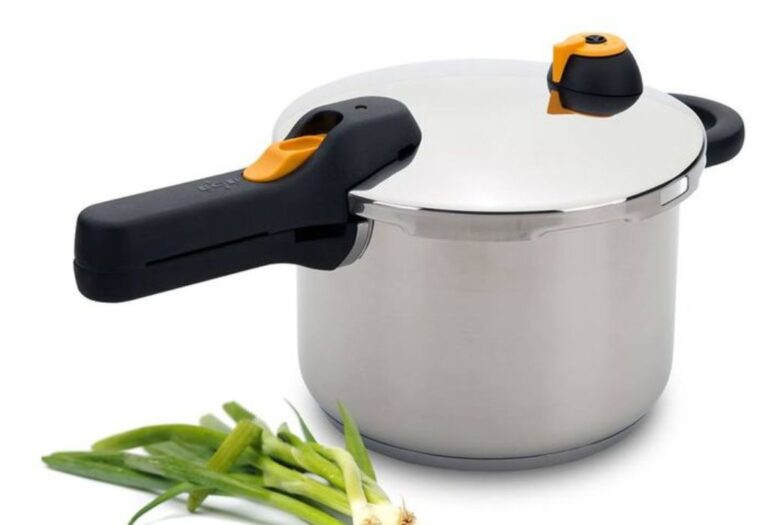
Non-stick cookware has become a staple in modern kitchens, offering convenience and easy cleanup. However, concerns about the chemicals used in these pans have made many consumers question their safety.
PTFE (Polytetrafluoroethylene) and PFOA (Perfluorooctanoic acid) are chemicals commonly found in traditional non-stick coatings. Overheating PTFE can release toxic fumes, and PFOA has been linked to environmental persistence and potential health risks (source).
Hard anodized cookware is often marketed as a safer alternative, providing durability and non-stick performance without the same chemical concerns.
Questions like “is hard anodized cookware PTFE and PFOA free” have become common among health-conscious cooks seeking cookware that is both safe and efficient.
Choosing the right cookware can reduce exposure to potentially harmful chemicals while still maintaining the convenience of non-stick cooking.
According to the FDA, certain cookware recalls have occurred due to lead contamination, underscoring the importance of selecting safe materials for everyday cooking (source).
What Is Hard Anodized Cookware?
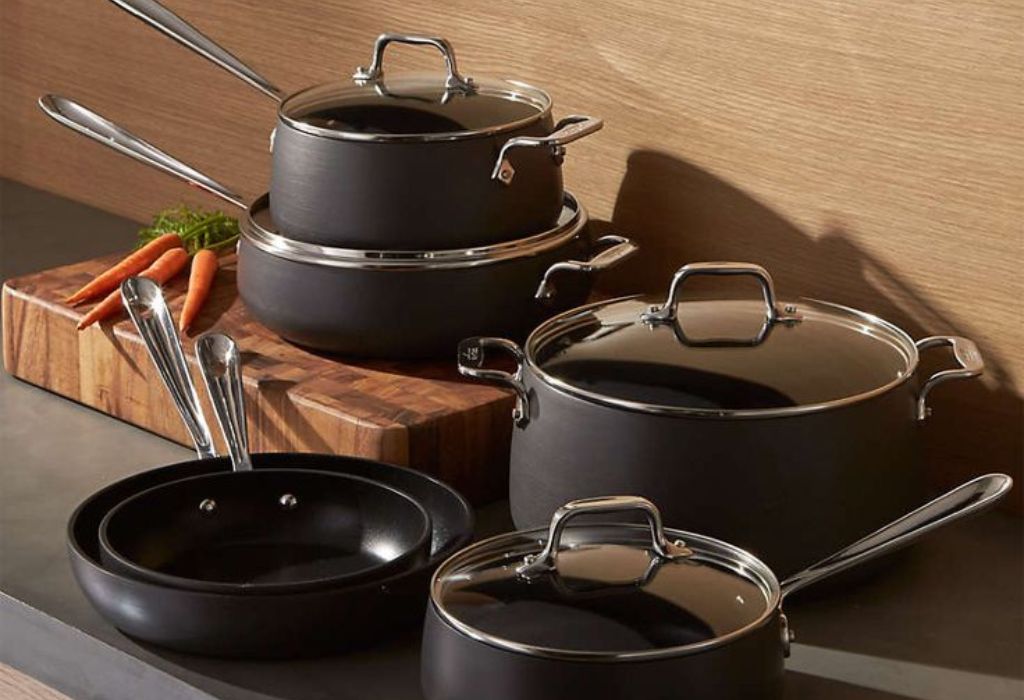
Hard anodized cookware is aluminum cookware that has undergone an electrochemical process called anodization, which thickens the natural oxide layer on the metal’s surface.
This treatment produces a durable, non-reactive, and corrosion-resistant surface that is harder than stainless steel, making the cookware long-lasting and resistant to scratches and warping.
The anodization process not only enhances durability but also improves heat distribution across the cookware. Even heat helps prevent hotspots, allowing food to cook uniformly and reducing the risk of burning or sticking.
These properties make hard anodized pans suitable for a wide range of cooking techniques, from sautéing vegetables to searing proteins.
One of the primary advantages of hard anodized cookware is its compatibility with non-stick coatings.
Many manufacturers apply PTFE-free or PFOA-free non-stick layers over the anodized aluminum to create pans that combine easy food release with the strength and stability of hard anodization.
This combination allows consumers to enjoy non-stick convenience without compromising durability.
Hard anodized cookware also often features ergonomic handles, tempered glass lids, and other user-friendly designs to enhance safety and convenience.
The combination of durable construction, even heat distribution, and optional non-stick coatings makes it a preferred choice for both home cooks and professional chefs.
Popular brands offering hard anodized cookware include Calphalon, T-fal, and Gotham Steel, among others. Each brand may use slightly different anodization techniques and coatings, but the core benefits of durability, heat efficiency, and chemical safety remain consistent.
Understanding the characteristics and advantages of hard anodized cookware helps consumers make informed choices when selecting high-quality kitchen tools.
Is Hard Anodized Cookware PTFE and PFOA Free?
Hard anodized cookware is often marketed as a safer non-stick option, but it is important to understand its chemical composition. By itself, the anodization process does not involve PTFE or PFOA, meaning the aluminum base is naturally free from these synthetic chemicals.
Many hard anodized pans are sold with additional non-stick coatings. In some cases, these coatings are PTFE-based, while others are PTFE- and PFOA-free ceramic or mineral-infused layers. Consumers should check product specifications to confirm the type of coating applied to ensure safety.
Because PTFE can release toxic fumes at high temperatures and PFOA has been linked to environmental persistence and health concerns, knowing whether cookware is free from these chemicals is crucial.
Hard anodized pans with PTFE-free, PFOA-free coatings provide a safer alternative for everyday cooking, minimizing exposure to potentially harmful substances (source).
Even without additional coatings, hard anodized aluminum is non-reactive, preventing metals from leaching into food. This makes it suitable for acidic ingredients like tomato sauce or citrus, which can react with untreated aluminum cookware.
Overall, while hard anodized cookware is inherently free from PTFE and PFOA, the final safety depends on the specific coating applied. Consumers should verify manufacturer claims and choose cookware labeled PTFE-free and PFOA-free to ensure chemical safety.
Understanding these factors allows for informed decisions that prioritize health without sacrificing performance or durability.
Health and Safety Considerations of Hard Anodized Cookware
Hard anodized cookware is generally considered safe for everyday cooking when used correctly. The anodization process creates a hard, non-reactive surface that prevents chemicals from leaching into food, reducing potential health risks compared to untreated aluminum pans.
One of the primary health concerns with cookware is exposure to PTFE and PFOA. PTFE coatings can release toxic fumes if overheated, while PFOA has been linked to environmental and health issues.
Choosing hard anodized cookware with PTFE- and PFOA-free coatings minimizes these risks, offering peace of mind for health-conscious consumers (source).
Hard anodized pans also provide non-reactive surfaces, making them safe for cooking acidic ingredients such as tomatoes or lemon juice. This non-reactivity prevents metallic taste transfer and potential ingestion of aluminum, which can occur with untreated aluminum cookware.
Proper usage is essential for maintaining safety and performance. Avoid overheating, use silicone or wooden utensils to prevent scratches, and clean the pans with mild detergents and non-abrasive sponges. These precautions preserve both the non-stick coating and the integrity of the anodized surface.
Reputable brands adhere to regulatory safety standards, ensuring that hard anodized cookware meets guidelines for chemical exposure and material safety. Consumers should always check for product certifications and labels indicating PTFE- and PFOA-free status.
Overall, hard anodized cookware provides a combination of durability, heat efficiency, and chemical safety. By selecting PTFE- and PFOA-free options and following proper care instructions, cooks can enjoy a healthier, safer, and more reliable cooking experience.
Comparing Hard Anodized Cookware to Other Non-Stick Options
When selecting non-stick cookware, it is important to understand how hard anodized pans compare to other types.
Traditional PTFE-coated pans provide excellent non-stick performance, but they carry potential risks if overheated.
Hard anodized cookware, especially when combined with PTFE- and PFOA-free coatings, offers a safer alternative without sacrificing convenience.
Ceramic-coated cookware is a popular PTFE-free option. These pans provide non-stick performance while avoiding synthetic chemicals.
However, ceramic coatings may wear out faster and are often more susceptible to chipping compared to reinforced hard anodized surfaces (source).
Cast iron is highly durable and retains heat exceptionally well. Properly seasoned cast iron offers natural non-stick properties but requires regular maintenance and is heavier than hard anodized pans.
While it excels at high-heat cooking, it does not offer the same ease of use and low-fat cooking convenience as non-stick hard anodized cookware.
Stainless steel is another alternative. It is extremely durable and non-reactive but lacks non-stick properties, often requiring additional fats or oils for cooking. While stainless steel ensures long-lasting performance and safety, it may not provide the same effortless food release as hard anodized non-stick options.
Overall, hard anodized cookware strikes a balance between safety, durability, and convenience. It provides even heat distribution, chemical safety, and ease of cleaning while addressing many of the limitations associated with other non-stick alternatives.
Consumers can make informed choices based on their cooking style, maintenance preferences, and health priorities.
Consumer Reviews and Brand Comparisons
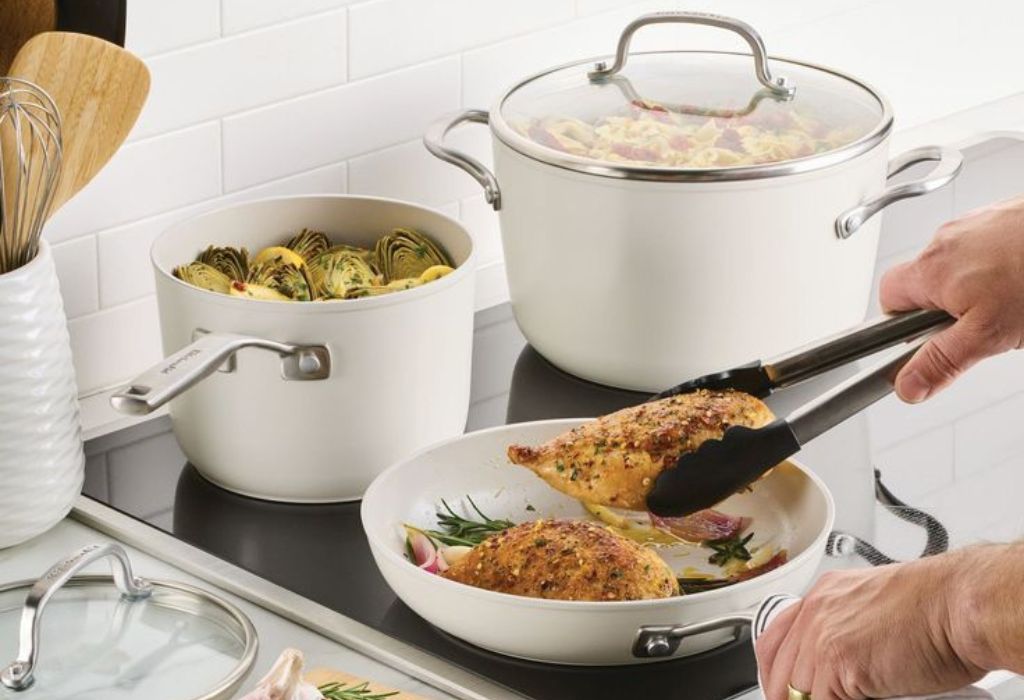
Consumer feedback provides valuable insight into the real-world performance of hard anodized cookware. Many users praise these pans for their durability, even heat distribution, and ease of cleaning. High ratings often highlight the long-lasting non-stick properties, especially in PTFE- and PFOA-free models.
Calphalon is a widely recognized brand offering hard anodized cookware. Consumers appreciate its consistent heat retention and scratch-resistant surfaces. Reviews note that the pans maintain their performance over years of regular use, making them a reliable investment for home kitchens.
T-fal is another popular manufacturer, known for its affordable hard anodized pans. While some models include PTFE coatings, the brand emphasizes safety and durability.
User reviews often highlight ease of cleaning and good value for the price, although some note that over time the non-stick layer may show wear.
Gotham Steel and GreenPan offer hard anodized cookware with ceramic or mineral-infused coatings. These pans are PTFE- and PFOA-free, appealing to health-conscious consumers.
Reviews frequently mention excellent non-stick performance and chemical safety, though some users report that ceramic coatings require gentle cleaning to avoid scratches.
Comparing brands helps consumers understand the trade-offs between durability, safety, and non-stick performance. While all these options provide high-quality cookware, the choice often depends on personal priorities, including chemical safety, budget, and ease of maintenance.
Overall, consumer reviews reinforce that hard anodized cookware is a practical choice for those seeking a balance of performance, safety, and long-term usability. Selecting reputable brands ensures that buyers can trust the cookware to meet their cooking needs while minimizing chemical exposure.
Conclusion
Hard anodized cookware offers a combination of durability, even heat distribution, and chemical safety, making it a reliable choice for modern kitchens. Understanding its composition, particularly its PTFE- and PFOA-free status, allows consumers to make informed and health-conscious decisions.
Proper usage and maintenance are critical to preserving the non-stick surface and extending the lifespan of the cookware. Following guidelines for temperature control, utensil choice, and cleaning ensures safe and effective cooking over time.
Reputable brands such as Calphalon, T-fal, Gotham Steel, and GreenPan provide options that balance non-stick performance with safety.
Selecting a trusted brand and confirming that the cookware is PTFE- and PFOA-free ensures minimal exposure to harmful chemicals while maintaining convenience.
Comparisons with other non-stick options, including ceramic, stainless steel, and cast iron, highlight the advantages of hard anodized cookware in terms of durability, safety, and ease of use. Consumers can evaluate trade-offs based on their cooking habits, budget, and health priorities.
Explore hard anodized cookware to find the best fit for your kitchen. Prioritize safety, performance, and convenience by choosing high-quality pans designed for long-term, healthy cooking experiences.

I’m Emma J. Caldwell, the founder, lead writer, and home-cooking enthusiast behind KitchenGuideCo.com. With a background in culinary arts and over a decade of cooking experience in both professional and personal kitchens, I created this platform to demystify recipes, offer smart kitchen gadget reviews, and guide readers through meal prep with confidence and clarity.