Choosing the right cookware can be overwhelming with so many materials and brands claiming durability, non-stick performance, and safety.
One question that frequently arises is: Is hard anodized cookware safer than Teflon? Understanding the difference is essential for anyone concerned about health, longevity, and cooking efficiency.
Teflon has long been popular for its convenience and non-stick properties, allowing food to cook without sticking and making cleanup easier.
However, overheating Teflon-coated pans above 500°F (260°C) can release fumes that may be harmful, raising safety concerns for health-conscious consumers (source).
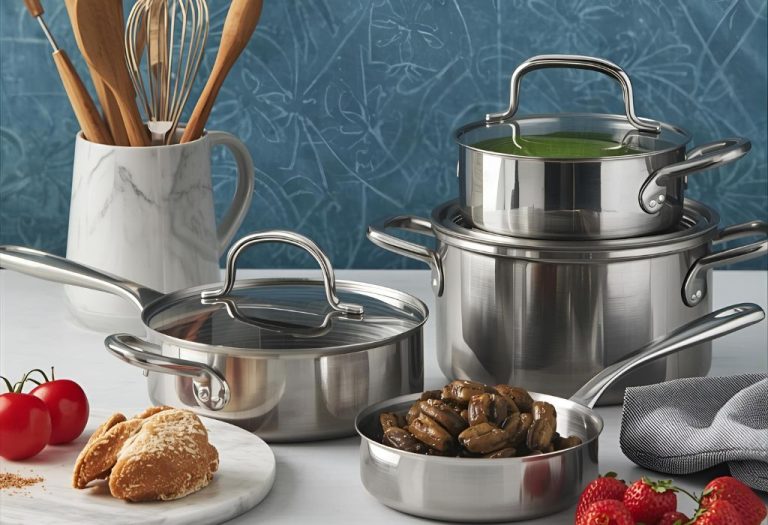
Hard anodized cookware offers an alternative, combining durability with a naturally non-stick surface without relying on PTFE or PFOA. These pans resist scratches, corrosion, and warping, providing long-lasting performance even with frequent use.
Research indicates that investing in high-quality cookware can reduce replacement costs by up to 30% over five years compared to lower-quality options (source).
What Is Hard Anodized Cookware?
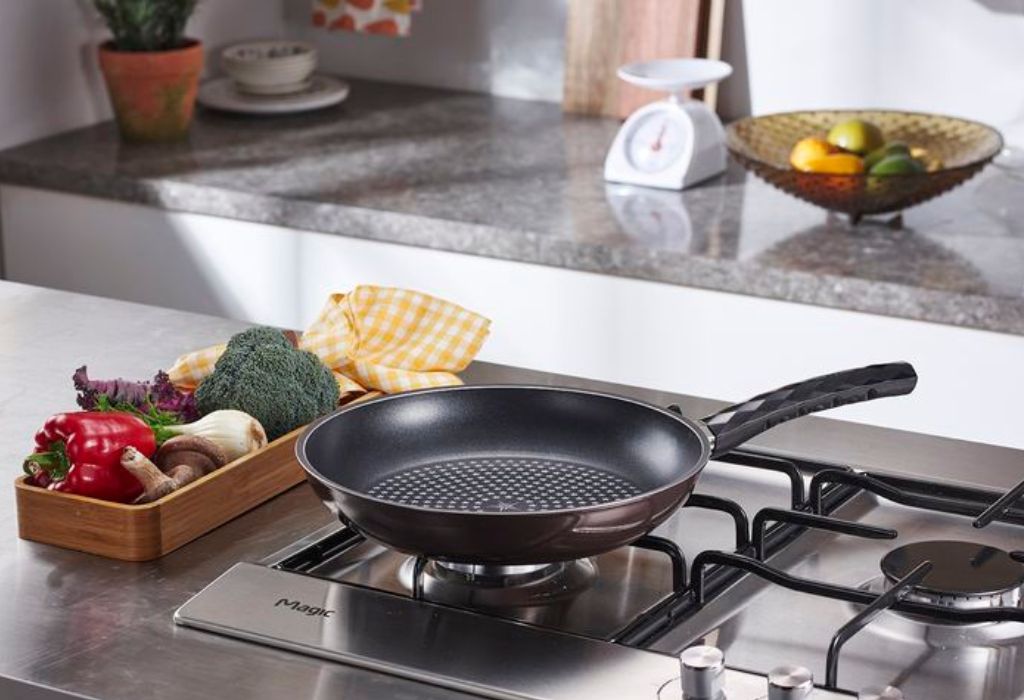
Hard anodized cookware is made by treating aluminum through an electrochemical process that strengthens and hardens its surface. This creates a dense, non-reactive layer that is resistant to scratches, corrosion, and warping.
Unlike standard aluminum pans, hard anodized cookware provides even heat distribution, reducing hot spots and ensuring food cooks uniformly. Its naturally semi-non-stick surface allows for healthier cooking with less oil or fat.
The durability of hard anodized cookware makes it a long-lasting investment for the kitchen. It can withstand frequent use, resist metal utensil wear, and maintain performance over time, unlike many traditional non-stick options.
Hard anodized cookware is compatible with various cooking methods, including stovetop, oven, and induction in some cases. This versatility, combined with its durability, makes it a preferred choice for both home cooks and professional chefs.
By understanding what hard anodized cookware is and how it performs, consumers can better evaluate whether it is a safer and more reliable alternative to Teflon-based non-stick pans.
Its combination of strength, even heat distribution, and moderate non-stick performance sets it apart in the cookware market.
Understanding Teflon and Its Role in Cookware
Teflon, also known as PTFE or polytetrafluoroethylene, is a synthetic polymer widely used for its non-stick properties. It allows food to cook without sticking and makes cleaning easier, reducing the need for excess oils or fats.
The coating is typically applied to metal surfaces such as aluminum or stainless steel to create a smooth, non-reactive layer. This ensures delicate foods like eggs, pancakes, and fish cook evenly without tearing.
Teflon is popular for its convenience, allowing home cooks and professionals to prepare meals quickly while minimizing cleanup time. However, safety concerns arise when Teflon is overheated above 500°F (260°C), potentially releasing fumes that may cause polymer fume fever (source).
Despite these risks, Teflon remains widely used due to its effective non-stick performance. Manufacturers sometimes combine PTFE with reinforced surfaces or ceramic coatings to improve durability and reduce safety concerns.
Understanding Teflon’s properties provides context when comparing it to hard anodized cookware. While Teflon focuses on easy food release, hard anodized surfaces emphasize durability, even heat distribution, and long-term reliability.
Knowing these differences helps consumers choose cookware that balances convenience, safety, and longevity.
Safety Comparison: Hard Anodized vs Teflon
Hard anodized cookware is naturally non-stick and free from PTFE and PFOA, eliminating the risks associated with overheated Teflon coatings. Its non-reactive surface ensures that no harmful chemicals leach into food during regular cooking.
Teflon provides convenience and easy food release, but improper use or overheating can release toxic fumes. High-heat cooking above 500°F (260°C) may degrade the coating and pose potential health risks.
Hard anodized pans allow safe high-heat cooking and are resistant to scratching and corrosion. This durability makes them safer for long-term use, especially for cooking methods that require searing or browning.
By comparing both, it becomes clear that hard anodized cookware offers a safer alternative while still providing moderate non-stick performance. Consumers benefit from understanding the health implications, durability, and maintenance requirements of each material.
Understanding these safety differences allows home cooks to make informed choices. Hard anodized cookware combines reliability, high-heat tolerance, and chemical-free surfaces, making it a practical option for health-conscious kitchens.
Durability and Longevity Comparison
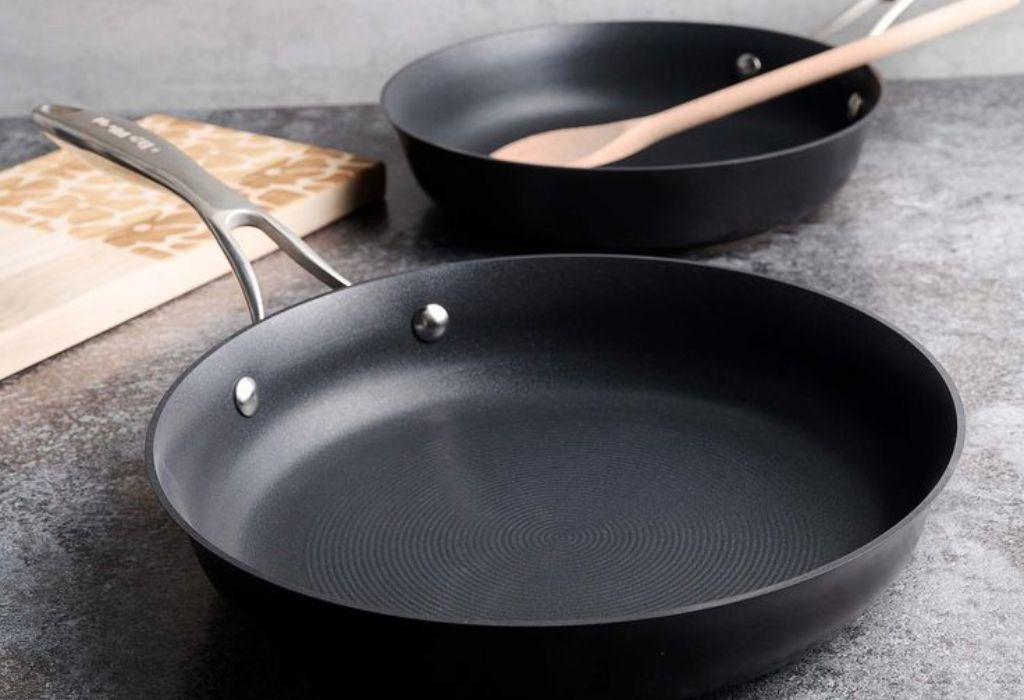
Hard anodized cookware is highly resistant to scratches, corrosion, and warping, providing long-lasting performance. Its reinforced surface maintains integrity even with frequent use and exposure to high heat.
Teflon-coated pans, while convenient, are prone to surface degradation over time. Scratches, peeling, or chipping of the coating can reduce non-stick performance and may expose the underlying metal.
The durability of hard anodized cookware translates into fewer replacements, saving money and reducing kitchen waste. High-quality anodized surfaces maintain consistent heat distribution and performance over years of regular cooking.
Additionally, hard anodized pans are compatible with metal, silicone, or wooden utensils without risk of damaging the surface. This versatility further extends the cookware’s lifespan compared to traditional Teflon-coated pans.
By choosing hard anodized cookware, consumers gain a long-term investment that combines durability, safety, and consistent cooking performance. This makes it a more reliable option for those seeking high-quality, lasting kitchen tools.
Heat Performance and Cooking Experience
Hard anodized cookware offers consistent heat distribution, reducing hot spots and ensuring evenly cooked meals. This allows for precise temperature control, which is ideal for searing, browning, and delicate cooking.
Teflon-coated pans provide convenience for low- to medium-heat cooking but may not perform well under high temperatures. Overheating can damage the coating and compromise non-stick performance.
The anodized surface of these pans supports high-heat cooking without releasing harmful fumes, giving home cooks more flexibility. Foods such as meats, vegetables, and sauces cook more evenly and maintain natural flavors.
Cleaning and maintenance are simpler with both surfaces, but hard anodized cookware is more durable and resistant to wear. Its performance remains consistent over time, even with frequent use and heavy-duty cooking techniques.
Choosing cookware with superior heat performance enhances both cooking results and kitchen safety. Hard anodized cookware provides a reliable, versatile, and long-lasting experience compared to traditional Teflon options.
Environmental Impact and Sustainability
Choosing cookware also has implications for the environment. Hard anodized cookware is more durable, reducing the need for frequent replacements and minimizing waste compared to Teflon-coated pans.
PTFE and PFOA production can contribute to environmental pollution, whereas anodized aluminum manufacturing typically has a lower chemical footprint.
Long-lasting, non-reactive cookware supports sustainable kitchen practices and reduces overall environmental impact.
Consumers who prioritize sustainability can make a positive impact by selecting durable, PTFE-free options. Hard anodized cookware combines performance, safety, and eco-friendliness, making it a responsible choice for modern kitchens.
Care and Maintenance Tips
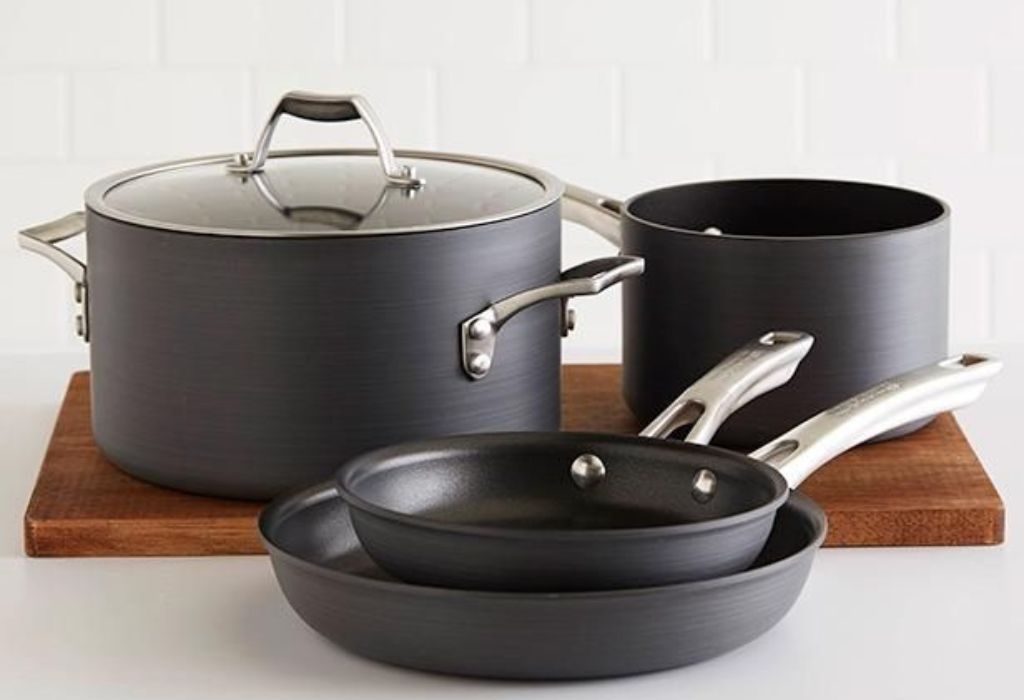
Proper care is essential to preserve the performance and longevity of hard anodized cookware. Using mild dish soap and non-abrasive sponges prevents damage to the surface and maintains its natural non-stick properties.
Avoid metal utensils on both hard anodized and Teflon-coated pans to prevent scratching or coating degradation. Wooden, silicone, or plastic utensils are safer alternatives that extend the lifespan of the cookware.
High heat should be used carefully, particularly for Teflon-coated pans, to avoid releasing harmful fumes. Hard anodized cookware can handle higher temperatures, but following manufacturer guidelines ensures optimal performance.
Storing cookware properly is also important. Use protective liners when stacking pans and ensure they are completely dry to prevent corrosion or surface damage.
By following these simple care practices, hard anodized cookware provides years of reliable, safe, and efficient performance. Proper maintenance ensures both durability and consistent cooking results.
Cost vs. Value: Is Hard Anodized Worth the Investment?
Hard anodized cookware often comes with a higher upfront price compared to traditional Teflon-coated pans. However, its durability, scratch resistance, and long-term performance offer greater value over time.
Frequent replacement of lower-quality non-stick cookware can offset initial cost savings, making hard anodized a cost-effective option in the long run. Consumers also benefit from improved cooking performance, safer materials, and reduced health risks.
Investing in high-quality hard anodized cookware provides both financial and practical advantages. Considering durability, safety, and cooking efficiency, it is often worth the initial investment for a safer and more reliable kitchen experience.
Conclusion
Selecting the right cookware involves balancing safety, durability, and cooking performance. Hard anodized cookware offers a naturally non-stick surface, high-heat tolerance, and resistance to scratches and corrosion.
Understanding whether a pan contains Teflon or PTFE is crucial for health-conscious consumers. Choosing hard anodized options eliminates potential risks from overheated Teflon coatings while maintaining excellent cooking performance.
Proper care and adherence to manufacturer guidelines help preserve durability and non-stick properties over time. This ensures consistent results, long-lasting cookware, and safer cooking practices.
By evaluating safety, material composition, and performance, consumers can make informed decisions that enhance their cooking experience. Investing in hard anodized cookware provides a combination of convenience, reliability, and peace of mind for any kitchen.

I’m Emma J. Caldwell, the founder, lead writer, and home-cooking enthusiast behind KitchenGuideCo.com. With a background in culinary arts and over a decade of cooking experience in both professional and personal kitchens, I created this platform to demystify recipes, offer smart kitchen gadget reviews, and guide readers through meal prep with confidence and clarity.