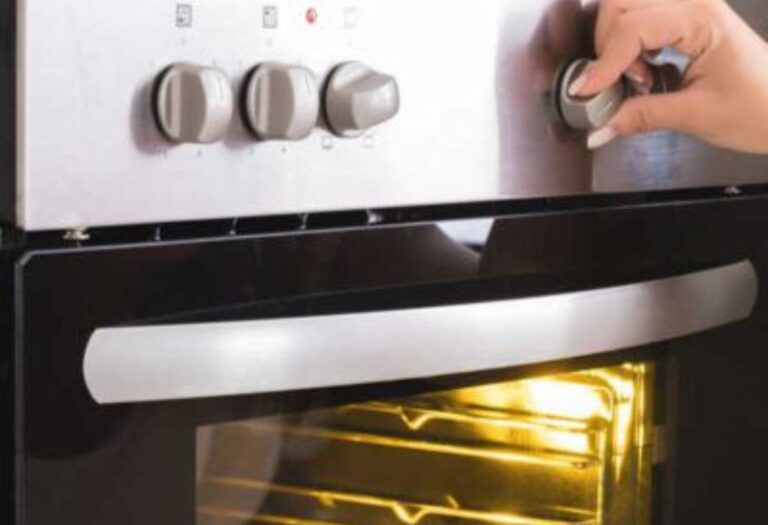
Hard anodized nonstick cookware has become a staple in kitchens worldwide. Its combination of durability, ease of use, and nonstick properties makes it a convenient choice for daily cooking.
Many home cooks rely on these pans without fully understanding their safety. Questions about chemical exposure, durability, and heat tolerance often arise when selecting cookware.
Hard anodized pans undergo an electrochemical process that strengthens aluminum and creates a non-reactive surface. This makes them resistant to corrosion, scratching, and wear, providing a longer lifespan than traditional nonstick options.
Modern hard anodized cookware is free from harmful substances such as PFAS, PFOA, PFOS, lead, and cadmium (source). These certifications aim to reduce chemical risks and promote safe cooking practices.
Despite its safety measures, misuse or neglect can still pose health concerns. Overheating, using metal utensils, or improper storage can compromise the nonstick surface, leading to potential chemical release or reduced performance.
What Is Hard Anodized Nonstick Cookware?
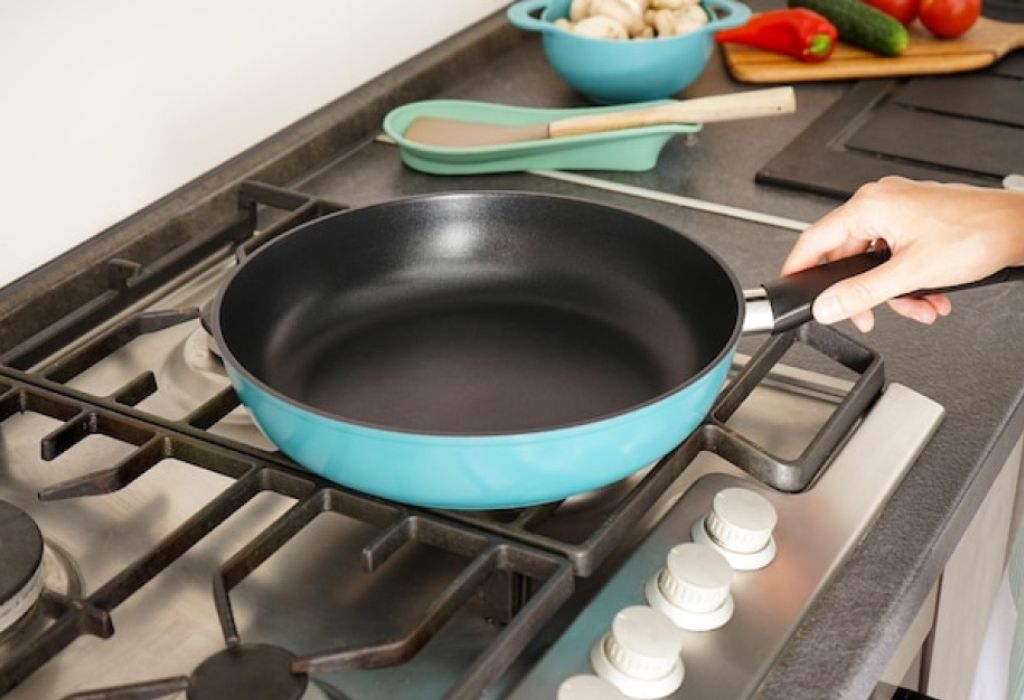
Hard anodized nonstick cookware is made from aluminum that undergoes an electrochemical process to create a dense, non-reactive surface. This process enhances durability, making the pan more resistant to scratches, corrosion, and wear compared to traditional cookware.
The nonstick coating applied to hard anodized pans allows food to release easily, reducing the need for excessive oil and supporting healthier cooking. Unlike some traditional nonstick surfaces, these pans are typically free from harmful chemicals like PTFE, PFOA, PFOS, and other PFAS compounds.
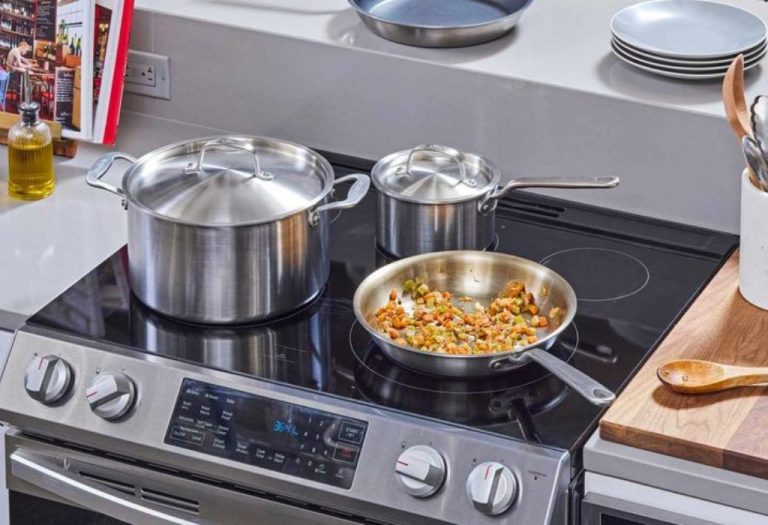
Heat distribution is another key advantage of hard anodized cookware. The dense aluminum core ensures even heating across the surface, minimizing hot spots and reducing the risk of unevenly cooked food or burning.
Many popular hard anodized cookware lines include features such as ergonomic handles, oven-safe designs, and lightweight construction. These characteristics make them a versatile choice for daily cooking, from stovetop meals to oven recipes.
Modern hard anodized cookware is designed with both performance and safety in mind. Its combination of chemical-free nonstick coating, scratch resistance, and thermal stability positions it as a reliable option for home cooks seeking convenience without compromising health.
By understanding what hard anodized nonstick cookware is, consumers can appreciate its benefits and make informed decisions about its role in a safe and efficient kitchen setup.
Health and Safety Considerations
Hard anodized nonstick cookware is engineered to minimize health risks during everyday cooking. Its anodized surface prevents aluminum from leaching into food, making it safer than traditional aluminum pans.
Modern nonstick coatings on these pans are free from PTFE, PFOA, PFOS, and other PFAS chemicals (source). This ensures chemical-free cooking and reduces long-term exposure risks.
Durability is another key safety feature. Hard anodized cookware resists scratching, chipping, and corrosion, which helps maintain a non-reactive cooking surface over time.
Improper use, however, can compromise safety. Overheating, using metal utensils, or stacking pans without protection may damage the coating and reduce its chemical resistance.
Choosing high-quality hard anodized cookware and following manufacturer guidelines can maximize safety. Awareness of heat limits, proper utensils, and maintenance ensures that the cookware remains a reliable and health-conscious option for daily use.
These safety features make hard anodized cookware a popular choice for health-conscious consumers seeking convenience without compromising performance or chemical safety.
Proper Maintenance for Longevity
Maintaining hard anodized nonstick cookware properly ensures it remains safe and effective for daily cooking. Hand washing with mild detergent and a soft sponge helps preserve the nonstick coating and prevents scratches.
Using wooden, silicone, or plastic utensils is recommended to avoid damaging the surface. Metal tools can compromise the nonstick layer, reducing its effectiveness and potentially affecting safety.
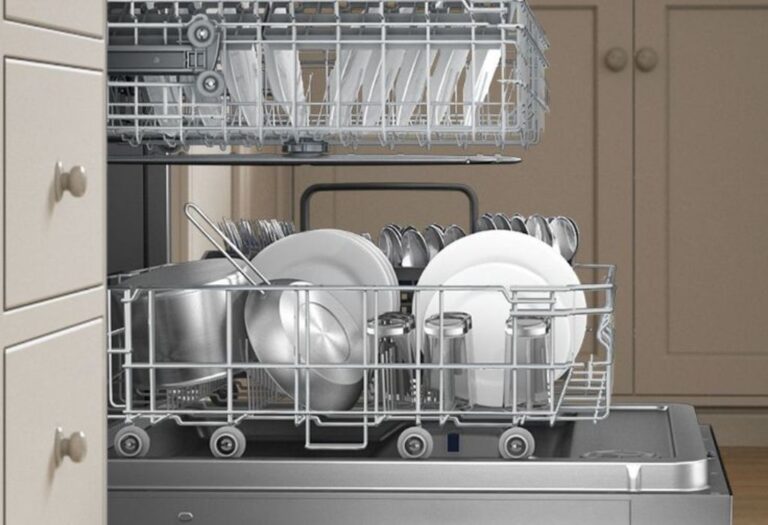
Storage practices are also important for prolonging cookware life. Stacking pans without protective liners can lead to scratches, so using pan protectors or storing them separately is advised.
Monitoring the surface regularly can prevent potential issues. Once signs of flaking, peeling, or excessive wear appear, it is best to replace the pan to maintain safe cooking conditions.
Controlling heat levels during cooking contributes to longevity as well. Using medium or low heat instead of high flames reduces the risk of overheating, preserving both the coating and its chemical-free properties.
By following these maintenance guidelines, consumers can enjoy the full benefits of hard anodized nonstick cookware while ensuring safety, durability, and consistent cooking performance over time.
Common Myths and Misconceptions About Hard Anodized Cookware
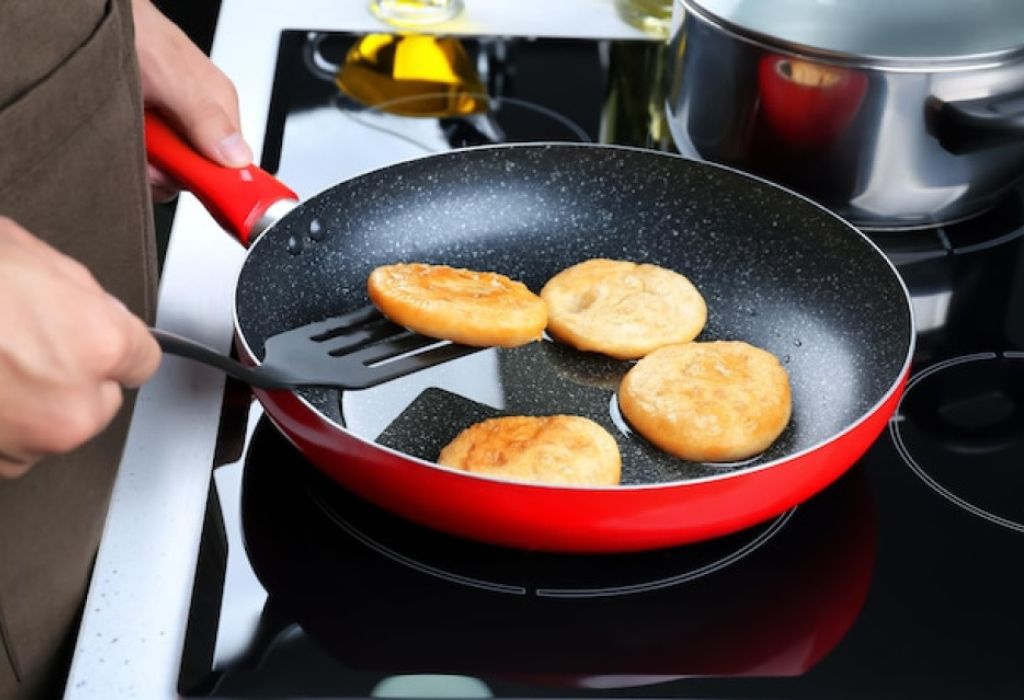
Many home cooks are unsure about the safety and performance of hard anodized cookware due to common misconceptions. One prevalent myth is that aluminum cookware always leaches harmful chemicals into food.
Hard anodizing changes the structure of aluminum, creating a non-reactive surface that prevents leaching. This makes the cookware safe for acidic foods such as tomato sauces and citrus-based dishes.
Another misconception is that nonstick coatings are inherently dangerous. Modern hard anodized pans are often free from PTFE, PFOA, PFOS, and other harmful chemicals, ensuring safe cooking for everyday use (source).
Some people also assume that these pans cannot withstand high heat. While excessive heat should be avoided, hard anodized cookware can handle standard stovetop temperatures safely, making it versatile for most cooking tasks.
Understanding these myths helps consumers make informed decisions and reduces unnecessary concerns. By addressing common misconceptions, cooks can use hard anodized cookware confidently and safely.
Comparing Hard Anodized Cookware with Other Materials
Hard anodized cookware offers a unique combination of durability, safety, and convenience compared to other common cookware materials. Its non-reactive, chemical-free surface provides a safer alternative to traditional aluminum or older nonstick pans.
Compared to stainless steel, hard anodized cookware heats more evenly and often requires less oil for cooking. Stainless steel is highly durable and resistant to high heat but can stick and is heavier, making cooking and cleaning more demanding.
When compared to traditional nonstick cookware, hard anodized pans are more scratch-resistant and maintain their chemical-free surface over time. PTFE-based nonstick coatings can degrade when overheated, whereas hard anodized surfaces are designed to withstand everyday cooking conditions safely.
Cast iron offers excellent heat retention and natural nonstick properties when properly seasoned. However, it is heavier, requires regular maintenance, and may react with acidic foods, whereas hard anodized cookware is lightweight and maintenance-friendly.
Eco-friendly or ceramic-coated pans provide chemical-free surfaces, but they may be less durable and more prone to scratching. Hard anodized cookware balances safety, performance, and longevity, making it a versatile choice for a wide range of cooking tasks.
Understanding these comparisons helps consumers make informed decisions based on their cooking habits, safety preferences, and desired level of convenience in the kitchen.
Tips for Choosing the Best Hard Anodized Cookware
Selecting the right hard anodized cookware ensures both safety and performance in the kitchen. Consider the brand reputation and quality certifications, such as PFOA-free and FDA compliance, to guarantee chemical-free cooking.
Look for cookware with ergonomic handles and a well-balanced design. Comfortable handles improve control, reduce the risk of spills, and make daily cooking more convenient.
Evaluate the nonstick coating and surface durability. Pans with scratch-resistant coatings and reinforced layers will last longer and maintain their safety over time.
Check for oven and stovetop compatibility. Some hard anodized pans are designed for use in ovens up to specific temperatures, making them versatile for various recipes.
Consider the size and weight of the cookware set. Choosing appropriately sized pans for your cooking needs ensures better heat distribution and ease of handling.
By following these tips, consumers can select hard anodized cookware that meets their safety, convenience, and performance requirements. Proper selection enhances cooking efficiency while maintaining chemical-free and reliable cookware.
Expert Opinions and Consumer Feedback
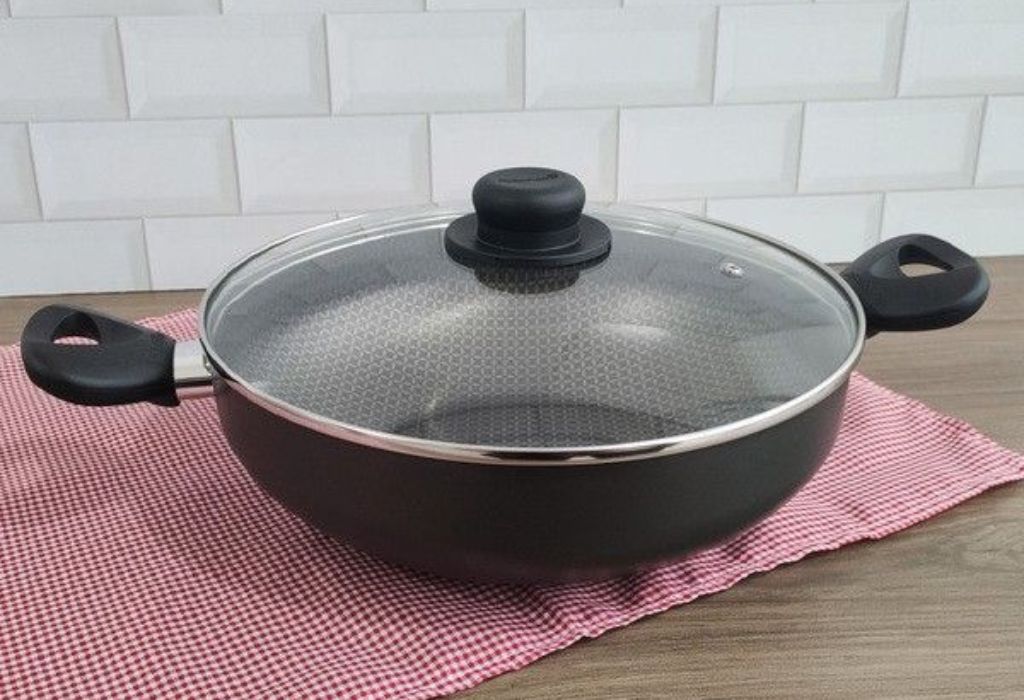
Chefs and culinary experts often recommend hard anodized cookware for its combination of safety, durability, and performance. Its non-reactive, chemical-free surface and even heat distribution make it a reliable option for both home cooks and professionals.
Consumer reviews generally highlight the ease of cooking and cleaning as major benefits. Many users appreciate the lightweight design and the reduced need for oil, which supports healthier meal preparation.
Durability is frequently cited as a key advantage. The scratch-resistant and corrosion-resistant surface ensures that the cookware maintains its performance and safety over extended use.
Some consumers note the importance of following care instructions. Proper maintenance, such as using recommended utensils and avoiding high heat, is essential to preserve the nonstick coating and prolong the lifespan of the cookware.
Overall, the combination of expert endorsement and positive consumer experiences reinforces the value of hard anodized cookware as a safe, reliable, and convenient choice for everyday cooking.
Final Words
Hard anodized nonstick cookware is considered safe for daily cooking when used and maintained properly. Its chemical-free, scratch-resistant surface, along with even heat distribution, ensures both performance and safety over time.
Following manufacturer guidelines for heat levels, utensil choice, and cleaning practices is essential. Overheating, metal utensils, or improper storage can compromise the coating, so careful use maximizes both safety and longevity.
The cookware’s durability, ease of cleaning, and reduced need for cooking oil make it a convenient option for health-conscious consumers. Replacing pans that show wear or damage further ensures a safe cooking experience.
By understanding the materials, proper maintenance, and safe cooking practices, hard anodized cookware provides a reliable, versatile, and worry-free solution for everyday meals.
Choosing the right cookware empowers consumers to enjoy both convenience and safety in the kitchen, making hard anodized nonstick pans a practical and health-conscious choice.

I’m Emma J. Caldwell, the founder, lead writer, and home-cooking enthusiast behind KitchenGuideCo.com. With a background in culinary arts and over a decade of cooking experience in both professional and personal kitchens, I created this platform to demystify recipes, offer smart kitchen gadget reviews, and guide readers through meal prep with confidence and clarity.