Heavy-duty aluminum cookware has become a staple in many kitchens due to its durability and fast heat conduction. Home cooks and professionals alike are drawn to its efficiency, but questions about safety remain a top concern.
Cooking with aluminum raises worries about metal leaching, particularly when preparing acidic foods like tomatoes or citrus. Research shows that aluminum cookware makes up a significant portion of global kitchenware use, highlighting its popularity while also prompting health debates (Statista).
The benefits of heavy-duty aluminum include even heat distribution, lightweight handling, and affordability. However, without proper coating or maintenance, potential health risks could arise, making it essential to understand how to use this cookware safely.
Experts recommend using anodized or coated heavy-duty aluminum to minimize contact between food and metal. These protective surfaces maintain cooking performance while reducing the risk of aluminum leaching (Harvard T.H. Chan School of Public Health).
What Is Heavy-Duty Aluminum Cookware?
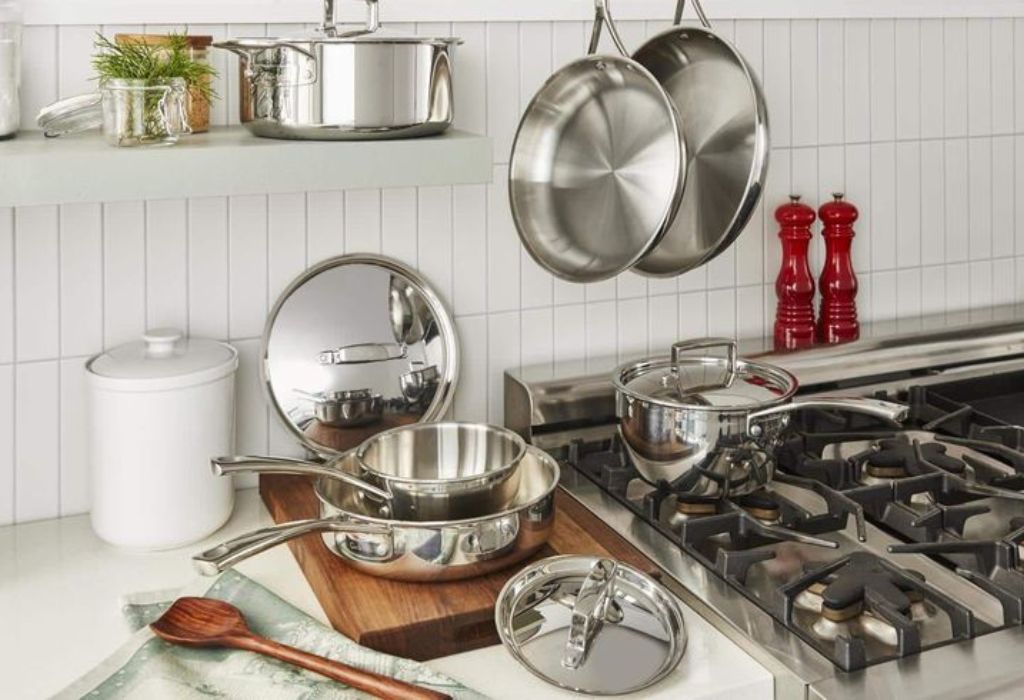
Heavy-duty aluminum cookware is crafted from thick, high-quality aluminum designed to withstand high heat and frequent use.
Unlike standard aluminum pans, its reinforced construction resists warping and ensures consistent performance over time.
The manufacturing process enhances heat conductivity, allowing food to cook evenly and reducing the likelihood of hot spots.
This feature is especially beneficial for recipes that require precise temperature control, such as sauces, seared meats, or delicate vegetables.
Despite its durability, heavy-duty aluminum remains lightweight, making it easy to handle and maneuver compared to heavier materials like cast iron or stainless steel. This balance of strength and lightness improves kitchen efficiency and reduces strain during cooking.
Many heavy-duty aluminum pans are anodized or coated to create a non-reactive cooking surface. These protective layers prevent aluminum from coming into direct contact with food, minimizing potential leaching and enhancing safety when preparing acidic or high-temperature dishes.
Overall, heavy-duty aluminum cookware offers a combination of heat efficiency, durability, and safety features. Its thoughtful design addresses both performance and longevity, making it a versatile and reliable option for modern kitchens.
Pros of Heavy-Duty Aluminum Cookware
One of the main advantages of heavy-duty aluminum cookware is its excellent heat conductivity. Food cooks evenly and efficiently, reducing hot spots and ensuring consistent results for a variety of recipes.
Its lightweight design makes it easy to handle compared to heavier materials like cast iron or stainless steel. This convenience allows for better control while cooking and reduces physical strain during long cooking sessions.
Cost-effectiveness is another benefit. Heavy-duty aluminum cookware is generally more affordable than high-end materials like copper or premium stainless steel, offering excellent value without compromising performance.
Durability is enhanced through its reinforced construction. The cookware resists warping, maintains structural integrity under frequent use, and can withstand high temperatures, making it suitable for heavy daily cooking.
Many pans come anodized or coated, which prevents aluminum from reacting with acidic foods. This feature not only enhances safety but also improves non-stick properties, making cooking and cleaning easier.
Overall, heavy-duty aluminum cookware combines performance, convenience, and safety. Its design makes it a practical and versatile option for both home cooks and professional kitchens.
Cons of Heavy-Duty Aluminum Cookware
One potential drawback of heavy-duty aluminum cookware is the risk of aluminum leaching when cooking acidic foods. Uncoated pans can react with ingredients like tomatoes or citrus, affecting both flavor and safety.
The surface of aluminum cookware can also be prone to scratches. Abrasive utensils or cleaning tools may damage the protective coating, compromising non-stick properties and overall performance.
Heavy-duty aluminum is not naturally compatible with induction cooktops. To work on induction stoves, cookware must have a magnetic base, which can increase cost or limit compatibility.
High heat can impact the longevity of some aluminum coatings. Overheating or prolonged exposure to very high temperatures may reduce the effectiveness of protective surfaces over time.
Although lightweight, aluminum does not retain heat as long as cast iron or other heavy materials. This can be a limitation for cooking methods that rely on sustained heat, such as slow searing or simmering.
Despite these cons, proper selection, coating, and maintenance allow heavy-duty aluminum cookware to remain safe and effective. Understanding these limitations helps users maximize performance while maintaining safety.
Tips for Maintaining Heavy-Duty Aluminum Cookware
Proper maintenance is essential to extend the lifespan and ensure the safety of heavy-duty aluminum cookware. Regular cleaning, careful handling, and correct storage practices help preserve both the cookware’s performance and protective coatings.
Hand washing is recommended for most heavy-duty aluminum pans, even if they are labeled dishwasher safe.
Harsh detergents or abrasive scrubbers can damage the anodized or non-stick surfaces, potentially increasing the risk of aluminum leaching over time. Using soft sponges and mild dish soap ensures a longer-lasting, safe cooking surface.
Avoiding metal utensils is another important tip. Wooden, silicone, or plastic utensils prevent scratches and maintain the integrity of the cookware’s surface. This practice also helps retain non-stick properties and prevents corrosion, making cooking and cleaning easier.
Proper storage further enhances the longevity of aluminum cookware. Stacking pans without protective padding can cause scratches and dents, especially on coated surfaces. Using cloth or silicone separators between pans preserves their quality and keeps them looking new for longer.
Maintaining even heat distribution requires attention during use. Preheating cookware gradually and avoiding sudden high heat prevents warping and preserves the performance of heavy-duty aluminum pans.
Careful temperature management also helps maintain the protective coating, ensuring safe cooking for years to come.
Finally, periodically inspecting the cookware for signs of wear, such as scratches, dents, or coating degradation, is essential.
Early detection allows users to take preventive measures, such as replacing damaged pans or using them for less demanding tasks, minimizing any potential health risks.
By following these maintenance tips, heavy-duty aluminum cookware can remain safe, efficient, and durable. Consistent care ensures that meals are cooked evenly, safely, and with confidence, making the investment in quality cookware worthwhile for daily kitchen use.
Safety Considerations
Safety is an important factor when using heavy-duty aluminum cookware. Properly coated or anodized pans significantly reduce the risk of aluminum leaching into food, making them safe for everyday cooking.
Cooking acidic foods, such as tomatoes, citrus, or vinegar-based dishes, can increase the risk of metal exposure in uncoated aluminum cookware. Choosing anodized or non-reactive surfaces prevents this problem while maintaining food quality.
Regular maintenance enhances both safety and longevity. Avoiding abrasive cleaning tools, inspecting for scratches, and following manufacturer guidelines preserves the protective coating and ensures continued safe use.
Selecting cookware free from harmful chemicals such as PFOA or PTFE provides additional peace of mind. Modern heavy-duty aluminum cookware often meets these standards, offering reliable and safe cooking experiences.
Awareness of these safety considerations allows home cooks to enjoy the benefits of heavy-duty aluminum cookware without compromising health. With proper selection, use, and care, this cookware is a secure and efficient option for everyday kitchen tasks.
Comparing Heavy-Duty Aluminum with Other Cookware Materials
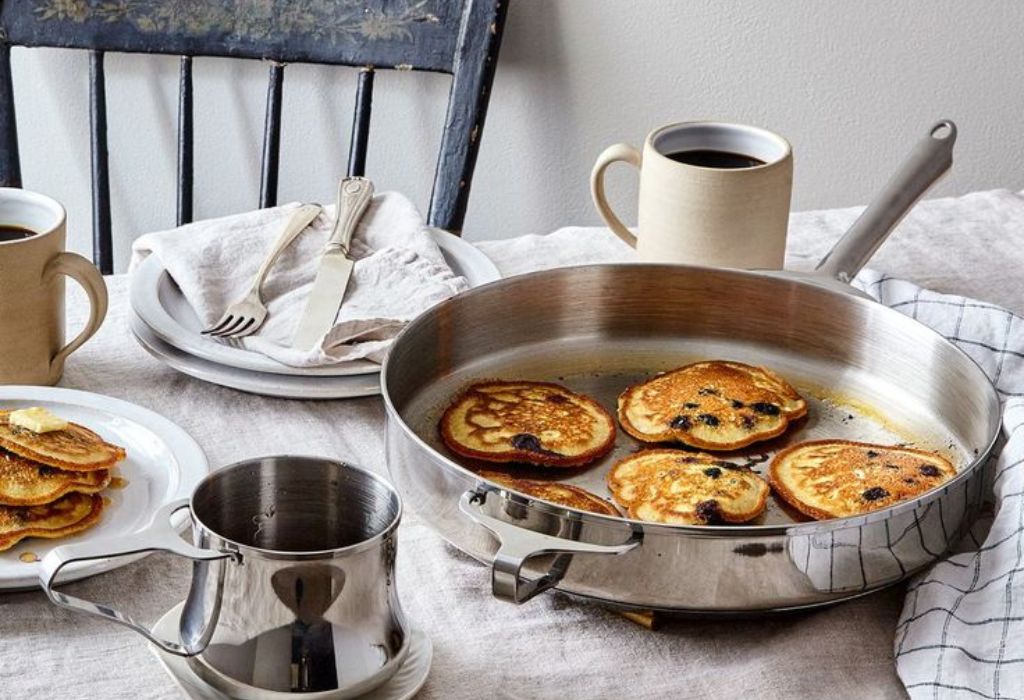
Heavy-duty aluminum offers a balance of lightweight handling, efficient heat distribution, and durability that sets it apart from many other materials.
Compared to cast iron, aluminum heats up faster and is easier to handle, although it does not retain heat as long as cast iron for slow-cooking methods.
When compared with stainless steel, aluminum provides superior heat conductivity. Stainless steel is highly durable and non-reactive but may develop hotspots and requires more energy to reach cooking temperatures, whereas heavy-duty aluminum ensures faster and more uniform heating.
Nonstick cookware is convenient for food release and easy cleaning but can degrade over time and release harmful chemicals when overheated. Heavy-duty aluminum cookware with a non-stick or anodized surface provides similar ease of use while maintaining long-term durability and safety.
Copper cookware delivers excellent thermal control but comes with a higher cost and requires regular maintenance. Heavy-duty aluminum offers a comparable level of heat performance at a more affordable price, making it accessible for everyday cooking without sacrificing efficiency.
Overall, heavy-duty aluminum cookware combines safety, performance, and convenience in a way that many alternatives cannot fully match. Its versatility makes it suitable for a wide range of cooking techniques while maintaining reliability and ease of use.
Is heavy-duty aluminum cookware safe for daily use?
Yes, heavy-duty aluminum cookware is safe for everyday cooking. Its thick construction provides even heating and prevents warping, while most modern versions are coated or anodized to ensure safety.
What makes aluminum cookware “heavy-duty”?
Heavy-duty aluminum cookware is made with thicker aluminum walls and bases, which improve durability, heat retention, and resistance to dents or warping.
Can heavy-duty aluminum cookware leach into food?
Bare aluminum can leach small amounts into food, especially with acidic dishes. However, anodized or coated heavy-duty cookware prevents leaching entirely.
Is anodized heavy-duty aluminum safer?
Yes, anodized aluminum is the safest form. The anodizing process seals the metal, creating a non-reactive and scratch-resistant surface that doesn’t leach.
Is heavy-duty aluminum cookware non-toxic?
Yes, when properly coated or anodized, it’s non-toxic and free from harmful chemicals like PFOA or PTFE in modern nonstick coatings.
Does heavy-duty aluminum cookware heat evenly?
Absolutely. The thick aluminum base distributes heat uniformly, reducing hot spots and improving cooking consistency.
Can I use heavy-duty aluminum cookware on all stovetops?
It works on gas, electric, and glass cooktops. For induction cooking, it must include a magnetic stainless-steel base.
Is heavy-duty aluminum cookware oven safe?
Most heavy-duty aluminum pans are oven safe up to 450–500°F, depending on the handle and coating material. Always check the manufacturer’s guidelines.
Is it dishwasher safe?
Hand-washing is recommended. Dishwashers can discolor or degrade the finish, especially on nonstick or polished surfaces.
Why is heavy-duty aluminum cookware great for daily use?
It’s strong, efficient, lightweight, and heats evenly—offering professional-quality performance for home cooks while remaining safe and long-lasting.
Conclusion
Heavy-duty aluminum cookware can be a safe and effective choice for daily cooking when proper precautions are taken. Its lightweight design, even heat distribution, and protective coatings make it suitable for a wide variety of recipes and cooking techniques.
Potential risks, such as aluminum leaching, scratches, or induction incompatibility, can be managed through careful selection and proper maintenance. Choosing anodized or coated cookware and following manufacturer guidelines reduces these risks while maximizing performance.
Compared to alternatives like cast iron, stainless steel, or nonstick pans, heavy-duty aluminum offers a versatile option that balances convenience, safety, and efficiency. Its durability and affordability make it an attractive choice for both home cooks and professionals.
By understanding the pros, cons, and safety considerations, users can make informed decisions about their cookware. Investing in quality heavy-duty aluminum cookware and maintaining it properly ensures safe, consistent, and enjoyable cooking experiences every day.

I’m Emma J. Caldwell, the founder, lead writer, and home-cooking enthusiast behind KitchenGuideCo.com. With a background in culinary arts and over a decade of cooking experience in both professional and personal kitchens, I created this platform to demystify recipes, offer smart kitchen gadget reviews, and guide readers through meal prep with confidence and clarity.