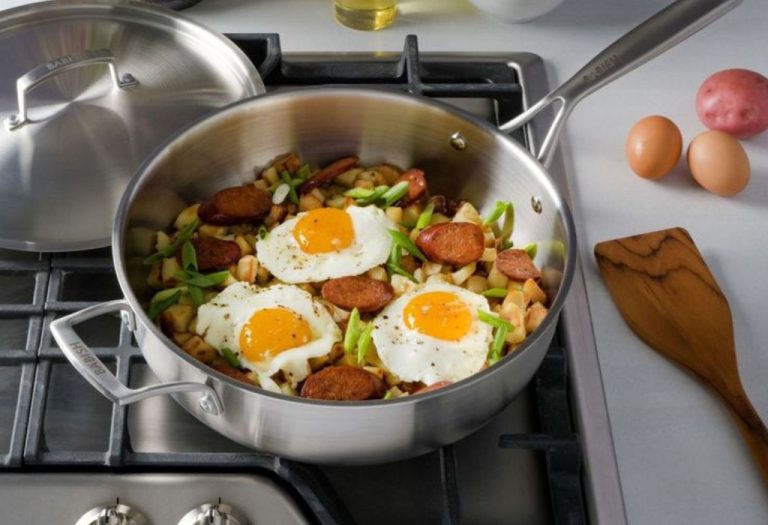
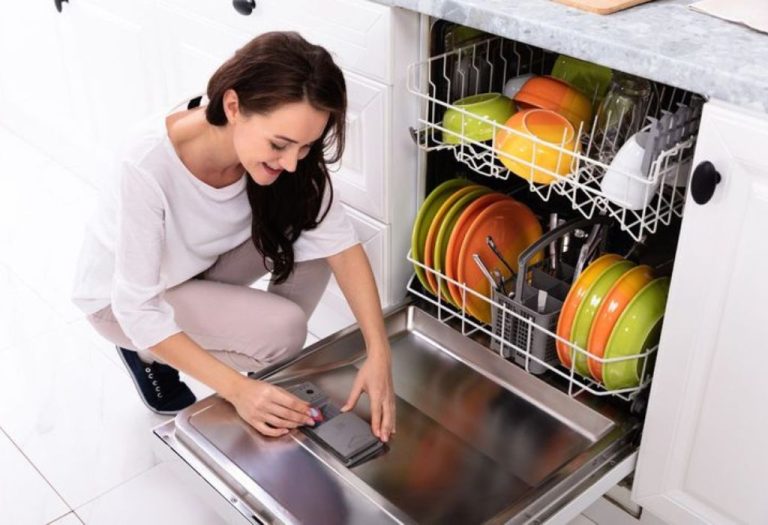
Aluminum cookware is a popular choice in kitchens worldwide due to its affordability and excellent heat conductivity. Over time, however, these pans can develop discoloration, prompting questions about their safety and usability.
Discoloration may appear as dark spots, streaks, or a grayish film, causing concern for many cooks. Studies indicate that aluminum cookware remains one of the most commonly used materials globally, yet discoloration issues often spark uncertainty among users (Statista).
The reasons behind these color changes vary, including oxidation, mineral deposits from hard water, and reactions with acidic foods. Understanding the causes helps determine whether the cookware is still safe for daily use and how to maintain it properly.
While the aluminum oxide layer formed during discoloration is generally inert and non-toxic, extreme pitting or corrosion can compromise both safety and performance.
Experts recommend monitoring the cookware regularly and following proper care techniques to minimize risks (Harvard T.H. Chan School of Public Health).
What Causes Aluminum Cookware to Discolor?
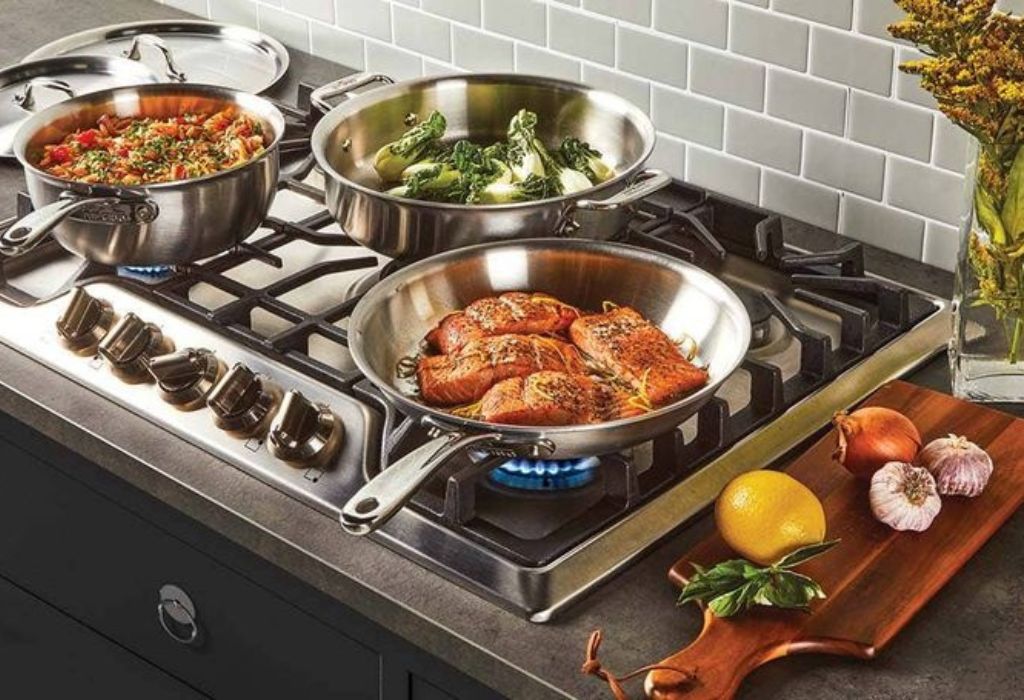
Aluminum cookware can develop discoloration over time due to a variety of natural processes. One of the most common causes is oxidation, where exposure to air forms a protective aluminum oxide layer that often appears as gray or dark spots on the surface.
Hard water can also contribute to discoloration by leaving behind mineral deposits. These white or chalky residues are harmless but can make the cookware look stained or unevenly colored.
Acidic foods, such as tomatoes, citrus, or vinegar-based dishes, can react with uncoated aluminum surfaces. This reaction may cause pitting or darkening, affecting the cookware’s appearance but not necessarily its safety.
Regular use and exposure to high heat can further alter the surface color. While these changes are mostly cosmetic, they can cause concern for cooks who are unsure whether the cookware remains safe for food preparation.
Overall, discoloration is usually a normal outcome of aluminum’s interaction with air, water, and food. Understanding these causes helps users identify whether the cookware requires maintenance or replacement and ensures safe cooking practices are maintained.
Is Discolored Aluminum Cookware Safe to Use?
In most cases, discolored aluminum cookware remains safe for cooking. The aluminum oxide layer that forms during discoloration is chemically inert and does not pose a health risk.
Superficial discoloration, such as minor dark spots or streaks, is primarily cosmetic. These changes do not affect the cookware’s performance or the safety of the food prepared in it.
However, severe pitting or corrosion can compromise both safety and functionality. Deep damage may harbor bacteria or allow aluminum to come into contact with food, which could pose potential health concerns.
Monitoring the cookware regularly and maintaining proper care helps ensure that discolored aluminum remains safe. Proper cleaning, avoiding abrasive tools, and limiting acidic foods can reduce further discoloration and preserve the integrity of the pan.
Understanding the distinction between harmless surface discoloration and structural damage allows cooks to make informed decisions. With the right care, most discolored aluminum cookware can continue to be used safely for everyday cooking.
Health Considerations
The aluminum oxide layer formed during discoloration is generally considered safe and non-toxic. Normal use of discolored aluminum cookware does not pose significant health risks for most people.
Excessive aluminum exposure, however, has been linked to health concerns, but typical cookware use rarely reaches harmful levels. Regular inspection of the cookware ensures that it remains safe for daily cooking.
Lead contamination is a potential risk with some imported aluminum cookware. Ensuring that cookware comes from reputable sources helps prevent exposure to harmful substances and maintains overall safety.
Certain conditions, such as severe pitting or corrosion, may increase health risks. Cookware showing structural damage should be replaced to avoid potential contamination or compromised performance.
By understanding these health considerations, users can continue cooking safely with discolored aluminum cookware. Proper selection, regular inspection, and maintenance help minimize risks while ensuring safe, effective use in the kitchen.
Maintenance Tips to Extend the Life of Your Aluminum Cookware
Proper maintenance helps prevent excessive discoloration and prolongs the life of aluminum cookware. Regular cleaning, careful handling, and appropriate storage preserve both appearance and functionality.
Hand washing is recommended, even for dishwasher-safe pans. Harsh detergents or abrasive scrubbing pads can damage the protective surface, leading to further discoloration or scratches.
Using non-abrasive cleaners and soft sponges protects the cookware’s surface. This approach maintains both non-stick properties and the protective aluminum oxide layer, ensuring safe cooking.
Avoid cooking highly acidic foods in discolored aluminum pans. Ingredients like tomatoes, citrus, and vinegar can react with aluminum, potentially causing further pitting or darkening over time.
Proper storage is also essential. Stacking pans without protective padding can result in scratches or dents, particularly on coated or anodized surfaces. Using cloth or silicone separators helps maintain quality.
Regularly inspecting the cookware for deep pitting, corrosion, or peeling coatings allows for timely replacement if necessary. Early detection ensures continued safety and cooking performance.
By following these maintenance tips, aluminum cookware can remain safe, effective, and durable for years. Consistent care ensures meals are cooked evenly and safely, preserving both kitchen efficiency and health.
Best Practices for Using Aluminum Cookware Safely
Proper usage habits can extend the life and ensure the safety of aluminum cookware. Always preheat the pan gradually to prevent warping and maintain an even cooking surface.
Avoid cooking highly acidic foods in uncoated aluminum pans. Ingredients like tomatoes, citrus, or vinegar can react with aluminum and accelerate pitting or discoloration, even in heavy gauge or anodized pans.
Use wooden, silicone, or plastic utensils to prevent scratches. Metal utensils can damage protective coatings, reduce non-stick properties, and increase the risk of aluminum exposure.
Regular cleaning and inspection are essential. Hand wash with mild detergents and soft sponges, and check for signs of severe pitting, corrosion, or coating damage.
Proper storage preserves both appearance and safety. Avoid stacking pans without separators, and store them in a dry environment to prevent moisture-related damage.
By following these best practices, aluminum cookware remains safe, durable, and effective for daily use. Consistent care and mindful cooking habits ensure that meals are prepared efficiently while minimizing potential health risks.
Common Myths About Discolored Aluminum Cookware
Many cooks worry that any discoloration in aluminum cookware automatically makes it unsafe. This is a misconception, as most discoloration is purely cosmetic and does not indicate toxicity or reduced performance.
A common myth is that dark spots or streaks mean the pan will leach harmful aluminum into food. In reality, the aluminum oxide layer that forms during discoloration is inert and non-toxic, acting as a protective barrier rather than a hazard.
Another misconception is that discolored cookware loses its heat conductivity or cooking efficiency. Heavy aluminum retains its excellent heat distribution properties even after discoloration, allowing for even cooking and consistent results.
Some believe that only brand-new, shiny cookware is safe. However, normal use, exposure to heat, and reactions with certain foods naturally cause changes in appearance without compromising safety. Proper maintenance ensures the cookware continues to function effectively.
Understanding and debunking these myths helps cooks make informed decisions about their kitchen tools. Recognizing the difference between harmless surface changes and structural damage ensures both safety and performance are maintained.
By separating fact from fiction, users can continue using discolored aluminum cookware confidently, knowing that cosmetic changes do not necessarily indicate a health risk. Educating oneself about these myths reduces unnecessary worry and promotes proper care practices.
When to Replace Discolored Aluminum Cookware
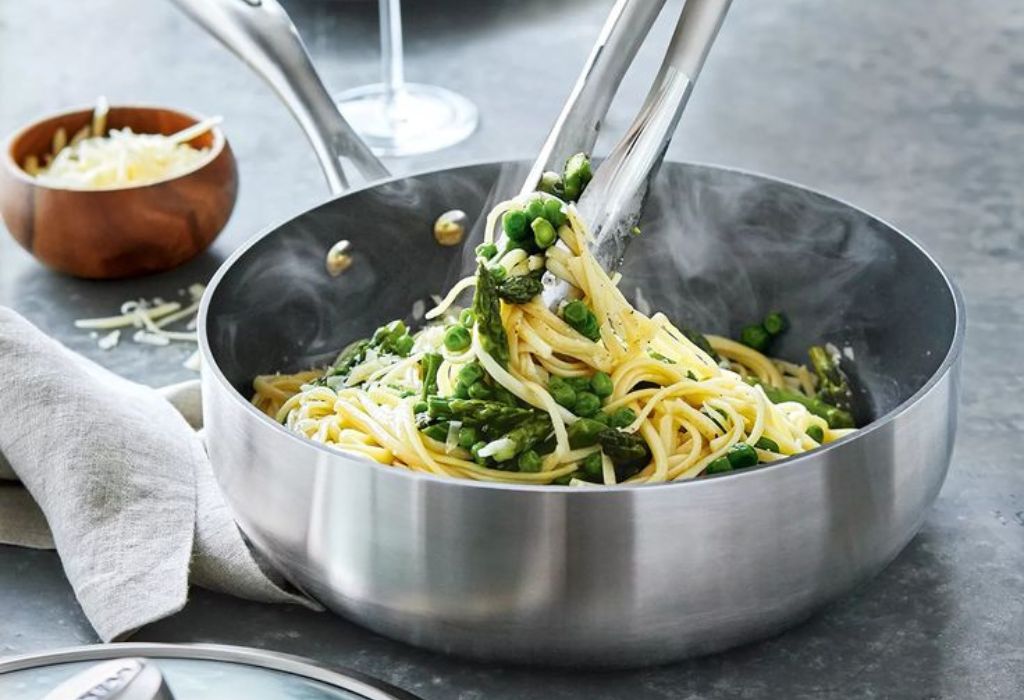
While minor discoloration is typically harmless, there are situations when replacement is necessary. Severe pitting, corrosion, or peeling coatings can compromise both safety and cooking performance.
Cookware showing extensive structural damage may harbor bacteria or allow aluminum to contact food directly. In such cases, continued use could pose potential health risks and reduce the effectiveness of the pan.
Persistent stains that cannot be removed with proper cleaning are another indicator for replacement. If discoloration interferes with cooking or affects food quality, it is safer to invest in new cookware.
Peeling or flaking coatings are particularly concerning. Damaged coatings may release harmful substances into food, making replacement the safest option.
By recognizing these signs and taking timely action, cooks can ensure both the safety and reliability of their kitchen tools. Replacing compromised cookware maintains food quality, prevents potential health hazards, and ensures efficient cooking.
Is it safe to use discolored aluminum cookware?
Yes, in most cases it’s safe. Discoloration is usually caused by oxidation or heat exposure and doesn’t make the cookware toxic or unsafe for cooking.
Why does aluminum cookware become discolored?
Discoloration happens when aluminum reacts with air, heat, or certain foods, forming an oxide layer that can appear dull, gray, or dark.
Does discoloration affect food safety?
No, mild discoloration doesn’t affect food safety. The oxide layer is harmless and even helps protect the pan from further corrosion.
Can discolored aluminum change the taste of food?
Slight discoloration won’t affect flavor. However, if the cookware is heavily oxidized or pitted, it may impart a metallic taste—especially with acidic foods.
Should I clean off the discoloration?
Yes, you can restore shine by boiling a mix of water, lemon juice, or vinegar in the pan for a few minutes, then scrubbing gently with a soft sponge.
When should I stop using discolored aluminum cookware?
If the pan is deeply pitted, warped, or has a damaged coating, it’s best to replace it. Pitting indicates corrosion that could lead to leaching.
Can dishwasher use cause discoloration?
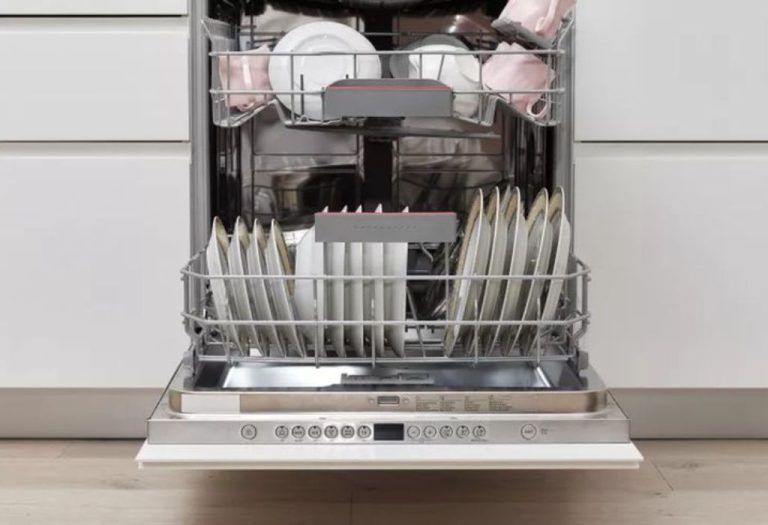
Yes, dishwashers often cause dullness and grayish marks due to harsh detergents and high heat. Hand-washing is always recommended.
Does discoloration mean the aluminum is leaching?
Not necessarily. Normal oxidation is safe and stable. Only severely damaged or raw aluminum exposed to acidic foods may leach small amounts.
Can I still cook acidic foods in discolored aluminum pans?
It’s better to avoid acidic foods like tomatoes or vinegar in bare discolored aluminum, as they can react with the exposed metal.
How can I prevent discoloration in the future?
Avoid the dishwasher, dry cookware immediately after washing, and use low to medium heat. Occasional polishing with lemon and baking soda helps maintain the shine and safety.
Conclusion
Discolored aluminum cookware is often safe to use, provided it is well-maintained and free from significant structural damage. Regular care, proper usage, and timely replacement when necessary ensure that the cookware remains safe and effective for daily cooking.
Understanding the causes of discoloration, recognizing signs of wear, and following maintenance tips help prolong the life of aluminum cookware.
Simple practices like hand washing, using non-abrasive cleaners, and avoiding highly acidic foods can prevent further discoloration and maintain safety.
When discoloration becomes severe or the cookware shows signs of pitting, corrosion, or peeling coatings, replacement is the safest course of action.
Timely action protects both food quality and health, allowing cooks to continue using aluminum cookware with confidence.
By combining knowledge, careful maintenance, and appropriate replacement, home cooks can enjoy the benefits of aluminum cookware safely. Proper care ensures that meals are prepared efficiently, reliably, and without compromising health.

I’m Emma J. Caldwell, the founder, lead writer, and home-cooking enthusiast behind KitchenGuideCo.com. With a background in culinary arts and over a decade of cooking experience in both professional and personal kitchens, I created this platform to demystify recipes, offer smart kitchen gadget reviews, and guide readers through meal prep with confidence and clarity.