The first sound of your day might be the quiet hum of your Keurig heating up, followed by the comforting aroma of coffee filling your kitchen.
This routine feels effortless, but eventually, you notice something less pleasant — a cloudy film forming inside the water reservoir. You wonder if a quick run through the dishwasher could fix it.
It’s tempting to think so. After all, a dishwasher promises an easy way to clean everything else in your kitchen. But Keurig parts are made from different materials and not all can handle the heat or detergent.
Many owners discover too late that a simple dishwasher cycle can permanently cloud or warp their tank.
The Keurig water reservoir plays a bigger role than most realize — it holds the water that makes every cup taste fresh. Treating it incorrectly can affect both the flavor of your coffee and the longevity of your machine.
This guide explains which Keurig parts are dishwasher safe, which aren’t, and how to properly clean your reservoir without causing damage.
Understanding the Keurig Water Reservoir
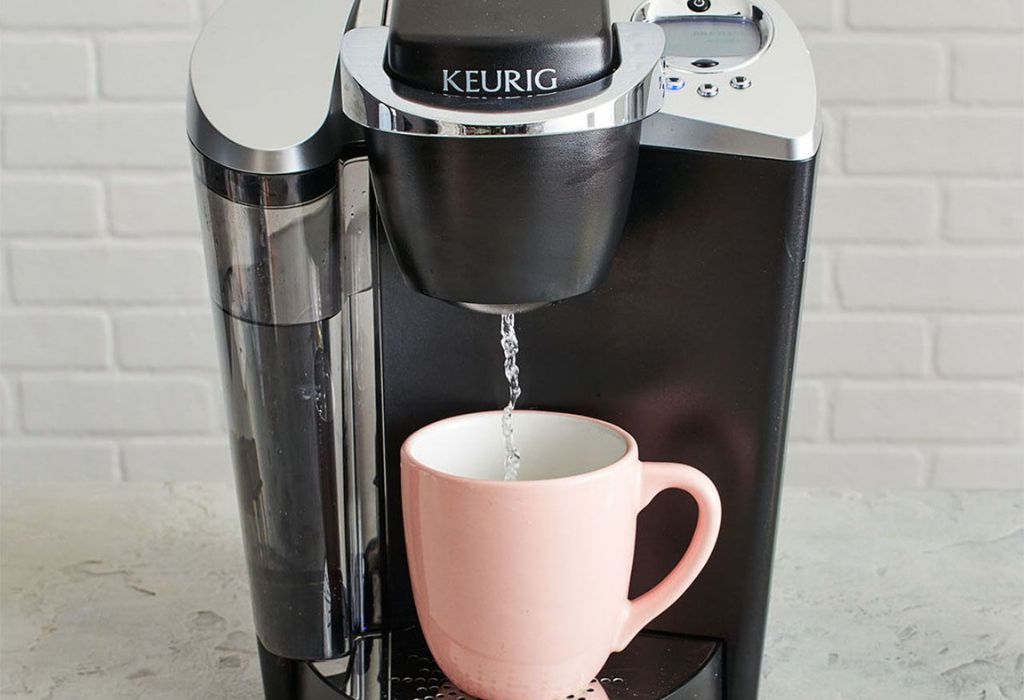
The water reservoir is the heart of your Keurig coffee maker, storing the water needed for each brew cycle. It’s typically made from BPA-free clear plastic, allowing you to easily see the water level.
The plastic is durable enough for daily use but not designed for intense heat exposure, which makes it sensitive to dishwasher conditions.
Inside the reservoir sits a small silicone or rubber valve that connects to the brewer’s pump system. This valve helps regulate flow and prevents leakage when brewing begins.
However, high dishwasher heat can cause this seal to loosen or warp, leading to slow drips or poor water pressure over time.
Another detail often overlooked is the surface coating of the reservoir. Some models use a thin anti-fog layer to keep visibility clear. When exposed to strong detergent or high-pressure water jets, this coating can break down, making the tank appear cloudy or scratched.
Manufacturers design the reservoir for easy removal and cleaning by hand, ensuring minimal risk to sensitive parts.
Treating it gently preserves not only its transparency but also your coffee’s flavor. Heat damage may not appear immediately, but gradual warping can make the lid misalign or cause leaks at the base.
The takeaway is simple: while it looks sturdy, your reservoir’s delicate construction demands care. Handwashing protects both its clarity and function, ensuring every cup tastes as it should.
Is the Keurig Water Reservoir Dishwasher Safe
The most common question Keurig owners ask is whether the water reservoir can safely go in the dishwasher. The short answer is no for most models. The plastic, seals, and internal valves aren’t designed to withstand the dishwasher’s high temperature and abrasive detergent.
Keurig’s official care instructions clearly state that the water reservoir should be washed by hand.
The combination of heat and harsh soap can cause warping, surface cracks, and dull, cloudy residue that won’t disappear. It can also compromise the small silicone valve at the bottom, resulting in leaks.
That said, a few smaller Keurig models — like the K-Mini Plus or K-Slim — use thicker, heat-tolerant plastic that can handle a gentle top-rack wash on a low setting. However, even these shouldn’t be placed in heated-dry cycles, as heat distortion may occur after repeated cleaning.
If you’re unsure whether your model’s reservoir is dishwasher safe, check your manual or Keurig’s official website for model-specific care guides. Remember: dishwasher damage is not covered by Keurig’s warranty.
Can the reservoir survive one dishwasher cycle?
It might, but even a single high-heat wash can start micro-warping that worsens over time.
Is the lid dishwasher safe?
Sometimes. Most lids can handle the top rack, but the reservoir itself should be washed by hand.
Does dishwasher detergent cause white film?
Yes, the minerals and surfactants in detergent can create permanent clouding.
Why does Keurig recommend handwashing only?
Because the delicate seals and coatings can degrade even at moderate dishwasher temperatures.
Will dishwasher use affect coffee taste?
Yes, detergent residue or warped seals can make your coffee taste slightly bitter or plastic-like.
Which Keurig Parts Are Dishwasher Safe
While the water reservoir itself isn’t dishwasher safe, several smaller removable Keurig components are perfectly fine to wash in the dishwasher. Knowing which parts can go inside safely helps maintain hygiene without risking your coffee maker.
The drip tray, pod holder, and K-Cup funnel assembly are all typically top-rack dishwasher safe. These parts handle detergent and heat well because they contain no seals or electronics. You can place them in the upper rack using mild detergent and a gentle cycle.
The reservoir lid, depending on your model, can sometimes go in the top rack as well — but it’s best to use a non-heated cycle. If it warps even slightly, it won’t seal properly, allowing dust or debris to fall inside the tank.
Avoid putting the charcoal filter holder in the dishwasher. It’s designed for manual cleaning only. Dishwasher detergent may erode its plastic housing and affect the taste of your coffee.
If you’re uncertain about which parts are safe, refer to your Keurig manual. The small effort of checking can prevent costly replacement parts later. A general rule: if it connects to the water line or includes rubber parts, wash it by hand.
How to Handwash the Keurig Water Reservoir
Handwashing is the safest and most effective method to clean your water reservoir. It’s quick, gentle, and ensures no long-term damage from heat or chemicals.
Start by unplugging your Keurig and removing the reservoir. Empty any leftover water. Fill your sink with warm water — not hot — and add a small amount of mild dish soap.
Use a soft cloth or non-abrasive sponge to gently clean the inside and outside of the tank. Focus on the base area near the valve, where minerals tend to accumulate. Avoid scrubbing too hard, which can cause micro-scratches.
Rinse thoroughly with clean water to remove all soap residue. Leaving detergent behind may affect the flavor of your coffee later. Allow the reservoir to air-dry completely before putting it back on the machine.
For deep cleaning, mix equal parts vinegar and water, fill halfway, and let it sit for 15 minutes before rinsing. This removes cloudy buildup and sanitizes the surface naturally.
Can I use baking soda to clean it?
Yes, mix a teaspoon with warm water for gentle stain removal.
How often should I clean the reservoir?
At least once a week, and deep clean every one to two months.
Is vinegar safe for daily use?
No, use it occasionally to prevent over-acidity on seals.
Can I use a bottle brush?
Yes, if it’s soft-bristled and designed for plastic.
What happens if I reattach while wet?
Moisture near the valve can create pressure imbalance or water drips.
How to Prevent Mold and Buildup in the Reservoir
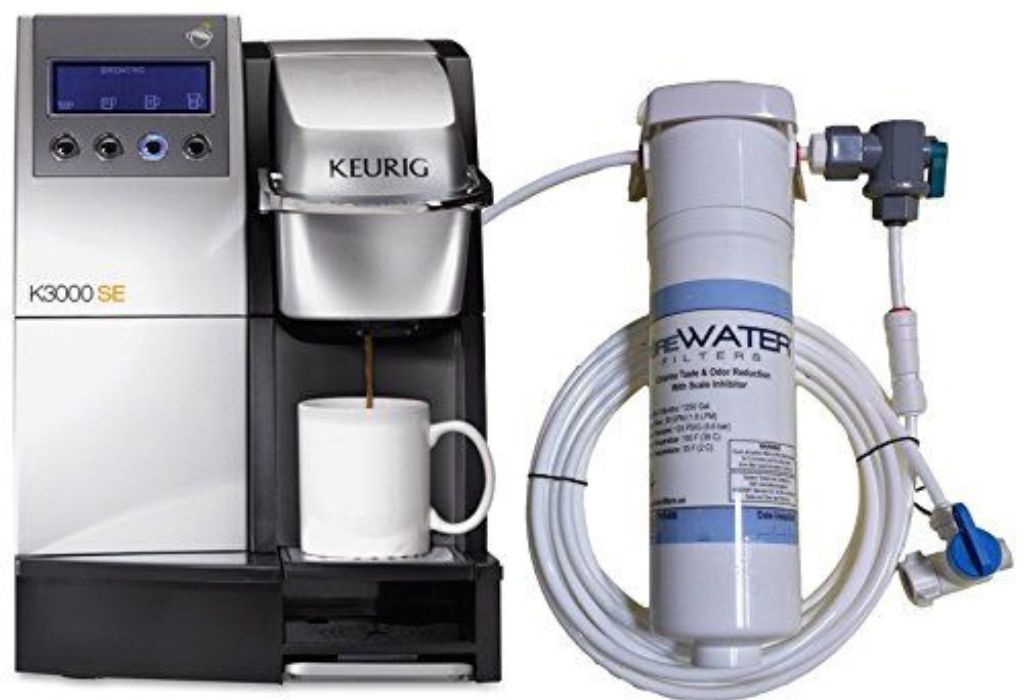
Because the Keurig reservoir holds standing water, it’s prone to bacterial growth if left uncleaned. Regular maintenance keeps your coffee fresh and safe to drink.
Always empty leftover water daily, especially if you don’t brew every day. Bacteria thrive in stagnant water, and biofilm can start forming within a few days.
Once a week, wash the tank with warm, soapy water, then rinse and let dry completely. Air drying is important since trapped moisture can promote mold.
If you notice black spots, slime, or unpleasant odors, clean immediately using a vinegar solution. Let it soak for 20 minutes, scrub gently, and rinse thoroughly.
You can also add a small amount of hydrogen peroxide for extra sanitation, followed by a complete rinse cycle before brewing again.
Regular cleaning not only prevents health risks but also keeps the water line free from blockages, maintaining steady pressure for consistent coffee flavor.
Conclusion
The Keurig water reservoir may look tough, but it’s more delicate than it seems. Most models are not dishwasher safe, and using the wrong cleaning method can shorten your machine’s life.
The best routine is simple: handwash the reservoir weekly with mild soap, deep clean it monthly with vinegar, and never expose it to extreme heat. This preserves clarity, prevents bacterial growth, and keeps every cup tasting as it should.
When in doubt, check your manual — and if a cleaning shortcut sounds too good to be true, it probably is. With a few minutes of care, your Keurig will keep delivering perfect coffee, cup after cup, for years to come.

I’m Emma J. Caldwell, the founder, lead writer, and home-cooking enthusiast behind KitchenGuideCo.com. With a background in culinary arts and over a decade of cooking experience in both professional and personal kitchens, I created this platform to demystify recipes, offer smart kitchen gadget reviews, and guide readers through meal prep with confidence and clarity.