Le Creuset has long been a symbol of craftsmanship, color, and culinary excellence. From the iconic flame-orange Dutch oven to modern stainless-steel skillets, every piece carries a timeless reputation for durability.
But one question lingers after every great meal: can your beloved Le Creuset go in the dishwasher?
The answer depends on which Le Creuset piece you own. The brand offers several lines — enameled cast iron, stoneware, stainless steel, and non-stick aluminum — and each responds differently to dishwasher heat and detergent.
Some are built to handle machine cycles with ease, while others require the gentle touch of hand-washing to stay radiant.
Dishwashers are convenient, but they use high temperatures and strong alkaline detergents that can dull enamel or affect polish over time.
Even though Le Creuset labels many pieces as “dishwasher safe,” there’s a difference between what the cookware can tolerate and what will keep it pristine.
In this detailed guide, you’ll learn which Le Creuset products are truly dishwasher safe, how to clean them without dulling their finish, and how to prevent common washing mistakes.
With the right knowledge and care, your cookware will stay as striking and functional as the day you brought it home.
Are Le Creuset Products Dishwasher Safe?
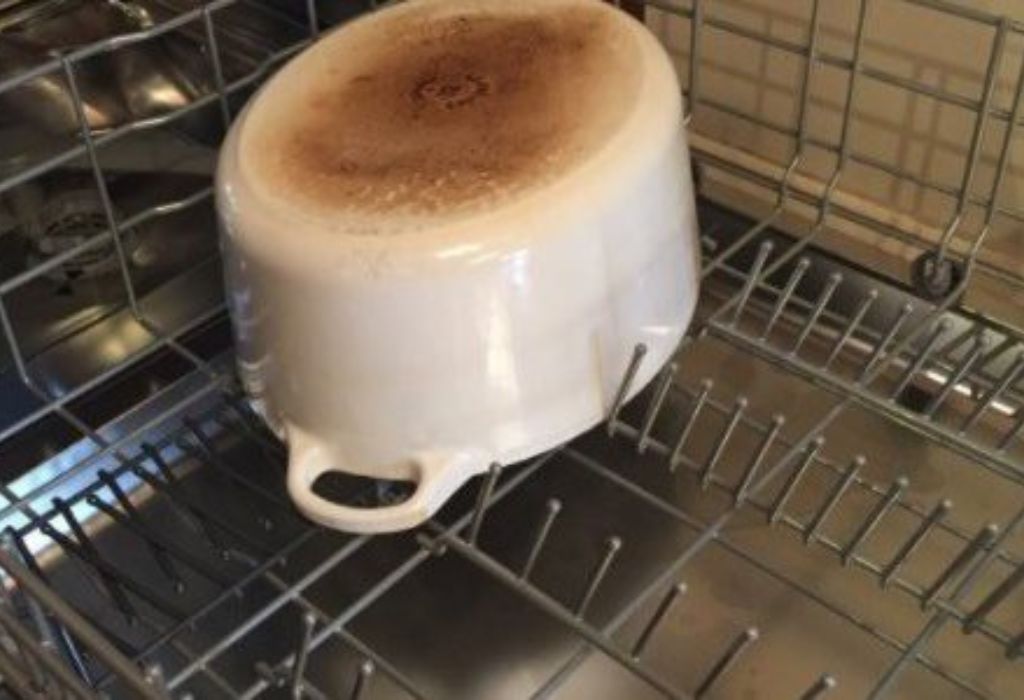
Le Creuset confirms that most of its products, including enameled cast iron, stainless steel, and stoneware, are dishwasher safe.
However, the company also cautions that frequent dishwasher use may gradually dull the glossy finish. That means your cookware will still perform perfectly but might lose its original shine over time.
Enameled cast iron pieces, like Dutch ovens and braisers, can handle dishwasher cycles, but repeated exposure to high-heat drying and detergents can fade color intensity. Stoneware items such as baking dishes and mugs fare better, while non-stick pieces should never go in the machine.
If you’re unsure, check the base of your cookware. Most Le Creuset items display a dishwasher-safe symbol or a note recommending hand-washing. When in doubt, choose the gentler method, it extends lifespan and beauty.
Is Le Creuset cast iron dishwasher safe?
Yes, but occasional hand-washing will keep the enamel looking new.
Can I put Le Creuset stoneware mugs in the dishwasher?
Yes, stoneware is fully dishwasher safe.
Does the dishwasher affect warranty?
No, but it may void claims for cosmetic damage like dulling or chipping.
Are Le Creuset lids safe for dishwashers?
Yes, but always remove rubber gaskets or knobs before washing.
How often can I use the dishwasher for my Dutch oven?
Occasionally — not after every meal, to preserve color vibrancy.
How Dishwashers Affect Enameled Cast Iron
Enameled cast iron is the heart of the Le Creuset brand — strong, versatile, and visually stunning. The enamel coating seals the cast iron and provides a non-reactive, easy-to-clean surface. Yet, like glass or porcelain, enamel can lose luster if exposed to harsh detergents too often.
Dishwashers use alkaline cleaning agents designed to break down grease quickly. These chemicals, combined with sustained hot-water exposure, can cause the enamel’s glossy finish to turn slightly matte. The cookware remains fully functional but loses its trademark shine.
Another side effect is metal fatigue in knobs or lid screws. The heating and cooling cycles of a dishwasher can gradually loosen these fittings. Occasionally check them to ensure a snug fit.
Avoid using heavy detergent pods that contain bleach or citrus compounds. These additives accelerate fading, especially in bright colors like flame orange, Caribbean blue, or cerise.
To restore subtle shine, rub the cooled enamel with a paste of baking soda and water, rinse well, and dry with a soft cloth. This small ritual refreshes your cookware without the risks of abrasive scrubbing.
Cleaning Le Creuset Stoneware in the Dishwasher
Le Creuset stoneware is extremely forgiving. It can handle high dishwasher temperatures, moisture, and detergent without cracking or losing color. The dense, non-porous glaze prevents absorption of odors and stains, making it ideal for effortless cleanup.
However, there are still precautions worth taking. Always place stoneware on the top rack or middle shelf away from heating elements. Direct contact with heat can cause thermal shock, especially if the dish is still warm from the oven.
Before loading, scrape off large food bits and soak briefly in warm water to loosen residue. Dishwasher sprays can’t always dislodge baked-on cheese or caramelized sugars.
Allow stoneware to cool fully before washing — sudden temperature changes from oven to dishwasher can cause fine cracks. With proper care, your stoneware will retain its color, texture, and flawless glaze for decades.
Caring for Le Creuset Stainless Steel Cookware
Le Creuset’s stainless-steel line — including saucepans, sauté pans, and stockpots — is completely dishwasher safe. The durable three-ply construction and polished surface resist rust and corrosion. However, spotting can occur if detergent or minerals remain after the cycle.
To keep the metal gleaming, use a detergent formulated specifically for stainless steel and avoid products containing chlorine. After washing, remove immediately and dry with a soft towel to prevent water spots.
If you notice rainbow discoloration, it’s a harmless oxidation layer. A quick wipe with vinegar removes it instantly. Separating stainless steel items from aluminum utensils during the wash also prevents minor pitting from galvanic reactions.
Routine dishwasher use won’t hurt stainless Le Creuset, but for show-quality shine, alternate between hand and machine washing.
Why Non-Stick Le Creuset Should Be Hand-Washed
Le Creuset’s Toughened Non-Stick (TNS) pans are designed for easy cleaning — but that doesn’t mean they belong in the dishwasher. High heat and aggressive detergents weaken the non-stick coating, causing gradual deterioration.
Even though some labels say dishwasher safe, repeated cycles will shorten the coating’s life. The safest method is warm water, mild soap, and a soft sponge. Never use scouring pads or steel wool, which permanently scratch the surface.
If food sticks or burns, fill the pan with warm water and a teaspoon of baking soda. Let it soak for 15 minutes before gently washing. This restores cleanliness without harming the coating.
Proper care can extend a non-stick pan’s life well beyond a decade, keeping its surface slick and performing like new.
The Effect of Detergent Chemistry on Le Creuset Finishes
Dishwasher detergents are formulated for efficiency, not delicacy. They contain enzymes and alkaline salts that remove grease but can react with enamel glazes. Over time, these reactions may cause fading, dullness, or cloudy streaks.
Bright colors like cherry, soleil, and teal are more vulnerable than neutral shades. The heat intensifies the detergent’s alkalinity, which slowly breaks down the enamel’s glossy layer.
Switching to gentle, phosphate-free detergents helps minimize wear. Eco-friendly brands designed for delicate glassware often work beautifully for enameled cookware.
If your enamel starts to look flat, restore it with a vinegar rinse followed by a polish using a microfiber cloth. This removes mineral buildup and detergent film that cause the appearance of dullness.
Why does my Le Creuset look cloudy after washing?
Detergent film or mineral deposits are likely — polish gently with vinegar.
Can strong detergent fade bright colors?
Yes, bleach and citrus compounds cause gradual fading.
Is it safe to use rinse aid?
Yes, rinse aid reduces spotting and leaves a smoother finish.
Will dull enamel still cook the same?
Absolutely — the change is cosmetic, not functional.
Can dishwasher film be removed easily?
Yes, wipe with a baking-soda paste or white vinegar solution.
Safe Dishwasher Practices for Le Creuset
If you choose to machine-wash, following proper loading and cycle settings makes all the difference. Always separate enamel pieces from sharp utensils that could chip the glaze.
Avoid stacking cast-iron lids on top of each other. Place larger cookware on the bottom rack and smaller accessories on the top. Ensure there’s enough space between items for water flow.
Select a normal or eco cycle instead of sanitize. High-heat cycles can cause discoloration, especially on lighter colors.
Skip the heat-dry function and open the door after the rinse to air-dry. Then wipe away moisture from metal knobs to prevent water spots. With this routine, you’ll enjoy the convenience of the dishwasher without sacrificing appearance.
The Right Way to Hand-Wash Le Creuset
Hand-washing remains the gold standard for preserving beauty. It’s quick, gentle, and effective. Begin by filling the pot or pan with warm water and a drop of dish soap. Let it sit for a few minutes to loosen food residue.
Use a soft sponge or nylon brush to scrub lightly, then rinse with warm water. Avoid abrasive pads, they can scratch enamel or dull the stainless-steel shine.
To remove stubborn stains, create a paste of baking soda and water. Spread it on the affected area and let it rest for ten minutes before rinsing. The mild abrasiveness of baking soda lifts stains safely.
Dry immediately with a microfiber towel. Proper hand-washing protects color vibrancy, maintains glossy enamel, and keeps your cookware photo-ready.
Common Cleaning Mistakes to Avoid
Even the best cookware can lose its charm if mishandled. The most damaging mistake is using bleach or oven cleaners — both strip enamel and corrode metal parts.
Another common issue is washing hot cookware immediately after cooking. The sudden temperature shift can cause enamel cracking or crazing. Always let pieces cool before washing.
Avoid stacking wet cookware inside the cabinet. Residual moisture may cause rust on the rims or around screws. Store each piece dry and uncovered.
Never use scouring powder on Le Creuset surfaces. The enamel and non-stick coatings are strong but not indestructible. Treat them like fine glass, and they’ll last a lifetime.
Can I soak my Le Creuset overnight?
Yes, soaking helps loosen residue, but avoid very hot water on hot cookware.
Can I clean stains with lemon juice?
No, acidic liquids may dull enamel; use vinegar or baking soda instead.
What if the enamel chips?
Minor chips don’t affect function, but avoid metal utensils to prevent more.
Can I use steel wool?
No, it scratches enamel and ruins non-stick coatings.
How should I store clean cookware?
Dry completely and keep lids slightly ajar to prevent moisture buildup.
Long-Term Maintenance for Shine and Performance
Your Le Creuset cookware can outlast decades of kitchen use if you maintain it properly. The key is to balance dishwasher convenience with regular manual care.
Wipe cookware dry after every wash, even when using the dishwasher. Moisture that sits in joints or under knobs can lead to minor rust or dullness.
Once every few months, polish the exterior enamel with a soft cloth dipped in vinegar or lemon-oil polish. This simple step restores shine and prevents residue buildup.
If you use your Dutch oven frequently, inspect screws, handles, and enamel edges. Tighten loose hardware and check for chips. Preventive care avoids costly repairs later.
Avoid sudden temperature shocks — such as moving from freezer to dishwasher or stove to cold rinse. Gradual transitions protect the enamel from stress cracks.
Caring this way ensures your cookware stays stunning enough to pass on to the next generation, as many Le Creuset owners proudly do.
Are Older Le Creuset Cookware Pieces Dishwasher Safe?
Vintage Le Creuset cookware, especially those made before the 1990s, holds a special place in collectors’ kitchens. Their heavier build and unique enamel tones make them both practical and beautiful.
But when it comes to cleaning, older pieces need gentler handling — most were not designed with modern dishwashers in mind.
Early enamel coatings used different firing and glazing techniques than today’s models. While still strong, they’re slightly more porous and prone to surface crazing, tiny hairline cracks that develop from heat and detergent exposure. Dishwashers accelerate this wear, causing matte patches or faint discoloration over time.
Many vintage lids also use phenolic knobs that soften under high heat. Modern replacements can handle up to 480°F, but older versions often melt or warp if exposed to prolonged steam cycles.
Replacing them with new stainless or high-heat knobs makes vintage pieces safer for both oven and dishwasher use.
The cast-iron base itself remains indestructible, but the enamel edges near rims or handles are more vulnerable to chipping during cycles. Always cushion these sections with silicone mats or ensure enough spacing between items when loading.
If you’re lucky enough to own early Le Creuset colors like Flame, Volcanique, or Elysees Yellow, hand-washing is strongly recommended. The glazes were hand-applied and may not resist modern detergents as effectively.
To clean older cookware, soak it in warm, soapy water for 15 minutes, then use a soft sponge to lift residue. Avoid soaking overnight, older enamels absorb more moisture, which can dull shine or encourage fine crazing.
With patient care, your vintage Le Creuset will continue serving perfectly while preserving its classic charm.
How Dishwasher Heat Cycles Affect Enamel Longevity
Dishwashers clean by combining strong detergents with extreme heat. While Le Creuset enamel is engineered to handle high temperatures, repeated exposure to intense heat and rapid cooling creates gradual stress within the glass-like coating.
Over months of cycles, this thermal expansion and contraction can slightly weaken surface gloss, particularly around rims and edges.
The enamel’s brilliant sheen comes from multiple fired layers fused onto cast iron at over 1400 °F. Though incredibly durable, these layers behave like glass, resistant to scratches but vulnerable to repeated micro-temperature shocks.
Heat-dry settings in dishwashers often exceed 170 °F, enough to dull surface texture slowly.
Bright finishes such as Flame, Cerise, and Caribbean Blue tend to show this wear sooner than neutrals because their pigments react more visibly to oxidation. This fading doesn’t change cooking performance but can reduce visual appeal.
To protect color and integrity, skip “sanitize” or “heat-dry” modes. Instead, open the door at the end of the rinse cycle to air-dry. Over years of use, this small habit can preserve vibrancy and keep your cookware looking new.
Lastly, always let hot cookware cool to room temperature before washing — either by hand or machine. Sudden heat differences remain the leading cause of fine hairline cracks and dulled enamel.
Preventing Water Spots and Mineral Film on Le Creuset
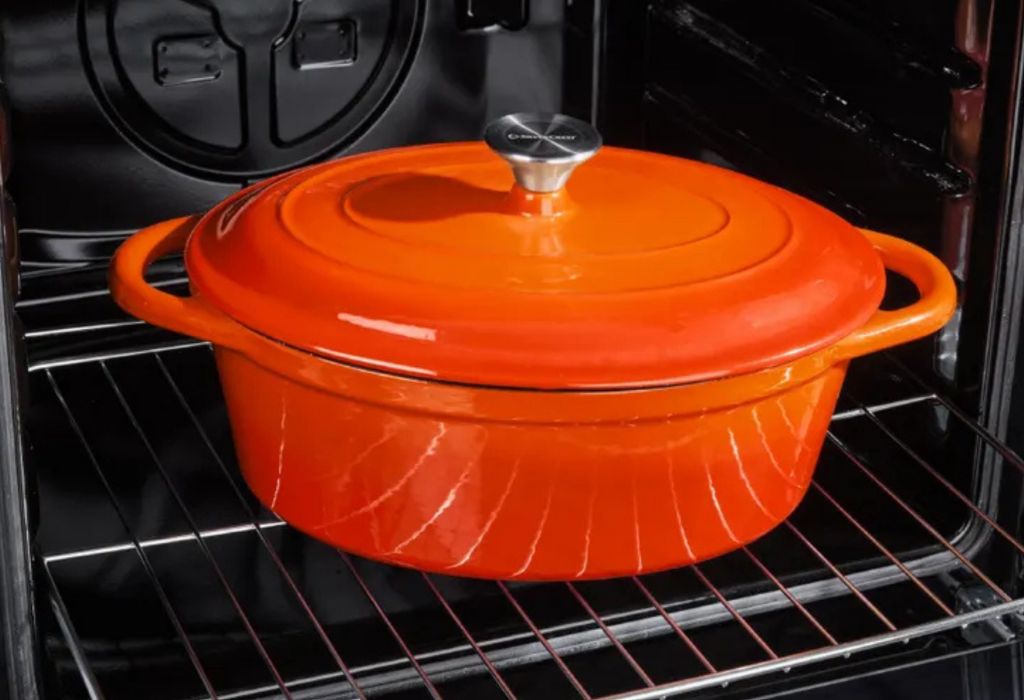
Hard water often leaves dull white spots or hazy film on enamel surfaces after dishwashing. These spots form when minerals like calcium and magnesium dry on hot enamel before being rinsed away. Though harmless, they cloud the glossy finish that makes Le Creuset cookware so beautiful.
To prevent this, add a rinse aid or switch to a detergent designed for glassware. These formulas contain agents that neutralize mineral ions, helping water sheet off cleanly. If your area has very hard water, consider installing a simple under-sink filter to reduce deposits altogether.
After each wash, dry your cookware immediately with a soft cloth. Leaving it to air-dry completely inside the dishwasher allows droplets to evaporate unevenly, creating residue rings. Wiping by hand also prevents corrosion on metal knobs and screws.
If you already have buildup, fill the pot or pan with equal parts white vinegar and warm water. Let it soak for 15 minutes, then rinse and dry. The vinegar dissolves mineral traces without affecting the enamel.
Avoid abrasive powders or acidic cleaners — both can permanently scratch or etch glossy finishes. Consistent gentle care keeps your Le Creuset glowing like new, even after hundreds of dishwashing cycles.
Troubleshooting Dishwasher Issues with Le Creuset
Even with proper loading and detergent, dishwasher cleaning sometimes leaves minor issues on Le Creuset pieces. Common problems include dull enamel, water spots, residue odor, and loose hardware. Understanding why they occur makes them easy to correct.
If the enamel appears cloudy or matte, detergent film is usually to blame. Wipe with a vinegar-damp cloth or polish gently with a baking-soda paste. When odors persist, remove metal knobs and soak both lid and pot in warm water with a tablespoon of baking soda for 20 minutes.
Loose handles or knobs often result from heat expansion during cycles. Tighten them periodically with a screwdriver, but never overtighten — it can crack the enamel under the screw head.
Rust around rims is another common complaint. It happens when moisture lingers on unenameled edges. Always dry these spots first after washing to stop oxidation before it begins.
Why does my Le Creuset smell metallic after dishwashing?
That scent comes from detergent reacting with metal hardware. Rinse again with warm water and dry thoroughly.
Can I polish faded enamel back to a gloss?
Yes, mild polishing compounds or baking-soda paste restore some shine, but prevention is best.
How do I stop my lid from rattling in the dishwasher?
Place a towel or silicone mat between items to cushion movement during cycles.
Is rust around the rim permanent?
No, scrub lightly with baking soda and apply a thin coat of food-grade oil to protect the edge.
Can enamel chip from dishwasher use?
Only if pieces knock together during washing. Load them apart and avoid overfilling racks.
Conclusion
So, is Le Creuset dishwasher safe? Technically, yes but with caution. The dishwasher won’t destroy your cookware, but it may fade its color and reduce that signature enamel shine. Hand-washing remains the safest method for preserving its timeless beauty.
Stoneware and stainless-steel pieces thrive in dishwashers, while non-stick and enameled cast iron need gentler care. Choosing mild detergents, skipping high-heat cycles, and drying thoroughly will keep your cookware looking showroom-ready.
Think of Le Creuset not as disposable cookware but as an heirloom investment. Every pot, pan, and mug tells a story, of shared meals, comfort food, and generations of family cooking.
With mindful care and cleaning, that story continues for decades, as bright and bold as the colors that define it.

I’m Emma J. Caldwell, the founder, lead writer, and home-cooking enthusiast behind KitchenGuideCo.com. With a background in culinary arts and over a decade of cooking experience in both professional and personal kitchens, I created this platform to demystify recipes, offer smart kitchen gadget reviews, and guide readers through meal prep with confidence and clarity.