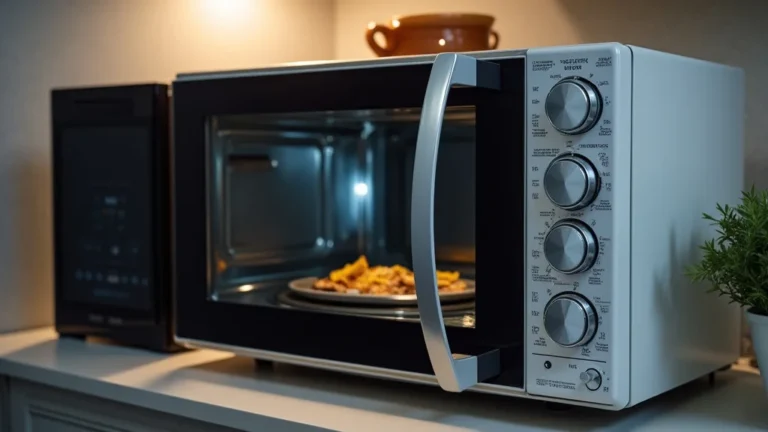
Melamine dinnerware often becomes a household favorite because of its bright colors, lightweight design and surprising durability.
People use it for kids, outdoor meals and everyday dining because it rarely chips or breaks. But when it comes to cleaning, many feel uncertain about placing melamine inside the dishwasher.
That hesitation usually appears the first time someone washes a melamine plate after a family meal.
They look at the glossy finish and wonder whether the heat, water pressure or detergent might harm the surface. The fear of discoloration or warping makes them pause before loading it.
Melamine is a unique type of plastic that behaves differently from ceramic or glass. It is strong enough to handle liquids and everyday use, but it reacts to high heat in ways that many people do not expect. Understanding these reactions helps prevent accidental damage.
Once people learn how melamine responds to dishwasher cycles, they feel more confident using it every day.
Proper placement, mild settings and a few safety precautions keep the dinnerware looking new. Knowing exactly when melamine is dishwasher safe turns guesswork into simple routine care.
What Makes Melamine a Popular Dinnerware Choice
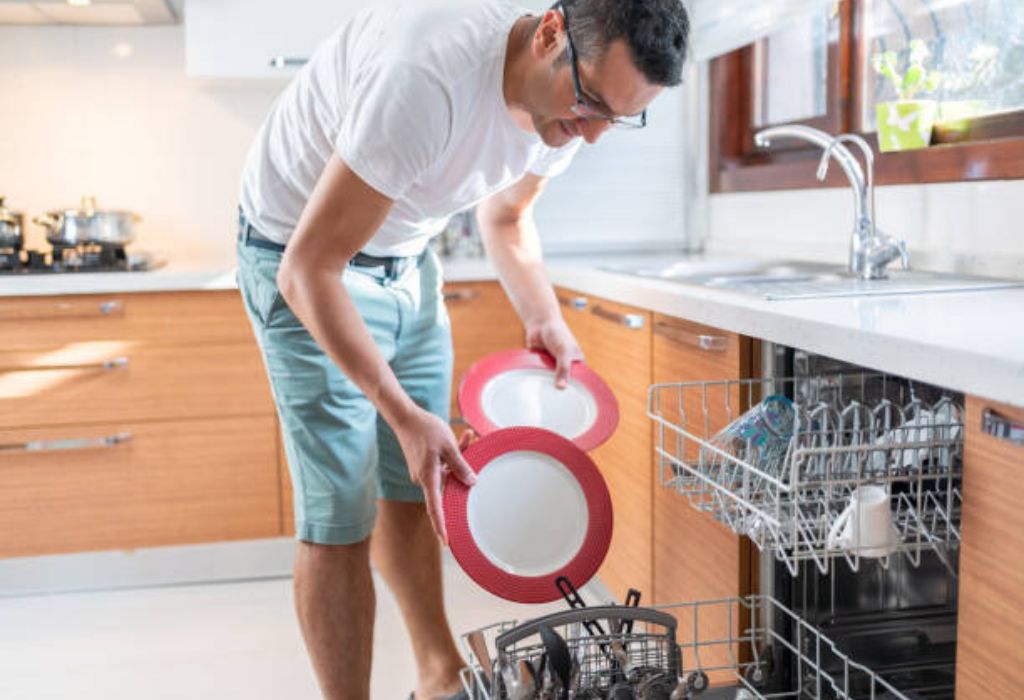
Melamine dinnerware is known for being lightweight, which makes it easier to handle than ceramic or glass. People appreciate how comfortable it feels during everyday use. This makes melamine especially popular in busy households.
Its durability is another major advantage. Melamine plates resist chipping, cracking and breaking even when dropped accidentally. This toughness makes them ideal for outdoor dining and children.
The colorful designs and glossy finishes attract many users. Melamine holds printed patterns well without fading quickly. This helps dinnerware stay visually appealing for a long time.
Melamine is also affordable compared to ceramic sets. Families can purchase entire dinnerware collections without spending much. This affordability increases its popularity.
Cleaning melamine is usually simple because food does not stick easily. The smooth surface allows quick rinsing or wiping after meals. This convenience adds to its practicality.
Many people choose melamine for picnics, camping and outdoor events. Its resistance to breaking makes it safer and easier to transport. This reliability helps melamine stand out.
Restaurants and cafeterias also rely on melamine for durability and cost effectiveness. The plates handle constant use without showing heavy wear. This long lifespan makes melamine a dependable option.
The combination of strength, beauty and convenience has made melamine a favorite choice. Its versatility supports everyday meals and special occasions. This popularity continues to grow across different settings.
Is Melamine Actually Dishwasher Safe
Melamine is considered dishwasher safe when used correctly because it can handle regular wash cycles. Many manufacturers label their melamine products as safe for the top rack. This placement protects the dinnerware from excessive heat.
Melamine should never be placed near the heating element inside the dishwasher. The intense heat from the bottom area can cause discoloration or warping. Using the top rack reduces this risk significantly.
While melamine can handle water pressure, the high temperatures during the drying phase can be damaging. Heat exposure for long periods weakens the glossy finish. Choosing a cooler cycle helps protect the surface.
Most modern melamine products are engineered to withstand detergent and washing conditions. However, repeated exposure to very hot water may dull the colors slightly. Careful cycle selection limits this effect.
The safety of melamine in dishwashers depends on proper placement. Loading it with enough space ensures water flows around it evenly. Crowded racks increase the chance of heat spots.
Manufacturers recommend avoiding sanitizing or extra hot cycles. These cycles exceed the safe temperature range for melamine. Mild settings preserve the material better.
Melamine should not be used for reheating or cooking. Despite its strength, it cannot tolerate microwave heat. This limitation is important when cleaning and storing the dinnerware.
With the right settings and placement, melamine remains safe for regular dishwasher use. Understanding these guidelines prevents damage and keeps the dinnerware looking new. Correct care ensures long lasting performance.
Is melamine safe on the top rack of the dishwasher?
Yes, the top rack keeps it away from strong heat.
Can melamine go through high heat drying cycles?
No, high heat can cause warping or discoloration.
Will dishwasher detergent damage melamine?
Normal detergent is safe, but extreme heat is the main concern.
Can I wash melamine daily in the dishwasher?
Yes, as long as it is placed on the top rack.
Why does melamine get dull over time?
Repeated hot cycles gradually weaken the glossy finish.
How Dishwasher Heat Affects Melamine Material
Dishwasher heat can affect melamine because the material reacts differently compared to ceramic or glass. While melamine handles warm water well, extreme heat creates stress on the surface. This stress can cause gradual fading or dullness.
The drying cycle is the most damaging stage for melamine. The high temperature during drying can weaken the glossy coating that gives melamine its shine. Over time, this leads to a worn or matte appearance.
Melamine becomes more sensitive when placed near the heating element. The bottom rack exposes plates to direct heat that plastic cannot tolerate. Keeping melamine on the top rack prevents this problem.
Heat can also cause slight warping in thinner melamine pieces. Warping occurs when one side is exposed to more heat than the other. Even a small warp can affect how the plate sits on a table.
Repeated exposure to very hot water may weaken the outer surface. This weakening makes the surface more likely to scratch during regular use. Proper cycle selection helps maintain a smooth finish.
Dishwashers with long intense wash cycles may push the temperature beyond melamine’s comfort range. Shorter or cooler cycles reduce the chance of heat damage. Choosing the right setting protects the material.
Unlike ceramic dishes, melamine cannot withstand rapid temperature shifts. Sudden changes from hot water to cold air may cause micro cracks. This lowers the long term durability of the dinnerware.
Understanding how heat affects melamine helps users select safe wash cycles. With careful use, melamine maintains its appearance and structure. Heat awareness extends the lifespan of the dinnerware.
The Correct Way to Wash Melamine in a Dishwasher
Washing melamine correctly begins with always placing it on the top rack. This position keeps it away from the heating element where temperatures are highest. Preventing direct heat contact protects the material.
Use mild or normal dishwasher cycles when cleaning melamine. These cycles deliver enough cleaning power without exposing the dinnerware to excessive heat. High heat cycles increase the risk of damage.
Space melamine pieces apart to allow water and detergent to circulate fully. Crowded racks trap heat and pressure, which can weaken the material. Proper spacing supports safe washing.
Avoid using sanitizing or extra hot drying modes. These settings push temperature levels well beyond melamine’s limits. Cooler drying methods preserve the glossy surface.
Remove food debris before placing melamine into the dishwasher. Stubborn residues may require extra scrubbing or heat, increasing the risk of wear. Light rinsing avoids unnecessary pressure.
Keep melamine away from metal pots or pans during washing. Heavy items can shift during cycles and scratch the surface. Protecting it from metal contact keeps it looking new.
Make sure the dishwasher is not overloaded. Overloading forces water to focus in certain areas and limit circulation. Balanced loading ensures consistent cleaning.
Following these simple steps keeps melamine safe during dishwasher use. Proper placement, spacing and settings prevent damage. With the correct method, melamine remains durable and attractive.
Common Mistakes People Make When Cleaning Melamine
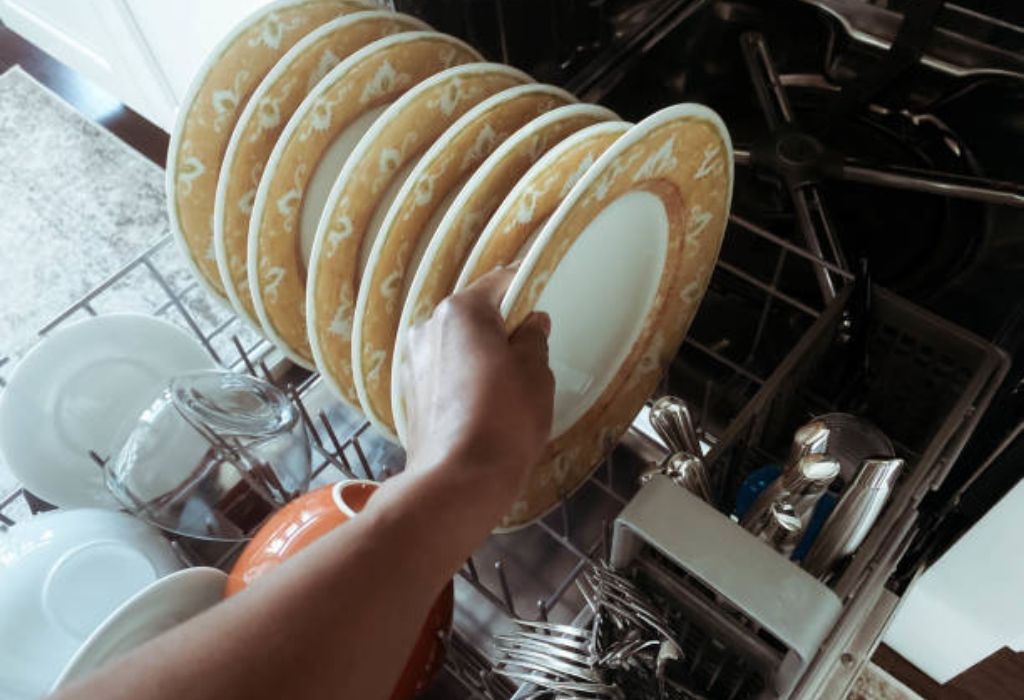
One common mistake is placing melamine on the bottom rack of the dishwasher. The bottom rack exposes the material to intense heat that can cause warping or discoloration. Using the top rack prevents this problem.
Another mistake is running melamine through sanitizing or extra hot cycles. These cycles exceed the safe temperature range for melamine and weaken the glossy surface. Cooler cycles are safer and more effective.
Some users overload the dishwasher, preventing water from circulating around melamine pieces. Limited water flow creates heat pockets that damage the material. Proper spacing allows even washing.
Using abrasive scrubbers or harsh detergents also harms melamine. Strong chemicals and rough pads scratch the surface easily. Mild detergents protect the finish.
People sometimes mix melamine with heavy cookware inside the dishwasher. Metal pots and pans may shift during cycles and scratch or dent melamine. Keeping them separate avoids this risk.
Leaving food stains on melamine before washing can cause discoloration. Heat intensifies these stains during the cycle. Rinsing briefly avoids long term marks.
Allowing melamine to undergo rapid temperature changes can shorten its lifespan. Moving it from very hot wash cycles to cold air too quickly creates micro cracks. Slow, gentle temperature changes are safer.
Improper handling makes melamine wear out faster than expected. Learning the correct cleaning methods helps keep it looking new. Good habits protect the dinnerware.
Can melamine go on the bottom rack of the dishwasher?
No, the bottom rack exposes it to excessive heat.
Why does melamine discolor in the dishwasher?
Hot cycles and trapped stains can cause fading.
Can strong detergent damage melamine?
Yes, harsh chemicals may dull or scratch the surface.
Why does melamine warp in the dishwasher?
High heat or uneven temperature exposure can cause warping.
Should melamine be washed separately from metal cookware?
Yes, metal items can scratch melamine during washing.
Can Melamine Warp, Fade or Crack in Dishwashers
Melamine can warp when exposed to intense heat, especially on the bottom rack. The heat softens the material slightly and changes its shape. This warping can make the dinnerware unstable on flat surfaces.
Fading is another common issue caused by very hot wash cycles. The glossy surface gradually becomes dull after repeated high temperature exposure. This dullness is cosmetic but long lasting.
Cracking occurs when melamine undergoes rapid temperature changes. Moving directly from hot water to cool air creates stress lines that weaken the material. Over time, these lines may lead to small cracks.
Thin melamine pieces are more likely to warp or fade. Thicker designs resist heat better. Choosing high quality melamine reduces these risks.
Dishwashers with aggressive spray pressure may cause scratching when melamine rubs against hard items. Scratches collect residue and increase discoloration. Proper spacing minimizes this problem.
Hard water minerals can also cause surface roughness. Mineral deposits cling to melamine and create a gritty feel. Regular cleaning solutions remove these deposits.
Using cooler wash settings helps prevent all three problems. Mild cycles maintain the integrity of the material. Careful heat control ensures long lasting performance.
Melamine’s durability depends on how well it is maintained. Heat awareness and gentle cleaning methods keep it looking new. With proper care, melamine remains a reliable option for everyday dining.
Tips to Keep Melamine Looking New Longer
Keeping melamine looking new begins with using gentle wash cycles. Cooler settings protect the glossy finish and prevent fading. This simple step helps the dinnerware maintain its bright appearance.
Avoid stacking melamine too tightly in cabinets. When plates rub against each other, tiny scratches appear over time. Using soft liners between stacked pieces reduces friction.
Handwashing occasionally helps preserve the surface. Gentle scrubbing with mild soap removes stains without exposing the material to intense heat. Alternating between handwashing and dishwasher cleaning provides balanced care.
Always store melamine in a dry place. Moisture trapped between stacked pieces can cause slight discoloration. Drying thoroughly keeps melamine fresh.
Use only soft sponges or microfiber cloths during cleaning. Abrasive pads leave scratches that collect residue and dull the surface. Soft tools maintain smoothness.
Avoid using melamine for hot foods straight from the stove. Extremely high temperatures can stress the plastic. Allowing food to cool slightly protects the dishware.
Do not expose melamine to direct sunlight for long periods. Sunlight may fade the printed designs over time. Storing melamine indoors preserves colors.
With proper care, melamine remains bright and durable for many years. Good habits prevent unnecessary wear. These simple tips protect the material’s longevity.
Troubleshooting When Melamine Looks Damaged
If melamine appears faded after washing, high heat is usually the cause. Prolonged exposure to hot cycles weakens the surface coating. Switching to cooler cycles prevents further fading.
Warping is a sign that melamine spent too much time near the heating element. Warped pieces may no longer sit flat on tables. Keeping melamine on the top rack avoids this problem.
Cloudiness on the surface often comes from detergent residue. Strong detergents may leave a thin film that dulls the appearance. Soaking the dish in warm soapy water usually restores clarity.
Scratches can develop when melamine rubs against metal cookware or utensils. These scratches collect dirt and make the surface look worn. Separating melamine from heavy items prevents this issue.
Stains from sauces or flavored drinks sometimes cling to the surface. Heat intensifies these stains during washing. Pre rinsing before loading reduces long term staining.
Roughness on the surface may come from hard water deposits. Minerals stick to melamine and change its texture. A vinegar soak helps remove these deposits safely.
Cracks or stress lines appear when melamine is exposed to rapid temperature shifts. Moving from hot wash cycles to cold air creates tension in the material. Allowing melamine to cool naturally prevents cracking.
Most appearance issues can be resolved with gentle cleaning and better wash settings. Recognizing the cause helps prevent future damage. Proper troubleshooting keeps melamine looking newer for longer.
Why is my melamine dull after dishwashing?
Hot cycles weaken the glossy finish.
Why did my melamine plate warp?
Bottom rack heat or uneven temperatures often cause warping.
Can I remove scratches from melamine?
Light scratches can sometimes be reduced with gentle polishing.
Why does my melamine feel rough?
Hard water minerals may create surface roughness.
Can melamine stains be removed?
Soaking in warm soapy water or vinegar usually helps lighten stains.
How Often Should You Use the Dishwasher for Melamine
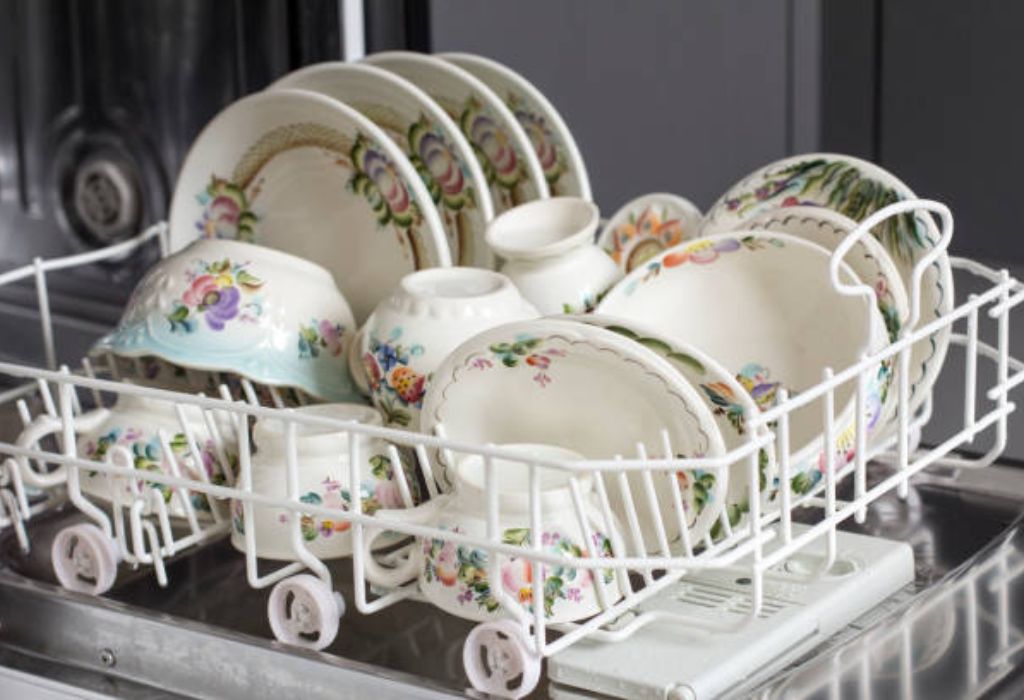
Melamine dinnerware can be washed in the dishwasher regularly as long as the correct settings are used. Many families wash melamine daily without any issues. Top rack placement remains the most important rule.
Frequent washing does not damage melamine when mild cycles are used. Cooler temperatures help maintain its glossy finish. This routine keeps the material strong over time.
If you notice fading or surface dullness, reducing dishwasher frequency may help. Alternating between handwashing and dishwasher cleaning creates balance. This prevents overexposure to heat.
Households using extra hot or sanitizing cycles should wash melamine less often. These intense cycles gradually weaken the surface. Limiting them protects the material.
Melamine used for outdoor meals or children’s activities may need more frequent washes. Food residue dries quickly and becomes harder to remove. Regular cleaning keeps the plates fresh.
If your dishwasher has adjustable temperature settings, choose warm or medium cycles. These provide enough cleaning power without stressing the material. This approach supports long term durability.
Using the dishwasher two to four times per week for melamine is considered safe. Light use reduces heat exposure while maintaining hygiene. This frequency suits most households.
Assessing your dishwasher habits helps determine the ideal cleaning routine. The key is balancing convenience with material safety. Consistent care keeps melamine in good condition.
Conclusion
Always check the manufacturer’s label before washing melamine. Labels provide important guidance on temperature limits and care instructions. Following these tips prevents accidental damage.
Use only the top rack when placing melamine in the dishwasher. The bottom rack exposes the material to extreme heat that can warp or fade it. Top placement offers the safest environment.
Avoid using melamine for very hot foods such as boiling soup or stovetop meals. Extreme temperatures strain the material. Allowing food to cool slightly preserves the dishware.
Do not microwave melamine under any conditions. The material cannot withstand microwave heat and may become damaged. Keeping it out of the microwave protects its structure.
Rinse melamine after meals to prevent stains from setting. Heat intensifies stains during washing, making them harder to remove. Early rinsing avoids discoloration.
Handle melamine gently to avoid scratches. Hard utensils and metal cookware can damage the surface. Careful handling keeps melamine looking new.
Dry melamine completely before storing it. Moisture trapped between plates may cause odor or discoloration over time. Air drying maintains freshness.
With proper handling and cleaning methods, melamine remains durable for years. Safe practices protect its color, shape and shine. Consistent care ensures long lasting performance.

I’m Emma J. Caldwell, the founder, lead writer, and home-cooking enthusiast behind KitchenGuideCo.com. With a background in culinary arts and over a decade of cooking experience in both professional and personal kitchens, I created this platform to demystify recipes, offer smart kitchen gadget reviews, and guide readers through meal prep with confidence and clarity.