Ninja blenders have become a kitchen favorite for smoothies, shakes, sauces and quick meal prep. With daily use, cleaning becomes a constant task that many people want to simplify.
This is why so many users wonder whether Ninja blender cups, lids and blades are truly safe to wash in the dishwasher.
Some people worry that the dishwasher might dull the blades or weaken the seals. Others fear that the plastic cups could become cloudy or warped because of repeated heat exposure.
These concerns make users hesitant, especially when the blender is an expensive appliance that they want to protect.
Imagine finishing a long day and dropping your Ninja blender parts straight into the dishwasher to save time. The next morning, you expect clean cups and accessories ready for your next smoothie. But you also wonder whether doing this repeatedly could damage the parts.
Blender blades are especially concerning for many people. They are sharp and precise, and owners fear that dishwashing might reduce their performance. Understanding how dishwashers interact with metal blades helps remove that fear.
Plastic cups and lids also raise questions. Many people worry about heat, staining and odor retention. Knowing how these materials behave in dishwashers gives users more confidence in their cleaning choices.
This guide explains everything you need to know about whether Ninja blenders are dishwasher safe. From what the manufacturer says to long term care tips, each section helps you clean your blender safely and effectively.
By the end, you will know exactly how to protect your Ninja blender and use it confidently every day.
WHY PEOPLE ASK WHETHER NINJA BLENDERS ARE DISHWASHER SAFE

Many people use their Ninja blender every day for smoothies, shakes, sauces or meal prep, which makes cleaning a constant task.
When daily use becomes routine, the dishwasher feels like the easiest and fastest cleaning solution. This convenience makes users wonder whether all parts of the Ninja blender are truly safe to place inside.
Some people worry that the sharp stainless steel blades may lose their edge in a dishwasher. They fear that the strong water pressure and powerful detergent might dull the cutting edges over time. This makes them think twice before placing blades in the machine.
Others are concerned about the plastic cups and lids. They think dishwashers might cause cloudiness, small cracks or warping due to heat exposure. This concern is common for those who have seen other plastic containers get damaged over time.
The gasket and sealing rings also create questions. These rubber components collect moisture and residue in tiny grooves, and users wonder if dishwashers clean them well. People also worry that heat might weaken the rubber.
Online opinions add to the confusion. Some people report years of dishwasher use with no issues, while others say they noticed small changes in clarity or tightness. These mixed experiences make it hard to know what advice to trust.
People also want to protect their investment. Ninja blenders are not cheap, so owners want to make sure they clean the parts without causing damage. This makes the dishwasher safety question extremely important.
WHAT NINJA SAYS ABOUT DISHWASHER SAFETY
Ninja officially states that most of their blender cups, lids and blades are dishwasher safe. They design these parts using durable plastic and stainless steel that can handle the temperature and water pressure inside a typical dishwasher. This reassurance helps users feel more confident about using dishwashers.
However, Ninja recommends placing the cups and lids on the top rack. The top rack exposes them to gentler heat and softer spray pressure. This protects plastic components from warping or cracking.
Blades are also labeled dishwasher safe, but caution is advised. While the metal can handle the dishwasher environment, placing blades loosely may cause them to knock against other items. Using the top rack or a secure utensil holder is safer.
Ninja also provides instructions for gaskets. They recommend removing the gasket from the lid before washing to ensure thorough cleaning. This prevents grime buildup and odor formation.
The company warns users never to place the motor base in the dishwasher. The base contains electrical components that must only be wiped clean. Submerging it in water would cause permanent damage.
Ninja’s warranty covers defects but not damage caused by improper cleaning. Following the official guidelines ensures long term safety. This makes the dishwasher cleaning method completely acceptable for most parts.
HOW DISHWASHERS AFFECT BLENDER CUPS, BLADES AND LIDS
Dishwashers rely on high heat and strong water pressure to clean food residue effectively. These features can be beneficial for blender cups and lids because they remove sticky liquid easily. However, heat and detergent combinations may affect certain materials differently.
Plastic cups may become cloudy after repeated dishwasher cycles. This cloudiness does not affect performance but may change appearance. It is caused by heat exposure and detergent contact.
Blades can dull slightly over long term washing. Dishwasher detergent is abrasive and can erode the cutting edge slowly. Strong water pressure also pushes blades against surfaces in the dishwasher.
Gaskets suffer the most from repeated dishwasher use. Rubber may lose elasticity when exposed to strong heat. This can create sealing issues for the blender lid.
Hard water in some regions can leave mineral spots on blender parts. These mineral marks are harmless but may look unattractive. A vinegar rinse removes them quickly.
The drying cycle also affects parts. Strong heated drying can cause plastic to warp or lids to loosen over time. Air drying helps prevent this.
These effects vary based on dishwasher type, detergent quality and water hardness. With proper placement and cleaning habits, dishwashers can safely clean Ninja blender parts. Understanding these effects helps users minimize risk.
HOW TO SAFELY WASH NINJA BLENDER PARTS IN THE DISHWASHER
Start by fully disassembling all blender components. Separate the cup, lid, gasket and blade assembly to ensure complete cleaning. This prevents residue from hiding in tight areas.
Remove the gasket from the lid. Gaskets trap moisture and small bits of food. Cleaning them separately prevents mold and odor.
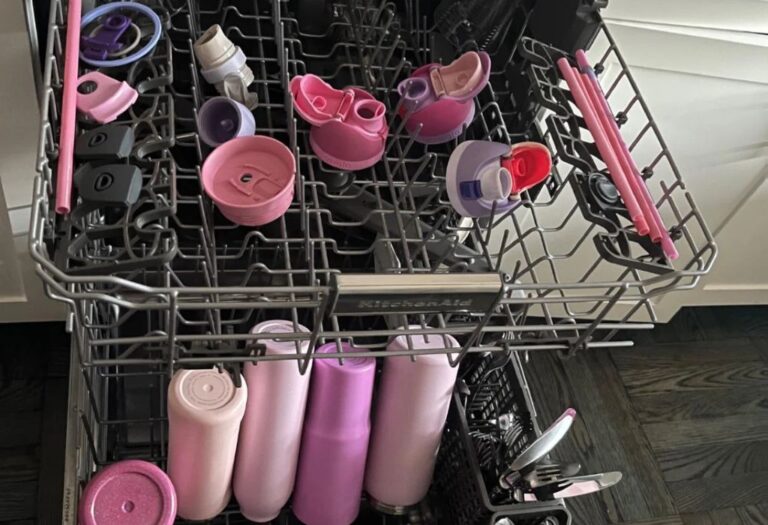
Place the cups and lids on the top rack of the dishwasher. The top rack protects them from excessive heat. This helps maintain shape and clarity.
Place blades in a safe location. Many users put them on the top rack or inside a utensil basket. This prevents them from hitting other items and risking dullness.
Use mild, non abrasive dishwasher detergent. Strong detergent may damage the plastic or leave residue. Mild formulas keep parts clean without harming materials.
Choose a normal wash cycle rather than heavy or heated drying. Normal cycles clean effectively without causing unnecessary stress to plastic or rubber. Heated drying should be avoided for delicate parts.
Let the parts air dry after washing. Air drying prevents moisture from staying trapped in lids or gaskets. This keeps the blender smelling fresh.
COMMON MISTAKES PEOPLE MAKE WHEN WASHING NINJA BLENDERS
One common mistake is washing the blade on the bottom rack. The bottom rack exposes blades to intense heat and pressure. This may cause dulling or bending over time.
Many users forget to remove the gasket before placing the lid in the dishwasher. Gaskets trap moisture and food residue in hidden areas. Not removing them may cause odor or mold growth.
Using heavy or abrasive detergents is another mistake. These detergents weaken plastic and cause cloudiness. Mild detergent is much safer for blender parts.
Some people place non dishwasher safe parts into the dishwasher by accident. Certain models have specialized lids or cups that are only hand wash safe. Ignoring labels can lead to damage.
Overloading the dishwasher prevents parts from getting fully cleaned. When items touch each other, water pressure cannot reach all surfaces. This leaves smoothie residue behind.
Not cleaning the blade base thoroughly is a common issue. Even if dishwasher safe, blades sometimes need pre rinsing. Sticky fruit or peanut butter may require manual scrubbing.
Leaving parts wet after washing causes odor problems. Moisture trapped in lids forms mildew. Drying components completely prevents this.
WILL DISHWASHERS DAMAGE NINJA BLENDER PARTS OVER TIME
Dishwashers may dull blender blades after long term use. Repeated exposure to detergent wears down the metal edge slowly. Although blender blades do not need to be razor sharp, dulling affects performance.
Plastic cups may lose clarity and become cloudy. Heat exposure and detergent contact cause small surface changes. This does not affect functionality but may affect appearance.
Rubber gaskets age faster with repeated dishwasher cycles. Heat weakens the rubber material. Replacing gaskets regularly helps maintain a proper seal.
Lids may discolor or weaken. Over time, dishwasher heat can cause slight warping. This makes them less effective at sealing the cup.
Printed measurements on cups may fade. Dishwasher detergent can cause printed markings to wear away. Using mild detergent reduces this risk.
Odor buildup is possible if parts do not dry properly. Moisture promotes bacterial growth. Removing gaskets and air drying helps prevent odor.
Despite these potential issues, the blender body and cups remain structurally strong. Most changes are cosmetic rather than functional. With proper care, Ninja blender parts can handle dishwashing for years.
HAND WASHING VS DISHWASHER FOR NINJA BLENDERS
Hand washing offers more control when cleaning sharp blades. Users can scrub carefully without risking blade collisions. This helps preserve sharpness longer.
Dishwashing provides fast and easy cleaning. It is ideal for daily use when time is limited. This convenience appeals to many busy households.
Hand washing protects plastic cups from cloudiness. It avoids repeated exposure to dishwasher heat. This helps maintain clarity longer.
Dishwashers sanitize parts more thoroughly. High heat kills bacteria and removes sticky residue. This keeps cups hygienic after repeated use.
Hand washing helps reach tight corners more effectively. Scrubbing near blade edges ensures all residue is removed. This prevents hidden buildup.
Dishwashers clean lids and gaskets well if properly placed. Hot water removes odors trapped in rubber. This helps maintain freshness.
Choosing between methods depends on personal preference. Many people use both methods depending on time. Balancing both provides the best long term care.
HOW TO DEEP CLEAN NINJA BLENDER PARTS SAFELY
Baking soda helps remove stubborn stains. Mixing it with warm water forms a gentle cleaning paste. This removes smoothie residue without scratching.
Vinegar is effective against mineral buildup. Soaking cups in vinegar helps dissolve hard water spots. This restores clarity to plastic.
Lids need detailed deep cleaning. Using a small brush helps reach inside crevices. This ensures no hidden food remains.
Gaskets must be cleaned separately for hygiene. Soaking them in warm soapy water removes bacteria. Rinsing well prevents lingering odor.
Heavy smoothie stains require extra cleaning effort. A mix of baking soda and dish soap removes deep residue. This makes cups look new again.
Removing oil residue is important. Oils from nut butters or sauces stick to plastic easily. Vinegar or lemon water helps cut through oils.
Deep cleaning prevents mold and odor. Doing this regularly keeps the blender fresh. Monthly maintenance extends lifespan.
SIGNS YOUR NINJA BLENDER PARTS NEED REPLACEMENT
Cracked cups indicate structural weakness. Small cracks may spread over time. Replacing the cup prevents leaks or breaks.
Rust spots on blades show metal deterioration. Even stainless steel can rust if damaged. Rust indicates it is time for a new blade assembly.
Loose or stretched gaskets fail to seal properly. When this happens, the blender may leak. Replacing gaskets restores performance.
Persistent odors mean deep residue has built up. If multiple cleanings fail to remove the smell, the part is compromised. Replacement becomes necessary.
Cloudy plastic that never clears indicates long term wear. Over time, scratches and heat damage accumulate. New cups restore clarity.
Bent blades cannot blend properly. They reduce blending efficiency. Replacement ensures proper performance.
Lids that no longer lock tightly show aging. A loose lid can spill or leak. Replacing it ensures safety.
CAN DISHWASHERS AFFECT NINJA BLENDER PERFORMANCE OVER TIME
Dishwashers expose blender parts to heat, detergent and pressure, which can influence long term performance. These elements slowly affect sharpness, gasket tightness and lid durability. Although the effects are gradual, they become noticeable after heavy daily use.
The blades can become slightly dull over time because of repetitive detergent contact. Dull blades require more effort from the motor during blending. This increases motor strain and can reduce blending efficiency.
Plastic cups may lose clarity and begin to look worn. Cloudiness comes from micro scratches caused by detergent and water force. Although this does not affect blending, it changes the appearance of the part.
Lids may loosen with long term dishwasher exposure. Repeated heat cycles can weaken plastic fibers. This affects how tightly the lid locks during blending.
Gaskets may stretch or dry out faster than expected. Dishwashers expose rubber seals to heat that shortens their lifespan. Worn gaskets cause leaks during blending.
Odor retention can increase if cups or lids stay damp after washing. Moisture trapped around the gasket area encourages mold growth. Air drying is essential for avoiding this issue.
Despite these long term effects, most Ninja blender parts remain functional for a long time. The dishwasher mainly affects appearance and minor performance details. With proper care, the blender continues to work effectively.
HOW TO EXTEND THE LIFE OF NINJA BLENDER PARTS

Rinsing blender parts immediately after use prevents residue from sticking. Quick rinsing reduces the need for heavy scrubbing later. This also helps parts stay cleaner overall.
Removing gaskets before cleaning will keep them healthier. Gaskets last longer when they are washed gently and dried completely. Regular gasket care prevents leaks.
Using mild detergent keeps plastic and blades in better shape. Strong detergent can cause premature wear on cups and lids. Mild cleaners protect the finish and clarity of the material.
Air drying prevents odor and mold from forming in hidden places. Keeping parts out in the open allows moisture to evaporate fully. Dry parts stay fresher and safer for long term use.
Avoid stacking parts together when wet. Trapped moisture between cups encourages bacterial growth. Keeping parts separated during drying reduces contamination.
Storing the blender with the lid off helps airflow. This prevents smells from building inside the cup. Fresh airflow keeps the blender ready for the next use.
Replacing small parts like gaskets and lids extends overall blender life. These items wear faster than the cups or blades. Fresh parts improve blending performance and safety.
Frequently Asked Questions on Cleaning Ninja Blender Parts
Are all Ninja blender parts dishwasher safe?
Most Ninja cups, lids and blades are dishwasher safe, but not all models have the same instructions. The motor base should never be washed in the dishwasher. Always check the label on your specific Ninja model.
Can Ninja blender blades go in the dishwasher?
Yes, but it is safer to place the blades on the top rack. This prevents strong heat and pressure from dulling the cutting edges. Proper placement helps maintain blade sharpness longer.
Will the dishwasher make Ninja blender cups cloudy?
Repeated dishwasher cycles and strong detergent can make plastic cups cloudy. This does not affect performance but changes the look. A vinegar soak can help reduce cloudiness.
Should I remove the gasket before washing Ninja blender lids?
Yes, the gasket should always be removed for proper cleaning. Food and moisture often collect underneath the rubber ring. Cleaning it separately prevents odor and mold.
Can the dishwasher dull Ninja blender blades?
Over time, dishwasher detergent may slowly dull the blades. Blades remain functional, but performance may decrease slightly. Hand washing helps keep blades sharper longer.
Can heat from the dishwasher damage Ninja blender lids?
Yes, if lids are placed on the bottom rack where heat is strongest. The top rack is safer and prevents warping. Proper placement keeps lids in good condition.
Why does my Ninja blender lid smell after dishwashing?
Odor usually comes from moisture trapped under the gasket. If the gasket is not removed and dried, bacteria can grow. Removing and air drying the gasket prevents this.
Can I wash the Ninja motor base in the dishwasher?
No, the motor base must never be placed in the dishwasher. It contains electrical parts that will get damaged by water. Clean the base with a damp cloth only.
What detergent is best for washing Ninja blender parts?
A mild, non abrasive detergent is the safest choice. Harsh detergents may damage plastic and dull the surface. Mild formulas protect the blender parts.
Why is there still residue in my Ninja blender cup after using the dishwasher?
Overloading the dishwasher or placing the cup too close to other items blocks water flow. This prevents thorough cleaning of sticky smoothie residue. Proper spacing ensures better washing results.
Conclusion
Remove the gasket regularly to prevent hidden buildup. Cleaning underneath keeps the lid fresh. This improves hygiene for every use.
Use mild soap for daily cleaning. Harsh chemicals damage plastic and cause dullness. Mild cleaners protect the materials.
Dry all parts completely after washing. Moisture causes odor and mold inside lids. Air drying is the most effective method.
Avoid using abrasive scrubbers. These scratch plastic cups. Soft sponges keep them smooth.
Do not expose cups to extreme heat outside the dishwasher. High heat causes warping. Room temperature storage is ideal.
Use vinegar occasionally for deep cleaning. This removes mineral spots and oil residue. It keeps cups clear and fresh.
Regular maintenance extends the blender’s lifespan. Ninja blenders stay reliable when cleaned consistently. Healthy cleaning habits ensure long term performance.

I’m Emma J. Caldwell, the founder, lead writer, and home-cooking enthusiast behind KitchenGuideCo.com. With a background in culinary arts and over a decade of cooking experience in both professional and personal kitchens, I created this platform to demystify recipes, offer smart kitchen gadget reviews, and guide readers through meal prep with confidence and clarity.