Selecting the right cookware is one of the most important decisions for a safe and efficient kitchen. Non stick aluminum cookware is popular for its lightweight design and convenience, but many home cooks question whether it is truly safe for everyday use.
Concerns about chemical coatings, metal leaching, and high-heat cooking have sparked curiosity among health-conscious individuals. Studies indicate that over 60% of consumers are unsure about the safety of non stick aluminum cookware, particularly regarding PTFE and PFOA exposure (source).
At the same time, the benefits of non stick aluminum are undeniable. It heats quickly, distributes heat evenly, and allows for low-fat cooking with minimal oil, offering both convenience and energy efficiency in the kitchen.
Understanding the risks and proper usage is key to maximizing safety while enjoying the advantages of this cookware. Questions about chemical exposure, high-temperature reactions, and longevity often determine whether it is suitable for family meals.
What Is Non Stick Aluminum Cookware?
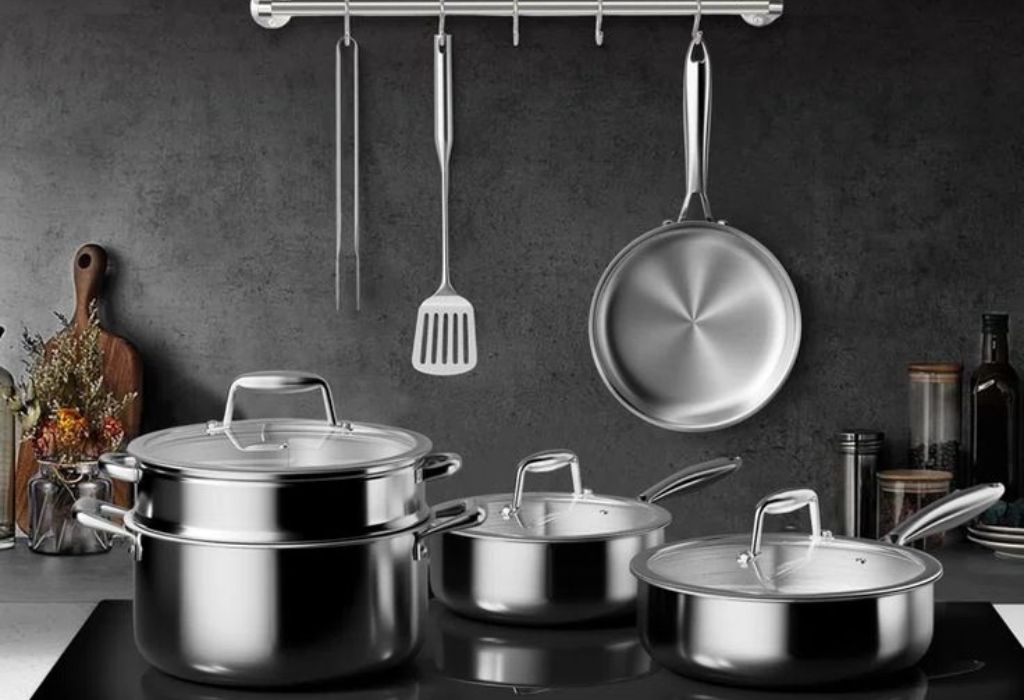
Non stick aluminum cookware combines lightweight aluminum with a non-stick surface to make cooking and cleaning easier. The aluminum base provides excellent heat conductivity, allowing food to cook evenly and quickly, while the non-stick coating prevents sticking and reduces the need for excessive oils.
These pans are typically coated with PTFE, PFOA-free formulations, or ceramic layers. Modern manufacturing has largely eliminated harmful PFOA chemicals, making most contemporary non stick aluminum cookware safe for everyday use.
The coating is designed to resist scratching and maintain a smooth cooking surface, though careful handling is essential to prevent damage.
One of the key benefits of non stick aluminum cookware is its versatility. It is suitable for a wide range of cooking techniques, from sautéing and frying to gentle simmering, and is especially convenient for low-fat cooking.
The lightweight design also makes it easier to maneuver, particularly when handling larger pans full of food.
While the combination of aluminum and non-stick coatings offers convenience, it is important to consider potential health implications and proper use. Overheating, use of metal utensils, or degradation of the coating over time can affect both performance and safety.
Choosing anodized or high-quality PFOA-free cookware can mitigate many of these risks while maintaining the advantages of quick heating and easy cleanup.
In summary, non stick aluminum cookware is a practical solution for everyday cooking, offering fast heat distribution, low-fat cooking benefits, and simple maintenance. Understanding its composition, proper use, and limitations helps maximize both safety and efficiency in the kitchen.
Benefits of Non Stick Aluminum Cookware
Non stick aluminum cookware offers a combination of convenience, efficiency, and health-friendly cooking. Its lightweight design makes it easy to lift, handle, and maneuver, which is particularly helpful when cooking large meals or transferring hot pans from the stove.
One of the main advantages is its excellent heat conductivity. Aluminum heats up quickly and distributes temperature evenly, reducing the chances of hot spots and ensuring that food cooks consistently. This efficiency not only saves time but also conserves energy, making it a practical choice for everyday use.
The non-stick coating enhances both cooking and cleanup. Food slides easily off the surface, which minimizes sticking and reduces the need for added fats or oils, supporting low-fat and healthier cooking methods. Cleanup is also faster, as most residues can be wiped away without intense scrubbing.
Durability and versatility are additional benefits. High-quality non stick aluminum cookware, especially anodized or PFOA-free varieties, can withstand moderate cooking temperatures, is resistant to corrosion, and remains functional for several years with proper care.
It is suitable for a wide range of cooking techniques, including sautéing, frying, and gentle simmering, providing flexibility for diverse meal preparation.
In summary, non stick aluminum cookware combines efficiency, ease of use, and health-conscious cooking. Its rapid heat distribution, low-fat cooking support, and lightweight design make it a practical and reliable option for home cooks seeking convenience and performance in their kitchen tools.
Potential Health Risks
While non stick aluminum cookware is convenient and widely used, understanding potential health risks is important for safe everyday use. Concerns often focus on chemical leaching, exposure to aluminum, and the breakdown of non-stick coatings under high heat.
Aluminum itself can react with acidic foods if uncoated, which may slightly alter flavors or contribute trace amounts of metal to food. However, anodized or coated aluminum significantly reduces this risk, making it suitable for regular cooking.
Non-stick coatings, particularly older PTFE-based layers, can degrade at temperatures above 500°F, releasing fumes that may cause temporary respiratory irritation.
Modern PFOA-free and PTFE coatings are designed to withstand normal cooking temperatures without significant chemical release, mitigating most health concerns.
Another factor to consider is the use of metal utensils or abrasive cleaning methods. These practices can damage the coating, potentially exposing the aluminum beneath and reducing the effectiveness of the non-stick surface.
Over time, compromised coatings may require replacement to maintain both safety and performance.
In summary, non stick aluminum cookware is generally safe when used correctly. Potential risks are minimal with high-quality, properly maintained pans, and adhering to manufacturer guidelines ensures both safe cooking and long-term performance.
Awareness of heat limits, coating integrity, and proper cleaning practices allows home cooks to enjoy the benefits of non-stick aluminum while minimizing health concerns.
Safe Use and Maintenance Tips
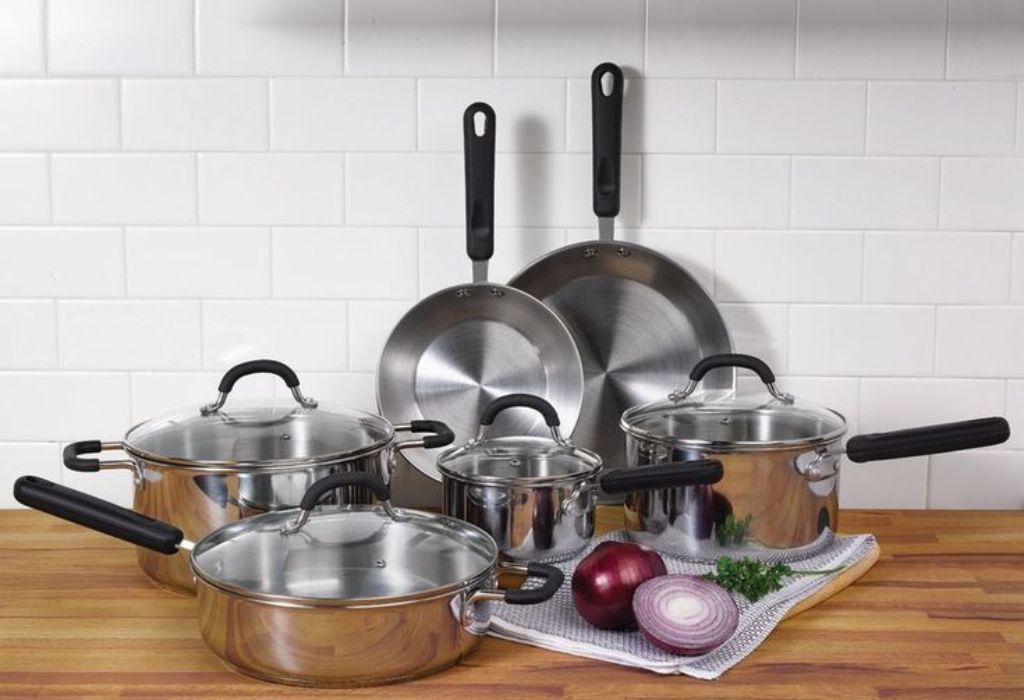
Proper use and maintenance are essential to ensure non stick aluminum cookware remains safe and effective over time. Following manufacturer guidelines and adopting careful cooking practices can extend the lifespan of the pan while minimizing potential health risks.
Avoid overheating empty pans, as extreme temperatures can degrade the non-stick coating and release harmful fumes. Using low to medium heat for most cooking tasks preserves the coating and prevents unnecessary wear.
Utensil choice is also important. Wooden, silicone, or plastic tools prevent scratches, while metal utensils can damage the non-stick surface and expose underlying aluminum. Similarly, hand washing with soft sponges and mild detergents helps maintain the coating and prevents abrasion.
Storing cookware properly contributes to longevity. Avoid stacking pans directly on top of each other without protective layers, as this can cause scratches or chipping. Inspect cookware regularly and replace any pan showing signs of peeling, flaking, or significant damage.
In summary, safe use and maintenance involve temperature control, proper utensils, gentle cleaning, and careful storage. By following these practices, home cooks can ensure that non stick aluminum cookware remains a reliable, efficient, and safe tool for everyday cooking.
Comparison With Other Cookware
Non stick aluminum cookware offers distinct advantages and limitations when compared to ceramic, stainless steel, or cast iron cookware. Each material provides unique performance, durability, and safety characteristics, making them suitable for different cooking needs.
Aluminum heats quickly and distributes temperature evenly, which provides a clear advantage over stainless steel in terms of energy efficiency and rapid cooking.
Ceramic cookware offers a chemical-free non-stick surface and excellent heat retention but tends to heat more slowly and requires careful handling to avoid chipping.
Stainless steel is durable, scratch-resistant, and ideal for high-heat searing, but food can stick more easily and requires more oil for cooking.
Cast iron excels in heat retention and long-term durability but is heavy, requires seasoning, and demands more maintenance to prevent rust.
Non stick aluminum cookware strikes a balance between convenience and performance. It provides fast heating, ease of cleaning, and low-fat cooking support while being lightweight and manageable.
While it may not match the high-heat durability of cast iron or the chemical-free surface of high-quality ceramic, it remains a practical and safe option for everyday cooking when used correctly.
In summary, non stick aluminum is ideal for home cooks seeking a combination of speed, convenience, and moderate durability. Considering cooking style, heat requirements, and maintenance preferences helps determine which type of cookware best suits individual kitchen needs.
Expert Recommendations
Experts emphasize choosing high-quality non stick aluminum cookware to ensure safety and long-term performance. PFOA-free, PTFE-coated, or anodized options provide reliable non-stick surfaces while minimizing the risk of chemical exposure.
Proper heat management is essential. Using moderate temperatures, avoiding empty pan overheating, and limiting prolonged high-heat cooking preserve the coating and reduce potential risks.
Utensil choice and cleaning practices also play a critical role. Silicone, wooden, or plastic tools protect the non-stick surface, while hand washing with gentle sponges prevents scratches and maintains coating integrity.
Many experts recommend combining cookware types in the kitchen. Non stick aluminum can be used for everyday low-fat or moderate-heat cooking, while stainless steel or cast iron can be reserved for high-heat searing and baking tasks. Hybrid options, such as ceramic-coated aluminum, offer additional safety and durability benefits.
In summary, selecting high-quality cookware, practicing careful heat management, and adhering to proper maintenance guidelines ensures both safety and performance.
Following these expert recommendations allows home cooks to enjoy the convenience, efficiency, and versatility of non stick aluminum cookware without compromising health or cooking results.
Eco-Friendly and Sustainability Considerations
In today’s world, sustainability is becoming an essential factor when choosing cookware. Many consumers are not only concerned with cooking performance and safety but also with the environmental impact of the materials and production processes used.
Non stick aluminum cookware, while highly convenient and efficient in the kitchen, has ecological implications that deserve attention.
Aluminum is one of the most recyclable metals in the world, and recycling it requires significantly less energy than producing new aluminum from raw ore.
This means that even when cookware reaches the end of its lifespan, it can be repurposed rather than contributing to landfill waste.
Choosing high-quality non stick aluminum cookware ensures durability, which reduces the frequency of replacement and consequently the environmental footprint.
The longer the cookware lasts, the fewer resources are consumed over time, making responsible use a key aspect of sustainability.
The type of non-stick coating also matters for eco-friendliness. PFOA-free and PTFE-free coatings are designed to minimize chemical emissions during manufacturing and use, making them safer for both humans and the environment.
These coatings help avoid harmful chemicals entering water systems or contributing to air pollution, supporting a more sustainable cooking practice. Additionally, modern coatings are designed to last longer under normal cooking conditions, reducing the likelihood of damaged surfaces requiring replacement.
Proper maintenance further enhances sustainability. Non stick aluminum cookware that is cleaned carefully, used at recommended temperatures, and stored correctly can last for many years.
Avoiding metal utensils, high-heat cooking beyond recommended limits, and abrasive cleaning methods ensures the coating remains intact, maintaining performance while reducing waste.
Simple practices like recycling the cookware at the end of its life or choosing certified environmentally conscious brands contribute to a smaller ecological footprint.
In summary, non stick aluminum cookware can be an eco-friendly choice when high-quality materials, proper use, and responsible disposal are prioritized. Its recyclability, combined with long-term durability and chemical-safe coatings, supports a sustainable kitchen lifestyle.
Home cooks who incorporate careful maintenance, temperature control, and recycling practices help protect the environment while enjoying the efficiency and convenience of non stick aluminum cookware.
Choosing the Right Non Stick Aluminum Cookware
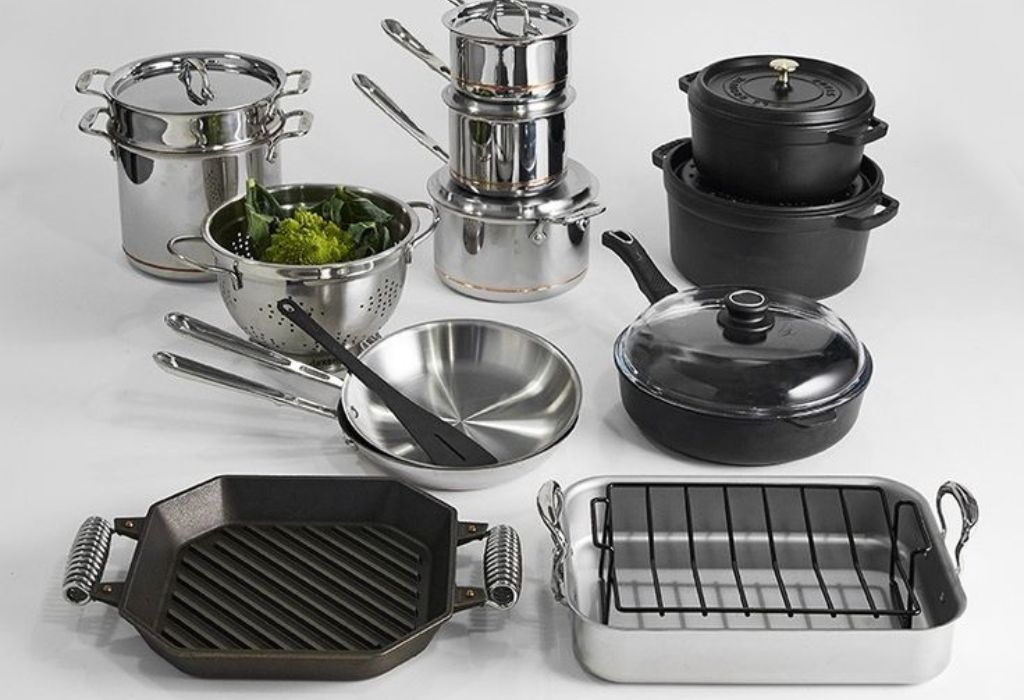
Selecting the best non stick aluminum cookware requires careful consideration of multiple factors, including cooking habits, kitchen needs, safety priorities, and long-term durability.
Not all aluminum cookware is created equal, and understanding the differences between coatings, construction, and brand quality can help home cooks make informed decisions.
High-quality cookware is typically anodized or features a PFOA-free, PTFE-coated non-stick surface.
Anodized aluminum is resistant to corrosion and scratching, which improves longevity and ensures safer cooking. PFOA-free coatings eliminate concerns about chemical exposure that were present in older generations of non-stick pans.
Choosing reputable brands with clear safety certifications adds an extra layer of reliability for everyday use.
Consider the type of cooking the cookware will be used for. Lightweight non stick aluminum pans are excellent for sautéing, frying, and preparing low-fat meals.
Larger pots or hybrid designs, such as ceramic-coated aluminum, provide versatility for simmering sauces, boiling, and cooking larger quantities of food.
Matching the cookware to intended use maximizes efficiency, performance, and safety while reducing the risk of damaging the non-stick surface.
Price and brand reputation also play a role in determining quality. While inexpensive cookware may appear attractive, it can wear out faster or feature inferior coatings that degrade under normal cooking conditions.
Investing in higher-quality cookware ensures better heat distribution, durability, and safety over the long term, making the initial investment worthwhile. Reading user reviews and seeking certified products further helps identify reliable options.
Maintenance considerations should guide the final decision. Cookware that is easy to clean, resistant to scratches, and compatible with hand washing will retain its non-stick properties longer.
Avoiding metal utensils and excessive heat prevents damage, while proper storage prevents chipping or warping. Selecting cookware that aligns with these maintenance practices ensures a longer lifespan and safer cooking experience.
In summary, choosing the right non stick aluminum cookware involves evaluating coating quality, intended cooking use, brand reliability, price, and ease of maintenance.
Home cooks who prioritize these factors can enjoy the convenience, efficiency, and safety that high-quality non stick aluminum cookware provides. Investing in well-made cookware ensures reliable performance, healthier cooking, and a versatile kitchen setup for years to come.
Is non stick aluminum cookware safe for health?
Yes, most modern non stick aluminum cookware is safe when used properly. It’s coated with PTFE- or ceramic-based layers that prevent food from sticking and minimize direct contact with aluminum.
Can non stick aluminum cookware leach harmful substances?
Only if the coating is damaged or overheated. When non stick coatings are scratched or heated above 500°F (260°C), they can degrade and release toxic fumes or expose the aluminum base.
What makes non stick aluminum cookware safe?
High-quality cookware is PFOA-free and made with durable, food-grade coatings. When used at medium heat and cleaned gently, it poses no health risk.
Is PFOA still used in non stick cookware?
No, most reputable brands have eliminated PFOA (perfluorooctanoic acid), a harmful chemical once used in non stick coatings, making modern cookware much safer.
Can overheating non stick aluminum pans be harmful?
Yes, overheating can release fumes that may cause flu-like symptoms in humans and can be fatal to pet birds. Always cook on low to medium heat.
Is scratched non stick aluminum cookware safe to use?
No, deep scratches can expose the aluminum layer underneath and release small particles into food. Replace damaged pans to avoid contamination.
Are ceramic-coated aluminum pans safer than PTFE-coated ones?
Ceramic coatings are free from PTFE and PFOA, making them more eco-friendly and heat-resistant. However, they may wear out faster than high-quality PTFE coatings.
Can I use metal utensils on non stick aluminum cookware?
No, metal utensils can scratch and damage the coating. Use wooden, silicone, or nylon utensils to extend the cookware’s lifespan.
Is non stick aluminum cookware dishwasher safe?
It’s better to hand-wash. Dishwasher detergents can erode the coating and dull the surface over time. Gentle cleaning preserves safety and shine.
How can I safely use non stick aluminum cookware daily?
Cook on moderate heat, avoid preheating an empty pan, never use abrasives, and replace old or peeling cookware. Proper care ensures safety and long-lasting performance.
Conclusion
Non stick aluminum cookware is generally safe for everyday use when high-quality, PFOA-free, and properly maintained. Following recommended practices for heat management, utensil choice, and cleaning ensures both safety and optimal performance.
The cookware’s lightweight design, fast heat conduction, and ease of cleaning make it a practical choice for home kitchens. Its non-stick surface supports low-fat cooking and convenient meal preparation, while modern coatings minimize potential chemical exposure.
Understanding the potential risks, such as overheating or coating degradation, helps users make informed decisions and avoid unnecessary health concerns. Regular inspection and replacement of damaged pans further enhance safety and performance.
Ultimately, non stick aluminum cookware offers a balance of convenience, efficiency, and health-conscious design when used correctly. Combining it with other cookware types, like stainless steel or ceramic, provides versatility for diverse cooking tasks.
Choosing and maintaining high-quality non stick aluminum ensures a safe, reliable, and efficient cooking experience in everyday kitchens.

I’m Emma J. Caldwell, the founder, lead writer, and home-cooking enthusiast behind KitchenGuideCo.com. With a background in culinary arts and over a decade of cooking experience in both professional and personal kitchens, I created this platform to demystify recipes, offer smart kitchen gadget reviews, and guide readers through meal prep with confidence and clarity.