Nonstick cookware has become a staple in kitchens worldwide, yet concerns about safety persist. Reports of chemical exposure, fumes, and scratches often make home cooks question whether these pans are truly safe.
Curious about whether nonstick cookware is safe for everyday use? Understanding the materials, coatings, and scientific findings can help consumers make informed decisions.
Modern nonstick cookware often features PFOA-free PTFE or ceramic coatings, designed to minimize health risks while offering convenience in cooking (source).
Statistics indicate that over 70% of U.S. households use nonstick cookware, yet many users are unaware of proper heat limits and maintenance practices (source).
Using pans correctly can prevent the release of toxic fumes and prolong their lifespan, ensuring safe and efficient cooking.
Nonstick pans provide undeniable benefits, including reduced oil usage, easier cleanup, and more even cooking results. By learning how to choose, use, and maintain these products, cooks can enjoy healthier meals and a safer kitchen environment.
What Is Nonstick Cookware?
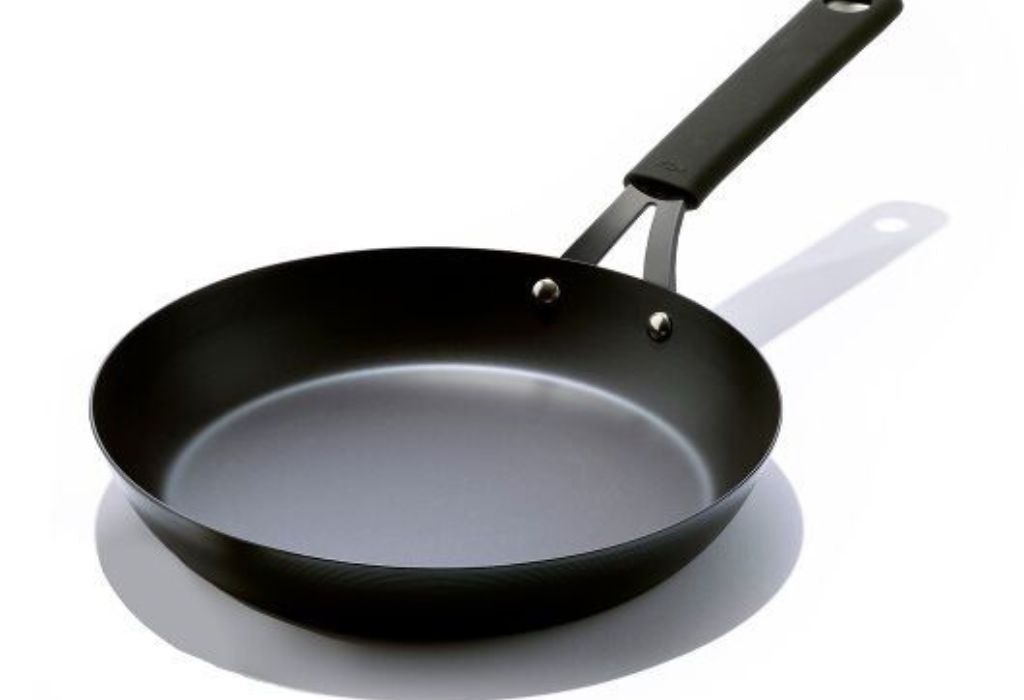
Nonstick cookware typically features a coating of polytetrafluoroethylene (PTFE) or ceramic applied to metal pans. These coatings prevent food from sticking, reduce the need for oil, and simplify cleanup, making cooking more convenient.
PTFE-based nonstick pans provide excellent non-stick properties but can release fumes if overheated above 500°F. Modern versions are PFOA-free, minimizing chemical exposure while maintaining durability and ease of use.
Ceramic nonstick coatings are a chemical-free alternative that can withstand higher temperatures without releasing toxic fumes. They offer similar non-stick performance and are often marketed as safer for daily cooking, while providing even heat distribution.
Nonstick cookware is widely used for frying, sautéing, and preparing delicate foods such as eggs or fish. Its convenience has made it popular in over 70% of U.S. households, emphasizing the importance of understanding how to use and maintain it safely (source).
Choosing the right type of nonstick cookware depends on cooking style, heat tolerance, and maintenance preferences. Awareness of material differences, coating types, and safety guidelines ensures a better cooking experience and longer-lasting pans.
Understanding Chemical Components in Nonstick Cookware
Nonstick cookware has become a kitchen essential due to its convenience and ability to reduce cooking oil. Its non-stick properties rely on chemical coatings such as polytetrafluoroethylene , previously combined with PFOA (perfluorooctanoic acid), and more recently, ceramic alternatives.
Modern PTFE coatings are now PFOA-free, addressing health concerns that arose from older formulations. PFOA was previously linked to potential health risks, but eliminating it has made PTFE nonstick cookware considerably safer for everyday cooking.
PTFE coatings offer superior non-stick performance at moderate temperatures, typically below 500°F, making them ideal for frying eggs, sautéing vegetables, and preparing delicate foods. Ceramic coatings, on the other hand, are chemical-free, tolerate higher temperatures, and provide a safer alternative for high-heat cooking.
The composition of nonstick coatings directly impacts both safety and durability. PTFE coatings are flexible, resist sticking, and are highly durable under normal cooking conditions. Ceramic coatings tend to be harder and scratch-resistant but may lose non-stick properties faster if used improperly.
Understanding the chemical composition is key to proper usage. Overheating PTFE pans can release fumes, whereas ceramic coatings reduce this risk even at higher temperatures. This distinction guides consumers in choosing the right cookware based on cooking style and heat tolerance.
Health agencies including the FDA and EFSA have reviewed the safety of modern nonstick coatings and recommend adherence to manufacturer guidelines. This includes avoiding high heat, not using damaged pans, and selecting certified PFOA-free or ceramic options.
The choice between PTFE and ceramic also affects maintenance and longevity. PTFE pans generally require moderate heat and careful utensil use to prevent scratches, while ceramic pans demand careful cleaning and handling to preserve their surface.
For home cooks, understanding chemical components ensures safer cooking practices. Knowledge about PTFE, PFOA-free certifications, and ceramic alternatives helps consumers make informed decisions, balancing convenience, performance, and health safety.
Modern nonstick cookware, when chosen and used properly, offers both convenience and peace of mind. Recognizing the differences between coatings, temperature limits, and maintenance requirements empowers cooks to enjoy the benefits of nonstick pans without compromising safety.
Signs Your Nonstick Cookware Needs Replacement
Even high-quality nonstick cookware has a limited lifespan, and recognizing the signs of wear is essential for safe and effective cooking. Continuing to use damaged pans can reduce performance, increase health risks, and negatively affect food quality.
Visible scratches or peeling coatings are the most obvious indicators that a pan may need replacement. Small cosmetic scratches may not be hazardous immediately, but deep gouges can compromise the non-stick surface and potentially release coating particles into food.
Discoloration or uneven surface texture is another warning sign. Nonstick coatings that have faded, blistered, or warped indicate prolonged use under high heat or improper maintenance, signaling that the pan may no longer be safe for use.
Food sticking excessively is a functional sign that the nonstick layer has deteriorated. When eggs, pancakes, or delicate items no longer release easily from the pan, it may be time to replace the cookware to maintain proper performance and cooking convenience.
Unusual odors during cooking, especially at medium heat, can also indicate coating breakdown. Overheating PTFE pans or using severely scratched ceramic coatings can cause minor fumes or off-odors, suggesting the pan is nearing the end of its safe use period.
Nonstick pans exposed to frequent high heat, metal utensils, or abrasive cleaning are more likely to degrade sooner. Following recommended usage and maintenance practices can extend lifespan, but eventual replacement is inevitable to ensure safety and efficiency.
Age alone is another factor to consider. Most nonstick cookware lasts three to five years with proper care, though heavy use in professional kitchens may shorten this timeframe. Monitoring for the combined signs of wear helps avoid risks associated with chemical exposure or poor cooking performance.
Understanding these indicators empowers cooks to make timely decisions about replacing cookware. Recognizing scratches, peeling, discoloration, sticking, and odor issues ensures both safety and optimal cooking results.
Replacing worn nonstick cookware protects health, preserves food quality, and maintains a positive cooking experience. Being attentive to these signs guarantees that the convenience and benefits of nonstick pans are enjoyed safely for every meal.
Common Myths About Nonstick Cookware
Many people believe that all nonstick cookware is toxic, but modern PFOA-free PTFE pans are considered safe for normal cooking. Following manufacturer guidelines and avoiding overheating prevents chemical exposure while preserving pan performance.
Another widespread myth is that scratches make nonstick pans hazardous. Minor surface scratches are usually cosmetic, and only deep gouges may reduce non-stick efficiency or require replacement.
Some cooks assume nonstick cookware cannot handle high heat, but ceramic-coated pans tolerate higher temperatures without releasing toxic fumes. PTFE pans should be used at medium or low heat to maintain safety and coating integrity.
A common misconception is that nonstick cookware is always less durable than stainless steel or cast iron. Durability depends on brand quality, coating type, and proper maintenance rather than the material alone.
Understanding these myths allows consumers to make informed choices, use their cookware safely, and enjoy the convenience and benefits of nonstick technology without unnecessary concern.
Scientific Insights on Nonstick Safety
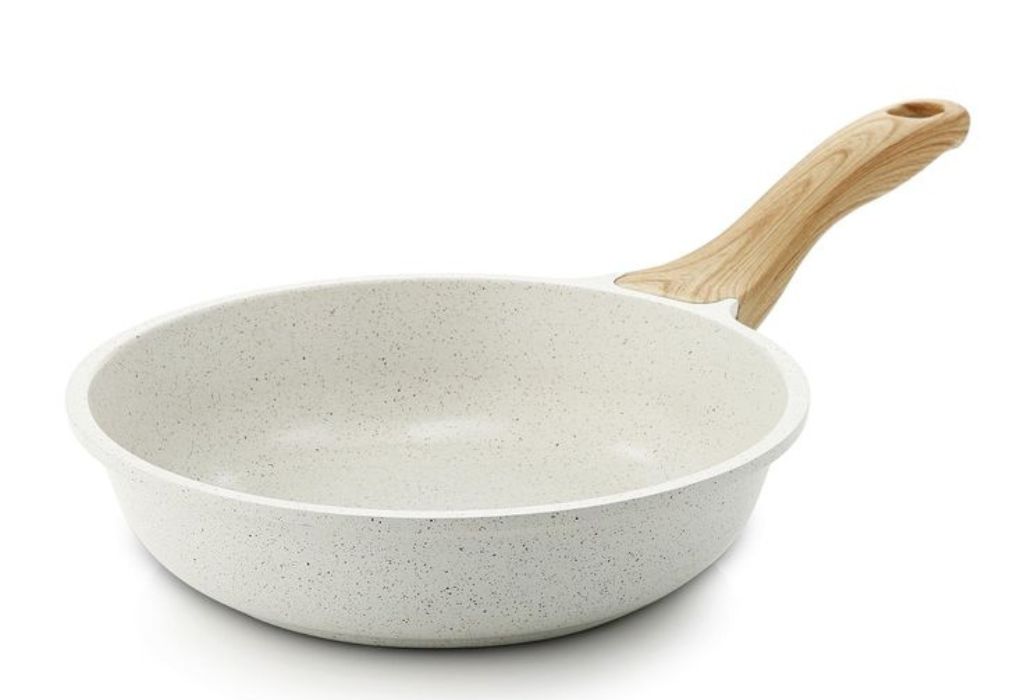
Modern nonstick cookware is designed to be safe for everyday use, with most PTFE pans now PFOA-free. Research indicates that when used according to guidelines, these coatings do not pose significant health risks (source).
Overheating PTFE-based pans above 500°F can release fumes that may cause temporary polymer fume fever, a mild flu-like condition. Following heat recommendations ensures both safety and longevity of the cookware.
Ceramic nonstick coatings provide a chemical-free alternative with high heat tolerance. These pans do not emit toxic fumes, making them a preferred choice for high-temperature cooking and long-term safety.
Health agencies such as the FDA and EFSA confirm that proper use of nonstick cookware keeps it safe for regular cooking. Awareness of temperature limits, utensil choices, and maintenance practices is key to minimizing any potential risks.
Scientific studies also show that coating degradation is minimal under standard cooking conditions, reinforcing that nonstick cookware can be a safe and convenient kitchen tool.
How to Use Nonstick Cookware Safely
Maintaining safe cooking practices ensures nonstick pans remain reliable and long-lasting. Avoid overheating PTFE-based pans, keeping temperatures at medium or low to prevent fume release and preserve coating integrity.
Choosing the right utensils is essential for prolonging pan life. Silicone, wooden, or plastic utensils prevent scratches and protect both PTFE and ceramic coatings from damage.
Proper cleaning enhances both safety and durability. Hand washing is recommended when possible, and abrasive scrubbers should be avoided to prevent coating wear or degradation.
Storage practices also affect pan longevity. Stacking pans with cloth or paper towels between them prevents scratches, while keeping cookware in a dry environment reduces the risk of corrosion or coating damage.
Following these usage guidelines allows cooks to safely enjoy the benefits of nonstick cookware. Correct heat management, careful utensil use, and mindful cleaning maximize both performance and safety.
Nonstick Cookware and Environmental Impact
Nonstick cookware not only affects kitchens but also has an environmental footprint that consumers are increasingly aware of. The production, usage, and disposal of PTFE and ceramic-coated pans influence energy consumption, chemical release, and waste management.
PTFE-based nonstick cookware requires chemical processing and higher energy inputs during manufacturing. While modern PFOA-free pans are safer for human use, production still generates chemical byproducts that can affect the environment if not properly managed.
Ceramic coatings are often marketed as eco-friendly alternatives because they do not require PTFE or PFOA chemicals. They are generally more biodegradable and can be disposed of with less environmental harm, though energy consumption during production remains a consideration.
Durability plays a key role in environmental impact. Longer-lasting cookware reduces the frequency of replacement, thereby decreasing overall material usage and waste. Choosing high-quality brands ensures pans perform safely and effectively for years, minimizing ecological burden.
The disposal of old nonstick cookware also matters. PTFE-coated pans cannot be recycled easily and often end up in landfills, while ceramic cookware has a better recycling potential but still requires careful handling to avoid chemical leaching. Proper disposal and responsible purchasing help mitigate environmental risks.
Consumers can also reduce environmental impact by selecting cookware that supports sustainability initiatives. Many brands now implement eco-conscious manufacturing, including energy-efficient processes, recyclable packaging, and reduced chemical emissions.
Using nonstick cookware responsibly—avoiding overheating, extending lifespan through proper maintenance, and following disposal recommendations—also minimizes environmental effects. A pan that lasts longer and is used correctly contributes less to pollution and resource depletion.
Balancing convenience, safety, and environmental responsibility is essential for modern cooks. Understanding the ecological implications of PTFE and ceramic cookware allows buyers to make informed choices that benefit both their kitchen and the planet.
Considering environmental impact alongside health and performance ensures nonstick cookware serves its purpose without unnecessary ecological cost. Informed decisions about material, brand, and care practices support sustainable and safe cooking for years to come.
Comparing Nonstick Alternatives
Nonstick cookware is one of several options available, each with unique advantages and considerations. Comparing materials helps cooks choose the best pan for their cooking style, safety preferences, and durability needs.
Stainless Steel vs. Nonstick: Stainless steel offers exceptional durability and can withstand high heat, but it requires more oil and skill to prevent food from sticking. Nonstick pans, by contrast, allow for easier cleanup and lower-fat cooking.
Cast Iron vs. Nonstick: Cast iron provides natural nonstick when seasoned and excellent heat retention, but it is heavier and requires regular maintenance. Nonstick pans are lighter and offer immediate non-stick convenience for everyday meals.
Ceramic vs. PTFE Nonstick: Ceramic coatings are chemical-free and handle higher temperatures safely, while PTFE coatings provide superior non-stick performance at moderate heat. Both are effective, but choice depends on personal cooking style and temperature requirements.
Understanding these alternatives helps cooks balance safety, convenience, and durability. Choosing the right type ensures optimal performance, reduced risk of chemical exposure, and a satisfying cooking experience.
Best Practices for Nonstick Cookware Longevity
Proper care and maintenance are crucial to ensure that nonstick cookware remains safe, durable, and effective. Following best practices not only extends the life of the pan but also maintains consistent non-stick performance.
One of the most important practices is managing heat correctly. PTFE-based pans should be used at medium or low heat to prevent coating degradation and the release of fumes, while ceramic coatings can tolerate slightly higher temperatures but still benefit from moderate use.
Selecting the right utensils is equally essential. Silicone, wood, or plastic utensils prevent scratches and protect the integrity of both PTFE and ceramic coatings, preserving the pan’s nonstick surface for years.
Cleaning habits directly affect cookware longevity. Hand washing with mild detergents is preferred, and abrasive scrubbers should be avoided, as they can damage the coating and reduce nonstick effectiveness. Proper drying after washing prevents corrosion and maintains pan performance.
Storage methods also influence durability. Stacking pans without protection can cause scratches or chips; placing cloth or paper towels between stacked pans helps maintain the coating and avoid surface damage.
Periodic inspection of the pan’s surface is recommended to monitor wear. Identifying scratches, peeling, or discoloration early allows timely replacement or special care to prevent safety risks and maintain optimal cooking results.
Avoiding sudden temperature changes is another key factor. Adding cold liquids to a hot nonstick pan can stress the coating, potentially leading to cracking or warping, particularly in ceramic nonstick pans.
Following manufacturer instructions for seasoning, heating, and cleaning ensures that nonstick cookware functions safely and efficiently over time. Consistent attention to these best practices maximizes lifespan while protecting both food quality and user safety.
By adopting proper usage, cleaning, and storage habits, cooks can significantly extend the performance of their nonstick cookware. These practices allow consumers to enjoy the convenience and health benefits of nonstick cooking without frequent replacement or safety concerns.
Nonstick Cookware in Professional Kitchens
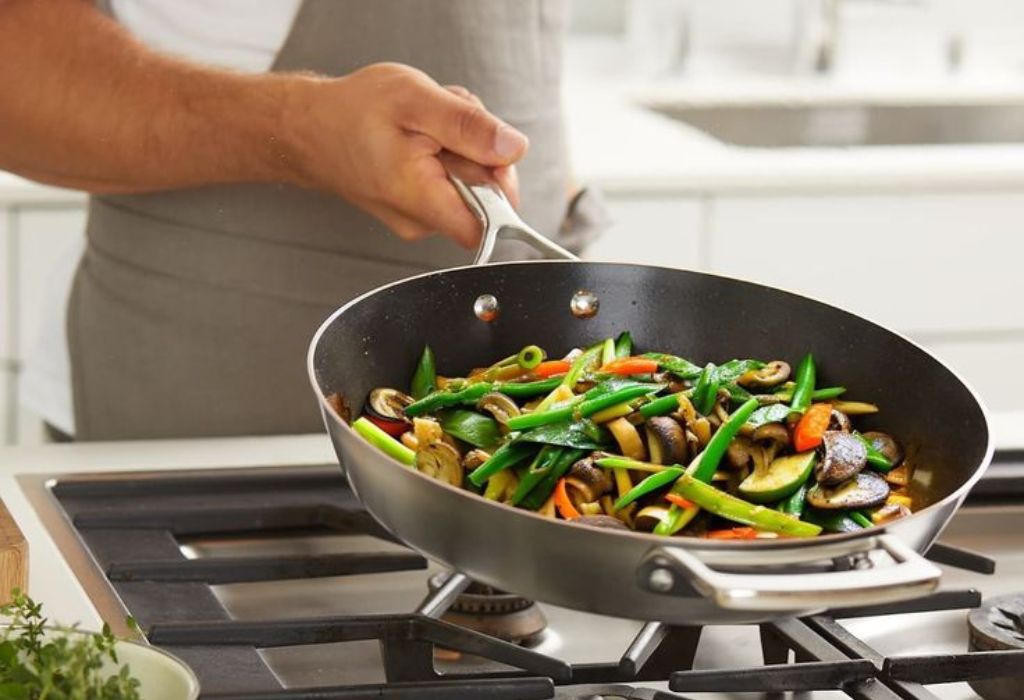
Nonstick cookware is widely used in professional kitchens for its efficiency, ease of cleaning, and ability to cook delicate foods evenly. Chefs rely on these pans to maintain consistent results under high-volume cooking conditions.
Professional kitchens often experience higher temperatures and continuous use, which can accelerate wear on nonstick coatings. Understanding material properties, heat tolerance, and proper usage is essential to prevent premature degradation and maintain safety.
PTFE-based nonstick pans are commonly used in professional settings due to their immediate non-stick surface and versatility. However, chefs carefully monitor temperatures, keeping pans below recommended limits to avoid fume release and preserve coating integrity.
Ceramic nonstick cookware is increasingly favored for high-heat tasks and environmentally conscious kitchens. Its chemical-free composition allows safe use at elevated temperatures and provides comparable non-stick performance, reducing the need for excessive oil.
Utensil choice and handling are critical in professional kitchens. Silicone, wood, or plastic tools prevent scratches and maintain smooth surfaces, while careful stacking and storage avoid damage during fast-paced operations.
Cleaning routines in professional settings prioritize longevity and safety. Gentle washing, avoiding abrasive scrubbers, and promptly drying cookware prevent coating wear and corrosion, ensuring that pans remain safe for continuous use.
Professional chefs also follow manufacturer guidelines meticulously. This includes using recommended heat levels, avoiding overheating, and rotating cookware to ensure even wear, which extends both safety and lifespan.
Observing professional practices at home can help everyday cooks maintain their nonstick cookware effectively. By adopting similar techniques for heat management, utensil use, cleaning, and storage, home kitchens can achieve the same benefits of safety, durability, and cooking efficiency.
Proper use in professional kitchens demonstrates that nonstick cookware can handle rigorous, high-volume environments safely. Adopting these insights empowers home cooks to maximize both the performance and lifespan of their nonstick pans while minimizing health risks.
Frequently Asked Questions About Nonstick Cookware
Is nonstick cookware safe for everyday cooking?
Yes, modern nonstick cookware is safe when used according to manufacturer guidelines and not overheated.
Can nonstick pans cause cancer?
PFOA-free PTFE and ceramic nonstick cookware do not pose cancer risks under normal cooking conditions.
How long does nonstick cookware last?
Average lifespan is 3–5 years, depending on usage, heat management, and maintenance.
Can I use metal utensils on nonstick cookware?
Metal utensils can scratch and damage the coating, so silicone, wood, or plastic tools are recommended.
Are ceramic nonstick coatings safer than PTFE?
Ceramic coatings are generally safer at high temperatures and free from chemical exposure, though PTFE offers superior non-stick performance at moderate heat.
Conclusion
Nonstick cookware offers undeniable convenience, from easier cleanup to reduced oil usage, making it a popular choice in kitchens worldwide. Understanding the types of coatings, such as PTFE and ceramic, and their respective heat tolerances is essential for safe and effective cooking.
Proper usage, including avoiding overheating, selecting the right utensils, and following manufacturer guidelines, ensures that nonstick cookware performs reliably while minimizing potential health risks.
Regular inspection for scratches, peeling, or discoloration helps determine when replacement is necessary, maintaining both safety and cooking quality.
Durability and maintenance are closely linked to longevity. High-quality nonstick pans, when cared for properly, can last several years, providing consistent non-stick performance and reducing environmental impact by limiting frequent replacements.
Professional kitchens demonstrate that even under high-volume, high-heat conditions, nonstick cookware can be used safely when proper practices are followed.
Home cooks can adopt similar strategies, including careful cleaning, storage, and heat management, to extend the life of their pans and ensure safe everyday cooking.
Environmental considerations also play a role in responsible cookware use. Selecting PFOA-free or ceramic-coated options, avoiding excessive replacement, and following proper disposal methods reduces the ecological footprint while maintaining kitchen safety.
By understanding the myths, scientific insights, and best practices, cooks can make informed choices about nonstick cookware. Combining safety, durability, and convenience allows for healthier, more efficient cooking while maximizing the lifespan of your pans.
Nonstick cookware, when selected wisely and used responsibly, provides both practicality and peace of mind. With the right knowledge and habits, every cook can enjoy safer, high-performing cookware that supports consistent, delicious, and worry-free meals.

I’m Emma J. Caldwell, the founder, lead writer, and home-cooking enthusiast behind KitchenGuideCo.com. With a background in culinary arts and over a decade of cooking experience in both professional and personal kitchens, I created this platform to demystify recipes, offer smart kitchen gadget reviews, and guide readers through meal prep with confidence and clarity.