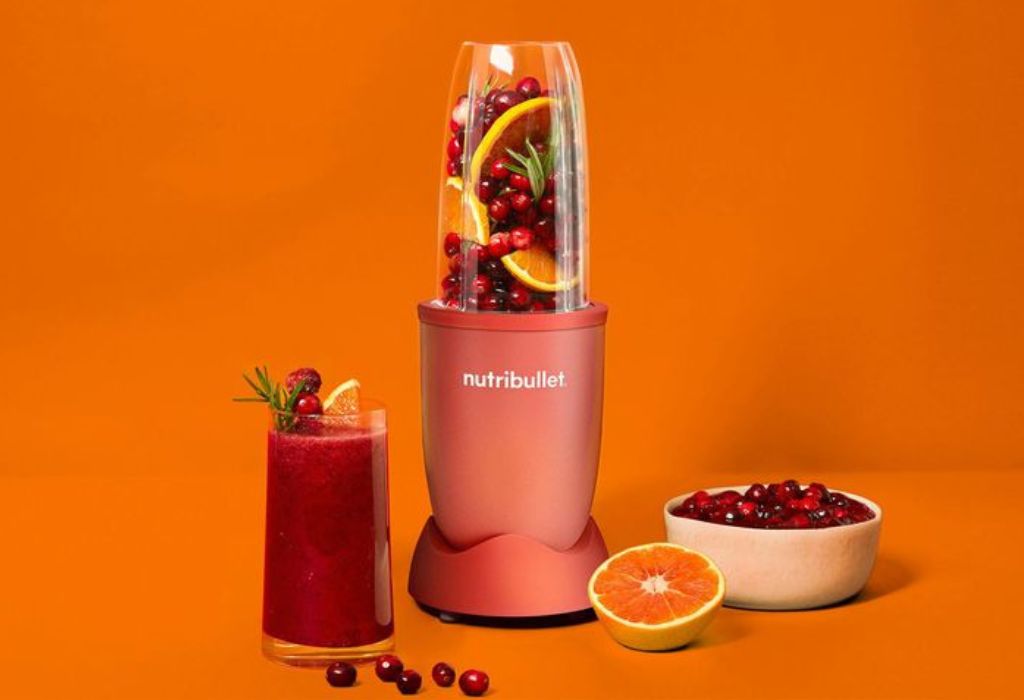
NutriBullet blenders have become a daily essential for millions of people who rely on quick smoothies, protein shakes and meal prep shortcuts. The convenience of blending and immediately drinking from the same cup saves time and reduces kitchen cleanup.
But the moment sticky fruit pulp, nut residue or thick protein powder coats the inside of the cup, the dishwasher feels like the easiest solution. Many users wonder whether they can safely place NutriBullet cups, lids or blades inside the dishwasher without worrying about cracks, warping or gasket damage.
Confusion grows because different NutriBullet models use different materials, and some cups feel sturdier than others. Online instructions, old manuals and user opinions often contradict each other, making it difficult to know what is actually safe.
Accidentally washing the wrong part in the dishwasher can result in leaky blades, loose gaskets, stress cracks or weakened plastic. The blade assembly contains rubber seals and bearings that react very differently to heat compared to plastic cups.
Understanding how each part responds to dishwasher heat, water pressure and detergent helps users avoid permanent damage. Knowing the correct cleaning method also increases lifespan and keeps the blender performing powerfully.
This detailed guide explains which NutriBullet parts are dishwasher safe, how heat affects materials and the right way to clean everything safely. With the right care, your NutriBullet stays clean, reliable and long lasting for years.
Are NutriBullet Parts Dishwasher Safe Or Not

Most NutriBullet models include cups, lids and blade attachments, and each part responds differently to dishwasher cleaning. NutriBullet cups and most lids are top rack dishwasher safe, but the blades should never be placed inside the dishwasher.
The cups are made from BPA free, impact resistant plastic designed to handle warm water and mild dishwasher detergent. However, high heat from the bottom rack may soften or warp plastic, so top rack placement is essential.
Lids also tolerate top rack dishwasher cleaning because they use heat resistant plastic and silicone components. The silicone rings remain flexible when exposed to moderate dishwasher temperatures.
Blades are the most sensitive parts because they contain rubber gaskets and internal bearings that the dishwasher can damage. High heat causes the gasket to loosen and water pressure may push moisture into the bearing area.
Knowing which components tolerate heat ensures safe cleaning and prevents accidental damage.
Are all NutriBullet cups dishwasher safe
Most cups are top rack safe only.
Can lids go in the dishwasher
Yes, lids tolerate top rack washing easily.
Can I wash the blade assembly
No, blades must be handwashed for safety.
Does bottom rack cause damage
The bottom rack exposes parts to intense heat.
Do all models follow the same rule
Almost all models follow the same cleaning guidelines.
Are NutriBullet Cups Dishwasher Safe
NutriBullet cups are designed from clear BPA free plastic that withstands everyday blending pressure. They tolerate cool and warm dishwasher cycles when placed on the top rack away from the heating element.
The bottom rack exposes cups to intense heat during the dry cycle, which may soften the plastic walls. Repeated cycles may cause warping that prevents the cup from threading properly onto the blade base.
Older NutriBullet cups contain thinner plastic compared to newer versions. These older cups may show micro scratches that weaken structure and lead to cracking when heated repeatedly.
Dishwasher detergent may leave cloudy marks on transparent cups. This cloudiness does not affect performance but changes appearance.
Top rack placement ensures cups retain their shape, clarity and durability for a long time.
Do Dishwasher Cycles Damage NutriBullet Cups
Dishwasher cycles vary in temperature, intensity and drying methods, and not all are suitable for NutriBullet cups. High heat cycles apply thermal stress to plastic surfaces and sometimes create hairline cracks.
The heat softens the cup material for a short period, making it more vulnerable to pressure from other utensils. If the cup touches metal items during hot cycles, dent marks or stress lines may appear.
Strong detergent formulas may react with plastic, especially on older cups. This chemical reaction can gradually create cloudy surfaces or slight discolorations.
A gentle cycle prevents most of these issues, and air drying is always preferable to heated drying. The dishwasher can clean NutriBullet cups safely if used correctly.
Can high heat cycles damage NutriBullet cups
Yes, high heat may soften and deform plastic.
Do older cups react more strongly
Older cups with scratches may crack faster.
Does detergent discolor the cups
Strong chemicals can cause cloudiness.
Should cups avoid metal utensils in dishwasher
Yes, pressure and contact increase risk.
Is air drying better
Air drying prevents heat stress and warping.
Are NutriBullet Blades Dishwasher Safe
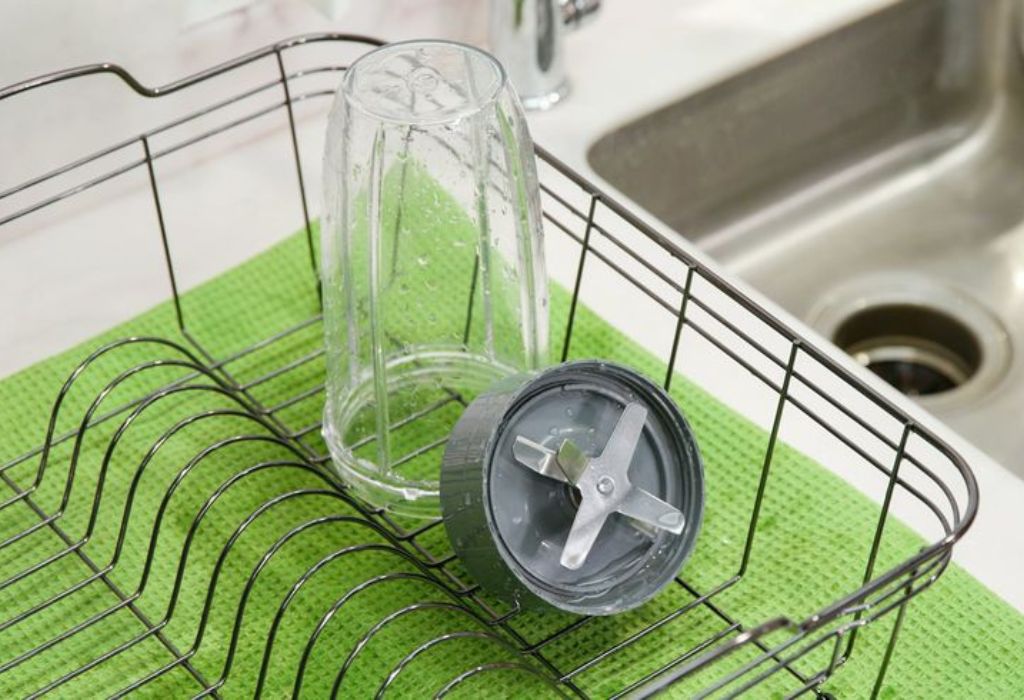
The blade assembly is the most delicate part of any NutriBullet system. Despite having stainless steel blades, the blade base includes rubber gaskets, bearings and plastic components that do not tolerate dishwasher heat.
High heat from dishwasher cycles causes the rubber gasket to dry, harden or crack. Once a gasket loses elasticity, the blade assembly may leak during blending.
Dishwasher water pressure may force small amounts of water inside the blade housing. Over time, the internal bearings may rust, become noisy or seize up completely.
Dishwasher detergent contains aggressive degreasing chemicals that dull blade edges. Blades exposed to detergent lose sharpness faster and may struggle to blend frozen fruits or nuts.
Handwashing the blade with warm water and mild soap keeps it clean, sharp and long lasting.
Are NutriBullet blades dishwasher safe
No, blades should always be washed by hand.
Does dishwasher heat damage the gasket
Yes, heat and detergent weaken rubber seals.
Can moisture get trapped inside the blade assembly
Pressure can force water into the bearings.
Does detergent dull the blades
Yes, strong chemicals reduce sharpness.
How should blades be cleaned
Rinse immediately and handwash gently.
How Dishwasher Heat Affects NutriBullet Materials
NutriBullet parts use a combination of BPA free plastic, silicone seals and stainless steel components. Each material responds differently to extreme temperature changes inside a dishwasher.
Plastic softens slightly under high heat, especially near the heating element. Sudden cooling during the rinse cycle creates thermal shock that may weaken the structural integrity of the cups.
Silicone rings expand and contract under temperature swings. Repeated cycles weaken elasticity and increase the risk of leaks.
Stainless steel blades handle heat well, but the bearings inside the blade housing do not. Hot water forces moisture into the interior, which increases wear.
Using warm or gentle dishwasher cycles helps reduce these effects on dishwasher safe parts.
How Dishwasher Detergent Reacts With NutriBullet Plastics
Dishwasher detergents are formulated with powerful cleaning agents that break down grease and food residue. These formulas can be too strong for NutriBullet plastics when used frequently.
Powdered detergents often leave a gritty residue that clings to plastic surfaces. Over time, this residue dulls the transparent finish of cups.
Liquid detergents dissolve more gently but still cause cloudiness with repeated exposure. This happens because plastic micro pores absorb trace amounts of detergent.
Detergent pods release concentrated chemicals at once. This sudden reaction may discolor small areas of the cup or lid.
Using mild dishwashing detergent or handwashing prevents chemical stress and keeps plastic clear.
Can detergent leave permanent marks
Repeated exposure may create cloudy surfaces.
Do detergent pods damage plastics faster
Yes, concentrated bursts cause discoloration.
Is mild detergent safer for NutriBullet parts
Yes, gentle formulas protect clarity.
Should cups be rinsed before dishwasher use
Yes, pre rinsing reduces residue reactions.
Can detergent affect taste
Residue may leave a slight aftertaste if not rinsed well.
Are NutriBullet Lids Dishwasher Safe
NutriBullet lids come in multiple designs including lip ring lids, flip top lids, to go lids and stay fresh lids. Most of these lid styles are top rack dishwasher safe because they use heat resistant plastic.
Silicone seals around the lid edges remain intact during moderate dishwasher cycles. However, extremely hot dry cycles can dry out silicone over time.
Lids with moving parts, such as flip tops, may trap detergent or water in small crevices. Rinsing after the dishwasher cycle removes any trapped soap.
Sip and seal lids tolerate dishwasher cleaning well but last longer when washed on the top rack only.
Handwashing prevents unnecessary stress on hinges and silicone parts, ensuring long lasting performance.
Do NutriBullet Cups Crack In Dishwashers
NutriBullet cups are engineered to withstand blending forces, but dishwasher cycles introduce different stresses that may cause cracks under certain conditions.
High heat softens plastic, making it vulnerable to pressure from nearby items. If another dish presses against a NutriBullet cup, stress lines may form.
Microscopic scratches from daily use weaken plastic over time. Heat exposure intensifies these weak points and increases the likelihood of cracks.
Using extra hot cycles or steam drying increases thermal stress. Avoiding these options helps prevent damage.
Top rack placement and gentle cycles reduce cracking risks significantly.
Do hot cycles cause cracking
Yes, they create stress in weakened plastic.
Are older cups more at risk
Yes, scratches and wear weaken structure.
Does overcrowding the dishwasher increase risk
Yes, pressure from utensils causes damage.
Can cups crack during drying cycle
High heat increases likelihood.
Is crack prevention easy
Yes, gentle cycles and top rack placement protect cups.
How To Safely Clean NutriBullet Parts In The Dishwasher
The safest way to clean NutriBullet parts in the dishwasher is by following strict placement and cycle guidelines. Placing cups and lids on the top rack prevents exposure to the heating element.
Always avoid heated drying or sanitize cycles, as these expose parts to extreme heat that damages plastic and silicone. Air drying is safer for all components.
Use mild detergent to protect clarity and prevent chemical buildup. Strong detergents may react with plastic surfaces.
Never wash blades in the dishwasher. Handwashing prevents gasket damage, bearing wear and moisture buildup.
Following these steps keeps NutriBullet components in top condition.
Should I always avoid dry cycles
Yes, dry cycles cause unnecessary heat stress.
Can I wash cups and lids together
Yes, both are top rack safe.
Is warm water enough for cleaning
Warm water removes residue effectively.
Can I wash blades with other parts
Blades must always be handwashed.
Is air drying required
Air drying prevents warping and silicone damage.
Can NutriBullet Blades Rust If Washed In The Dishwasher
NutriBullet blades are made from stainless steel, but stainless steel is not completely immune to corrosion when exposed to the wrong conditions. Dishwasher detergents contain salts and strong degreasers that may leave marks or discoloration on blade edges.
Repeated exposure to water pressure inside the dishwasher may force moisture into the bearing area. When the bearing stays wet, small amounts of rust can develop, especially if the gasket weakens.
Rust typically starts near the blade base where moisture can collect. Once rust forms, it may spread to the rotating mechanism inside the blade housing.
Dishwasher heat increases chances of corrosion because it accelerates metal expansion and cooling. This movement allows moisture to seep deeper.
Avoiding dishwasher cleaning greatly reduces the risk of rust and preserves blade sharpness.
Can NutriBullet blades rust easily
They rust if exposed to moisture and detergent repeatedly.
Does stainless steel prevent rust fully
No, stainless steel still reacts under certain conditions.
Can rust affect blending performance
Yes, rust weakens the moving mechanism.
Can dishwasher pressure trap water inside
Yes, high pressure forces moisture into bearings.
Does handwashing prevent rust
Handwashing keeps parts dry and corrosion free.
How Dishwasher Heat Affects NutriBullet Gaskets
The gasket is the soft rubber ring around the blade assembly that creates an airtight seal during blending. This gasket is highly sensitive to heat, detergent and pressure, making dishwasher cleaning risky.
High heat softens and expands the gasket temporarily, but during cooling it may shrink unevenly. This leads to small gaps that allow leaks during blending.
Dishwasher detergent removes natural oils from the gasket surface. Without lubrication, the gasket becomes stiff or brittle.
Once brittle, the gasket may crack or crumble when twisted onto the cup. These small cracks cause even bigger leaks.
Keeping gaskets away from dishwashers preserves blending performance and prevents accidental leaks.
Which NutriBullet Models Have Dishwasher Safe Parts
Different NutriBullet models use slightly different cup thicknesses and blade designs. Knowing specific model guidelines helps ensure safe cleaning.
NutriBullet Pro and NutriBullet 600 cups are top rack dishwasher safe. These models include similar BPA free plastic that tolerates warm water cycles.
NutriBullet RX uses larger cups that also tolerate top rack dishwasher cycles, but the blades remain handwash only.
NutriBullet Select and NutriBullet Prime have updated lid designs that wash well on the top rack. These lids include stronger silicone for leak resistance.
Regardless of model, blades remain the most sensitive part and must be handwashed.
Are all NutriBullet models dishwasher safe
Only cups and lids, not blades.
Does NutriBullet RX handle heat better
Its cups are thick but still top rack only.
Do upgraded models have stronger lids
Some newer lids use improved silicone.
Does model type affect blade safety
No, blades from all models must be handwashed.
Are travel cups dishwasher safe
Yes, but only on the top rack.
Can You Put NutriBullet Cups In The Bottom Rack
NutriBullet cups should never be placed on the bottom rack because the bottom rack heats up the most during wash and dry cycles. The heating element is usually positioned directly under this rack.
The intense heat can soften or deform the plastic cup walls. Once warped, the cup will not attach securely to the blade assembly.
Heat may also weaken threading around the rim of the cup. This makes it difficult to screw on lids or blade bases properly.
In extreme cases, fine heat cracks may form along the cup edges. These cracks worsen with each dishwasher cycle.
Top rack washing protects cups from direct heat exposure.
How To Prevent NutriBullet Parts From Warping
Preventing warping is easy when all NutriBullet parts are washed using gentle methods. Avoiding heated drying cycles keeps plastic walls stable and strong.
The top rack must always be used for cups and lids. This location receives gentler heat and water exposure.
Using warm water instead of hot water reduces plastic expansion. Gentle cycles also reduce drying pressure.
Handwashing is the safest method for preventing warping because water temperature can be fully controlled.
Storing cups in cool, dry places after washing helps maintain their original shape.
Does heated drying cause warping
Yes, it exposes cups to extreme heat.
Does bottom rack placement increase risk
Bottom rack is the most dangerous for plastic.
Is warm water safe
Warm water cleans without stressing plastic.
Can cups warp if overcrowded
Yes, pressure from other dishes may deform them.
Is handwashing the safest option
Handwashing eliminates heat exposure completely.
Do NutriBullet Cups Become Cloudy In Dishwashers
Over time, dishwasher cycles may cause NutriBullet cups to lose transparency. This cloudiness forms because detergent reacts with plastic micro pores.
Cloudy cups still function well, but the change in appearance may bother users who prefer clear containers.
Cloudiness is harmless but difficult to reverse. The best prevention is gentle detergent and warm dishwasher cycles.
Some users soak cloudy cups in white vinegar to remove residues. Vinegar breaks down mineral deposits from hard water.
Regular rinsing helps prevent detergent buildup and maintains cup clarity longer.
Can NutriBullet Lids Lose Their Seal In The Dishwasher
Lids include silicone rings that create tight seals when the NutriBullet cup is closed. These rings soften slightly under heat.
Repeated exposure to extreme heat causes silicone to expand and contract. Over time, this loosens the seal.
Drying cycles also remove natural flexibility from silicone rings. This leads to mild leaks when the cup is shaken or blended.
Handwashing lids occasionally helps maintain long term silicone elasticity.
Replacing worn silicone rings restores leak resistance.
Do lids lose sealing ability in the dishwasher
Heat and detergent weaken the silicone ring.
Does melting occur
No, but elasticity reduces over time.
Can lids leak from weakened silicone
Loose seals cause minor leaks.
Are replacement rings available
Yes, replacement rings are easy to install.
Does top rack protect silicone
Top rack reduces but does not eliminate heat exposure.
How To Safely Clean NutriBullet Blades
Cleaning the NutriBullet blades requires extra care because of the sensitive gasket and bearing system. Rinsing immediately after blending prevents sticky buildup.
Handwashing with warm water and mild dish soap protects the gasket and prevents detergent corrosion.
Never soak the blade assembly in water for extended periods. Soaking may allow water to seep into bearings.
Using a soft brush around the blade edges removes trapped seeds or pulp.
Dry the blade assembly thoroughly before storage to prevent gasket swelling.
How To Handwash NutriBullet Cups And Lids Properly
Handwashing NutriBullet cups and lids is simple and protects plastic clarity and silicone flexibility. Warm water breaks down residue without stressing plastic.
Using gentle dish soap removes thick smoothie remnants effectively. A soft sponge prevents scratching.
Rinsing thoroughly removes all soap traces and prevents any lingering taste or smell.
Air drying avoids heat exposure and keeps lids in better shape.
Handwashing is especially useful for older cups and lids that require gentle cleaning.
Can You Use Hot Water To Clean NutriBullet Parts
Hot water cleans effectively but should be used with caution on NutriBullet cups and lids. Extreme temperatures soften plastic temporarily.
Warm water is the safest choice because it loosens oils and residue without risking deformation.
Hot water is safe for stainless steel blades but still risky for the gasket.
A mixture of warm water and baking soda removes tough stains gently.
Cold water rinsing helps restore firmness after washing.
Is hot water always safe for NutriBullet parts
No, high heat may soften plastic.
Is warm water better
Warm water cleans without causing stress.
Can hot water damage silicone rings
Extreme heat can weaken silicone over time.
Is hot water good for blades
Only the metal blades, not the gasket.
Should hot water be avoided
Avoid hot water for plastic parts.
What Happens If You Accidentally Put NutriBullet Blades In The Dishwasher
If the blades are accidentally placed in the dishwasher once, the damage depends on the cycle used. A gentle cycle may not cause major problems immediately.
High heat cycles, however, weaken the gasket and push moisture into the bearing.
Symptoms of damage may appear later, including leaks, noisy spinning or vibration during blending.
Blade dulling may occur due to strong detergent. This reduces blending performance.
Inspecting the gasket and spinning the blade by hand helps identify early issues.
How To Know If Your NutriBullet Has Dishwasher Damage
Signs of dishwasher damage include loose gaskets, leaking cups or noisy blade rotations. These symptoms indicate weakened seals or moisture inside the bearing.
Cloudy cups suggest detergent wear or heat exposure.
Warped cups no longer fit tightly onto the blade base.
Lids may become loose or leak when shaken.
Proper inspection helps diagnose the problem before it worsens.
Is leaking a sign of damage
Leaks show gasket weakness.
Do noisy blades indicate dishwasher exposure
Moisture inside bearings causes noise.
Does cloudiness mean damage
Cloudiness indicates detergent reaction.
Can lids become loose
Heat weakens silicone rings.
Is early inspection helpful
Yes, it prevents further damage.
How To Keep NutriBullet Parts Looking New
Keeping NutriBullet parts looking new requires gentle cleaning habits. Using warm water instead of hot water protects plastic surfaces.
Avoiding heated dry cycles prevents warping and discoloration.
Handwashing blades preserves gasket elasticity and prevents moisture buildup.
Using mild detergent instead of harsh formulas reduces chemical stress on plastics.
Drying parts thoroughly keeps them clean, odor free and visually appealing.
Can You Put NutriBullet In The Dishwasher Every Day
Daily dishwasher use may eventually weaken parts even if the cups and lids are top rack safe. Heat exposure adds up over time.
Frequent washing with strong detergent may cloud plastic surfaces.
Silicone rings lose flexibility faster when washed daily in the dishwasher.
Handwashing every few days helps maintain long term appearance.
Alternating between dishwasher and handwashing extends part lifespan.
How To Clean NutriBullet Odors And Stains
NutriBullet cups sometimes develop odors from strong ingredients like garlic or protein shakes. Baking soda paste removes deep odors easily.
Soaking cups in warm water with lemon juice reduces lingering smells.
For stains, white vinegar helps break down discoloration.
Rubbing with a soft sponge removes fruit fingerprints on the cup walls.
Avoid abrasive cleaners because they scratch plastic.
Can baking soda remove NutriBullet odors
Yes, baking soda neutralizes strong smells.
Does vinegar help remove stains
Vinegar dissolves stubborn residues.
Is lemon juice safe for cleaning
Lemon juice freshens and deodorizes.
Should I use bleach
Bleach weakens plastic and should be avoided.
Do odors stay after washing
Thorough rinsing removes most smells.
Conclusion
NutriBullet cups and lids are generally safe for dishwasher cleaning when placed on the top rack, but blades should never be washed in the dishwasher. The heat, detergent and water pressure inside a dishwasher weaken gaskets, dull blades, cloud plastic and trap moisture inside the bearing system.
Handwashing blades ensures long lasting performance, while gentle cycles help cups and lids maintain clarity and shape. Understanding how heat, detergent and dishwasher pressure affect NutriBullet components prevents accidental damage.
By following the correct cleaning methods, users protect their blender from leaks, warping, cracking and noise. With thoughtful care, a NutriBullet remains powerful, safe and reliable for years.

I’m Emma J. Caldwell, the founder, lead writer, and home-cooking enthusiast behind KitchenGuideCo.com. With a background in culinary arts and over a decade of cooking experience in both professional and personal kitchens, I created this platform to demystify recipes, offer smart kitchen gadget reviews, and guide readers through meal prep with confidence and clarity.