Owala bottles have become a daily essential for many people who value hydration on the go. Known for their sleek design, leak-proof lids, and double-wall insulation, they’re built for both convenience and durability. Yet one question keeps coming up – is Owala dishwasher safe?
The short answer is yes – but not entirely. While some Owala parts can safely go in the dishwasher, others require hand washing to maintain performance and finish.
Understanding which components can handle high heat and which cannot is crucial to keeping your bottle in top condition.
Dishwashers save time, but the heat and water pressure can damage seals, coatings, and insulation if not handled correctly. With a little knowledge, you can enjoy the convenience of machine cleaning without risk. This guide explains exactly what to do, step by step.
Understanding Owala Materials and Design
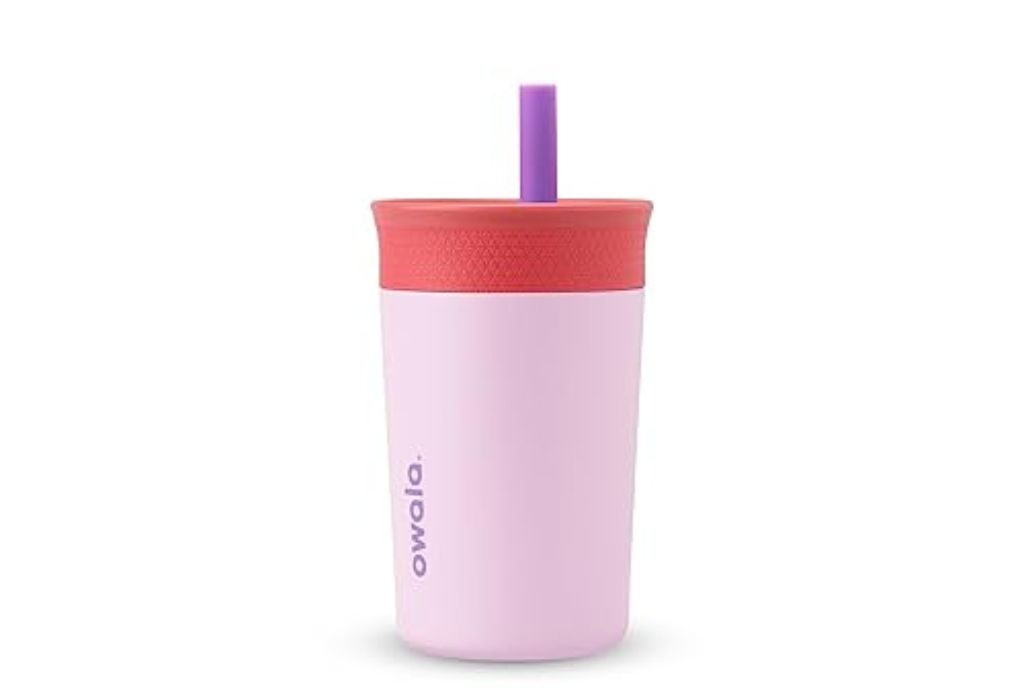
Owala bottles come in two main categories – stainless-steel insulated bottles and Tritan plastic bottles. Each has unique cleaning requirements depending on its materials and structure.
The stainless-steel Owala bottles feature double-wall vacuum insulation. This layer keeps beverages cold or hot for hours but is sensitive to extreme dishwasher heat. Prolonged exposure can weaken the seal between the inner and outer walls, reducing insulation efficiency.
The Tritan plastic models are lightweight and durable, designed to resist stains and odours. Tritan is a BPA-free plastic that tolerates dishwasher temperatures well, making it generally safe for top-rack washing.
Every Owala lid includes silicone gaskets, flip-top mechanisms, and internal straws. These parts control airflow and prevent leaks, but they collect residue easily. Cleaning them properly ensures hygiene and performance.
Understanding these materials helps you decide which parts can go into the dishwasher and which should stay out for manual cleaning.
Which Owala Parts Are Dishwasher Safe
Not every piece of your Owala bottle is meant for the dishwasher. Knowing which ones are safe saves you from accidental damage.
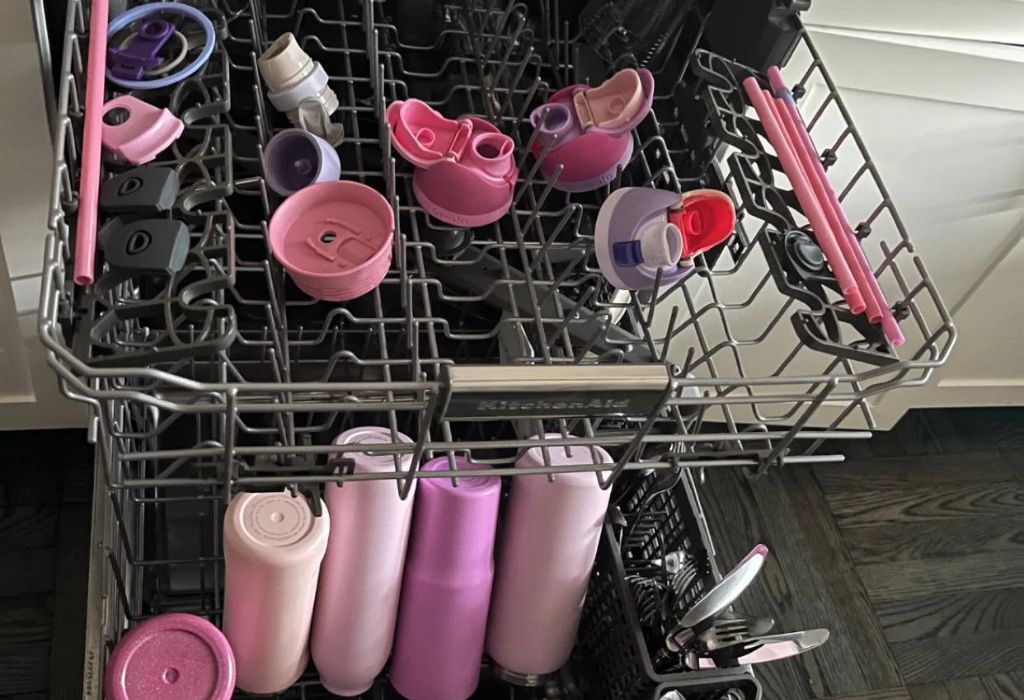
Top-rack safe parts: Tritan plastic bottles, lids (without metal hinges), silicone straws, and straw tips. The top rack provides gentler heat and water flow.
Hand-wash only parts: Stainless-steel bottle bodies and any part with printed designs or powder-coated finishes. Dishwashers can dull colours or cause spotting on metal surfaces.
The silicone seals and gaskets are heat-tolerant but should be removed occasionally and cleaned separately. This prevents mould or soap buildup in hidden crevices.
If your Owala model includes a spring-flip lid, place it securely in the utensil basket rather than the rack. That keeps it stable and avoids hinge damage.
Always read your specific model’s user guide – Owala marks dishwasher-safe components clearly. When in doubt, the top rack is always safer than the bottom.
Can Owala Bottles Go on the Bottom Rack of a Dishwasher
Many Owala owners wonder if the bottom rack is safe for cleaning. While it might seem convenient, the bottom rack receives direct heat and stronger water pressure. This can damage or warp parts of your bottle, especially the silicone seals or insulation layers.
The bottom rack sits closest to the dishwasher’s heating element, which can reach temperatures over 170°F during drying. Such intense heat may weaken adhesives and affect vacuum insulation in stainless-steel Owala bottles. Over time, this leads to reduced temperature retention and possible leaks.
Plastic Tritan bottles fare better but can still experience discolouration from prolonged exposure. The heat can also cause the lid’s silicone straw or seal to become loose. These issues are easy to prevent by simply using the top rack.
If you must place your Owala bottle on the bottom rack, make sure to disable heated drying. Open the dishwasher door after the wash cycle ends and allow air drying instead. This avoids heat-related damage.
The safest approach is to always place Owala bottles and parts on the top rack only. It provides enough cleaning power without risking structural damage. Keeping your bottle away from direct heat ensures it stays leak-proof and functional longer.
When in doubt, refer to the care label, Owala’s official instructions specifically recommend top-rack placement for all dishwasher-safe components.
How to Tell If Your Owala Is Dishwasher Safe
Not all Owala bottles are built the same, so it’s important to confirm whether yours can go in the dishwasher. A quick check of the design, material, and product label can help you determine its dishwasher safety.
Start by examining the bottom of the bottle. Most Owala models include an engraving or printed note that reads “Top-Rack Dishwasher Safe” or “Hand Wash Only.” If it’s missing, look up your model on Owala’s official website for guidance.
Tritan plastic Owala bottles are dishwasher safe on the top rack. However, stainless-steel insulated versions should never be placed in the dishwasher, as high heat can damage the vacuum seal and powder coating.
Check the lid mechanism carefully. If your lid includes a spring, flip-lock, or coloured coating, those features might not withstand dishwasher heat. Washing them by hand keeps them intact.
Inspect the silicone gasket and straw. These components are top-rack safe, but it’s best to remove them before washing to prevent warping or residue buildup. Cleaning them separately ensures better hygiene.
If your bottle shows any sign of peeling paint, rust spots, or fading, stop dishwashing immediately. These are indicators that your model isn’t fully dishwasher safe or has reached wear limits.
When uncertain, stick with hand washing, it’s always the safest option for extending your Owala’s lifespan.
How to Wash an Owala Bottle in the Dishwasher Safely
Follow these simple steps to clean your Owala bottle correctly without affecting its finish or function.
Disassemble completely. Remove the lid, straw, silicone rings, and gaskets. Separate parts allow better cleaning and drying.
Pre-rinse with warm water. This removes residue or sticky drinks like juice and protein shakes, preventing buildup.
Place on the top rack. The top rack provides gentle pressure and keeps parts away from the heating element below.
Use mild detergent. Avoid bleach or scented tablets that can leave taste residue. Standard dishwasher soap is sufficient.
Skip heated drying. High heat can warp silicone and affect the bottle’s insulation. Air-dry instead by opening the door after the cycle.
Inspect and reassemble. Ensure the gaskets fit snugly and no moisture remains under the seal before reusing.
These careful steps keep your Owala bottle clean, odour-free, and durable for everyday use.
Common Mistakes to Avoid When Dishwashing Owala
Even though Owala bottles are durable, small cleaning errors can cause lasting damage. Avoiding these mistakes will extend the life of your bottle.
Never wash a stainless-steel Owala bottle on the bottom rack. The extreme heat from the element can cause warping, paint fading, or rust spots over time. Always keep it on the top or wash by hand.
Avoid using strong detergents or bleach. They can strip coatings and leave a lingering chemical smell. Gentle dish soap or fragrance-free pods work best.
Do not keep the lid attached during the cycle. Trapped water and steam can create pressure that loosens seals or causes leaks later.
Many users forget to remove and clean gaskets. These hidden parts collect bacteria and residue if neglected. Take them out weekly for a thorough rinse.
Lastly, never place carbonated drink residues inside before washing. Pressure from fizz can affect seals and lids. Always rinse with plain water first.
By steering clear of these simple mistakes, your Owala bottle will stay leak-proof and pristine.
How to Hand Wash Your Owala for Better Care
While dishwashers offer convenience, hand washing ensures precision cleaning. It’s especially important for stainless-steel Owala bottles.
Start with warm water and mild dish soap. Use a bottle brush with soft bristles to reach the interior walls without scratching. For the straw and lid, use a narrow brush or pipe cleaner.
Pay special attention to the silicone gasket – remove it, rinse with soapy water, and dry before reattaching. This prevents mould and odours.
Avoid using steel wool or abrasive sponges on the exterior. These scratch powder coatings and dull the finish.
Rinse thoroughly until no soap remains, as leftover detergent can affect flavour. Allow every part to air dry fully before reassembling.
This method may take a few extra minutes but guarantees long-term protection for your Owala bottle’s structure and insulation.
Removing Odour and Stains from Owala Bottles
Sometimes, even after regular cleaning, Owala bottles retain an odour or film. This usually happens from sugary drinks or protein mixes. A few natural remedies can restore freshness easily.
Mix two tablespoons of baking soda with warm water and let it sit inside the bottle for an hour. Shake occasionally, then rinse thoroughly. Baking soda neutralises odours and removes mild stains.
For stronger smells, use white vinegar. Fill the bottle halfway with warm water and vinegar in a 1:1 ratio. Let it soak overnight, rinse, and air dry. The scent disappears within hours.
You can also add a few drops of lemon juice for a natural deodoriser. The citric acid cuts through oil residue and brightens the stainless-steel surface.
Avoid harsh chemical cleaners or bleach – they compromise safety and leave aftertastes. Simple natural methods work best and keep your bottle safe for drinking.
Maintaining Owala Lids and Straws for Longevity
The lid and straw are the most used parts of your Owala bottle and need regular attention. If neglected, they can trap residue, affecting taste and hygiene.
Always disassemble the lid completely. Remove the flip cap, straw, and silicone seal. Wash each part separately, either by hand or on the top rack.
Use a thin straw brush to clean the inside thoroughly. Air-dry before reassembling to avoid moisture buildup that can lead to mildew.
Inspect the silicone ring every few weeks. If it becomes loose or discoloured, Owala sells replacement gasket sets online. Changing them keeps your bottle leak-proof.
Never twist or force the straw into place after washing. Gentle reassembly ensures lasting performance.
Routine care of these small parts guarantees smooth operation and a fresh-tasting drink every time.
How to Deep Clean an Owala Bottle for Odour Removal
Even dishwasher-safe bottles can retain odours after long-term use. Drinks like coffee, juice, or protein shakes often leave behind smells that simple washing can’t remove. Deep cleaning helps restore freshness and remove residue naturally.
Start by mixing baking soda and warm water inside your Owala bottle. Let it sit for at least one hour, then rinse thoroughly. This neutralises odours and lifts stubborn residue.
For stronger smells, use white vinegar instead. Fill the bottle halfway with a 1:1 mix of vinegar and water, shake it well, and let it sit overnight. Rinse the next morning and let it air dry completely.
If odour persists, try lemon juice or denture-cleaning tablets. Both release mild cleansing agents that break down organic buildup without harming the bottle’s surface. Always rinse several times afterward to remove any taste.
Don’t forget the silicone straw and lid gasket, as these parts often trap odour-causing bacteria. Remove and soak them in warm soapy water or vinegar for 15 minutes.
Once everything is clean, air dry the parts separately. Avoid sealing the bottle until it’s completely dry to prevent moisture buildup and mildew growth.
Regular deep cleaning once a month keeps your Owala bottle smelling as fresh as the day you bought it.
How to Store Your Owala Bottle After Washing
Proper storage is just as important as proper washing. How you store your Owala bottle after cleaning determines whether it stays odour-free and in good condition.
After washing, always let every part dry completely before reassembling. Trapped moisture inside the lid or straw can lead to mould and unpleasant smells. Leaving the bottle open overnight ensures thorough drying.
When not in use, store the bottle with the lid off or slightly open. This allows air circulation and prevents condensation buildup inside the bottle. It also reduces the risk of bacterial growth.
Avoid storing your Owala in direct sunlight or near heat sources. Prolonged UV exposure can fade coloured coatings, while heat can affect seals or insulation. A cool, dry cupboard is ideal.
If you own multiple Owala bottles, store them upright and unstacked. Stacking can trap odour or cause scratches on painted finishes. Use a drying rack or shelf space dedicated to bottles.
Before using your bottle again, rinse it quickly with water to refresh the surface. A quick rinse removes any dust or residue that might have settled during storage.
Good storage habits protect your investment and ensure your Owala bottle stays safe, clean, and ready to use daily.
Frequently Asked Questions
Are all Owala bottles dishwasher safe?
No. Only Tritan plastic bottles and lids are top-rack safe. Stainless-steel bottles should be hand washed.
Can I put Owala stainless-steel bottles in the dishwasher?
No, the heat can damage insulation and fade the finish. Hand washing is recommended.
Is the Owala lid dishwasher safe?
Yes, most lids are top-rack safe once disassembled. Always remove the straw and silicone seal first.
What happens if I put my Owala on the bottom rack?
High heat may cause warping, leaks, or chipped paint. Keep all parts on the top rack.
Can I wash the silicone gasket in the dishwasher?
Yes, but place it in the utensil basket to prevent loss. Wash weekly to avoid odour.
Can vinegar remove odour from Owala bottles?
Yes. Soak with vinegar and warm water overnight, then rinse well before use.
Why does my Owala smell bad even after washing?
Odour can linger under gaskets or straws. Disassemble and clean those parts separately.
Can I use bleach to clean Owala bottles?
No, bleach damages the coating and leaves residue. Stick to mild soap or baking soda.
Are Owala Kids bottles dishwasher safe?
Yes, the plastic bottles and lids are top-rack safe, but the straw should be removed first.
How often should I clean my Owala?
Daily rinsing and weekly deep cleaning keep it safe and odour-free.
Can Owala go in a sanitising dishwasher cycle?
No, high sanitising heat may deform seals and insulation. Use normal or eco settings only.
Do Owala bottles rust in the dishwasher?
Stainless steel resists rust, but damaged coatings can cause spots. Hand washing prevents this.
Can I dry my Owala in the dishwasher?
Skip heated drying; air drying prevents heat damage.
Are replacement parts dishwasher safe?
Yes, silicone and Tritan replacements are top-rack safe.
Will putting Owala in the dishwasher void its warranty?
If you wash hand-wash-only stainless models, yes. Always follow the official care instructions.
Conclusion
Owala bottles combine smart design with durable materials, making them convenient to clean and maintain. Whether you own the Tritan plastic or stainless-steel version, knowing which parts are dishwasher safe ensures your bottle stays in great shape.
Tritan bottles and most lids are top-rack safe, while stainless-steel bodies should always be washed by hand to preserve insulation and finish. Use mild detergent, skip heated drying, and disassemble parts before washing for the best results.
With simple weekly cleaning, occasional gasket replacement, and natural odour-removal methods, your Owala bottle will remain fresh, leak-proof, and long-lasting.
Caring for it properly not only protects your investment but also guarantees a safe and pleasant drinking experience every day.

I’m Emma J. Caldwell, the founder, lead writer, and home-cooking enthusiast behind KitchenGuideCo.com. With a background in culinary arts and over a decade of cooking experience in both professional and personal kitchens, I created this platform to demystify recipes, offer smart kitchen gadget reviews, and guide readers through meal prep with confidence and clarity.