The truth is, modern pressure cookers are overwhelmingly safe, engineered with multiple advanced safety features to prevent accidents and manage pressure effectively. While historic concerns existed, today’s appliances prioritize user protection, making them a reliable kitchen tool. However, meticulously following manufacturer instructions, understanding your model’s specific features, and performing routine maintenance are absolutely crucial for ensuring continued safe operation and peace of mind.
Is Pressure Cooker Safe Discover the Truth About Safety
Hey there, fellow home cooks! Have you ever wondered if that speedy cooking marvel sitting in your kitchen, the pressure cooker, is truly safe to use? Maybe you’ve heard old tales of whistling pots and kitchen mishaps, leading you to ask: “Is pressure cooker safe?”
Well, let me put your mind at ease right away. In my experience, and with modern technology, a pressure cooker is incredibly safe. Forget the scary stories of yesteryear; today’s models are built with multiple layers of protection, making them a fantastic and secure way to get dinner on the table faster. Think of it less like a ticking time bomb and more like a trusty kitchen sidekick.
So, exactly how safe is a pressure cooker in today’s kitchen, and what should I know to ensure its safety?
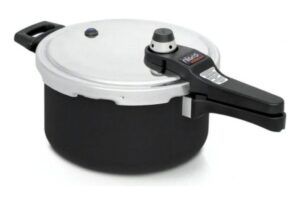
That’s a fantastic question, and one I get asked a lot! The truth about pressure cooker safety lies in understanding how modern appliances work and, crucially, how to use them correctly. Gone are the days of single-valve, potentially temperamental cookers. Today, pressure cooker safety is paramount in design.
Modern pressure cookers are equipped with several impressive safety features that really put my mind at ease. First off, there’s the lid locking mechanism. This is brilliant! It physically prevents you from opening the lid until all the pressure inside has been safely released. Trust me, I once tried to peek too soon on an old model (not a pressure cooker, thankfully!), and it taught me a lesson. With modern pressure cookers, this simply won’t happen.
Then we have the pressure regulating valves. These little heroes automatically release excess steam to maintain a consistent, safe pressure level inside. If the primary valve ever gets blocked (which is why regular cleaning is key!), most modern pressure cookers have a backup safety valve. It’s like having a spare tire for your car – peace of mind in case the main one falters. And let’s not forget the gaskets or sealing rings that ensure an airtight seal, preventing any unexpected leaks.
Now, while a pressure cooker is safe by design, user error is where most issues can arise. But don’t worry, these are super easy to avoid! Here are some practical tips I’ve learned, often from my own kitchen adventures:
- Read Your Manual (Seriously!): This might sound boring, but every pressure cooker is a little different. My first one had specific instructions for releasing pressure quickly versus naturally, and understanding that was a game-changer for avoiding overcooked food or sudden steam bursts. It’s the best way to understand your specific cooker’s safety features.
- Don’t Overfill: There’s usually a “max fill” line inside for a reason. Overfilling, especially with frothy foods like beans or grains, can block the steam vents. I once filled it a tad too much with lentil soup, and while nothing disastrous happened, the pressure release was a bit messier than usual. Lesson learned!
- Clean Regularly: Those little steam vents and the sealing ring need to be clean and clear. Bits of food can easily block them. After every use, I give my sealing ring a good wash and check the vent. A clean cooker is a safe cooker.
- Stand Clear of Steam: When you release pressure, especially using the quick-release method, a strong jet of steam will come out. Always keep your hands and face away. I use a long-handled wooden spoon to flick the valve open, just to be extra cautious.
- Inspect Before Use: Before each use, I quickly check the sealing ring for cracks and make sure the valves aren’t blocked. If the ring looks worn or cracked, it’s time to replace it. A well-maintained pressure cooker is a safe pressure cooker.
- Never Force the Lid: If the lid won’t open easily, it means there’s still pressure inside. Be patient! Allow it to release naturally, or use your cooker’s quick-release method if suitable for your recipe. This is a critical aspect of pressure cooker safety.
When you follow these simple guidelines, you’ll find that using a pressure cooker is not only safe but also incredibly rewarding. You’ll cook delicious meals in a fraction of the time, often retaining more nutrients and flavor. It’s a wonderful tool once you get the hang of it!
So, can you confidently say, “yes, a pressure cooker is safe“? Absolutely! With modern designs and a little bit of care and common sense, your pressure cooker can be one of the most reliable and efficient appliances in your kitchen. Don’t let old fears hold you back from enjoying the many benefits it offers. Happy cooking!