Cooking a delicious meal often starts with choosing the right cookware. Non-stick pans have become a staple in kitchens worldwide, offering convenience and easy cleaning.
PTFE-coated cookware, commonly known as Teflon, is one of the most popular options. Its non-stick surface allows food to cook evenly without sticking, reducing the need for excess oil and supporting healthier meals.
However, concerns about safety often arise. Some people worry that chemicals in PTFE coatings can release harmful fumes when overheated.
Research shows that PTFE can degrade at temperatures above 260°C (500°F), releasing gases that may cause temporary flu-like symptoms in humans and be toxic to pet birds. Source
Curiosity about the safety of everyday kitchen products has grown in recent years. Home cooks want to know if their cookware could impact health or longevity.
According to the U.S. Food and Drug Administration, PTFE is considered safe for use in cookware when used according to the manufacturer’s instructions. Source
Beyond safety, understanding PTFE helps in selecting cookware that lasts longer and performs better. Proper use, care, and maintenance can extend the life of PTFE-coated pans while maximizing their non-stick benefits.
What Is PTFE?
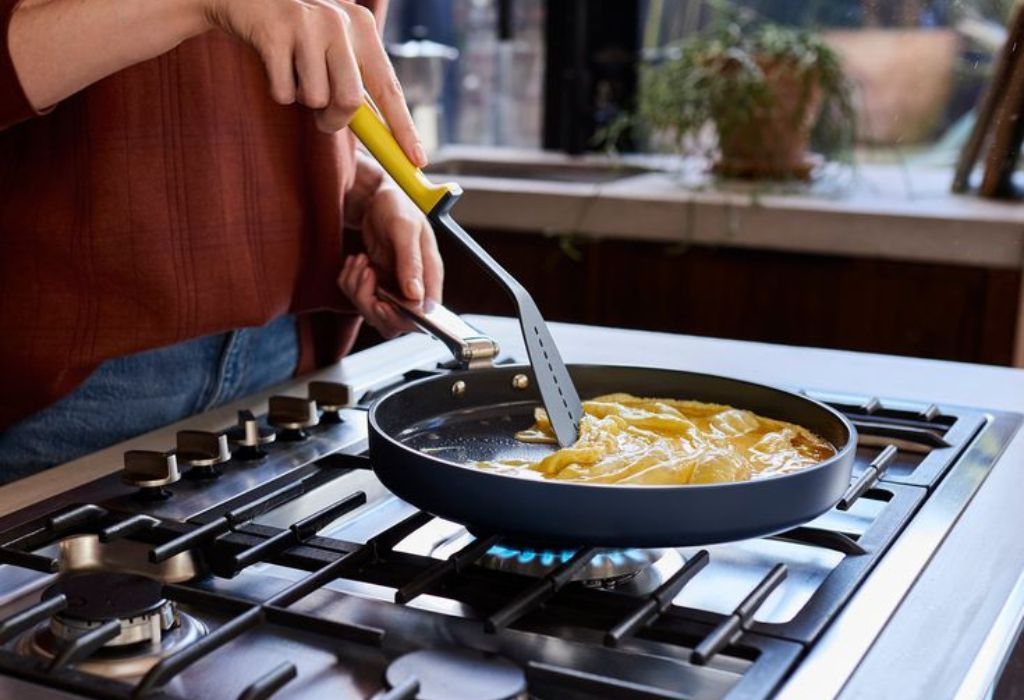
Polytetrafluoroethylene, or PTFE, is a synthetic polymer widely used in non-stick cookware. Its unique chemical structure, consisting of carbon and fluorine atoms, creates a surface that repels water, oil, and food particles.
First discovered in 1938 by chemist Roy Plunkett, PTFE revolutionized kitchen technology. It quickly became popular for its ability to provide an easy-to-clean, non-stick surface for frying pans, saucepans, and bakeware.
PTFE coatings are applied to metals like aluminum or stainless steel through spraying, rolling, or electrostatic deposition. Multiple layers, including primers and topcoats, are baked at high temperatures to ensure durability, adhesion, and uniform non-stick performance.
What does PTFE stand for?
Polytetrafluoroethylene, a polymer known for its non-stick and heat-resistant properties.
Is PTFE the same as Teflon?
Yes, Teflon is the brand name for PTFE coatings commonly used in cookware.
Why is PTFE non-stick?
Its molecular structure reduces friction and prevents food from adhering to the surface.
Can PTFE withstand high heat?
PTFE is stable up to 260°C (500°F); exceeding this can degrade the coating.
Which types of cookware use PTFE coatings?
Frying pans, saucepans, and bakeware made from aluminum or stainless steel are commonly coated with PTFE.
PTFE’s popularity comes from its convenience, low-fat cooking potential, and durability. Understanding its chemical properties and proper application helps home cooks maximize the benefits while minimizing safety risks.
How PTFE Coatings Are Made
PTFE coatings are applied to cookware through precise industrial processes. Metals like aluminum or stainless steel are first cleaned and roughened to ensure the coating adheres properly.
The PTFE material is then sprayed, rolled, or electrostatically applied in multiple layers, including primers and topcoats. This ensures a smooth, durable, and uniform non-stick surface.
The coated cookware is baked at high temperatures to cure the PTFE, forming a resilient layer. Quality control tests adhesion, thickness, and smoothness to guarantee consistent performance.
Some manufacturers add ceramic or other fillers to improve scratch resistance, heat tolerance, and longevity. These enhancements make high-end PTFE-coated pans more durable than basic models.
Regulatory standards ensure that the coatings are safe, free from harmful contaminants, and comply with international guidelines. Consumers benefit from understanding these processes, which highlight why proper use and maintenance are essential.
Benefits of PTFE in Cookware
PTFE-coated cookware offers several advantages that make it a favorite in kitchens around the world. Its most notable feature is the non-stick surface, which allows food to cook evenly without sticking or burning.
This non-stick property also promotes healthier cooking. Less oil or butter is required, which reduces overall fat intake while preserving flavors and nutrients.
Durability is another key benefit. With proper care, PTFE-coated cookware can last for years, maintaining performance and appearance while resisting scratches and wear.
Cleaning is simpler and faster due to the smooth surface. Food residue easily slides off, reducing the need for harsh scrubbing or abrasive cleaning tools.
PTFE coatings can also enhance heat distribution, ensuring that meals cook more evenly compared to some uncoated pans. This leads to consistent results and a better cooking experience overall.
Why is PTFE non-stick beneficial?
It prevents food from sticking, making cooking and cleaning much easier.
Can PTFE reduce cooking oil usage?
Yes, its non-stick surface allows for low-fat cooking with minimal oil or butter.
How durable is PTFE cookware?
With proper use, PTFE-coated pans can last many years without losing effectiveness.
Does PTFE affect cooking performance?
Yes, it ensures even heat distribution for consistent cooking results.
Is cleaning PTFE cookware easier than traditional pans?
Yes, food slides off easily, requiring less effort and gentle cleaning tools.
PTFE’s combination of convenience, health benefits, and durability makes it an attractive option for home cooks. Knowing these advantages helps in selecting cookware that improves both efficiency and safety in the kitchen.
Safety Considerations
While PTFE-coated cookware offers convenience, safety is a key consideration for home cooks. If heated beyond recommended limits, PTFE can degrade and release fumes that may cause temporary flu-like symptoms in humans and be harmful to pet birds.
Overheating usually occurs when pans are left empty on high heat or used on maximum stove settings. Following manufacturer guidelines and monitoring cooking temperatures significantly reduces any risks.
Regulatory authorities, including the U.S. Food and Drug Administration (FDA) and the European Food Safety Authority (EFSA), consider PTFE-coated cookware safe when used properly. These guidelines emphasize correct heat limits, safe utensils, and careful maintenance.
Environmental concerns are also relevant. PTFE production and high-temperature degradation can release per- and polyfluoroalkyl substances (PFAS), which are persistent in the environment. Choosing reputable brands and following safe usage practices minimizes these impacts.
What happens if PTFE overheats?
Fumes may be released, which can cause temporary flu-like symptoms in humans and be harmful to birds.
Is PTFE toxic at normal cooking temperatures?
No, PTFE is safe when used below 260°C (500°F) according to FDA guidelines.
How can overheating be prevented?
Avoid preheating empty pans and cook on low to medium heat settings.
Are there regulations for PTFE cookware?
Yes, the FDA and EFSA provide safety standards for PTFE-coated cookware.
Which utensils are safe to use with PTFE pans?
Wooden, silicone, or plastic utensils are recommended to avoid scratching the coating.
Understanding PTFE safety ensures home cooks can enjoy non-stick benefits without compromising health. Proper handling, temperature control, and maintenance are essential for both longevity and safe use.
How to Use PTFE-Coated Cookware Safely
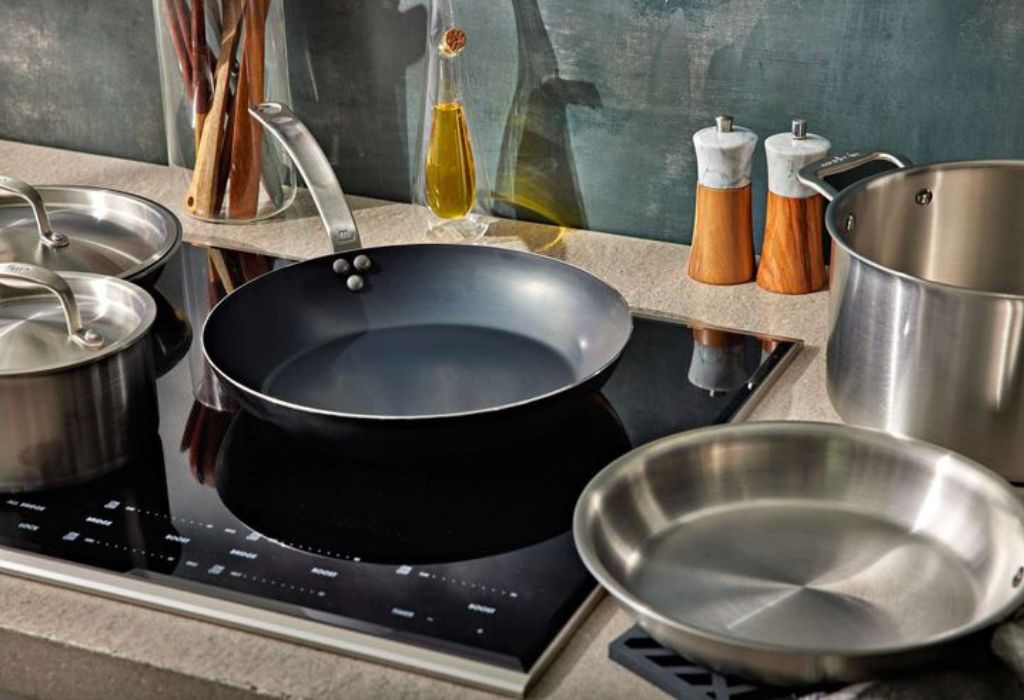
Proper use of PTFE cookware is essential for both safety and longevity. Cooking at moderate temperatures and handling the cookware carefully prevents damage to the coating and reduces health risks.
Avoiding high heat, using suitable utensils, and maintaining the surface properly helps the cookware last longer. Following these guidelines allows safe, efficient, and enjoyable cooking experiences.
What heat level is safe for PTFE cookware?
Low to medium heat is recommended, keeping temperatures below 260°C (500°F).
Can metal utensils be used on PTFE pans?
No, metal utensils can scratch and damage the non-stick coating.
How should PTFE cookware be cleaned?
Use soft sponges or cloths with mild detergent; avoid abrasive scrubbers.
Is it safe to preheat an empty PTFE pan?
No, preheating empty pans can quickly raise temperatures and damage the coating.
How often should PTFE cookware be inspected?
Regularly check for scratches, peeling, or signs of wear to ensure safe use.
Proper handling and maintenance extend the life of PTFE cookware while keeping cooking safe. Following these safety measures allows home cooks to enjoy the convenience of non-stick cooking without compromising health.
Common Misconceptions About PTFE Cookware
Many home cooks worry that PTFE coatings are inherently dangerous. These concerns often come from misunderstandings about chemical release, heating, or wear over time. In reality, PTFE is extremely stable at normal cooking temperatures and only begins to break down above 260°C (500°F).
Some people assume all non-stick coatings are the same. PTFE differs significantly from ceramic, silicone, and anodized aluminum in durability, heat resistance, and chemical composition. Confusing these materials can lead to unnecessary fear or incorrect kitchen choices.
Others worry that PTFE reduces food quality or nutritional value. On the contrary, it allows healthier cooking with less oil, prevents burning, and supports even heat distribution for better results.
People also think PTFE is outdated or being phased out. While interest in alternatives like PFAS-free or ceramic cookware is growing, PTFE remains widely used because of proven performance and convenience.
Is PTFE cookware toxic?
No, PTFE is safe at normal cooking temperatures below 260°C (500°F).
Do all non-stick coatings have the same safety risks?
No, PTFE differs from ceramic and silicone in heat resistance and chemical stability.
Does PTFE cooking affect food nutrition?
No, it allows low-fat cooking and prevents burning, preserving nutrients.
Is PTFE outdated?
No, it is still widely used due to its non-stick performance and durability.
Are scratched pans automatically unsafe?
Minor scratches are not usually dangerous, but deep or peeling coatings should be replaced.
Alternatives to PTFE-Coated Cookware
For cooks concerned about chemicals or high-heat cooking, several alternatives to PTFE are available. These options provide non-stick performance, durability, and safety without relying on synthetic coatings.
Ceramic-coated cookware offers a non-stick surface free from PTFE and PFAS chemicals. It is ideal for low- to medium-heat cooking, though its coating may wear faster than PTFE over time.
Cast iron provides a naturally non-stick surface when seasoned properly. It excels at heat retention, is highly durable, and can handle very high cooking temperatures safely.
Stainless steel cookware is another option. While it is not naturally non-stick, it is durable, resistant to high heat, and safe for various cooking methods, making it ideal for searing, boiling, and sautéing.
Some brands now offer PFAS-free and eco-friendly non-stick pans. These are designed for safer cooking and environmentally conscious households, combining performance with reduced chemical exposure.
What is ceramic-coated cookware?
Cookware with a non-stick ceramic layer free from PTFE and PFAS.
How does cast iron compare to PTFE pans?
When seasoned, cast iron provides a natural non-stick surface and excellent heat retention.
Is stainless steel a good alternative?
Yes, it is durable, non-reactive, and safe for high-heat cooking, though not naturally non-stick.
Are PFAS-free options available?
Yes, several brands offer cookware completely free from PTFE and PFAS chemicals.
Do these alternatives require special care?
Cast iron requires seasoning, and ceramic or stainless steel pans need careful cleaning to maintain performance.
Understanding alternatives helps cooks balance safety, performance, and cooking style. Choosing the right material ensures healthier meals and a better overall kitchen experience.
PTFE vs. Other Non-Stick Coatings
PTFE is not the only non-stick option. Ceramic, silicone, and anodized aluminum coatings each have distinct strengths and limitations.
Ceramic coatings are chemical-free and safe at medium temperatures, but they can wear out faster than PTFE. Silicone coatings are flexible and heat-resistant, but usually not suitable for stovetop use. Anodized aluminum is durable and moderately non-stick but often requires oil for best results.
PTFE remains the most effective for non-stick performance, longevity, and ease of cleaning. Comparing coatings helps cooks choose based on their cooking style, heat requirements, and maintenance preferences.
Is ceramic cookware safer than PTFE?
Yes, ceramic is chemical-free but less durable at high heat.
Can silicone pans replace PTFE?
Only for baking; they are not suitable for stovetop frying.
What is anodized aluminum cookware?
Durable metal with moderate non-stick properties, often needing oil.
Why choose PTFE over alternatives?
PTFE offers superior non-stick performance and durability.
How to choose the best coating?
Consider cooking style, heat tolerance, and maintenance needs.
Maintenance Tips for PTFE Cookware
Maintaining PTFE cookware ensures safety and longevity. Avoid metal utensils that can scratch the coating.
Use soft sponges and mild detergent for cleaning. Avoid abrasive scrubbers or steel wool. Do not preheat empty pans or cook at maximum heat. Store cookware carefully with protective layers, and inspect for peeling or scratches.
What utensils are safe for PTFE pans?
Wooden, silicone, or plastic utensils are recommended.
Can abrasive cleaners damage PTFE?
Yes, use soft sponges and mild detergent.
Is preheating empty pans safe?
No, it can degrade the coating quickly.
How should PTFE pans be stored?
Use protective layers when stacking or hang when possible.
When should a pan be replaced?
If deep scratches or peeling appear.
Environmental Impact of PTFE Cookware
PTFE production involves fluorinated compounds, which are persistent in the environment. However, normal cooking does not release harmful chemicals; concerns arise mainly during production or improper disposal.
High-temperature incineration of PTFE cookware can release pollutants, so recycling and proper disposal are important. Some brands offer PFAS-free pans and recycling programs to reduce environmental harm.
Durable PTFE pans often last longer than alternatives, reducing replacements and material consumption. This longevity indirectly reduces energy use and waste, benefiting the environment.
Consumers can minimize impact by choosing high-quality pans, maintaining them properly, and recycling responsibly at the end of their lifespan.
Does PTFE cookware release harmful chemicals during normal use?
No, it is safe at temperatures below 260°C (500°F).
When does PTFE impact the environment?
During manufacturing or high-temperature disposal.
Are there eco-friendly PTFE alternatives?
Yes, PFAS-free and recyclable pans are available.
Does durability affect environmental impact?
Yes, longer-lasting pans reduce the frequency of replacement and waste.
How can consumers reduce environmental risks?
Choose quality cookware, maintain it properly, and recycle responsibly.
How to Choose the Right PTFE Cookware
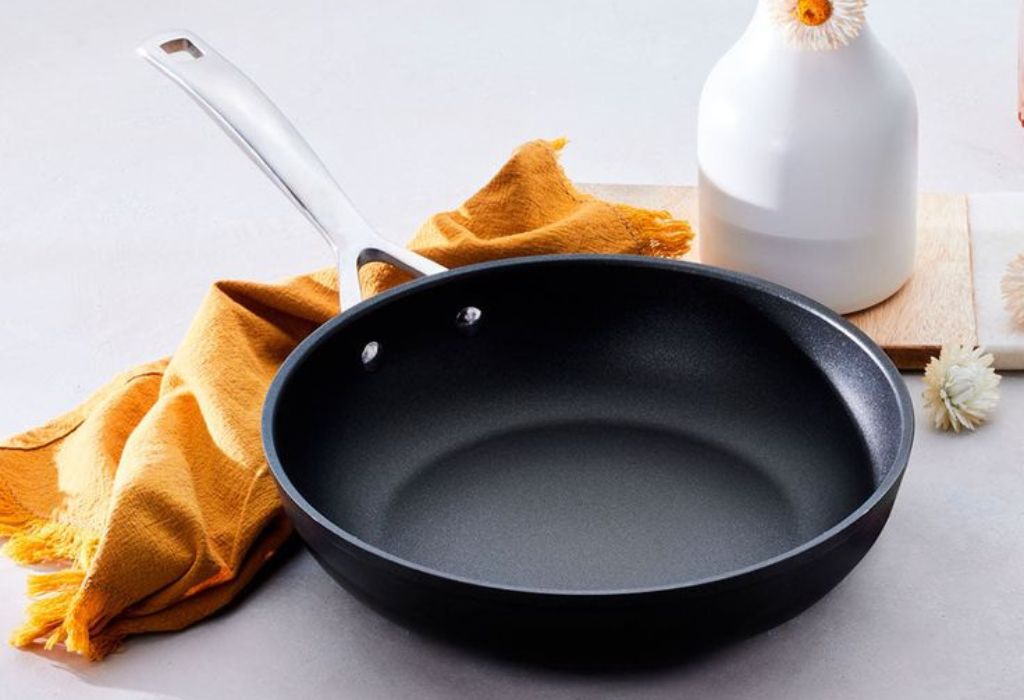
Choosing PTFE cookware requires attention to cooking habits, pan size, handle comfort, and safety certifications. Look for FDA or EFSA compliance.
Multi-layer coatings provide durability and longer lifespan. Consider features like dishwasher safety, induction compatibility, and heat indicators.
Price and warranty are important indicators of quality. Investing in reputable brands ensures safe, long-lasting, and high-performing non-stick cookware.
What should I check before buying PTFE cookware?
Check heat tolerance, coating layers, and regulatory certifications.
Do multi-layer pans last longer?
Yes, additional layers improve durability and scratch resistance.
Are extra features important?
Yes, dishwasher safety, heat indicators, and induction compatibility enhance convenience.
Does price reflect quality?
Often, higher-quality pans come with better coatings and longer warranties.
How to select cookware for my cooking style?
Consider the type of meals you cook, heat preferences, and maintenance habits.
Future Trends in Cookware Materials
The cookware industry is evolving with a focus on safety, sustainability, and performance. Consumers are increasingly seeking non-toxic, eco-friendly, and durable materials for everyday cooking.
PFAS-free cookware is gaining popularity as awareness about chemical exposure grows. These pans offer non-stick convenience without relying on PTFE, appealing to health-conscious users.
Sustainable and eco-friendly materials are also on the rise. Brands are investing in recyclable metals, ceramic coatings, and other alternatives that reduce environmental impact while maintaining performance.
Technological innovations are improving durability and heat distribution. Some advanced coatings now combine non-stick performance with scratch resistance, high-heat tolerance, and longer lifespans than traditional options.
Consumer education is shaping the market. Increased transparency about ingredients, coatings, and safety guidelines allows buyers to make informed choices and encourages brands to meet higher safety standards.
What are PFAS-free cookware options?
Cookware made without per- and polyfluoroalkyl substances, often using ceramic or other natural coatings.
Are eco-friendly materials becoming popular?
Yes, sustainable and non-toxic materials are in higher demand among health-conscious consumers.
How is technology improving cookware coatings?
Advancements focus on durability, non-stick performance, and safety at higher temperatures.
Will PTFE remain widely used?
While PTFE is still common, interest in safer alternatives and coatings is steadily growing.
Are there trends for professional kitchens?
Yes, professional chefs are exploring high-performance stainless steel, cast iron, and innovative non-stick options for durability and safety.
Staying informed about these trends allows home cooks to select cookware that is both safe and modern. Awareness of emerging materials ensures long-term benefits for health, performance, and sustainability in the kitchen.
Conclusion
PTFE-coated cookware offers convenience, durability, and non-stick performance that simplifies everyday cooking. Understanding its properties, benefits, and safety considerations allows home cooks to use it confidently.
Proper handling, moderate heat, and careful maintenance ensure that PTFE-coated pans remain safe and effective for years. Exploring alternatives and staying updated on industry trends can further enhance both health and cooking experiences.
By selecting the right cookware and following safety guidelines, cooks can enjoy efficient, low-fat cooking while protecting themselves and their families. Consider cooking habits, health priorities, and maintenance preferences when choosing cookware for the kitchen.

I’m Emma J. Caldwell, the founder, lead writer, and home-cooking enthusiast behind KitchenGuideCo.com. With a background in culinary arts and over a decade of cooking experience in both professional and personal kitchens, I created this platform to demystify recipes, offer smart kitchen gadget reviews, and guide readers through meal prep with confidence and clarity.