Pyrex has been a kitchen favorite for decades because of its reputation for strength, clarity and versatility. People use it for baking, storing leftovers and preparing meals, so it naturally becomes a big part of daily cooking routines.
But when cleaning time arrives, many users wonder whether Pyrex is truly safe inside the dishwasher.
That hesitation often appears after someone washes Pyrex along with regular dishes for the first time. They hear stories about glass breaking under sudden temperature changes or lids warping from heat. These concerns make them unsure whether dishwashers can safely handle the material.
Pyrex is made from strong tempered glass or borosilicate glass depending on the generation. While it resists thermal stress better than many materials, it still reacts to sudden temperature differences in ways people do not always expect.
Knowing how Pyrex behaves under heat and pressure helps prevent cracks or surface wear.
Once people learn the proper way to load Pyrex, how dishwasher cycles affect the material and how to protect both the glass and the lids, cleaning becomes much easier.
They can clean their favorite bakeware and containers without worrying about damage. Understanding dishwasher safety turns daily kitchen cleanup into a smooth and predictable routine.
What Makes Pyrex a Popular Kitchen Choice

Pyrex is popular because of its exceptional durability, which helps it withstand everyday kitchen tasks. The glass resists scratches and maintains clarity over time. This reliability builds user confidence.
People also love Pyrex because it can go from refrigerator to oven safely under normal conditions. The ability to handle temperature changes makes it versatile. This versatility increases its usefulness in busy households.
Pyrex comes in many shapes and sizes, supporting baking, storing and serving. The glass design allows users to see food inside easily. This transparency helps with meal prep and organization.
The material does not absorb odors or stains. Foods like tomato sauce or spices do not leave discoloration. This makes Pyrex easier to clean compared to plastic containers.
Pyrex containers stack well, saving space in cabinets and refrigerators. Their tidy shape helps keep kitchens organized. This convenience appeals to many families.
Because Pyrex is long lasting, users often keep the same pieces for years. The durability reduces the need for replacements. This makes it a cost effective option over time.
Pyrex is also microwave safe, adding more versatility. It allows people to reheat meals quickly and safely. This convenience supports everyday food routines.
Is Pyrex Actually Dishwasher Safe
Pyrex glass itself is generally considered dishwasher safe. The material is designed to withstand normal dishwasher temperatures without cracking. This makes it convenient for busy households.
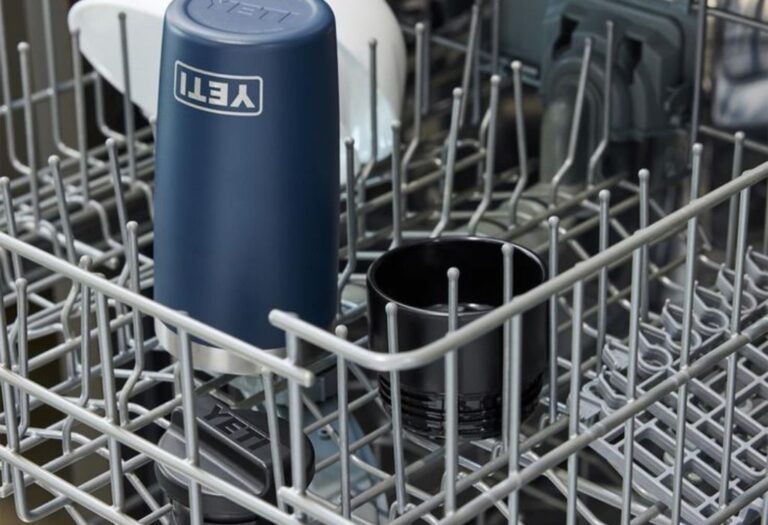
Placing Pyrex on the top rack is usually the safest option. The top rack keeps the glass away from strong heat generated near the bottom. This helps prevent temperature shock.
Pyrex lids are often made of plastic or silicone. These materials may warp in high heat if placed on the bottom rack. Washing lids on the top rack preserves their shape.
The detergent used in dishwashers is safe for Pyrex glass. Strong detergents do not scratch or discolor the material. This ensures long term clarity.
However, sudden temperature changes can stress the glass. Placing very cold Pyrex into a hot dishwasher increases the risk of cracking. Allowing it to warm up gradually prevents stress.
Old Pyrex made from borosilicate glass may handle heat better than newer tempered versions. Even so, both types require gentle temperature transitions. This maintains durability.
Pyrex remains dishwasher safe when used properly. Awareness of placement and heat exposure helps protect the glass. Consistent care ensures long lasting performance.
Is all Pyrex dishwasher safe?
Yes, most Pyrex glass is dishwasher safe when warmed to room temperature.
Can Pyrex lids go in the dishwasher?
Yes, but plastic lids should stay on the top rack.
Will dishwasher detergent damage Pyrex?
No, detergents are safe for Pyrex glass.
Can Pyrex crack in the dishwasher?
Yes, if exposed to sudden temperature changes.
Is old Pyrex safer than new Pyrex?
Both are safe, but borosilicate glass handles heat better.
How Dishwasher Heat Affects Pyrex Material
Dishwasher heat interacts strongly with Pyrex glass. While Pyrex is durable, rapid heating can stress the surface. This stress may lead to small cracks over time.
The drying cycle generates the hottest temperatures. Pyrex sitting near the heating element experiences more strain. Keeping Pyrex on the top rack reduces this risk.
Plastic lids react differently to dishwasher heat. Some lids warp or lose their shape under intense drying temperatures. Using mild cycles preserves their structure.
Heat can affect silicone seals used in some Pyrex container lids. Overheating may weaken the seal and reduce airtight performance. Top rack placement avoids this issue.
Older Pyrex formulas handle heat better but still require careful washing. Dishwashers vary in water pressure and temperature. Monitoring settings helps protect older pieces.
Newer Pyrex made from tempered glass tolerates moderate dishwasher heat. However, extreme temperature changes create weaknesses. Gentle cycles maintain durability.
Dishwasher heat does not normally damage Pyrex when used correctly. Understanding how heat affects each component prevents accidents. Safe washing habits protect your glassware.
The Correct Way to Wash Pyrex in a Dishwasher
Always allow Pyrex to reach room temperature before washing. Cold glass entering hot water experiences thermal shock. This can cause sudden cracks.
Place Pyrex on the top rack for best protection. The top rack receives gentler heat and spray pressure. This placement extends the lifespan of the glass.
Wash lids and silicone seals separately. Plastic and silicone materials handle heat differently than glass. Top rack placement prevents warping.
Use mild or normal wash cycles instead of high heat settings. These cycles clean thoroughly without exposing Pyrex to extreme temperatures. This approach maintains clarity.
Avoid placing Pyrex near large metal cookware. Metal items may shift and create impact marks. Keeping space between pieces reduces risk.
Do not overload the dishwasher. Crowded racks block water flow and create temperature pockets. Proper spacing ensures effective cleaning.
Let Pyrex air dry after washing. Air drying avoids sudden temperature changes from heat blasts. This protects the material from unnecessary stress.
Common Mistakes People Make When Washing Pyrex
One common mistake is placing freezing cold Pyrex directly into a hot dishwasher. This sudden temperature jump can cause cracks. Warming Pyrex gradually prevents this.
Another mistake is washing Pyrex on the bottom rack. The bottom rack is too close to the heating element. This increases the chance of stress fractures.
People sometimes place Pyrex next to heavy pots or pans. Metal items may bump against the glass during cycles. This impact can cause chips.
Using sanitizing or extra hot cycles is another mistake. These settings push temperatures beyond what Pyrex should handle. Normal cycles are safer.
Some users overload the dishwasher with too many glass pieces. Overloading reduces water circulation and causes uneven heating. Proper spacing prevents heat spots.
Pre soaking Pyrex in cold water and then washing immediately can stress the glass. Temperature shock weakens the structure. Gradual transitions keep Pyrex safe.
Improper handling leads to long term wear. Knowing the right methods improves durability.
Why did my Pyrex crack in the dishwasher?
Likely due to sudden temperature changes.
Can Pyrex explode from heat?
It can shatter if exposed to extreme temperature shock.
Is bottom rack safe for Pyrex?
No, bottom rack heat is too strong.
Should Pyrex cool before washing?
Yes, let it reach room temperature.
Can Pyrex touch metal in the dishwasher?
Avoid it, metal can chip the glass.
Can Pyrex Warp, Fade or Crack in Dishwashers

Pyrex does not warp because it is made of glass, not plastic. However, lids may warp under strong heat. Keeping lids on the top rack prevents distortion.
Pyrex glass usually does not fade from dishwasher use. Fading occurs mainly in plastic lids or decorated pieces. Gentle cycles protect designs.
Cracking is the main risk when washing Pyrex. Cracks occur when the glass meets sudden temperature changes or heavy impact. Careful handling removes this risk.
Chips can appear along the rim if Pyrex hits metal cookware. These chips weaken the structure. Separating items prevents collisions.
Older Pyrex may crack more easily because aging weakens the material. Treating older pieces gently is important. Mild cycles preserve them.
Decorated Pyrex sometimes loses surface patterns over time. Dishwasher heat may fade printed designs. Handwashing decorated pieces helps maintain artwork.
Thermal stress remains the most common issue. Controlled temperature changes prevent cracks. Consistent care protects your Pyrex.
Tips to Keep Pyrex Looking New Longer
Store Pyrex carefully to avoid scratches. Stacking pieces with soft liners prevents rubbing. This keeps glass clear.
Avoid exposing Pyrex to extreme temperature changes. Gradual warming and cooling protect the structure. This maintains durability.
Wash decorated Pyrex by hand to preserve artwork. Dishwasher heat can fade printed designs. Gentle handwashing extends their life.
Use the top rack for every wash. This area exposes the glass to milder conditions. It ensures safe long term cleaning.
Do not pre soak Pyrex in cold water before dishwashing. Temperature shifts weaken the glass. Allowing natural warming prevents stress.
Dry Pyrex with soft cloths after washing. Soft materials prevent scratches. This keeps the glass looking polished.
Avoid slamming lids or stacking too quickly. Gentle handling prevents chips. Maintaining safe storage keeps Pyrex beautiful.
Troubleshooting When Pyrex Looks Damaged
If Pyrex appears cloudy after washing, mineral deposits may be the cause. Vinegar soaks usually remove cloudiness. Rinsing with warm water completes the process.
If Pyrex cracks, temperature shock is often responsible. Cracked Pyrex should be discarded for safety. Continuing to use it is risky.
Chips along the edges indicate impact damage. Heavy cookware or utensils may have bumped into the glass. Separating items prevents future chips.
Stains on Pyrex sometimes appear after repeated baking. Dishwashers may not remove deep stains. Gentle scrubbing with baking soda helps restore clarity.
If plastic lids warp, heat from the dishwasher is the likely cause. Warped lids no longer seal properly. Top rack placement avoids this.
If Pyrex rattles during washing, the dishwasher may be overloaded. Proper spacing prevents collisions. Adjusting the load improves protection.
Many small issues are preventable with gentle care. Troubleshooting early signs helps protect the glass.
Why is my Pyrex cloudy?
Hard water deposits can cause cloudiness.
Why did my Pyrex chip?
Likely from impact with metal or other items.
Can cloudy Pyrex be restored?
Yes, vinegar soaks often help.
Why do Pyrex lids warp?
High heat cycles damage plastic lids.
Is cracked Pyrex safe to use?
No, cracked glass should be discarded.
How Often Should You Wash Pyrex in the Dishwasher
Pyrex can be washed daily in the dishwasher when used correctly. Top rack placement ensures safety. Routine cleaning keeps the glass fresh.
Frequent washing does not damage Pyrex. Using mild cycles protects the structure. This approach supports long term use.
If the glass becomes dull, reduce dishwasher frequency. Alternating with handwashing can restore clarity. Balanced cleaning protects the finish.
Heavily used Pyrex may need more frequent washing. Food residue dries quickly and becomes harder to remove. Regular cleaning avoids buildup.
Avoid using intense sanitizing cycles on Pyrex. These cycles expose the glass to unnecessary heat. Mild cycles are safer.
Inspecting Pyrex occasionally ensures no chips or cracks appear. Early detection prevents safety hazards. Monitoring condition extends its lifespan.
Pyrex remains dishwasher friendly when treated gently. Consistent habits promote durability.
Final Safety and Care Tips for Pyrex Users
Always allow Pyrex to cool naturally before washing. Sudden changes from hot to cold create thermal stress. This stress can lead to cracks.
Keep Pyrex away from direct heat sources. The heating element in the dishwasher produces strong temperatures. Top rack placement avoids exposure.
Avoid stacking Pyrex too tightly in storage. Tight stacking causes scratches and chips. Using soft dividers prevents damage.
Do not microwave Pyrex lids. Plastic lids deform easily under heat. Keeping lids out of the microwave protects their shape.
Air dry Pyrex after dishwashing to avoid moisture marks. Moisture trapped between pieces can cause stains. Drying keeps the glass clear.
Clean silicone seals gently. Harsh scrubbing weakens the material. Gentle washing extends their lifespan.
Read manufacturer labels for specific guidance. Different Pyrex products have slightly different care instructions. Following them ensures safe and effective use.
How Pyrex Reacts to Different Dishwasher Detergents
Different dishwasher detergents can affect Pyrex in various ways, even though the glass itself is highly durable. Most standard detergents work safely on Pyrex without scratching or clouding the surface. This makes daily washing convenient and reliable.
Powder detergents usually dissolve well and offer gentle cleaning. These formulas leave minimal residue on the glass and maintain clarity over long periods. Their mild nature makes them suitable for frequent use.
Gel detergents are slightly stronger in concentration and may leave streaks if not rinsed properly. While safe for Pyrex, they sometimes cause minor cloudiness when used in very hard water. Rinsing cycles help prevent this issue.
Pod detergents offer strong cleaning power but release detergent quickly. This fast release may cause temporary spotting on Pyrex if the dishwasher is overloaded. Proper spacing ensures even cleaning.
Eco friendly detergents are safe for Pyrex and provide gentle cleaning strength. These detergents avoid harsh chemicals and help preserve the glass’s clarity. They are ideal for users wanting minimal chemical exposure.
Detergents containing bleach should be avoided around decorated Pyrex. Bleach can fade printed designs over time. Selecting non bleaching formulas protects artwork.
Hard water conditions sometimes reduce detergent performance. Mineral deposits combine with detergent residue and form a cloudy layer. Using rinse aids restores clarity.
Understanding how detergents interact with Pyrex helps maintain its appearance. Choosing gentle formulas protects the glass and supports long lasting usage. Consistent habits keep Pyrex spotless and clear.
Signs Your Pyrex Should Not Go in the Dishwasher Anymore

Pyrex that shows cracks or tiny stress lines should never go in the dishwasher again. These lines weaken the structure and increase the risk of breakage. Discarding damaged pieces ensures safety.
If the glass feels unusually rough, the surface may have been weakened by repeated temperature stress. Roughness indicates that the coating has worn down. Continuing to wash it in the dishwasher may worsen the damage.
Chips around the rim are a major warning sign. Even small chips create weak points that can expand during dishwasher cycles. Avoiding heat exposure prevents sudden breakage.
Decorated Pyrex with fading artwork may require handwashing from now on. Fading shows that the dishwasher cycles are too strong for printed designs. Handwashing preserves the remaining pattern.
If Pyrex has become cloudy and does not clear up with vinegar rinses, the surface may have experienced permanent etching. Etched glass loses structural strength. Handwashing becomes a safer choice.
Older Pyrex pieces passed down from previous generations may be more fragile. Age can naturally reduce durability, even if the glass looks normal. These vintage items benefit from gentle handwashing.
If the lid no longer seals properly after repeat dishwasher cycles, heat may have distorted its shape. A poor seal affects food storage quality. Top rack washing or handwashing prevents further warping.
Recognizing these signs helps prevent accidents and preserves your kitchenware. Knowing when to switch to handwashing protects both your Pyrex and your safety. Thoughtful care ensures dependable use for years.
Conclusion
Pyrex remains one of the most dependable materials in the kitchen, and understanding its dishwasher safety helps maintain that reliability for many years. The glass itself handles normal dishwasher conditions well as long as temperature changes are gradual and predictable.
With careful placement and proper cycle selection, Pyrex stays strong and clear even with daily cleaning.
Many issues people face with Pyrex come from sudden shifts in temperature rather than regular washing.
Allowing the glass to cool naturally before placing it inside the dishwasher prevents stress that leads to cracks or chips. This simple habit protects the structure and keeps Pyrex safe for long term use.
Lids require extra attention because they react differently to heat and pressure. Keeping plastic or silicone lids on the top rack prevents warping and ensures they continue sealing effectively. Taking a moment to separate lids from glass pieces helps avoid common cleaning mistakes.
Pyrex performs best when treated gently, spaced properly and washed on mild settings. Heavy cookware or overcrowded racks can create impact points that weaken the glass over time. Avoiding these conditions ensures consistent safety and durability.
By understanding how heat, placement and handling affect Pyrex, users can wash it confidently without risking breakage. Small adjustments in daily routines make a significant difference in keeping both the glass and lids in excellent condition.
With good care and awareness, Pyrex continues serving as a dependable storage, baking and reheating solution for many years.

I’m Emma J. Caldwell, the founder, lead writer, and home-cooking enthusiast behind KitchenGuideCo.com. With a background in culinary arts and over a decade of cooking experience in both professional and personal kitchens, I created this platform to demystify recipes, offer smart kitchen gadget reviews, and guide readers through meal prep with confidence and clarity.